

Knowledge Is More Than a Degree: UNNES Rector Emphasizes Graduates’ Responsibility

Universitas Negeri Semarang > Faculty of Social Sciences and Political Science > News > Knowledge Is More Than a Degree: UNNES Rector Emphasizes Graduates’ Responsibility

The challenges facing university graduates do not end when they earn their academic degrees. Amid environmental problems and the rapid flow of information, the ability to use knowledge responsibly is just as important.

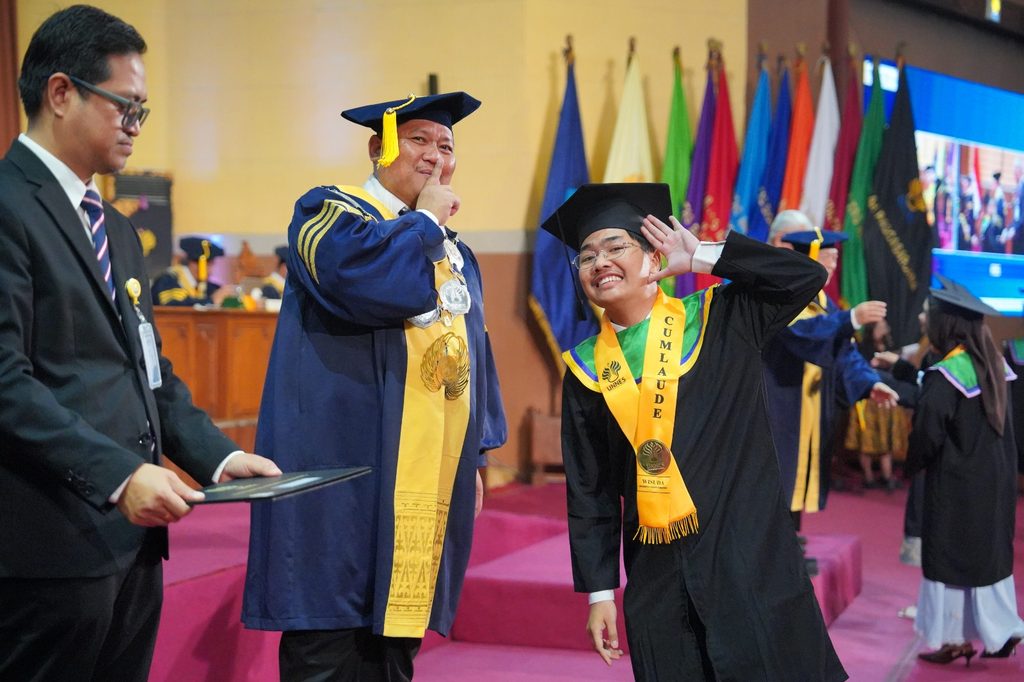
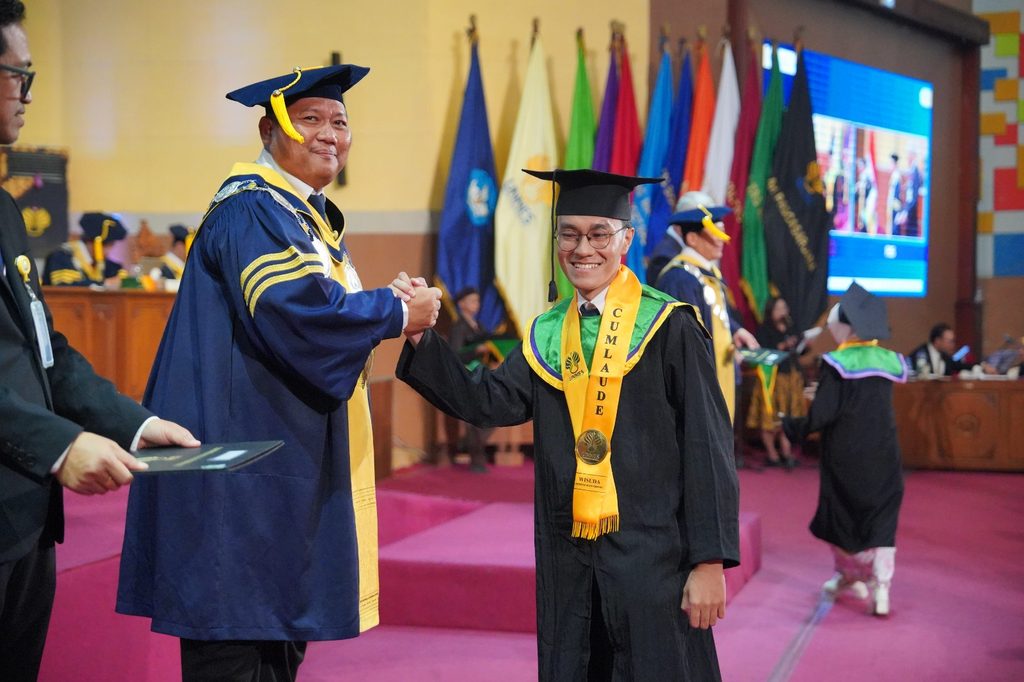
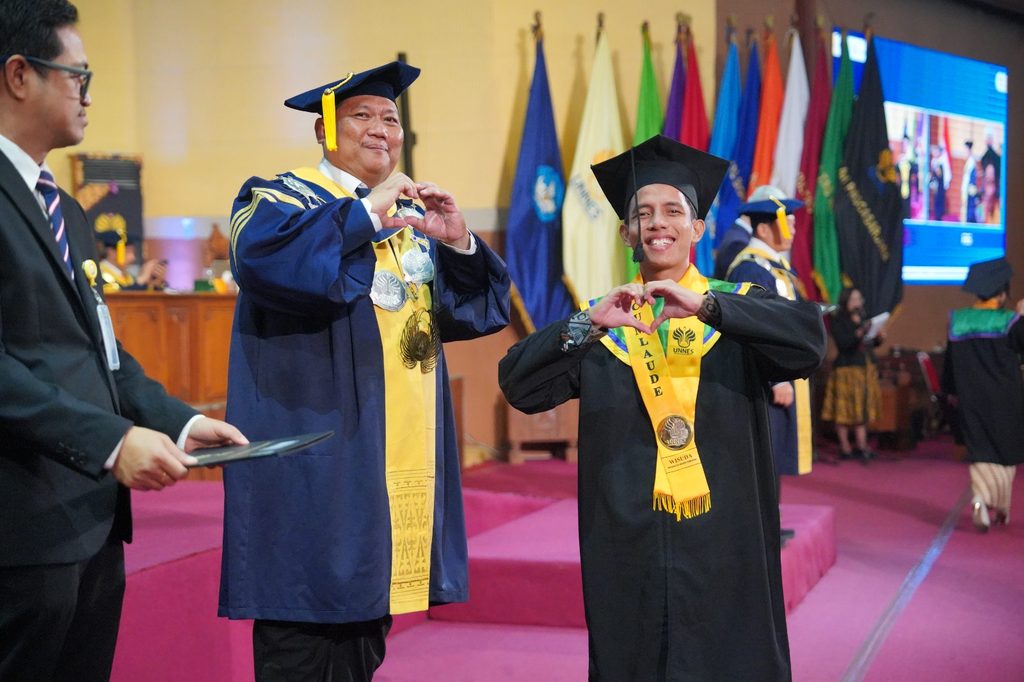
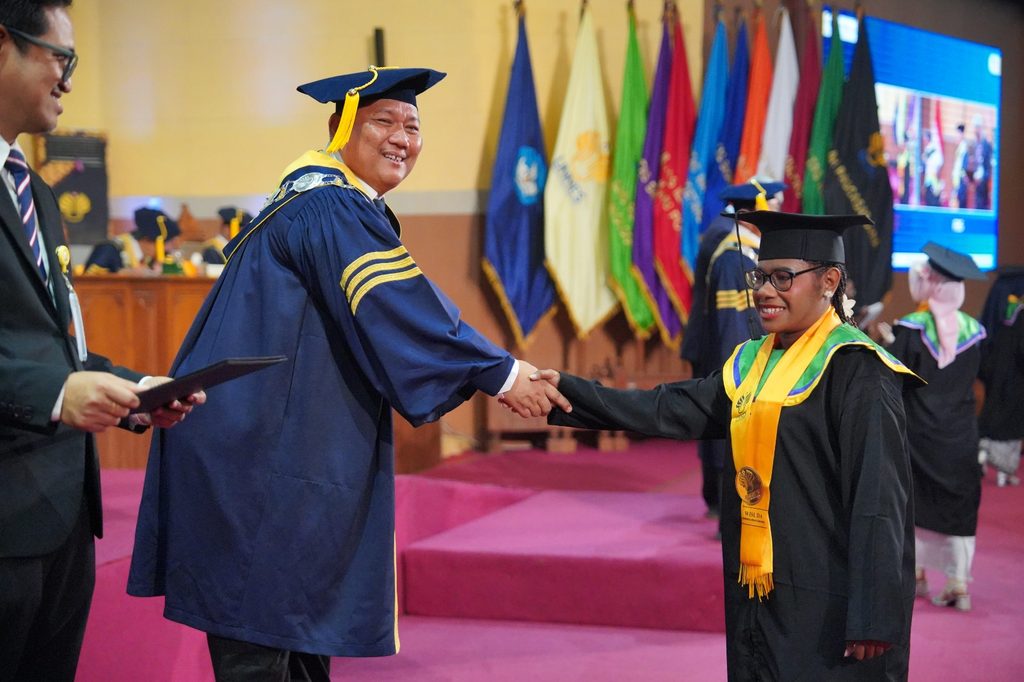
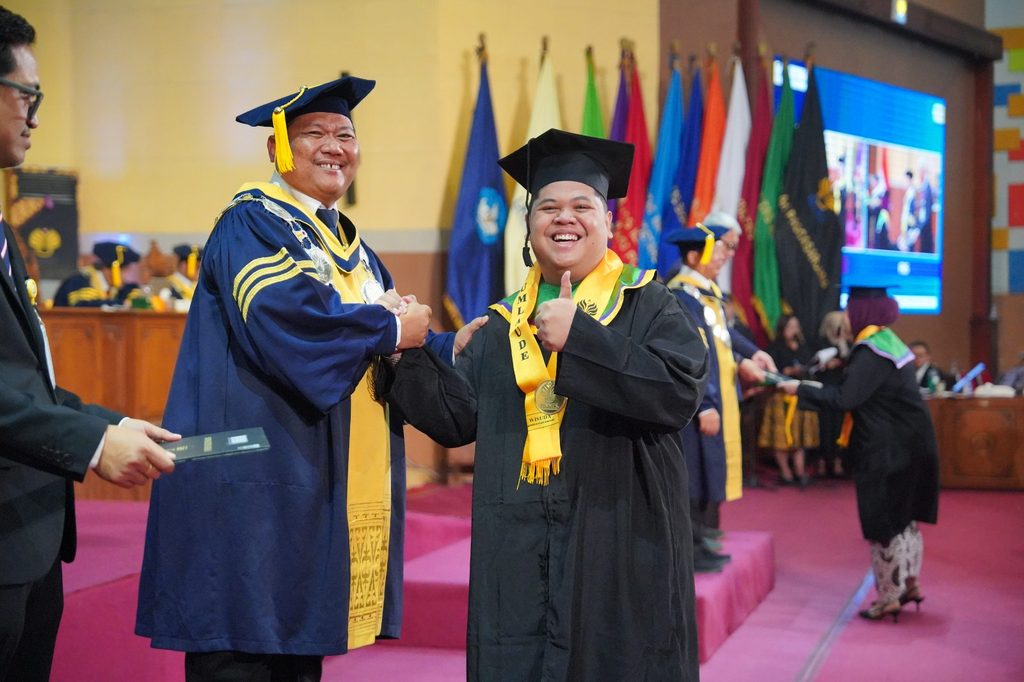
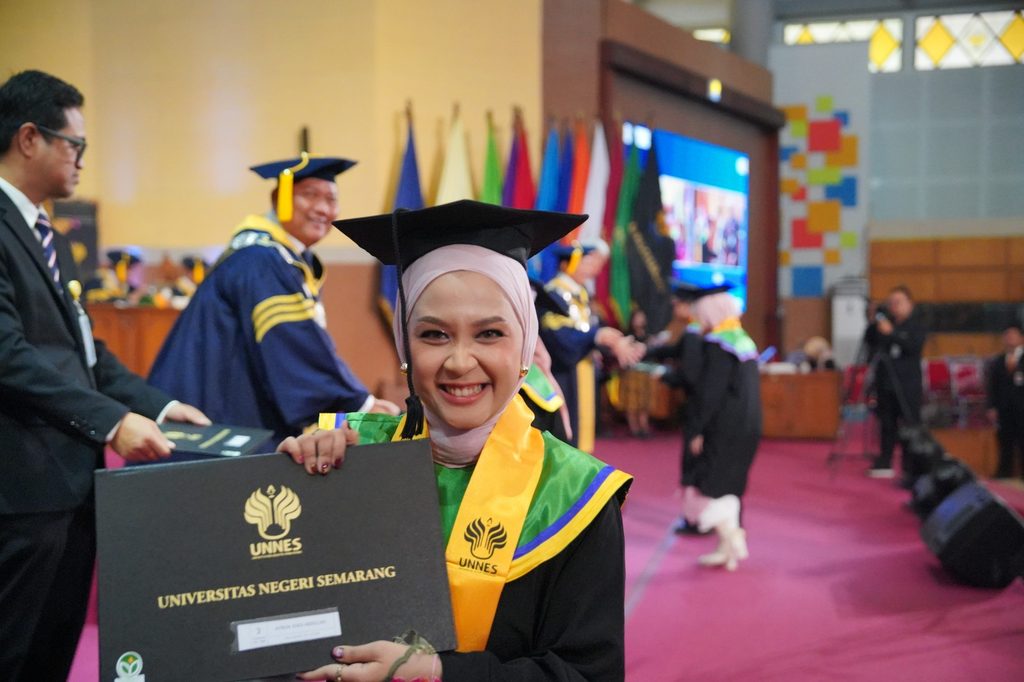
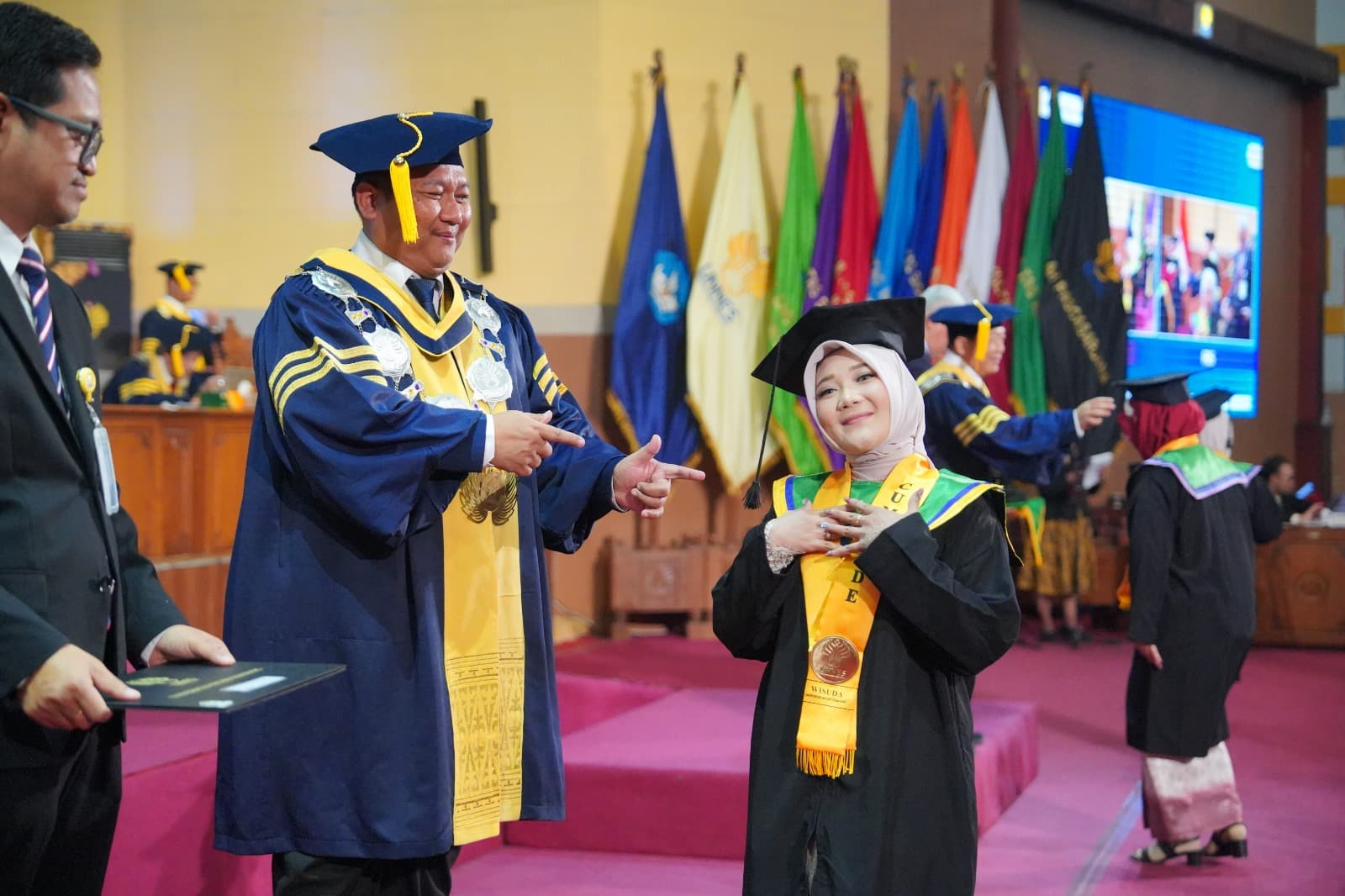
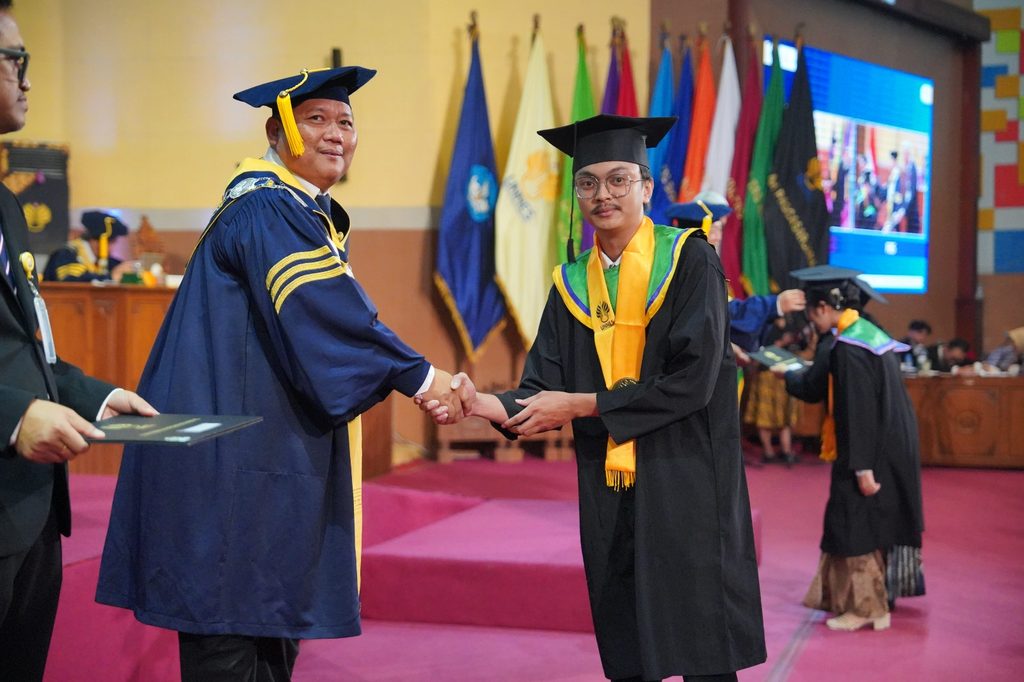
In his address at UNNES’s 143rd Graduation Ceremony, held at the Prof. Wuryanto Building on Saturday, October 17, Rector Prof. Dr. S. Martono, M.Si., emphasized that scientific knowledge must be accompanied by responsibility in its application.

The Rector reminded graduates that an academic degree carries social responsibilities and reflects scholarly competence that must continue to be developed. Therefore, university graduates are expected to think, speak, and act based on the knowledge and academic values they have acquired throughout their studies.

According to him, this responsibility must be reflected in everyday life. Knowledge should not remain merely theoretical or serve as a source of personal pride; instead, it should be applied to bring benefits to others.

“Ilmu itu kelakone kanthi laku,” meaning that knowledge is realized through action, was one of the key messages the Rector conveyed to the graduates.

He then invited graduates to pay attention to current environmental problems, including forest fires and fires in several areas, such as Semarang, which have occurred amid a prolonged dry season.

These incidents have caused various forms of damage, ranging from the destruction of forest vegetation and increased carbon emissions to damage to peatland ecosystems.

The Rector encouraged the public not merely to view fires as disasters but also to use them as an opportunity to reflect on the relationship between humans and nature. He questioned whether this relationship had been maintained harmoniously or had instead tended toward exploitation.

Environmental awareness is one of the essential values that should accompany scientific knowledge. Graduates are expected to use their academic backgrounds to understand the issues around them and contribute in ways appropriate to their respective fields of expertise and capacities.

In addition to ecological concerns, the Rector highlighted the importance of exercising discernment when receiving and sharing information. According to him, educated individuals must be able to distinguish valid and trustworthy sources from rumors, gossip, and information whose accuracy has not been established.

This ability also involves recognizing which information is appropriate to publish and which should not be circulated. In this way, higher education does not merely develop intellectual abilities but also fosters responsibility in using knowledge and communicating information to others.

The Rector also reminded graduates that everyone has the opportunity to make a positive contribution without necessarily being the most prominent person. He illustrated this principle by encouraging graduates to continue providing direction and guidance to others.

“If we cannot be the moon, then let us be stars that can provide direction and guidance to others,” he said.

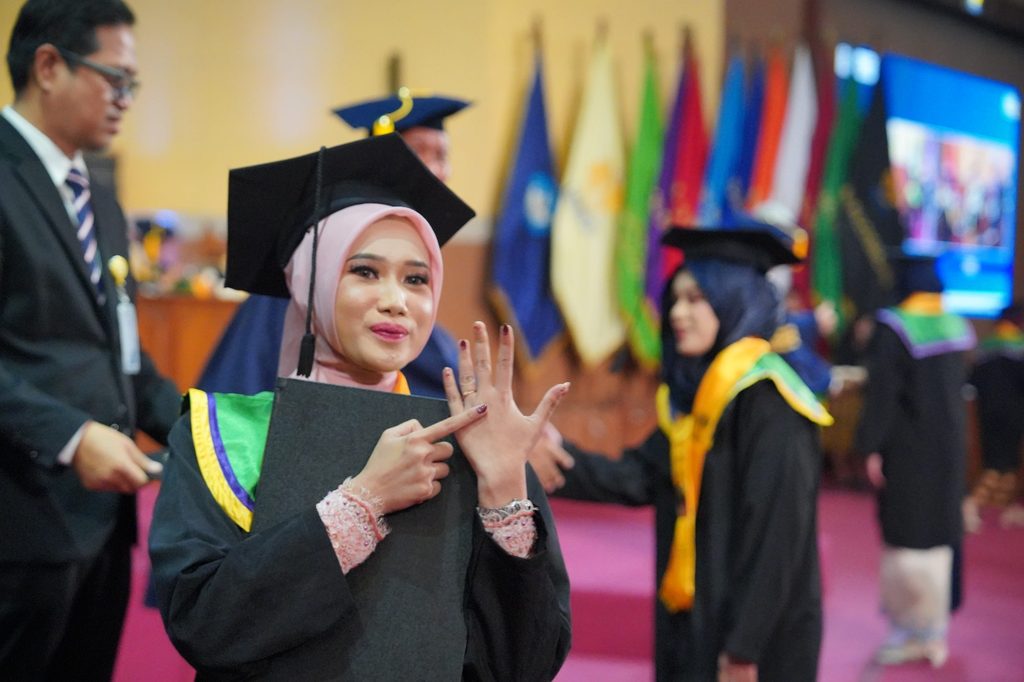
UNNES’s 143rd Graduation Ceremony was attended by 1,500 graduates from various educational levels, comprising 32 doctoral graduates, 91 master’s graduates, one professional program graduate, 1,344 bachelor’s graduates, and 32 diploma graduates.

Through this graduation ceremony, the graduates embark on a new stage of life, each facing different choices and challenges. The education they have received is expected to serve as a foundation for lifelong learning, responsible conduct, and meaningful contributions toward addressing various issues in society.

Source: https://unnes.ac.id/ilmu-bukan-sekadar-gelar-rektor-unnes-tekankan-tanggung-jawab-lulusan/
Related Posts

Leave a Reply

* Kode Akses Komentar:

* Tuliskan kode akses komentar diatas:

GDPR

  • Privacy Policy

Privacy Policy

At unnes.ac.id, the privacy of our visitors is of extreme importance to us. This privacy policy document outlines the types of personal information that is received and collected by unnes.ac.id and how it is used.

Log Files

Like many other Web sites, unnes.ac.id makes use of log files. The information inside the log files includes internet protocol (IP) addresses, type of browser, Internet Service Provider (ISP), date/time stamp, referring/exit pages, and number of clicks to analyze trends, administer the site, track user’s movement around the site, and gather demographic information. IP addresses and other such information are not linked to any information that is personally identifiable.

Cookies

unnes.ac.id uses cookies to store information about visitors’ preferences, to record user-specific information on which pages the site visitor accesses or visits, and to personalize or customize our web page content based upon visitors’ browser type or other information that the visitor sends via their browser.

Third-party ad servers or ad networks use technology in their respective advertisements and links that appear on unnes.ac.id and which are sent directly to your browser. They automatically receive your IP address when this occurs. Other technologies (such as cookies, JavaScript, or Web Beacons) may also be used by our site’s third-party ad networks to measure the effectiveness of their advertising campaigns and/or to personalize the advertising content that you see on the site.

unnes.ac.id has no access to or control over these cookies that are used by third-party advertisers.

You should consult the respective privacy policies of these third-party ad servers for more detailed information on their practices as well as for instructions about how to opt-out of certain practices. unnes.ac.id’s privacy policy does not apply to, and we cannot control the activities of, such other advertisers or web sites.

If you wish to disable cookies, you may do so through your individual browser options. More detailed information about cookie management with specific web browsers can be found at the browsers’ respective websites.

Consent

By using our website, you hereby consent to our privacy policy and agree to its terms.

Update

This Privacy Policy was last updated on: 2023-02-14. Should we update, amend or make any changes to our privacy policy, those changes will be posted here.

Contact Us

If you have any questions, comments, or concerns about our Privacy Policy or our practices with regards to your personal information, please feel free to contact us through the contact form on our website or by emailing us at humas[at]mail.unnes.ac.id.

This Privacy Policy is intended as a general guide to our practices in collecting and using information. If there is any inconsistency between this Privacy Policy and the terms of the Service Agreement or any other terms that may apply to specific services you use, then those specific service terms shall apply.

Terms of Use

By using our website, you agree to abide by this Privacy Policy. If you do not agree with this Privacy Policy, please do not use our website. We reserve the right to update this Privacy Policy from time to time without prior notice. Please review our Privacy Policy periodically to check for changes. Your continued use of our website following the posting of changes to this Privacy Policy means that you accept the changes.

Thank you for reading our Privacy Policy. We are committed to protecting the privacy of our website visitors and will continue to update our Privacy Policy to ensure optimal protection.