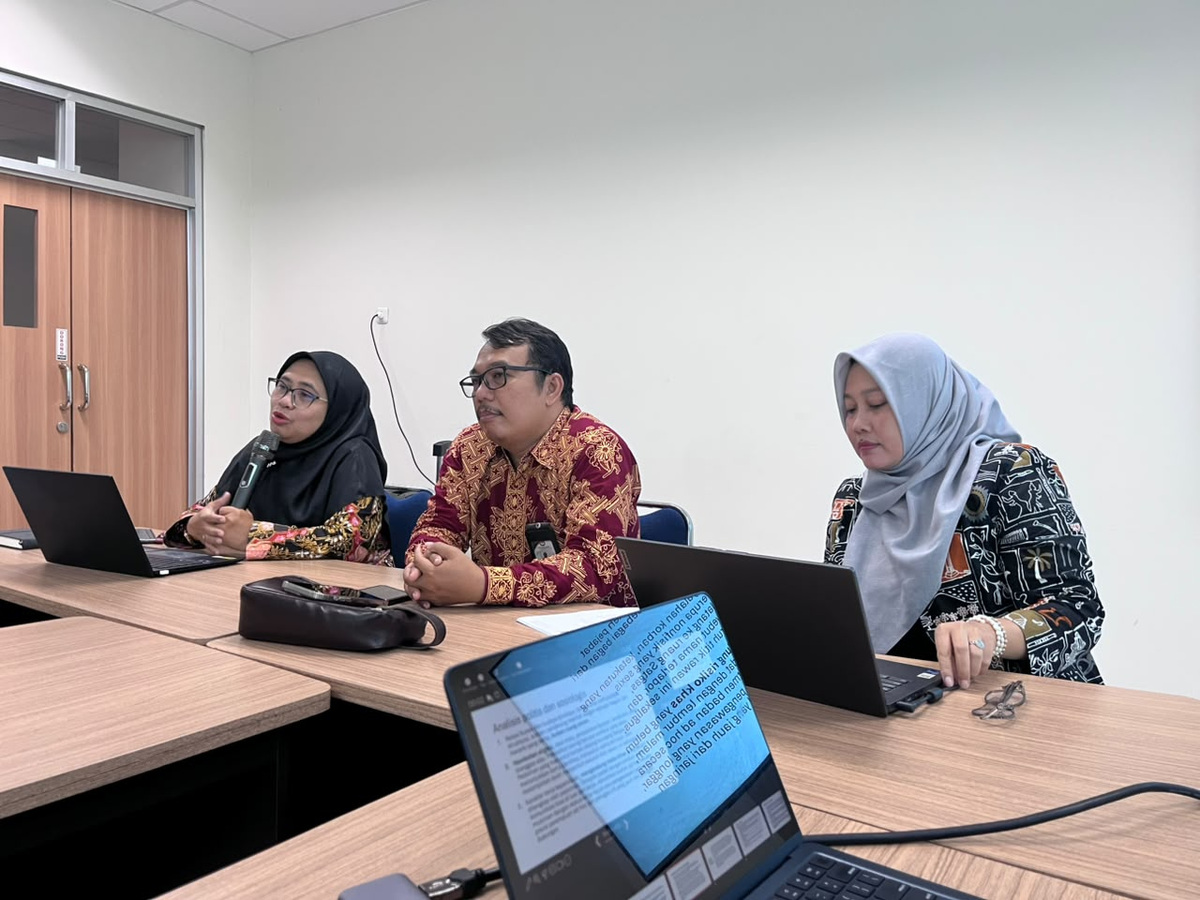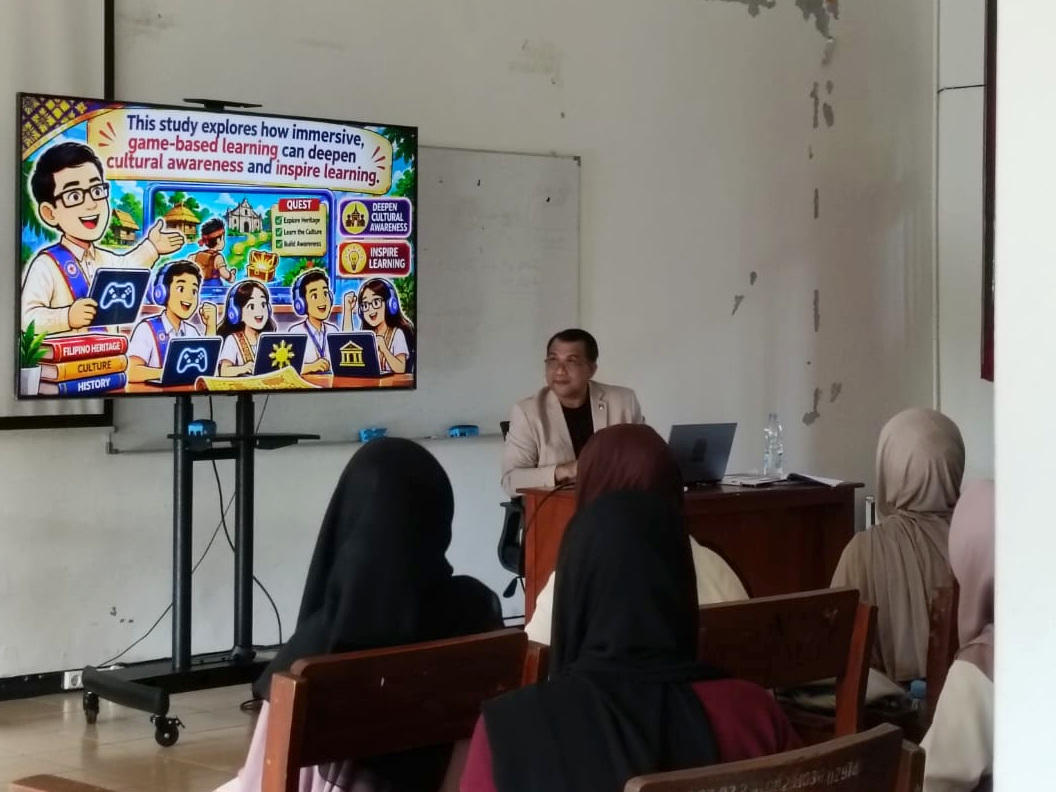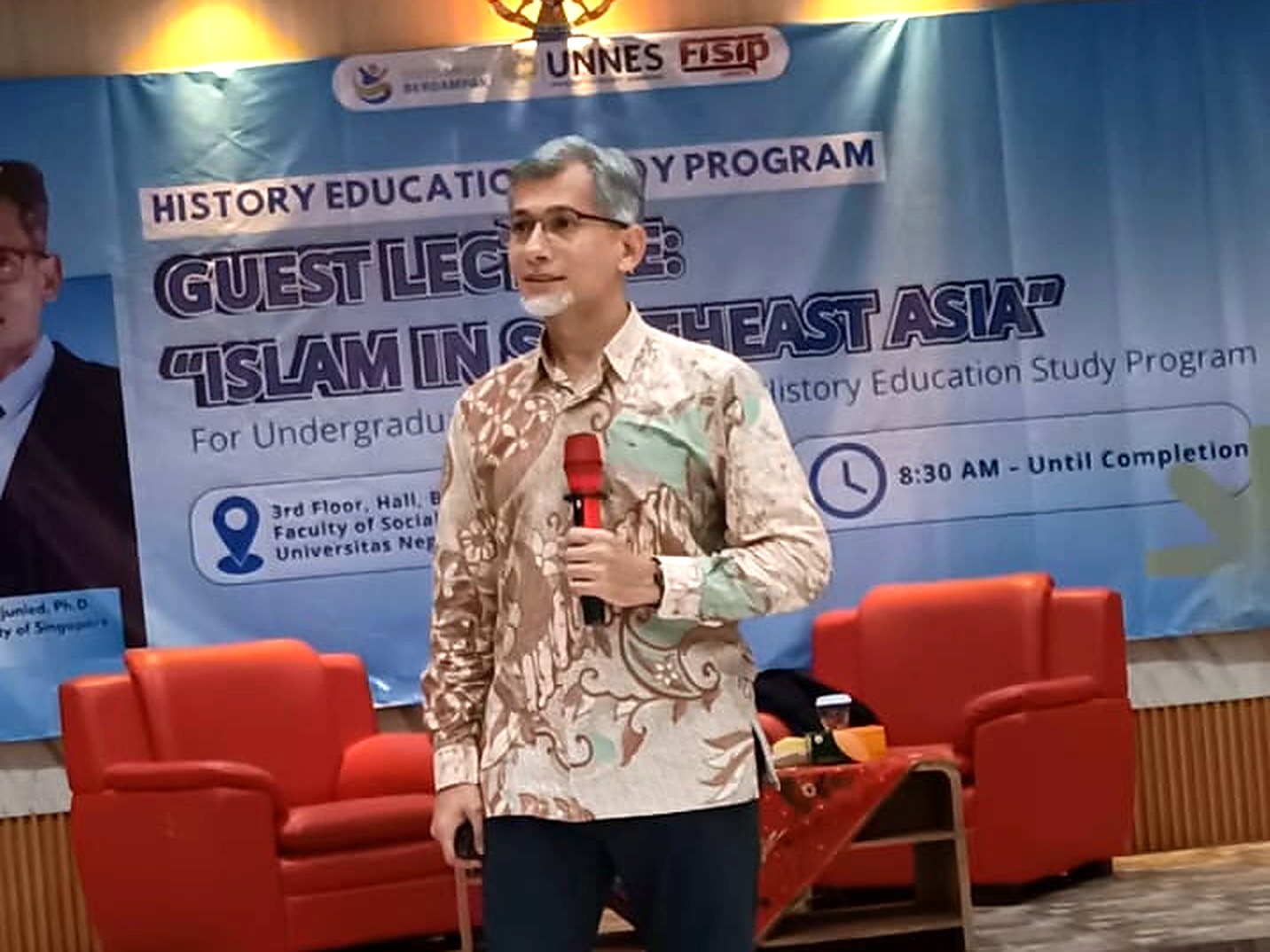




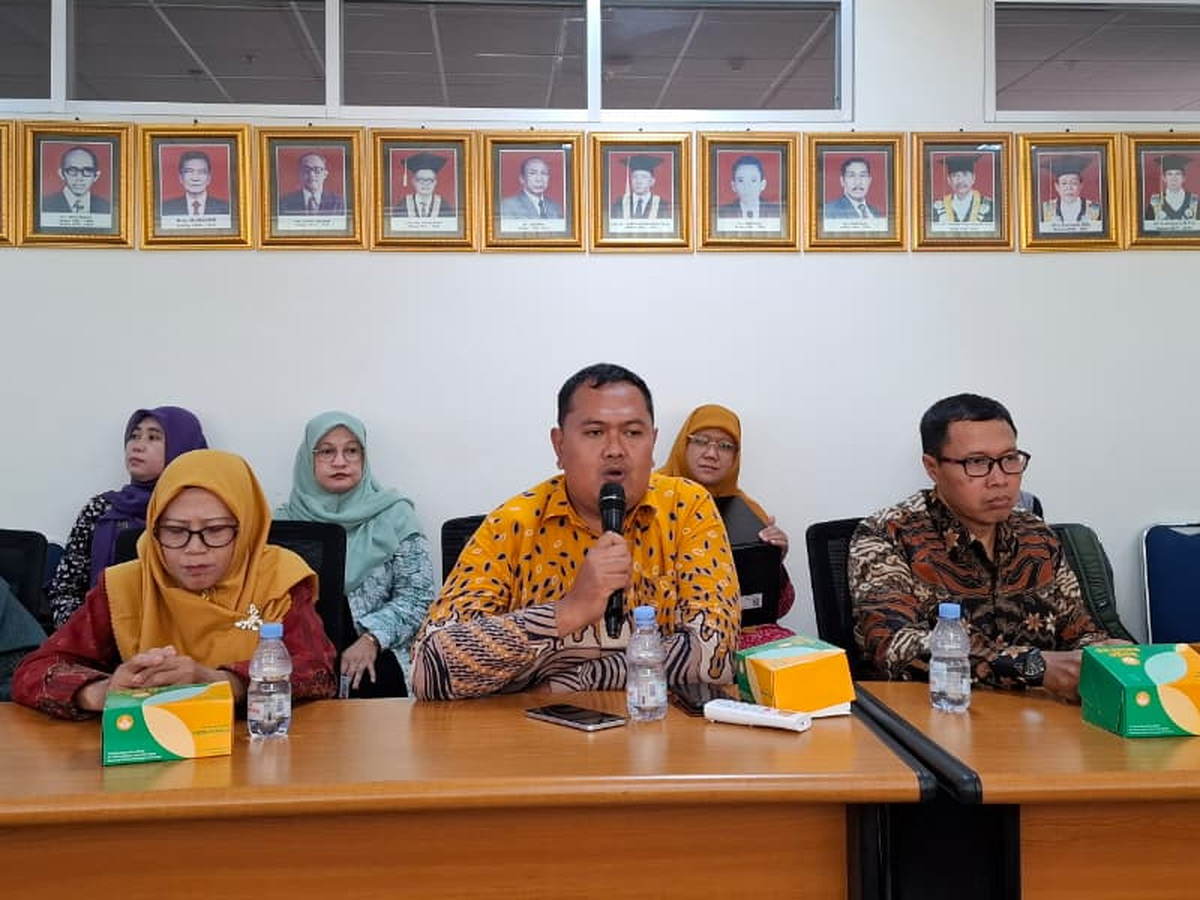
The Faculty of Social and Political Sciences (FISIP) at Universitas Negeri Semarang (UNNES) shared its best practices in implementing Recognition of Prior Learning (RPL) with the Faculty of Da’wah and Islamic Communication at UIN Sunan Kudus during a benchmarking visit on Thursday (November 12, 2026). Held at the Prof. Dr. A.T. Soegito Building on the UNNES Sekaran Campus, the meeting focused on RPL implementation in the Master’s Program in Social Studies Education and the Undergraduate Program in Sociology and Anthropology Education.
Dean of FISIP UNNES, Prof. Dr. Arif Purnomo, S.Pd., S.S., M.Pd., warmly welcomed the Dean of the Faculty of Da’wah and Islamic Communication at UIN Sunan Kudus, Prof. Dr. M. Nur Ghufron, S.Ag., M.Si., and his delegation. Arif described the visit as an opportunity for srawung akademik, a Javanese expression referring to meaningful academic interaction and the exchange of knowledge between institutions.
The spirit of srawung akademik shaped the meeting, creating an atmosphere of openness and mutual learning. Beyond exploring RPL practices at FISIP UNNES, the visit provided an opportunity for both faculties to exchange experiences, discuss institutional challenges, and explore approaches to improving academic services in higher education.
FISIP UNNES Vice Dean for Academic and Student Affairs, Dr.scient.med. Fadly Husain, S.Sos., M.Si., presented the faculty’s experience in implementing RPL within the Master’s Program in Social Studies Education and the Undergraduate Program in Sociology and Anthropology Education. His presentation addressed the recognition of previously acquired learning outcomes and the management of academic activities for students admitted through the RPL pathway.
The discussion also involved two study program coordinators, Dr. Hamdan Tri Atmaja, M.Pd., Coordinator of the Master’s Program in Social Studies Education, and Dr. Atika Wijaya, S.A.P., M.Si., Coordinator of the Sociology and Anthropology Education Program. Both contributed directly to discussions on the recognition process and the implementation of academic courses for RPL students in their respective programs.
The experiences of the two study programs provided practical insights into how learning outcomes acquired through previous education and professional experience can be recognized within formal higher education. Participants also discussed the organization of academic activities following RPL admission, particularly in relation to learning outcomes, curriculum requirements, and academic standards.
Recognition of Prior Learning offers opportunities for individuals with relevant educational backgrounds, professional experience, or previously acquired competencies to pursue higher education through a structured recognition process. Its implementation requires careful assessment, transparent academic procedures, and effective quality assurance to ensure that recognized competencies meet established academic standards.
The benchmarking visit highlighted the importance of interinstitutional learning in developing more flexible and inclusive higher education systems. Through srawung akademik, FISIP UNNES and the Faculty of Da’wah and Islamic Communication at UIN Sunan Kudus strengthened their academic relationship while creating opportunities for further collaboration in educational development and institutional capacity building.