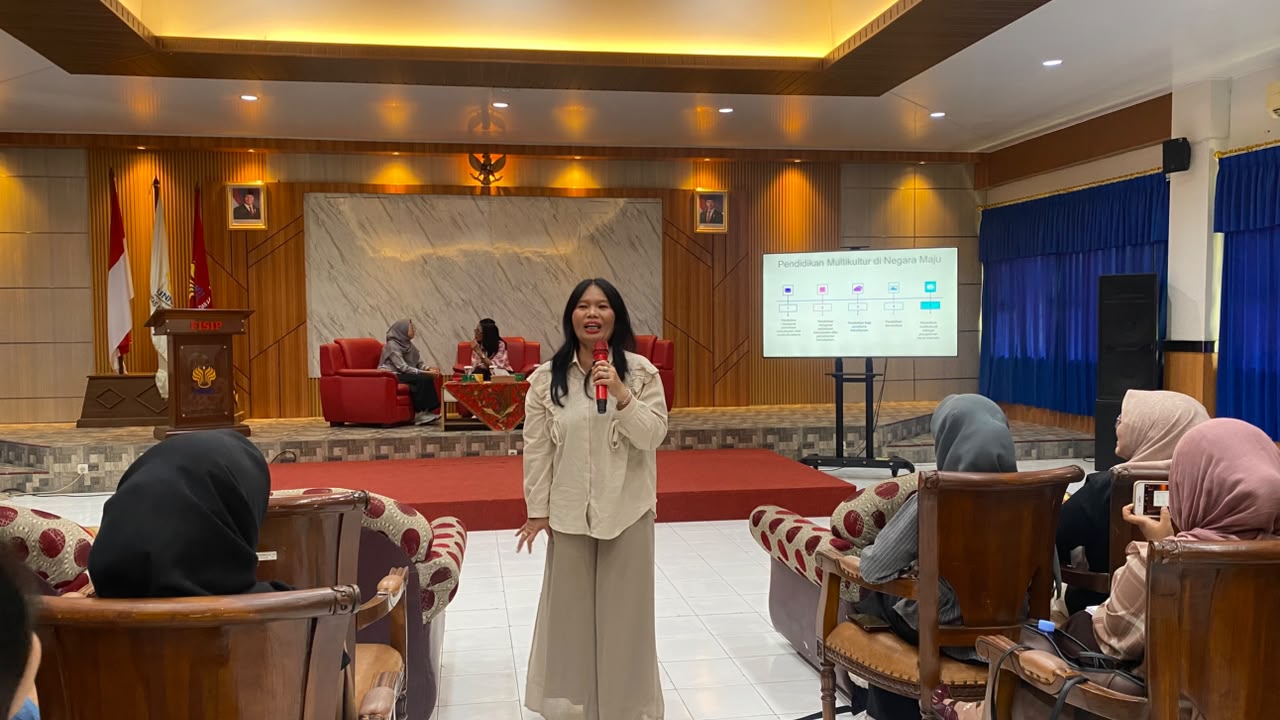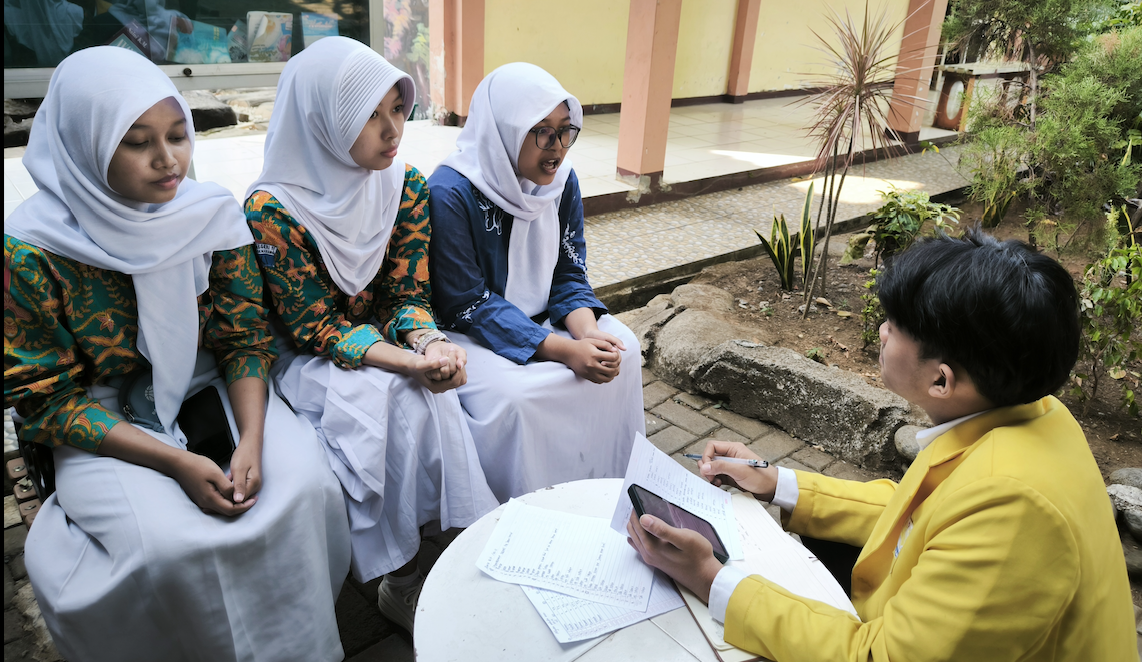


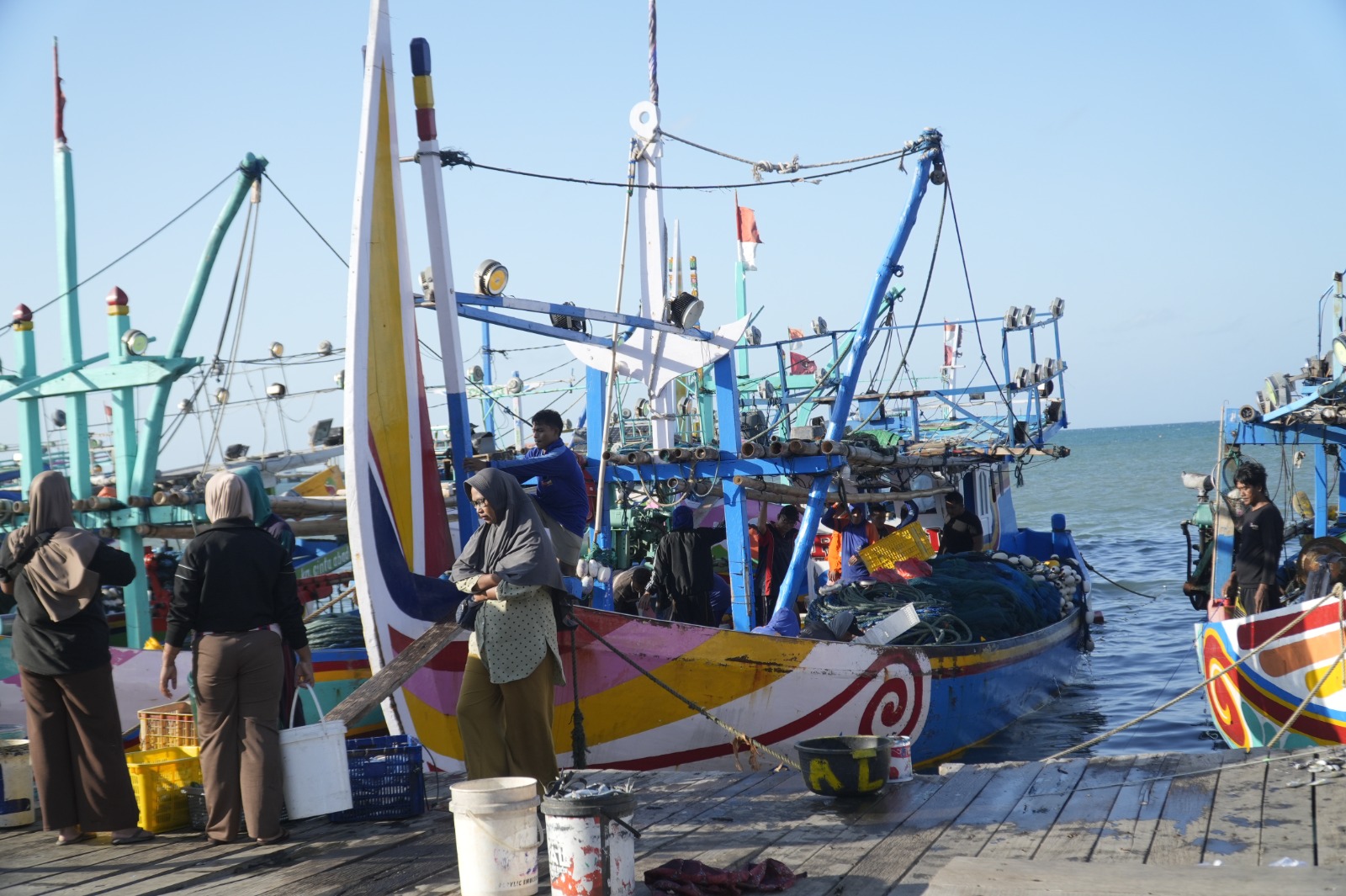
Efforts to introduce and preserve Indonesia’s natural and cultural heritage continue through the Nusantara Treasure Expedition Chapter 1 Bawean, an initiative focused on documenting Indonesia’s biocultural diversity. The expedition brings together cross-disciplinary collaboration to explore the potential of Bawean Island, Gresik Regency, East Java, through studies of socio-cultural life, nature conservation, and the maritime economy.
Likur Production CEO Reyhan Agung Wicaksono, S.Km., explained that the Nusantara Treasure Expedition was initiated to document various forms of Indonesia’s natural and cultural wealth that have received relatively limited public exposure.
“Nusantara Treasure Expedition is an initiative to document the biocultural diversity of the Nusantara. This documentation is presented through scholarly works, including scientific articles and book chapters, as well as creative audio-visual works such as documentary films and social media content. We hope this documentation can contribute to preserving biocultural diversity that is rarely exposed, while also opening opportunities for further research and utilization by the wider community, particularly people living in these areas,” Reyhan said.
The selection of Bawean Island as the location of the first expedition was not without reason. The island, which is part of Gresik Regency, possesses rich biodiversity and a strong socio-cultural heritage. At the same time, it faces challenges related to limited access, social change, and increasing digitalization, all of which may affect the sustainability of local knowledge.
According to the activity proposal, Bawean Island is characterized by diverse landscapes, coastal communities, traditional practices, local knowledge, and biodiversity that are important to recognize and document. These resources are not viewed merely as tourism potential, but also as living spaces that demonstrate the close relationship between people, culture, and the environment.
The expedition involved eight researchers from different fields, divided into three main areas: socio-cultural exploration, ecological conservation, and the maritime economy. The studies examined relationships between people and their environment, the conservation of endemic wildlife, the dynamics of coastal communities, gender roles, and opportunities for strengthening the local economy.
One of the key studies conducted during the expedition focused on coastal women. According to Sanita Carolina Sasea, a socio-cultural researcher involved in the expedition, the activity was not merely a scientific journey but also a collaborative platform for understanding various social issues developing in coastal areas.
“This activity is not only a carefully prepared scientific journey, but also a collaborative platform for researchers to explore various social issues developing in coastal areas. One of the studies focuses on coastal women as a social group that plays an important role in sustaining the lives of coastal communities,” Sanita explained.
She said the research examined the contributions of coastal women across various aspects, including household economies, culture, social resilience, and environmental management. The study is closely connected to the Sustainable Development Goals (SDGs), particularly SDG 5 on Gender Equality and SDG 14 on Life Below Water, while also supporting the development of inclusive and sustainable coastal communities.
Beyond its social dimension, the expedition also placed significant emphasis on environmental conservation. Nurhayyan Jahansyah, S.Kom., a representative of the East Java Natural Resources Conservation Agency (BBKSDA Jawa Timur) currently assigned to RKW 09 Gresik Bawean, said activities such as the Nusantara Treasure Expedition play an important role in strengthening public environmental education.
“Activities like this can certainly increase public awareness and education, particularly regarding the importance of protecting the environment. Communities need to understand that indiscriminate tree cutting must be avoided because it can damage nature reserves and threaten protected animals such as the Bawean Deer (Axis kuhlii),” Nurhayyan said.
The Bawean Deer (Axis kuhlii) is one of the endemic species that forms an important part of Bawean Island’s biodiversity. Through activities such as this expedition, conservation efforts are pursued not only by protecting habitats but also by increasing public awareness of the importance of maintaining ecological balance.
The Nusantara Treasure Expedition Chapter 1 Bawean produced various forms of documentation, including a documentary film, social media content, photographic documentation, a digital storybook/e-book, and an activity report. These materials are expected to serve as a foundation for further research, environmental education, conservation campaigns, and sustainable community empowerment programs.
Through a collaborative approach involving researchers, local communities, and conservation institutions, the expedition represents a tangible contribution to the achievement of the SDGs. The Nusantara Treasure Expedition demonstrates that preserving nature and culture cannot be separated from efforts to build communities that are more inclusive, empowered, and sustainable.