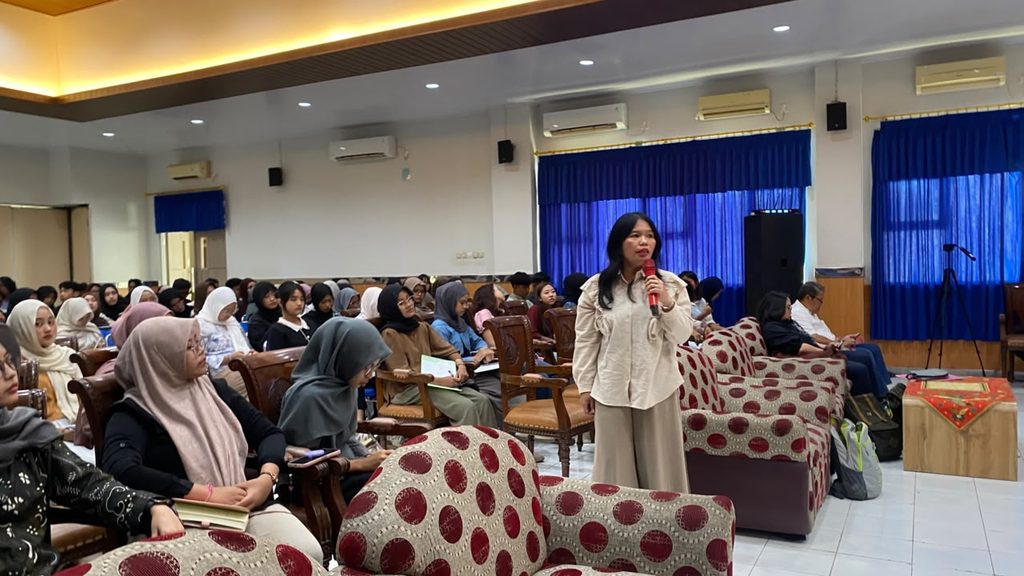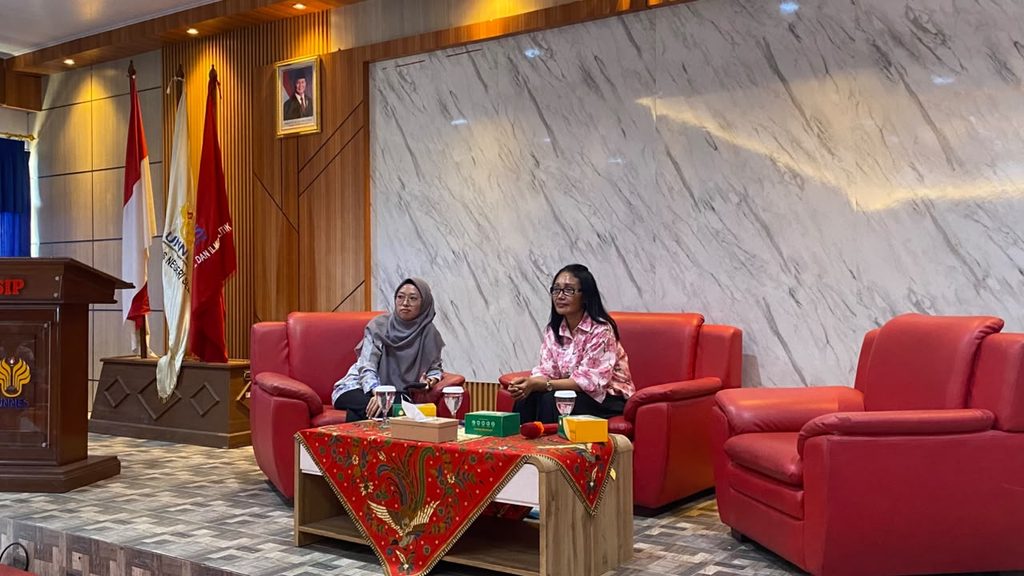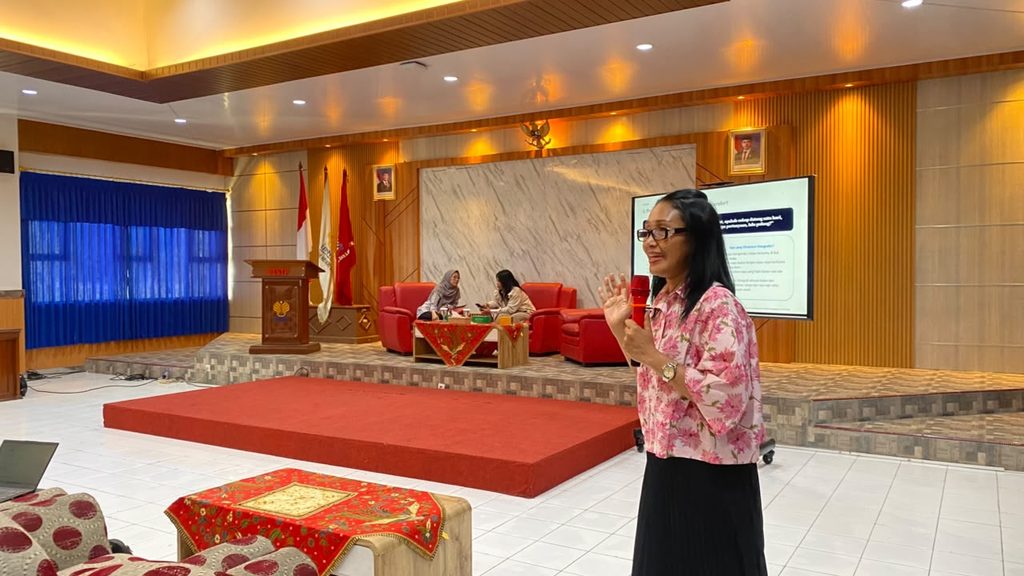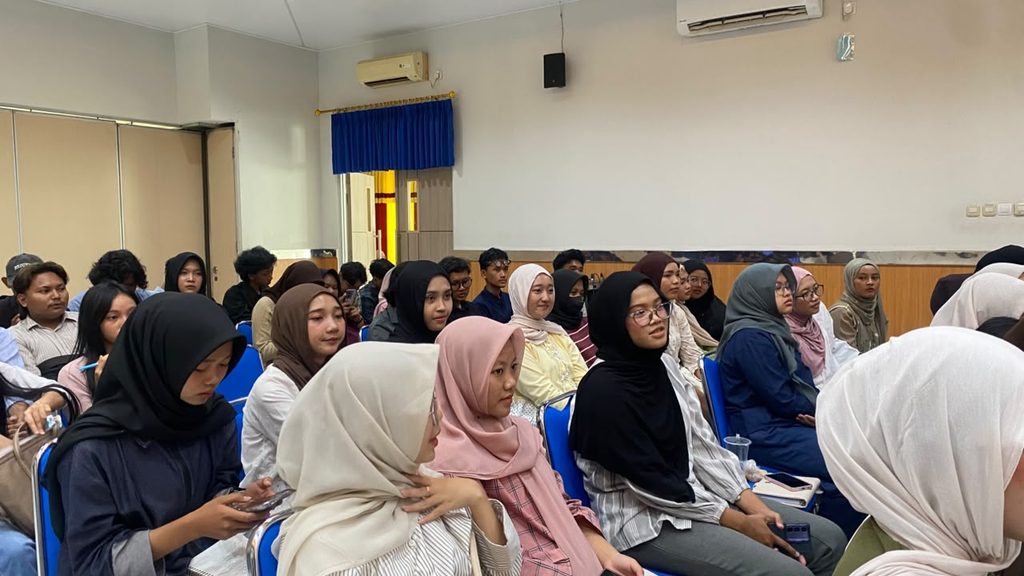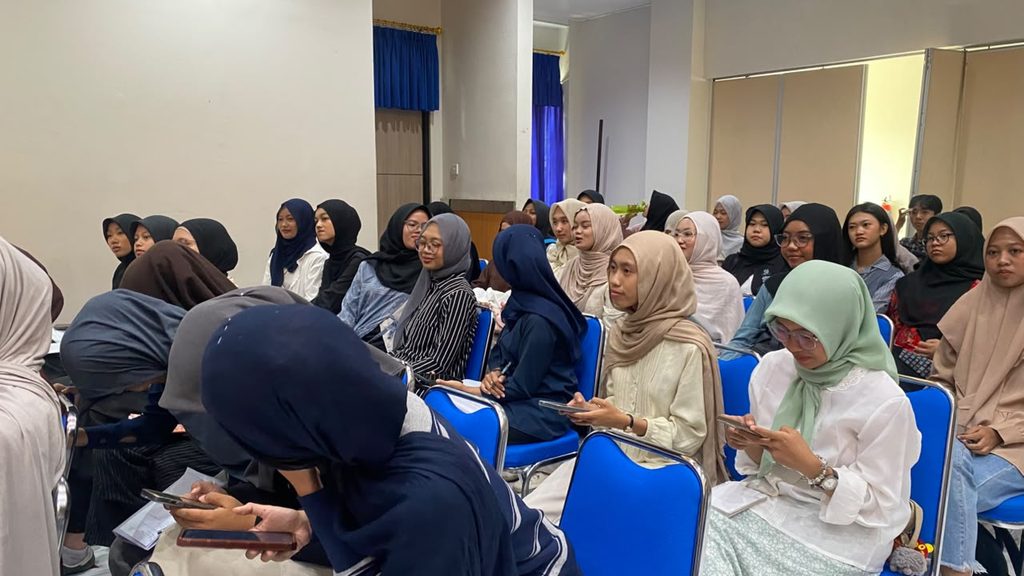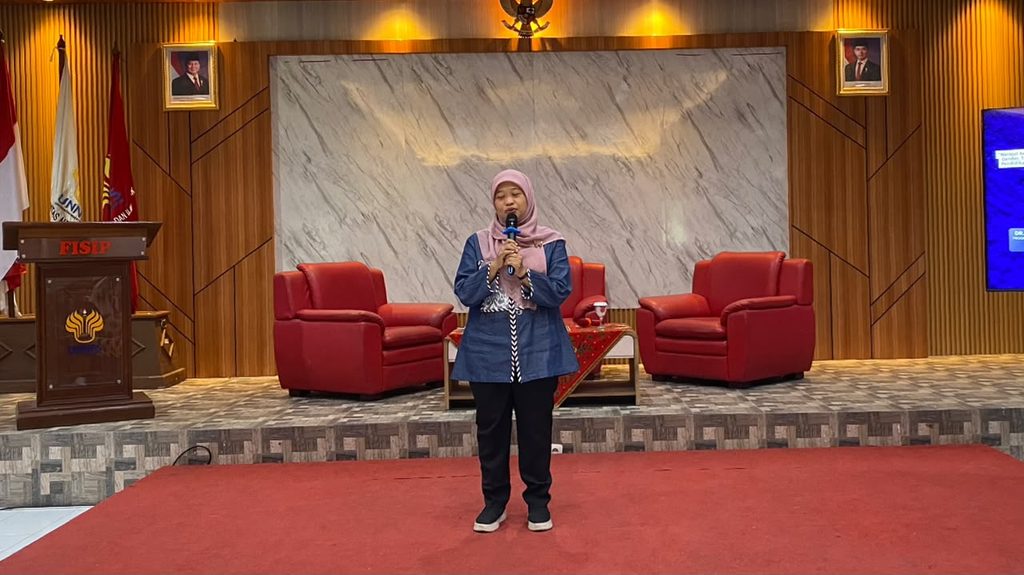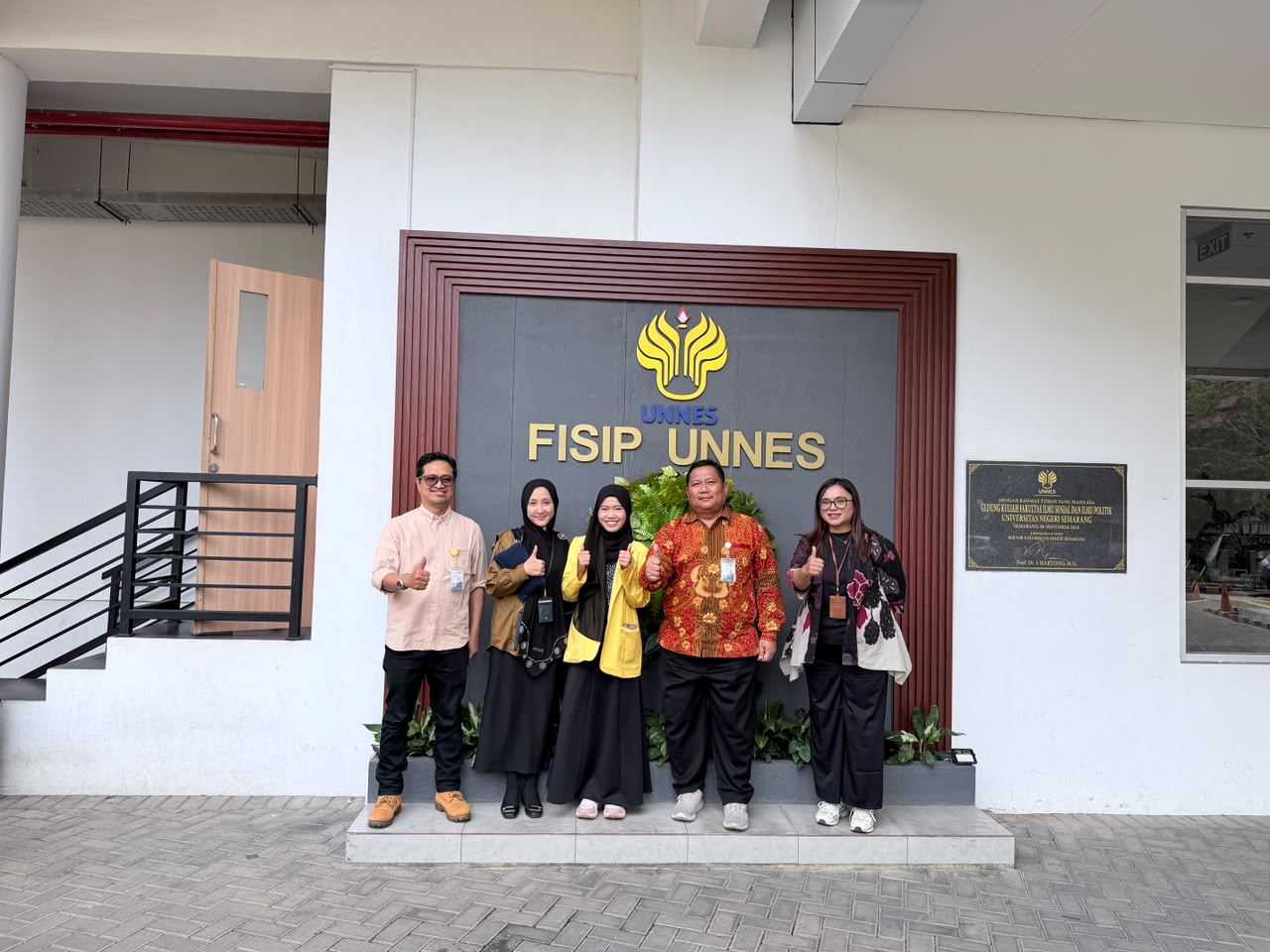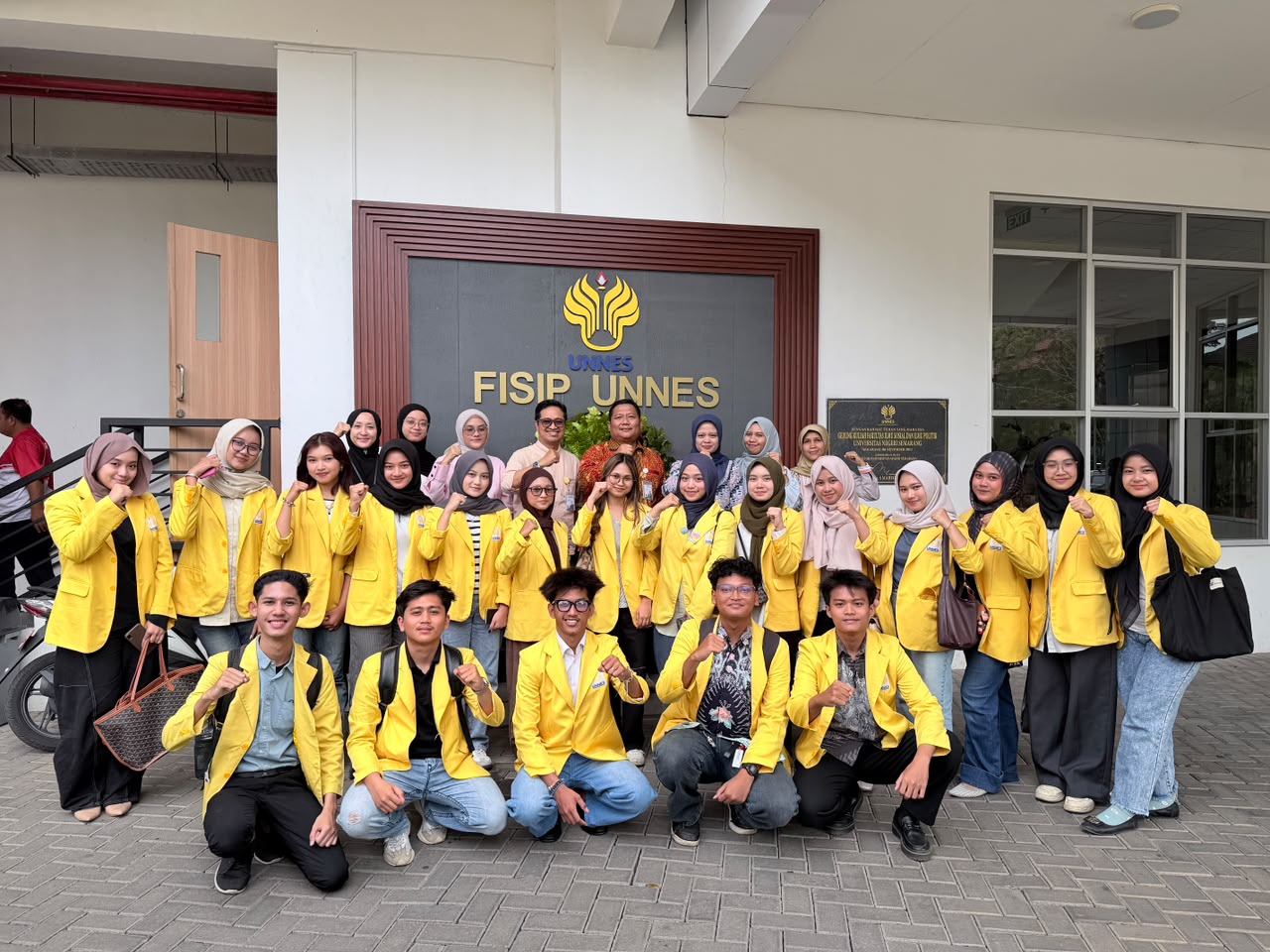


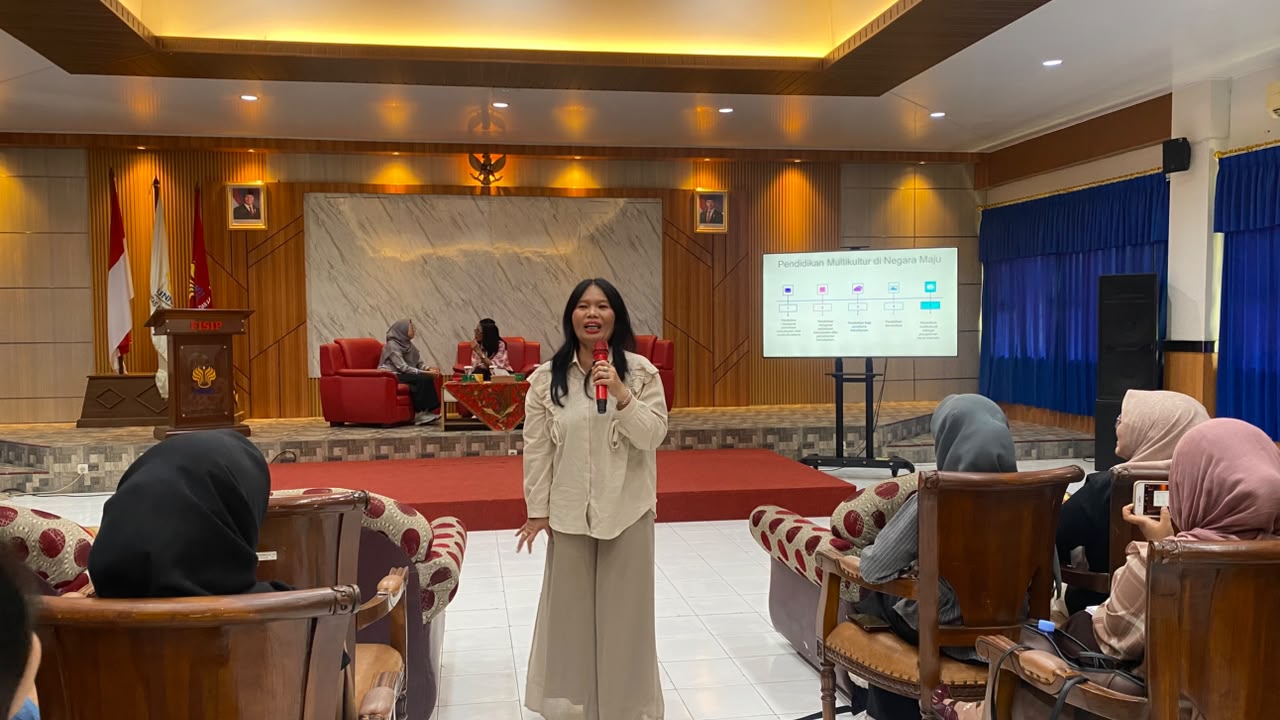
Semarang — Understanding diversity requires more than simply recognizing differences in identity. It also requires the ability to understand how those differences exist, are negotiated, and are given meaning in everyday life. This perspective was one of the main themes discussed during the Studium Generale entitled “Students and the Challenges of Diversity,” organized by the Faculty of Social and Political Sciences (FISIP), Universitas Negeri Semarang (UNNES), on Friday, September 25, 2026, at the C1 Hall, third floor, FISIP UNNES. The event was held from 8:30 a.m. to 11:00 a.m. Western Indonesian Time (WIB) and was mandatory for students from the 2026 cohort, or first-semester students.
The Studium Generale featured two academics as speakers: Dr. Sri Alem Br. Sembiring, M.Si., from the Social Anthropology Study Program, Faculty of Social and Political Sciences, Universitas Sumatera Utara (USU), and Dr. Rosramadhana, M.Si., from the Anthropology Education Study Program, Faculty of Social Sciences, Universitas Negeri Medan (UNIMED). The two speakers discussed diversity from the perspectives of anthropology, multicultural education, gender, technology, and the development of education amid social and technological change.
In the first session, Dr. Sri Alem Br. Sembiring delivered a presentation entitled “Becoming an Ethnographer: Learning to See the World Up Close.” She introduced students to ethnography as a way of studying social life by being present and engaging closely with communities. According to the material presented, understanding a society cannot be achieved solely through questions or questionnaires. An ethnographer needs to observe everyday life, interact with people, participate in community activities, and pay attention to various aspects that may not emerge in formal responses.
From this perspective, ethnography is positioned as a process of understanding social life through close engagement with communities. Students were introduced to the importance of direct experience, observation, interaction, analysis, and the ability to write findings in a reflective and argumentative manner. The session also emphasized that multicultural societies should not be understood merely through the label “diverse,” but by examining how identities, social relations, cooperation, marriage, and boundaries between “insiders” and “outsiders” are formed and negotiated.
Students were also introduced to the importance of participant observation, or the process of “observing by taking part in the experience.” In this approach, researchers move through a cycle of seeing, participating, experiencing, talking, taking notes, recording, reflecting, and then returning to observation. The material emphasized that what people say is not always identical to what they do, and that differences between words and actions can become an important part of ethnographic analysis.
Another important aspect emphasized during the session was the idea that silence can also be data. When informants do not disclose all information, this condition should not automatically be viewed as an absence of data. Silence can provide clues about social relationships, norms, interests, confidentiality, and power relations within a community. Students were therefore encouraged to examine social realities more critically rather than stopping at information that appears on the surface.
In the following session, Dr. Rosramadhana, M.Si., presented “Weaving Diversity in Medan: Gender, Technology, and the Future of Education in the Era of Transhumanism.” The presentation invited students to examine the connections among multicultural education, social diversity, gender, technological development, and the challenges of globalization. She placed particular emphasis on a fundamental question about how education shapes human beings as technology continues to advance.
In her presentation, multicultural education was defined as education that includes all learners without discrimination based on gender, ethnicity, race, culture, social class, or religion. This perspective is particularly important in societies characterized by diverse identities and social experiences. The city of Medan, for example, was presented as a social space characterized by diversity in ethnicity, religion, language, culture, gender, social class, and educational experience. These conditions have direct implications for educational practices because students enter the classroom with different backgrounds and different forms of social capital.
The presentation also gave particular attention to gender as part of diversity. The discussion went beyond biological differences between men and women and examined how families, culture, religion, education, media, and social environments shape expectations concerning gender roles. In educational settings, this can be seen in who is given opportunities to become a leader, who is entrusted with particular responsibilities, how tasks are distributed, and how technology and digital media represent women and men.
Rosramadhana further emphasized that gender diversity needs to be examined in terms of access, voice, authority, opportunities, and the ability to shape the future amid technological change. Therefore, multicultural education is seen as having a strategic role as a space for cultivating tolerance and inclusiveness toward the reality of diverse societies.
In relation to curriculum development, the Studium Generale materials showed that multicultural education can include issues such as tolerance, ethnocultural and religious differences, the dangers of discrimination, conflict resolution and mediation, human rights, democracy, plurality, multiculturalism, and universal humanity. The curriculum can also use culture as a learning resource and connect the educational process with students’ social and cultural environments.
The series of sessions provided first-semester students with an important foundation for viewing diversity as a social reality that needs to be understood critically, rather than merely recognized as a difference in identity. Students were also encouraged to develop sensitivity, reflexivity, observational skills, analytical imagination, and ethical responsibility when studying social life. The ethnographic material positioned informants as human beings whose lives may be affected by the publication of research, making researcher positionality, protection, and ethics important components of the academic process.
The “Students and the Challenges of Diversity” Studium Generale also brought together academic perspectives from different higher education institutions to enrich the learning experience of FISIP UNNES students. Through discussions on multicultural life, education, gender, and technology, students gained an opportunity to understand that the challenges of diversity are not confined to contemporary social life, but will continue to evolve alongside technological developments and transformations in education.
The activity is aligned with the achievement of the Sustainable Development Goals (SDGs), particularly SDG 4: Quality Education, through the strengthening of critical, inclusive, and contextual learning; SDG 5: Gender Equality, through discussions of stereotypes, access, opportunities, and authority related to gender; and SDG 10: Reduced Inequalities, through strengthening understanding of diversity, tolerance, and efforts to prevent discrimination. The multicultural education perspective, which promotes tolerance and inclusiveness, also contributes to building a more equal and harmonious social environment.
The messages delivered by the two speakers ultimately converged on one important idea: amid increasingly diverse societies and increasingly intelligent technologies, education must continue to place human beings at its center. As expressed in Rosramadhana’s concluding message, “Technology may become increasingly intelligent, but education must remain increasingly humane.”