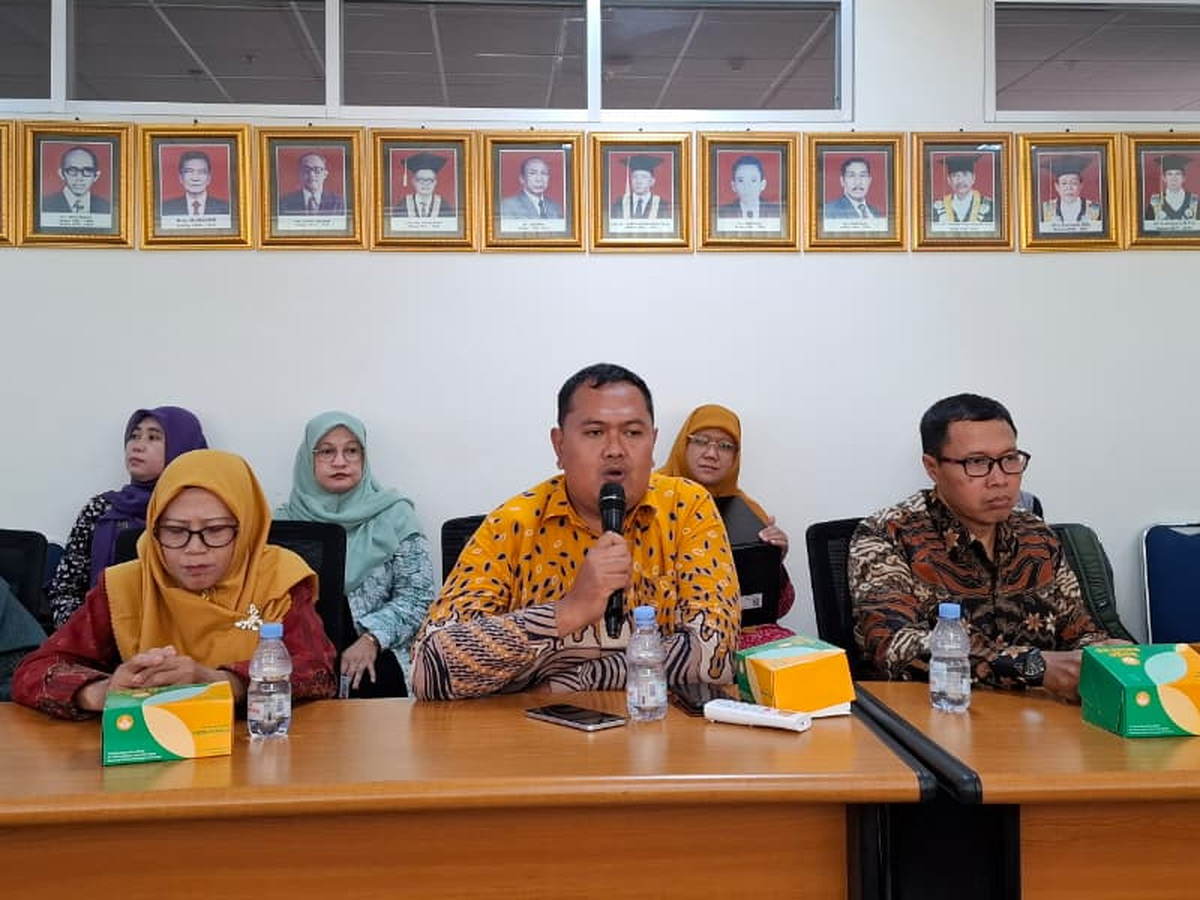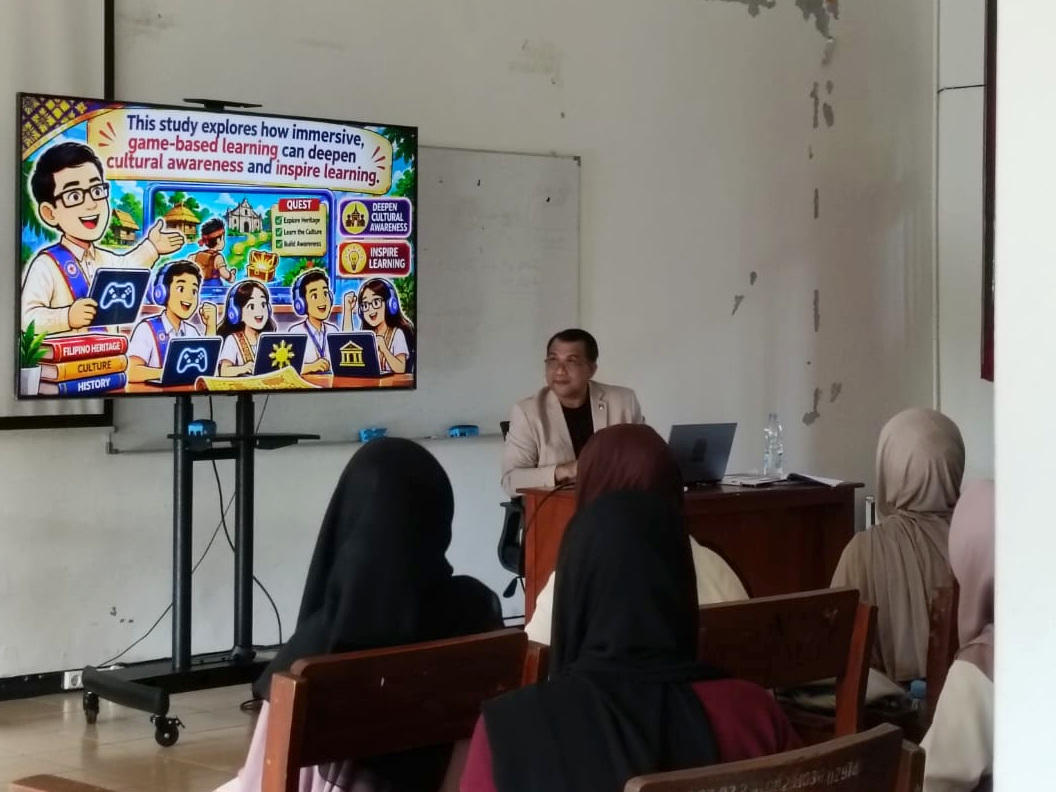




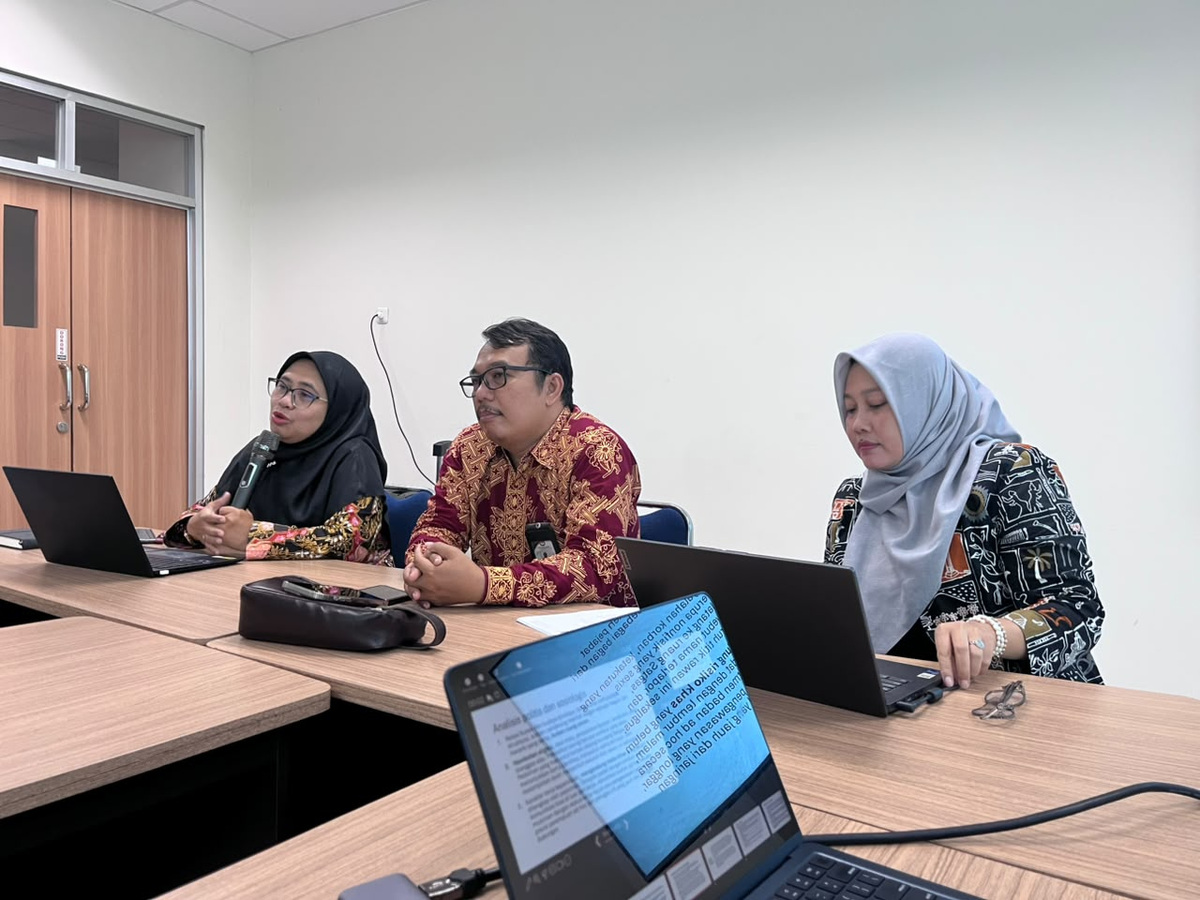
The Semarang City General Elections Commission (KPU) gathered input from 32 lecturers of the Faculty of Social and Political Sciences (FISIP), Universitas Negeri Semarang (UNNES), to review KPU Decision No. 1341 of 2024 concerning the Prevention and Handling of Sexual Violence within the KPU, Provincial KPUs, and Regency/Municipal KPUs. Strengthening victim protection, ensuring the independence of task forces, expanding protection coverage, and improving access to reporting mechanisms were among the key issues discussed during a Focus Group Discussion (FGD) organized by the Semarang City KPU and facilitated by FISIP UNNES on Thursday (November 12, 2026).
Held in Room 307 of the Prof. Dr. A.T. Soegito Building at FISIP UNNES, the discussion brought together lecturers from various academic backgrounds to provide critical assessments and policy recommendations. Drawing on social, political, and legal perspectives, participants examined the effectiveness of existing regulations and the challenges of implementing sexual violence prevention measures within electoral institutions.
Semarang City KPU Commissioner Dr. Novi Maria Ulfah, M.S.I., presented the main provisions of KPU Decision No. 1341 of 2024 as the basis for discussion. Adopted on September 19, 2024, the decision establishes internal guidelines for preventing and addressing sexual violence within electoral institutions. Its provisions cover the establishment of task forces, preventive education and awareness campaigns, reporting procedures, complaint handling, and protection for victims, witnesses, and complainants.
During the discussion, FISIP UNNES lecturer Dr. Sos. Puji Lestari, M.Si., highlighted several institutional and sociological challenges that could hinder the effective implementation of the guidelines. One major concern involved power imbalances within bureaucratic structures, which may discourage victims from reporting sexual violence.
The involvement of structural officials in sexual violence prevention task forces was identified as an issue requiring further consideration. According to the analysis presented, victims may perceive such task forces as part of the same organizational hierarchy in which the alleged misconduct occurred, potentially undermining confidence in the reporting and handling process.
Participants also emphasized the importance of addressing social stigma, confidentiality concerns, and the risks of intimidation or retaliation. These challenges may be particularly significant in smaller electoral offices, where close professional relationships can make it difficult to maintain anonymity and protect complainants.
Another major issue concerned the distinctive working conditions of election organizers. Demanding electoral schedules, late-night assignments, communication outside regular working hours, and the involvement of temporary election personnel may create vulnerabilities that require specific preventive measures.
In this context, the lecturers discussed the need to ensure adequate protection for temporary election bodies, including District Election Committees (PPK), Voting Committees (PPS), and Polling Station Working Committees (KPPS). Differences in employment arrangements and institutional status should be considered when developing accessible reporting and protection mechanisms for individuals involved in election administration.
The discussion further highlighted the importance of strengthening victim-centered support and recovery services. Participants emphasized that protecting victims should extend beyond maintaining confidentiality and providing information about their rights. Comprehensive responses should also consider psychological assistance, legal support, healthcare services, and cooperation with institutions responsible for protecting victims of violence.
From a legal and institutional perspective, participants examined the possibility of strengthening the regulatory framework by incorporating the guidelines into a formal KPU Regulation (PKPU). This proposal was discussed in connection with expanding the scope of protection, reinforcing the independence of task forces, establishing clearer sanctions and follow-up procedures, and developing effective monitoring and evaluation mechanisms.
Such improvements were considered important to ensure that sexual violence complaints are not addressed solely through administrative recommendations but are supported by clearer institutional responsibilities and appropriate victim protection measures.