
Oral History in the Digital Era

Digital technology has opened new opportunities for the development of oral history. Interviews, traditionally a central method in oral history research, can now be developed through podcasts, videos, digital archives, and other digital platforms.

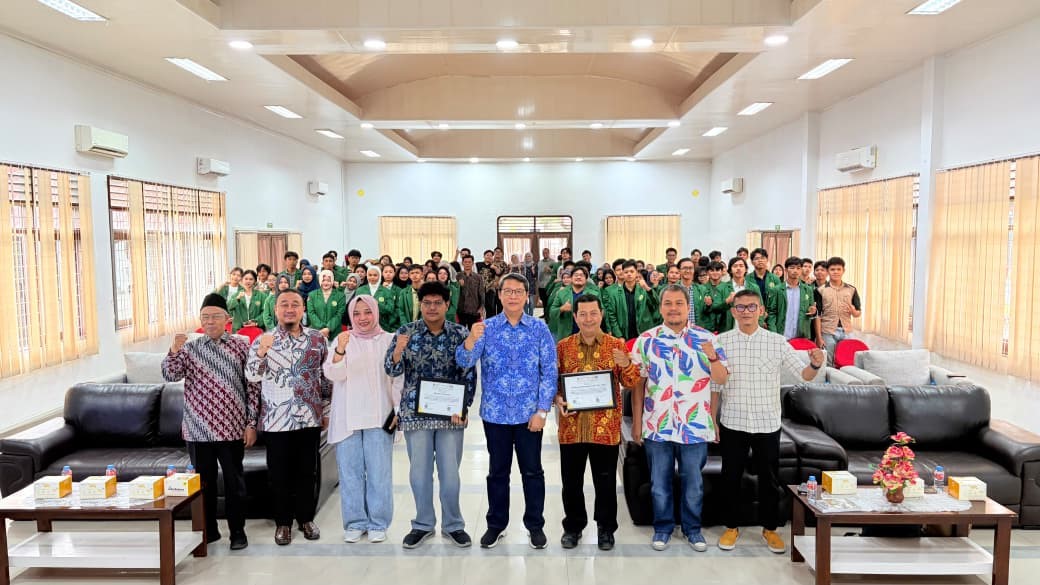
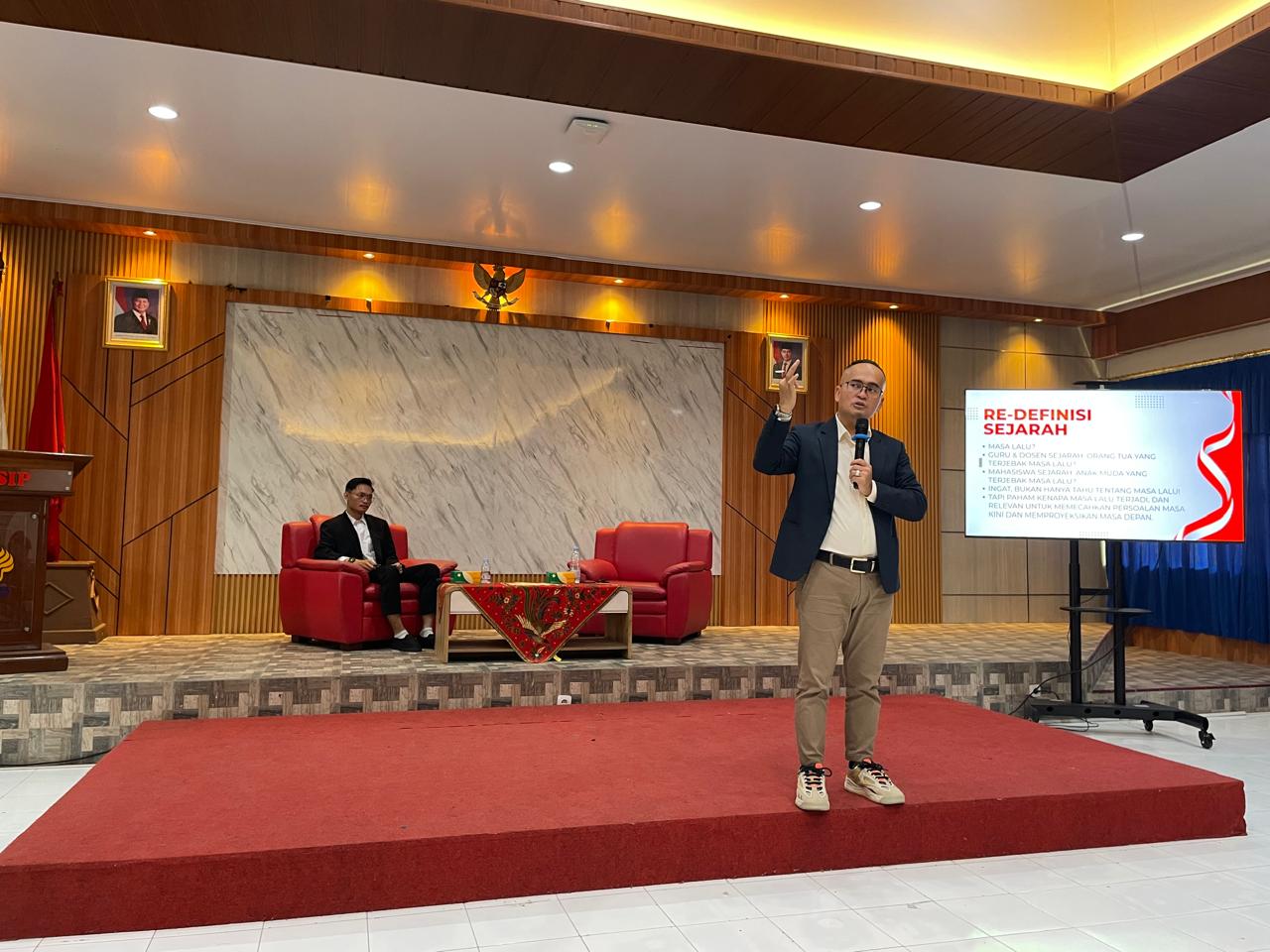
This was highlighted by Mukhamad Shokheh, Ph.D., Coordinator of the History and Master of Historical Studies Programs at the Faculty of Social and Political Sciences, Universitas Negeri Semarang (UNNES), during a public lecture titled “Oral History in the Digital Era” held by the Undergraduate History Study Program, Faculty of Cultural Sciences, Universitas Sumatera Utara (USU), on Friday (September 18, 2026).

The lecture was held from 9 a.m. to 11 a.m. at the USU Faculty of Cultural Sciences Multipurpose Building and was attended by students of the Undergraduate History Study Program.

In his presentation, Shokheh explained that digital technology does not make oral history less relevant. Instead, technological developments have created new possibilities for recording, processing, preserving, and sharing people’s memories as historical sources.

“Oral history in the digital era does not disappear. It develops through various digital media and platforms,” Shokheh said.

He emphasized that oral history should not be understood merely as the process of recording interviews. It involves collecting, examining, processing, and preserving memories as historical sources.

Digital technology has also enabled oral history materials to be transformed into a variety of historical products, including podcasts, videos, documentaries, digital archives, and virtual exhibitions. These forms can help make historical sources and narratives more accessible to wider audiences.

Shokheh also discussed the potential use of artificial intelligence (AI) in oral history research, particularly for transcription and data management. However, he stressed that technological tools should be accompanied by critical evaluation and historical analysis.

Students, he said, have an important role in developing digital oral history practices. Their work can include conducting interviews in communities, processing and authenticating transcripts, curating historical materials, and transforming research findings into podcasts, documentaries, virtual exhibitions, and other forms of digital historical narratives.

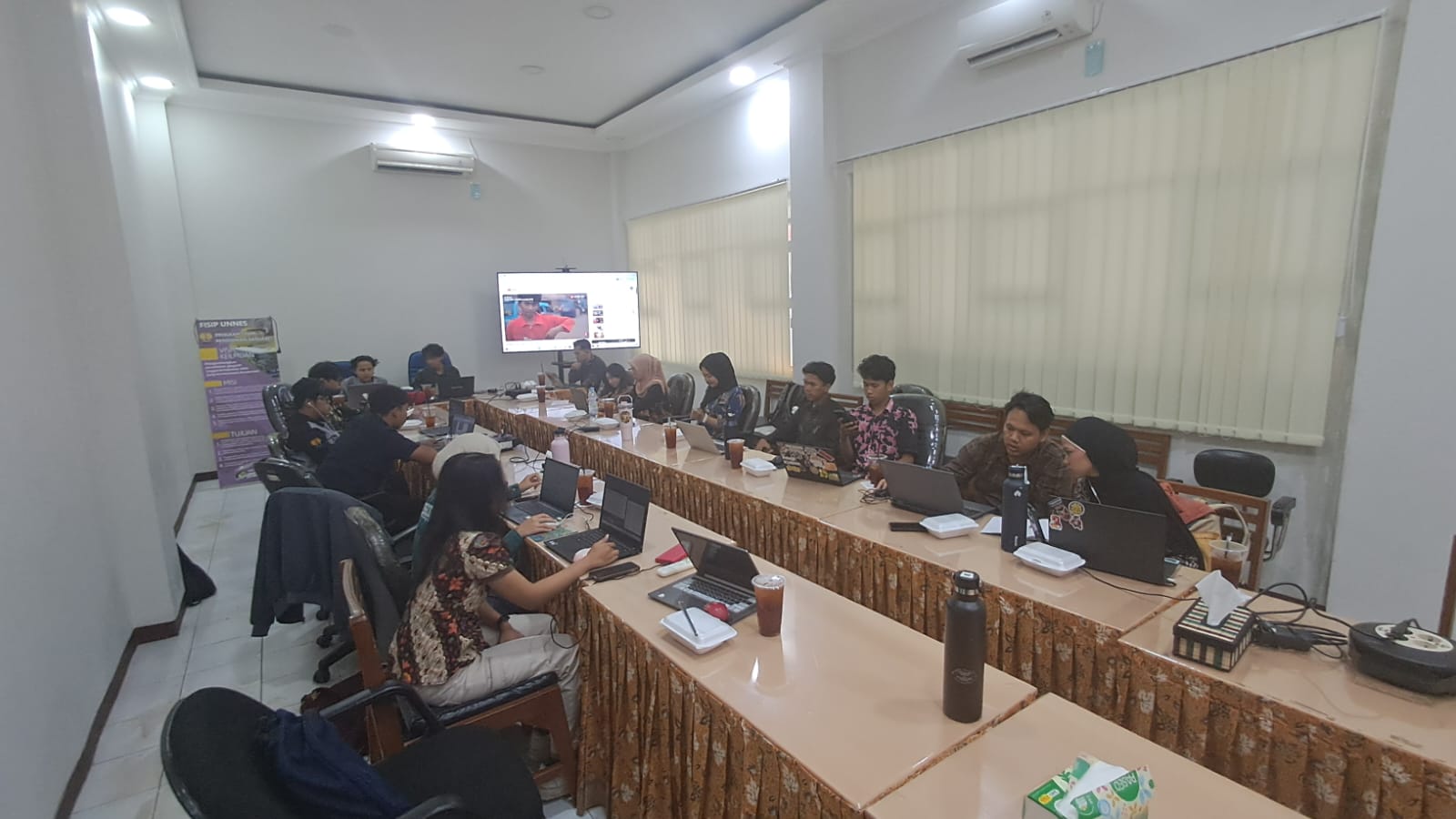
The participants actively engaged in the discussion through questions and responses. Syifa, a History student at FIB USU, highlighted the importance of maintaining a critical approach when using digital platforms and artificial intelligence in historical research and learning.

The event also strengthened institutional cooperation between USU and UNNES. The cooperation was marked by the signing of a Memorandum of Agreement (MoA) between the Faculty of Cultural Sciences of USU and the Faculty of Social and Political Sciences of UNNES.

The partnership was further strengthened through Implementation Arrangements (IA) between the Undergraduate History Study Program at FIB USU and the History Study Program at FISIP UNNES, as well as between the Master of History Study Program at FIB USU and the Master of Historical Studies Program at FISIP UNNES.

The collaboration provides opportunities for further academic cooperation in education, research, and the development of institutional networks.

The public lecture contributed to Sustainable Development Goal (SDG) 4, Quality Education, by strengthening learning, digital literacy, and students’ research skills. It also supported SDG 17, Partnerships for the Goals, through the development of academic collaboration between higher education institutions.
Related Posts

Leave a Reply

* Kode Akses Komentar:

* Tuliskan kode akses komentar diatas:

GDPR

  • Privacy Policy

Privacy Policy

At unnes.ac.id, the privacy of our visitors is of extreme importance to us. This privacy policy document outlines the types of personal information that is received and collected by unnes.ac.id and how it is used.

Log Files

Like many other Web sites, unnes.ac.id makes use of log files. The information inside the log files includes internet protocol (IP) addresses, type of browser, Internet Service Provider (ISP), date/time stamp, referring/exit pages, and number of clicks to analyze trends, administer the site, track user’s movement around the site, and gather demographic information. IP addresses and other such information are not linked to any information that is personally identifiable.

Cookies

unnes.ac.id uses cookies to store information about visitors’ preferences, to record user-specific information on which pages the site visitor accesses or visits, and to personalize or customize our web page content based upon visitors’ browser type or other information that the visitor sends via their browser.

Third-party ad servers or ad networks use technology in their respective advertisements and links that appear on unnes.ac.id and which are sent directly to your browser. They automatically receive your IP address when this occurs. Other technologies (such as cookies, JavaScript, or Web Beacons) may also be used by our site’s third-party ad networks to measure the effectiveness of their advertising campaigns and/or to personalize the advertising content that you see on the site.

unnes.ac.id has no access to or control over these cookies that are used by third-party advertisers.

You should consult the respective privacy policies of these third-party ad servers for more detailed information on their practices as well as for instructions about how to opt-out of certain practices. unnes.ac.id’s privacy policy does not apply to, and we cannot control the activities of, such other advertisers or web sites.

If you wish to disable cookies, you may do so through your individual browser options. More detailed information about cookie management with specific web browsers can be found at the browsers’ respective websites.

Consent

By using our website, you hereby consent to our privacy policy and agree to its terms.

Update

This Privacy Policy was last updated on: 2023-02-14. Should we update, amend or make any changes to our privacy policy, those changes will be posted here.

Contact Us

If you have any questions, comments, or concerns about our Privacy Policy or our practices with regards to your personal information, please feel free to contact us through the contact form on our website or by emailing us at humas[at]mail.unnes.ac.id.

This Privacy Policy is intended as a general guide to our practices in collecting and using information. If there is any inconsistency between this Privacy Policy and the terms of the Service Agreement or any other terms that may apply to specific services you use, then those specific service terms shall apply.

Terms of Use

By using our website, you agree to abide by this Privacy Policy. If you do not agree with this Privacy Policy, please do not use our website. We reserve the right to update this Privacy Policy from time to time without prior notice. Please review our Privacy Policy periodically to check for changes. Your continued use of our website following the posting of changes to this Privacy Policy means that you accept the changes.

Thank you for reading our Privacy Policy. We are committed to protecting the privacy of our website visitors and will continue to update our Privacy Policy to ensure optimal protection.