

Entering the workplace requires more than professional competence. Graduates also need to understand workplace rules, recognize risks, document incidents, and know what to do when they face accidents, violence, harassment, conflicts, or legal problems.
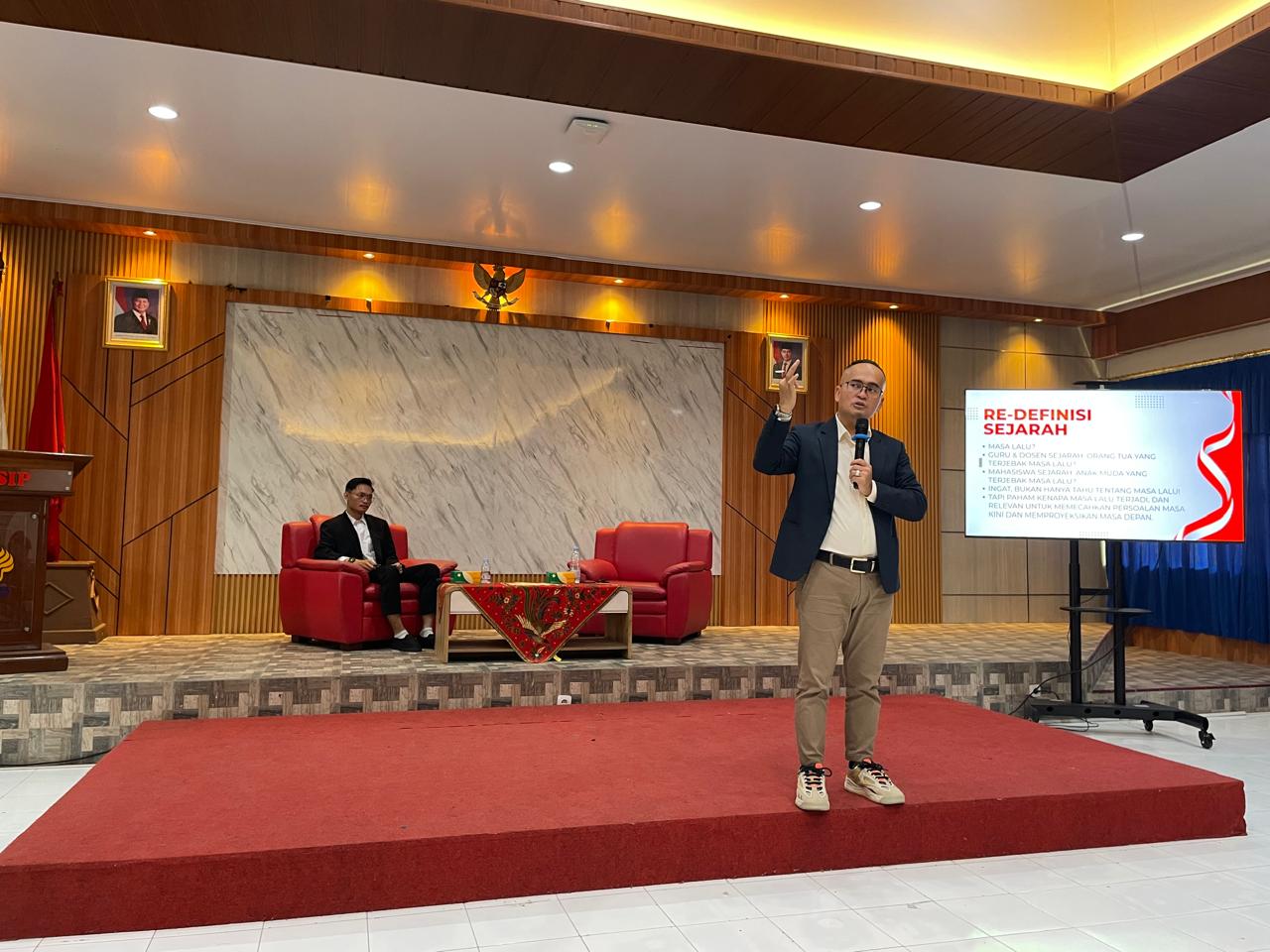
These issues were discussed during a briefing titled “Ready to Work, Safe at Work, Safe in Law: Handling Workplace Violence from a Forensic and Medico-Legal Perspective” for graduates of the Faculty of Social and Political Sciences (FISIP), Universitas Negeri Semarang (UNNES).
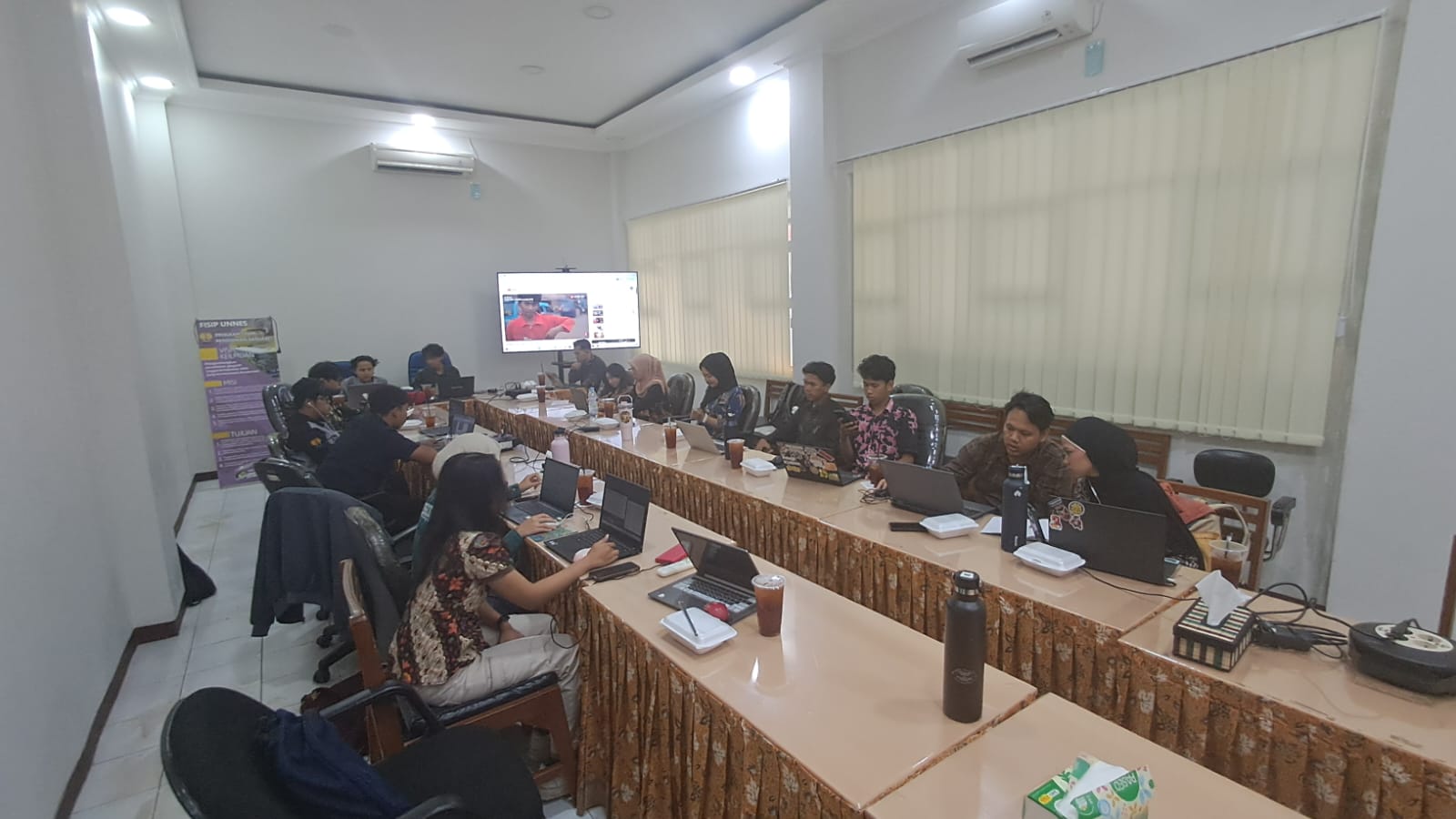
The event was held at the C1 Building Hall, FISIP UNNES, Sekaran, Gunungpati, Semarang, Central Java, on Friday (September 18, 2026). It was attended by 165 undergraduate graduates and five master’s graduates.
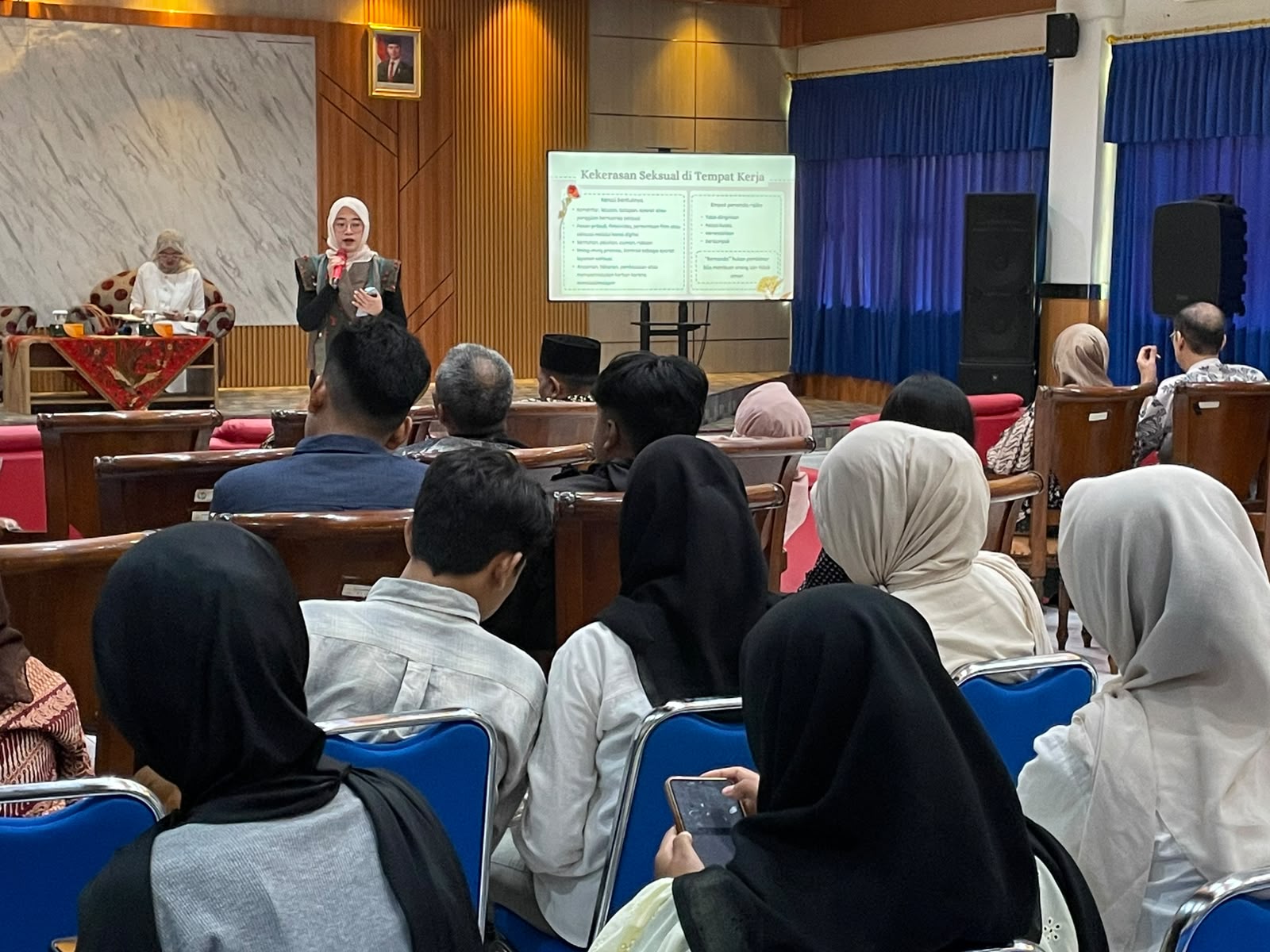
Forensic physician at RSD K.R.M.T. Wongsonegoro, dr. Hardhiati Iqra Pratiwi, Sp. FM, explained that a forensic and medico-legal perspective is useful not only after an incident occurs but also in preparing workers to recognize risks and respond appropriately.
According to Iqra, the workplace is a space involving communication, documents, responsibilities, and power relations. Every action at work can leave a record and may have ethical, administrative, civil, or criminal consequences.
Iqra outlined six steps that graduates can take to stay safe when entering the workplace.
First, understand the employment relationship. Before starting a job, workers should read and understand their employment status, working hours, overtime, leave, salary, benefits, BPJS, taxes, workplace facilities, confidentiality clauses, conflicts of interest, probation periods, performance evaluations, and procedures for reporting and termination.
“Do not start working based on ‘what people say’,” Iqra said.
Second, work according to competence and authority. Workers need to be able to learn quickly while also knowing when to ask questions. Integrity is equally important. Workers should not falsify information, hide mistakes, or hesitate to correct errors.
“Competence makes people trust you, while integrity makes that trust last,” the presentation stated.
Third, maintain professional communication. Before sending a work-related message, workers should ask whether the information is factual, whether it needs to be sent immediately, whether the recipient is appropriate, and whether it contains confidential information.
Sarcasm, threats, insults, and assumptions should also be avoided in professional communication.
Fourth, document incidents and preserve evidence. When a problem occurs, workers should record the chronology and time of the incident and preserve relevant evidence.
If a mistake occurs, Iqra’s material recommends acknowledging and reporting it, recording the incident, correcting its impact, and improving the work process.
“Mistakes can be corrected; manipulation damages trust,” the presentation stated.
Fifth, recognize violence, bullying, and abuse of power. Workplace violence may include threats, intimidation, insults, unwanted sexual comments or actions, abuse of position or seniority, social isolation, and physical violence.
Sexual violence can take various forms, including sexual comments or jokes, unwanted messages or requests through digital channels, unwanted touching, promises of promotion or contracts in exchange for sexual acts, as well as threats or retaliation against someone who refuses or reports the conduct.
The presentation identifies four risk indicators: the conduct is unwanted, involves a power relationship, is degrading, and has an impact on the victim. “Joking” does not justify behavior that makes another person feel unsafe.
Sixth, know what to do when an incident occurs. Iqra summarized the response in five practical stages: Stay Safe, Seek Medical Help, Document, Preserve Evidence, and Report.
Workers should first ensure their safety. If medical attention is needed, they should seek examination or treatment. The incident should then be documented, relevant evidence preserved, and the matter reported through an appropriate and safe reporting channel.
For incidents requiring forensic examination, Iqra also explained the procedure for requesting a Visum et Repertum (VeR). The process involves the victim or patient reporting to the police or investigator, followed by a formal request for a VeR, medical examination, and issuance of the VeR report.
The graduates were also introduced to the concept of a “near miss”—an incident that almost causes harm but does not. Examples include almost slipping on a floor, nearly being hit by a falling object, almost sending a confidential document to the wrong person, or nearly experiencing a threat or act of violence.
Reporting near misses can help organizations mitigate risks, improve their systems, and prevent similar incidents from happening again.
The discussion also addressed the popular expression “no viral, no justice,” which encourages people to publicize cases on social media to attract public attention.
Bagus Adji, a History student, asked about the tendency to make cases public through social media in order to obtain faster attention or resolution.
Iqra said that making an issue viral has both potential benefits and risks. Public attention may encourage an institution to respond to an issue more quickly. However, from a forensic perspective, the possible consequences for victims also need to be considered.
“In forensic work, we look at it from different perspectives,” Iqra said.
She gave the example of a victim of sexual violence whose identity or experience becomes exposed to the public. Such exposure may affect the victim’s education, school environment, and life after the case becomes public.
“I respect the victim and protect the victim,” Iqra said.
Meta Aulia Wibowo, a History Education student, said the briefing was useful because she had never worked in an office before and therefore had limited knowledge about workplace safety.
The briefing provided graduates with practical guidance for entering professional life, from understanding employment agreements and maintaining professional communication to recognizing violence, preserving evidence, and using appropriate reporting channels.
The session concluded with several practical reminders: read documents before signing them, write facts rather than assumptions, preserve original evidence and its context, report incidents through safe channels, and maintain integrity even when no one is watching.
The activity also supports Sustainable Development Goal (SDG) 8 on decent work and economic growth. Providing graduates with knowledge about workplace safety, protection from violence, and professional responsibility contributes to the development of safe and decent working environments.