



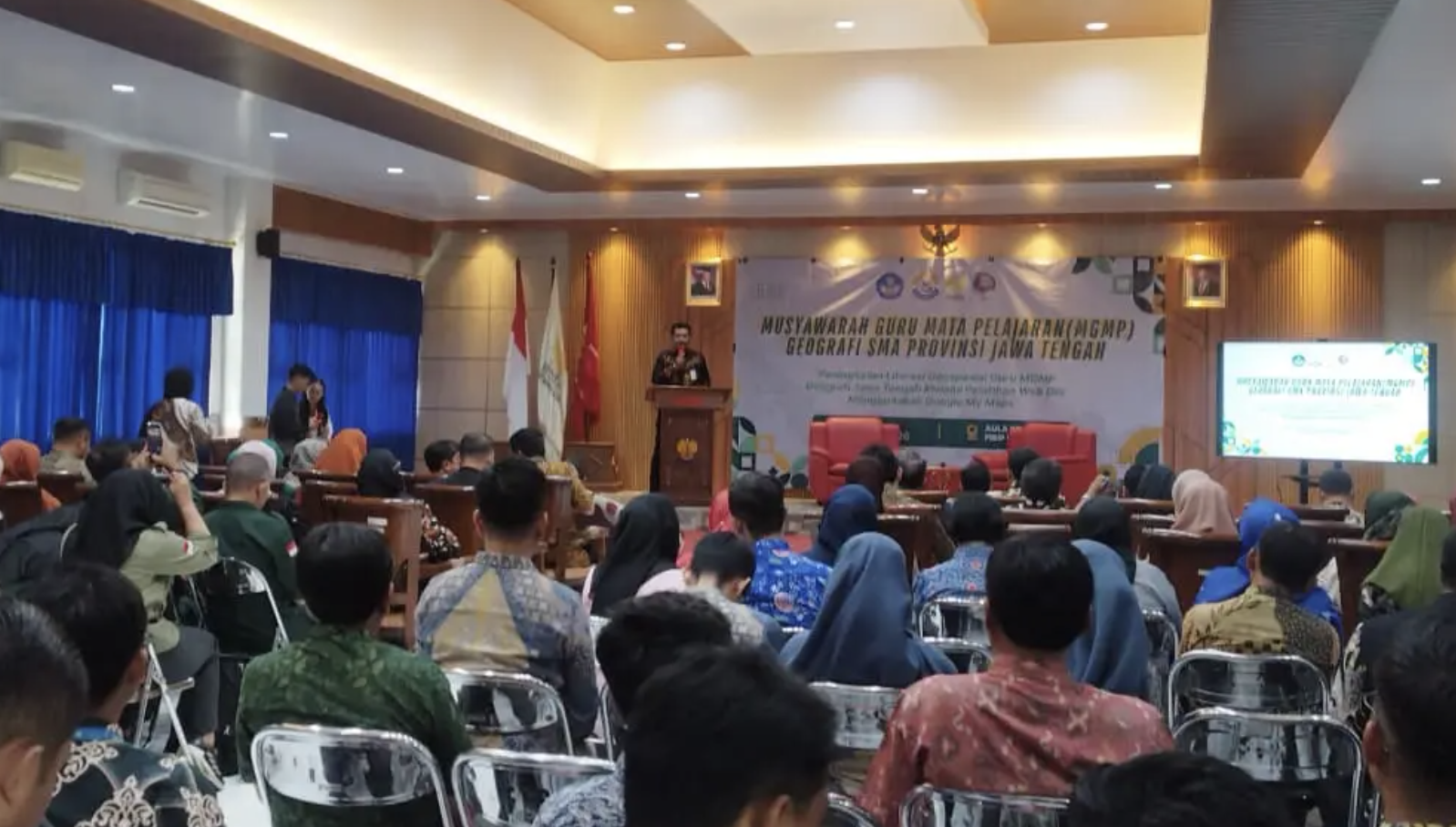
A lecturer from the Faculty of Social and Political Sciences (FISIP) at Universitas Negeri Semarang (UNNES), Dr. Andi Irwan Benardi, M.Pd., along with a research team, conducted a study to develop a metaverse-based earthquake disaster simulation learning model for high school students in the Kendeng Fault zone. This research initiative was carried out in partnership with the Central Java Senior High School Geography Subject Teachers’ Association (MGMP).
The research aims to analyze disaster learning needs and preparedness levels among high school students in the Kendeng Fault area; develop an interactive, immersive, and contextual metaverse-based earthquake simulation model; implement virtual simulations to train students in safe evacuation procedures; and evaluate the model’s effectiveness in improving students’ disaster preparedness knowledge, attitudes, and skills.
The research began with a needs analysis phase to map students’ baseline understanding of earthquake risks. Subsequent stages focused on designing and developing a virtual simulation environment incorporating earthquake scenarios, hazard recognition, mitigation actions, and evacuation procedures.
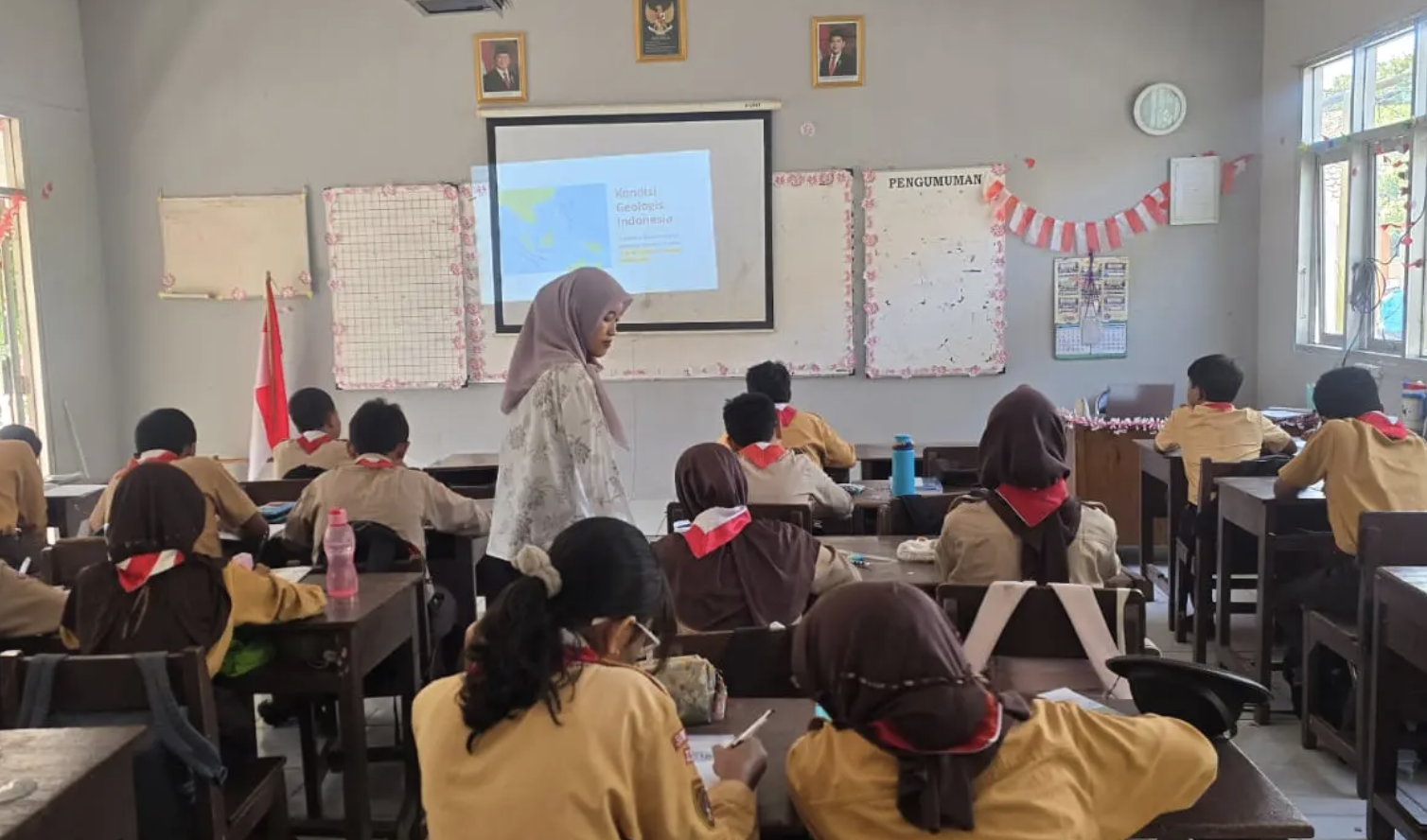
The designed learning model was then implemented in Geography classes through interactive simulation activities,allowing students to experience disaster emergency situations virtually. Following implementation, a comprehensive evaluation was conducted to measure learning outcomes and serve as the basis for refining digital disaster education media for broader adoption in schools.
Lead Researcher Dr. Andi Irwan Benardi, M.Pd., explained that the use of metaverse technology is designed to make disaster education more practical and impactful for students.
“This research stems from the need to deliver disaster education that is not merely theoretical, but provides real and meaningful learning experiences for students. Through metaverse technology, students can practice facing earthquake scenarios, recognize risks, make decisions, and carry out evacuations within a safe virtual environment. We hope this learning model strengthens students’ preparedness knowledge, attitudes, and skills, while cultivating a disaster-aware culture from school age. Technology is not just a learning tool, but a means to prepare young generations to be more resilient against future disaster risks,” said Dr. Andi Irwan Benardi, M.Pd.
Meanwhile, Chair of the Central Java High School Geography MGMP and teacher at SMA Negeri 6 Semarang, Jaenal,S.Pd., welcomed the introduction of the metaverse-based disaster simulation innovation.
“This innovation offers a fresh alternative in Geography instruction, particularly in disaster education, as students gain more interactive and engaging simulation experiences. As teachers, we see tremendous potential in such technology to enhance both students’ understanding and preparedness in facing earthquake disasters. We hope the findings of this research can be further developed and utilized by other schools, especially those located in disaster-prone areas,” stated Jaenal, S.Pd.
Through this research collaboration between FISIP UNNES and the Central Java High School Geography MGMP, digital technology-based disaster mitigation literacy is expected to expand further and foster a disaster-resilient young generation.