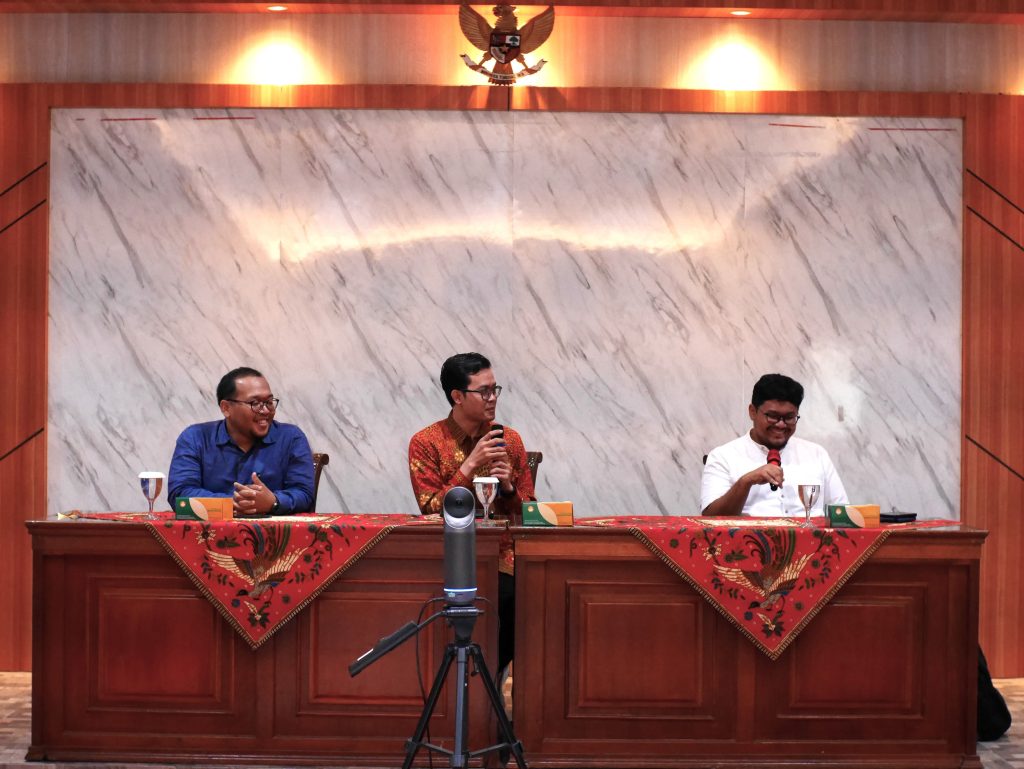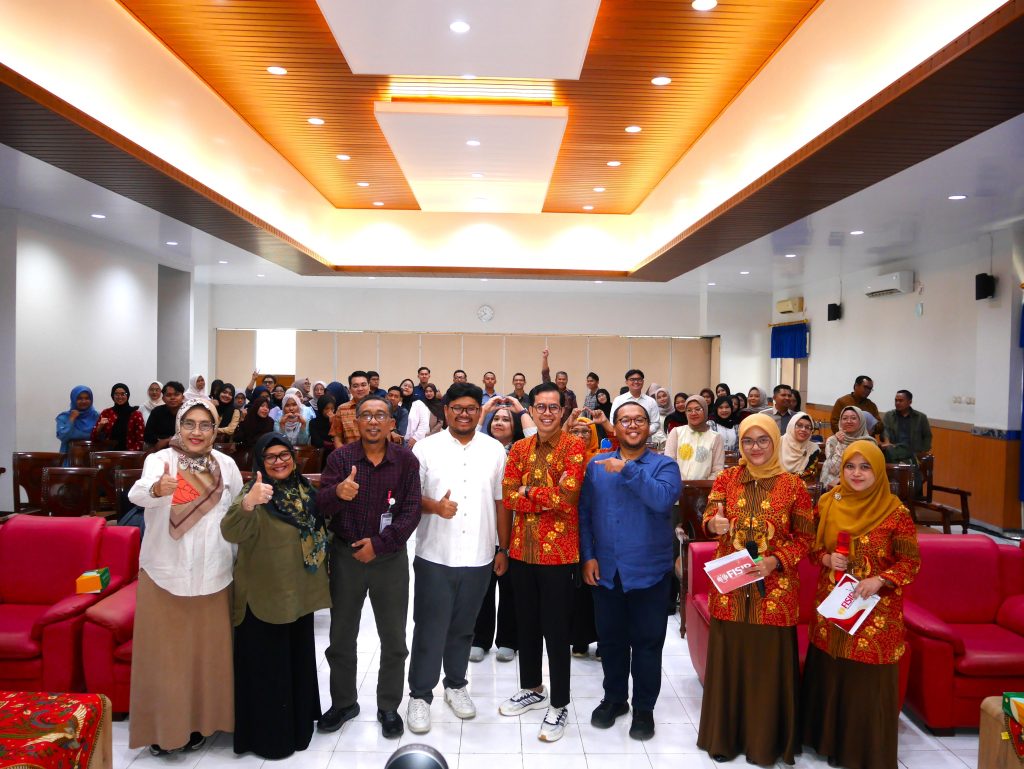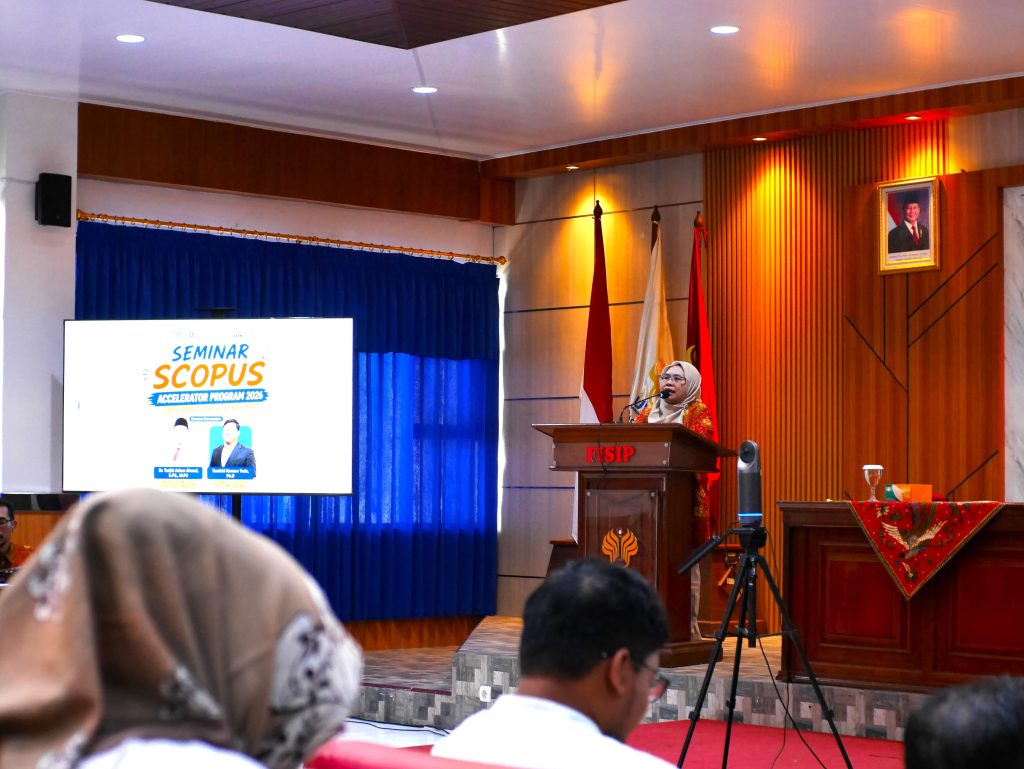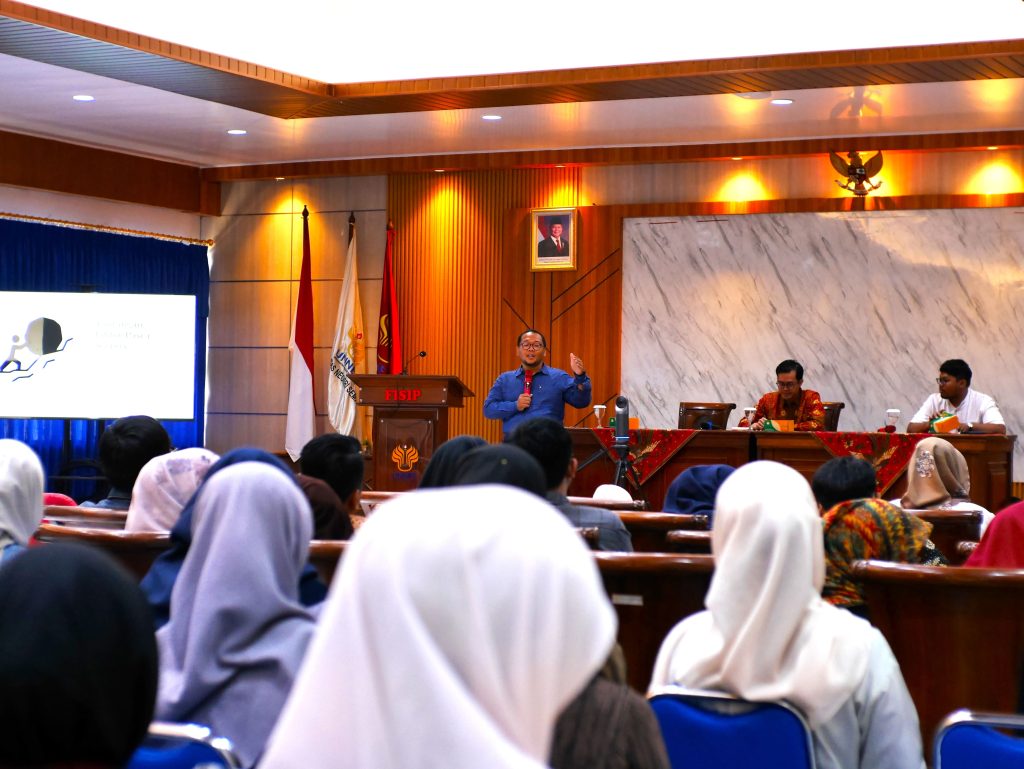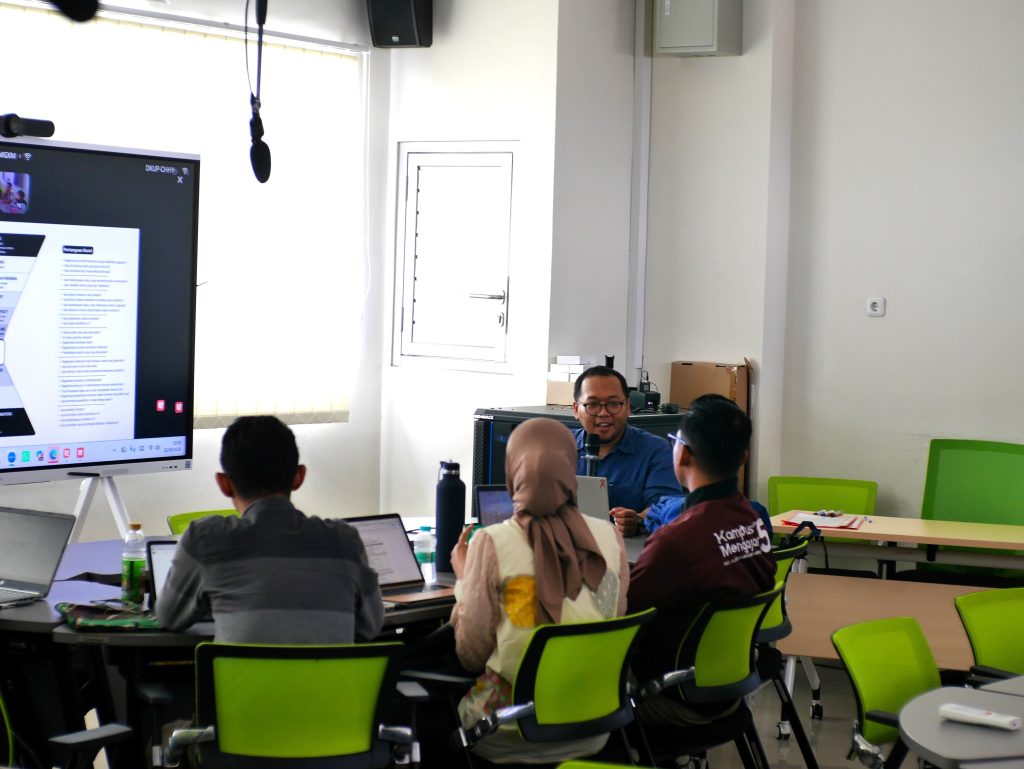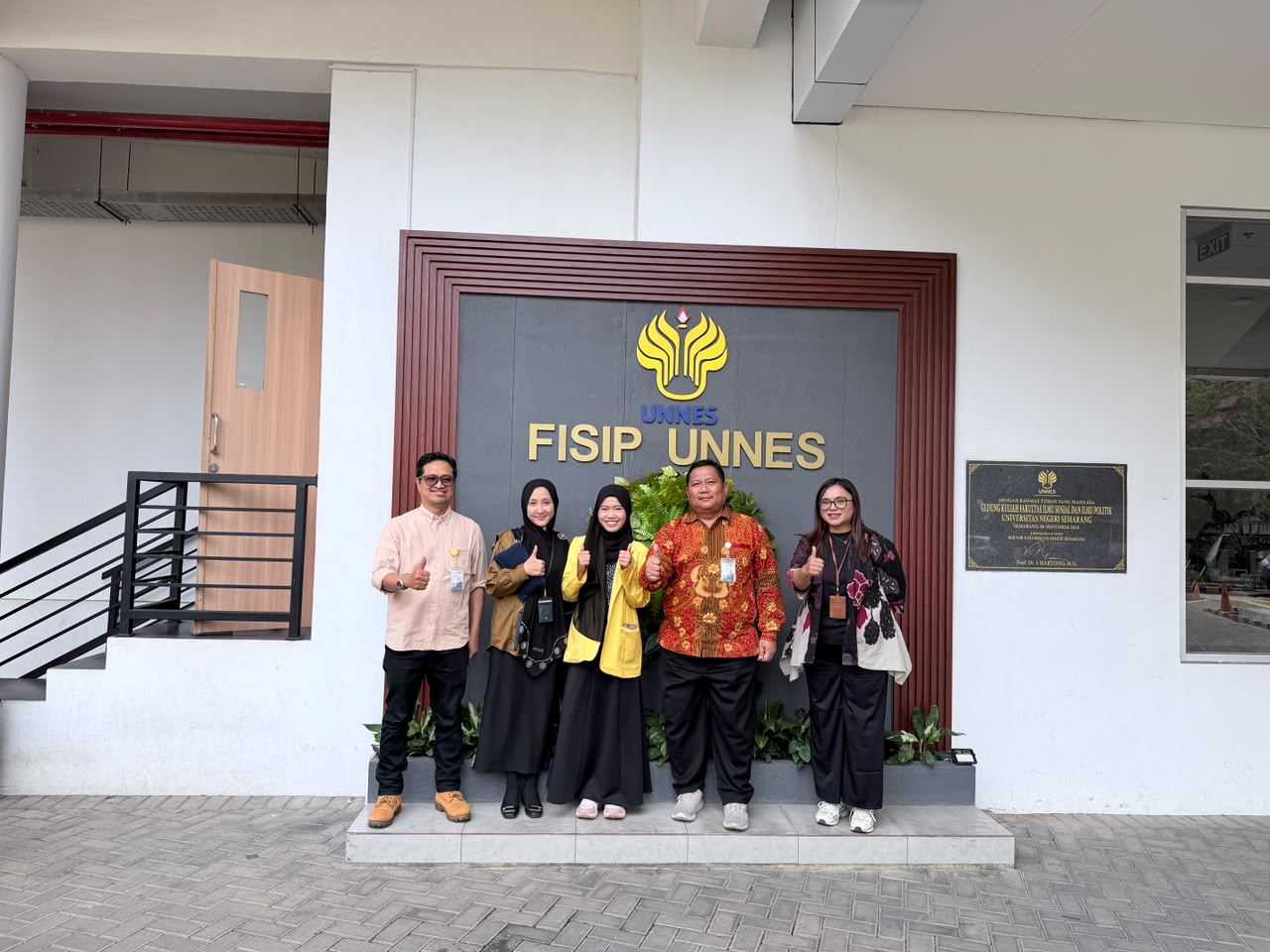


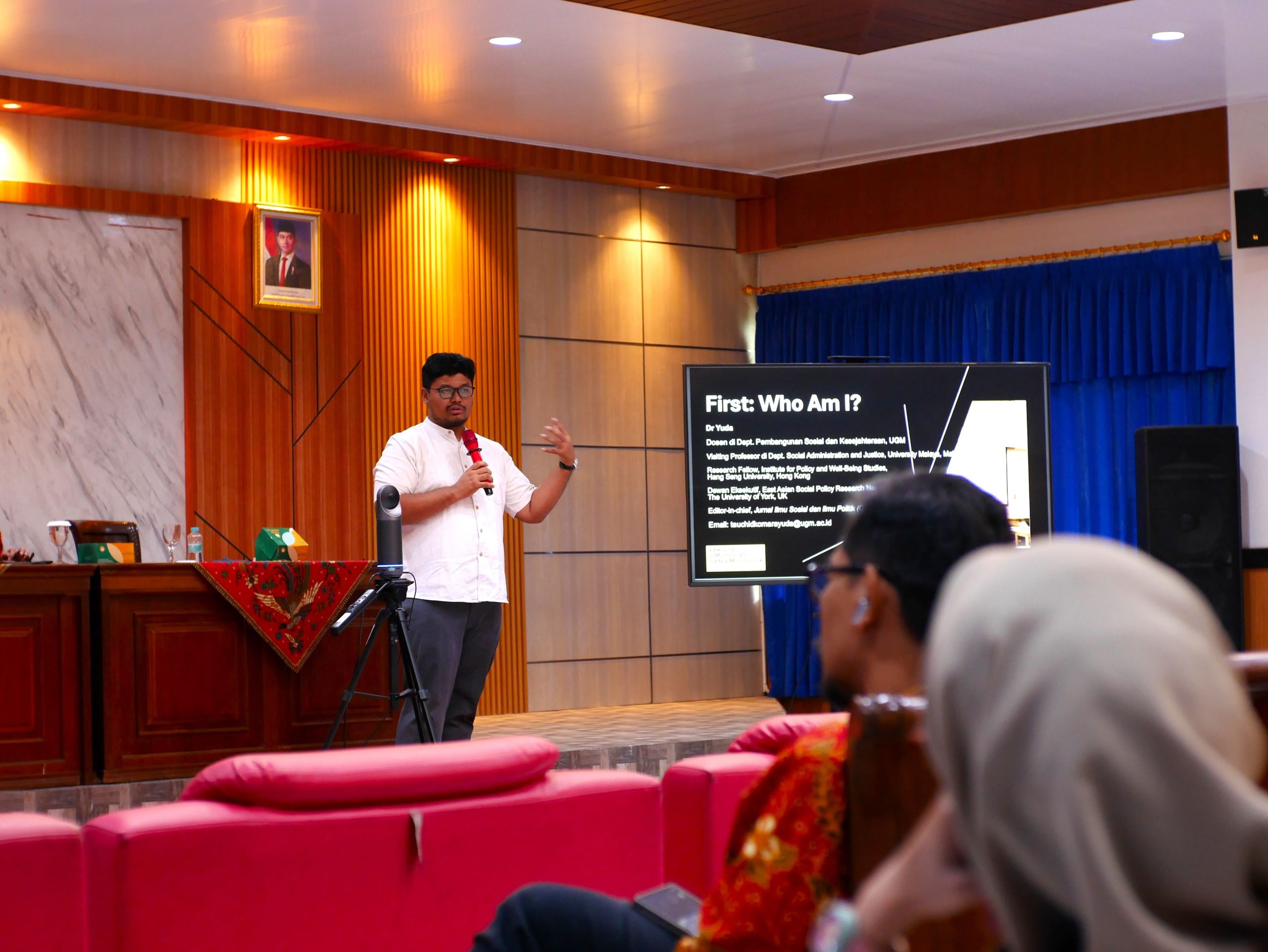
Semarang — The Faculty of Social and Political Sciences (FISIP) of Universitas Negeri Semarang (UNNES) is strengthening the research and academic publication capacity of its lecturers and students through the 2026 Scopus Accelerator Program, held on Wednesday, September 2, 2026, from 8:00 a.m. to 10:00 a.m. at the third floor of the FISIP C1 Building, UNNES.
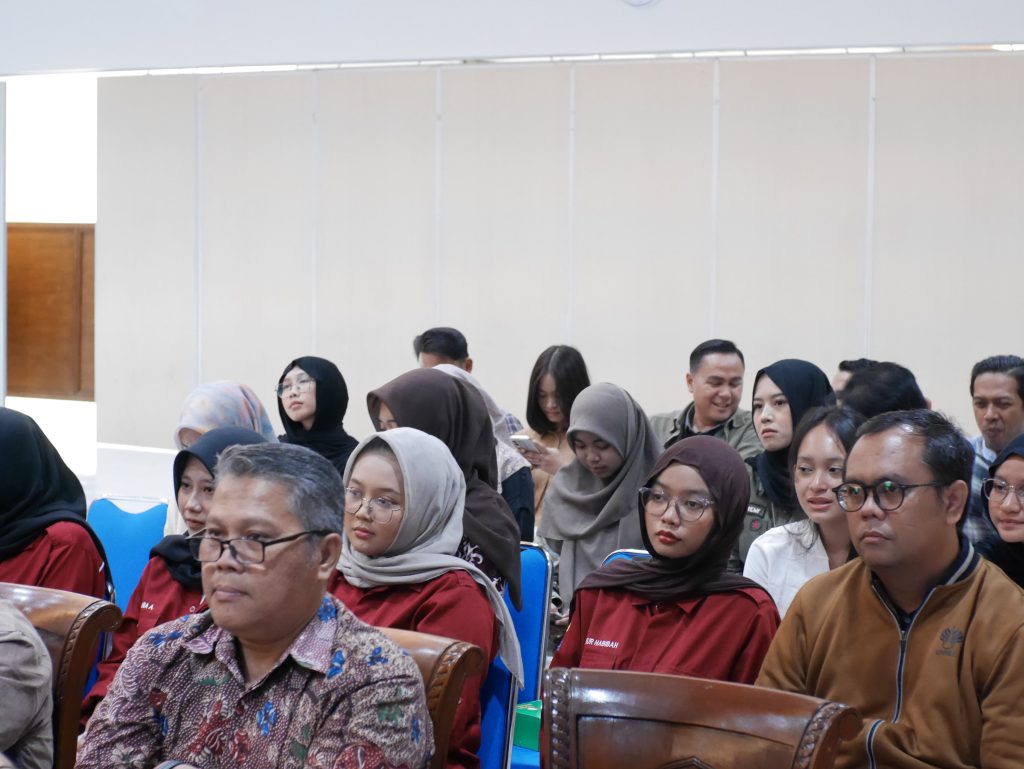
The program brought together lecturers as well as undergraduate, master’s, and doctoral students as participants. The activity was designed to provide practical guidance on how to develop research manuscripts that meet the standards and expectations of international scientific publications, particularly journals indexed by Scopus and Web of Science (WoS).
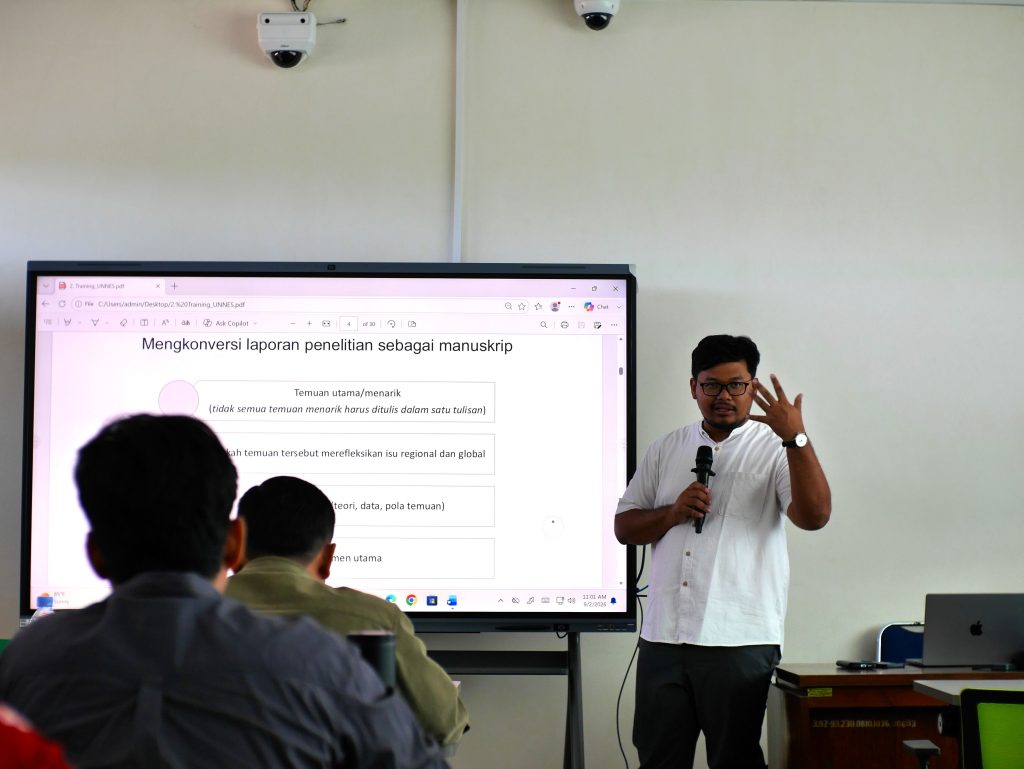
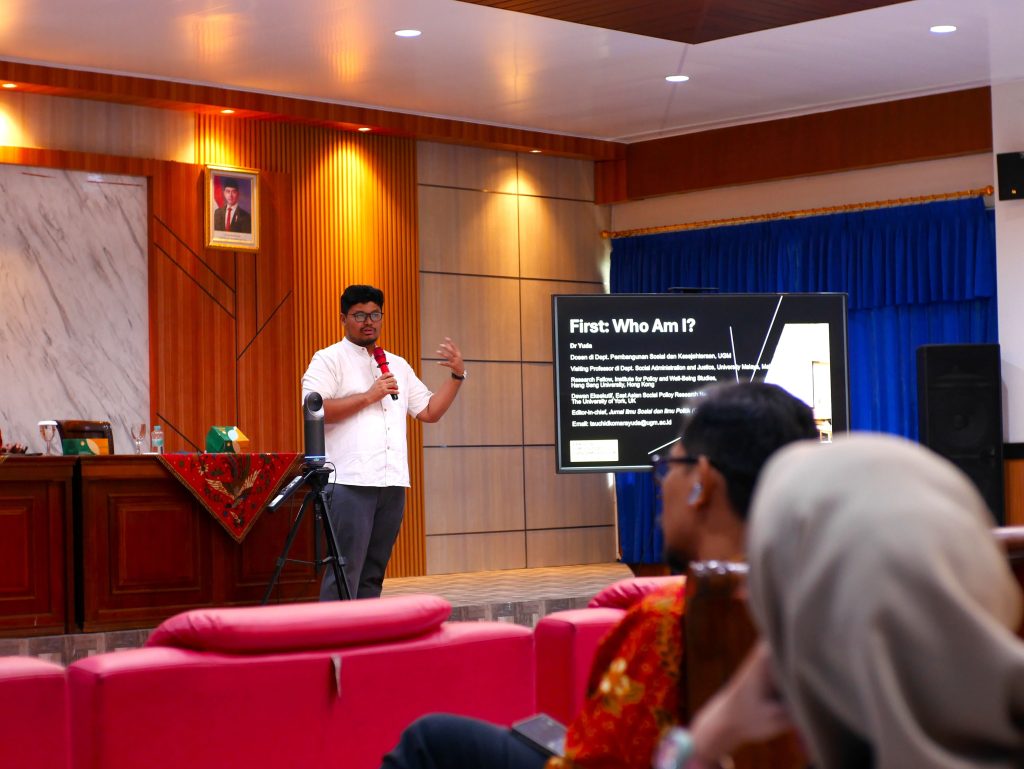
Two speakers were invited to share their expertise in the program, namely Tauchid Komara Yuda, Ph.D., from Universitas Gadjah Mada (UGM) and Dr. Tsabit Azinar Ahmad, M.Pd., from Universitas Negeri Semarang (UNNES). Their involvement reflected the university’s efforts to provide participants with direct access to academic perspectives and practical strategies for strengthening the quality of scholarly manuscripts.
The discussion focused not merely on the technical process of publishing articles in international journals, but also on how researchers can formulate research that has broader academic relevance. Participants were encouraged to connect local phenomena with global perspectives so that research emerging from the Indonesian context can contribute meaningfully to international scholarly discussions.
In addition, the speakers emphasized the importance of selecting and applying appropriate theoretical frameworks. A strong manuscript needs to demonstrate a clear relationship between the research problem, theoretical foundation, methodology, findings, and the contribution of the study. In this context, participants were encouraged to move beyond descriptive research and develop stronger analytical arguments supported by relevant theories and empirical evidence.
Another important aspect discussed during the program was research novelty. Participants were encouraged to identify clearly what distinguishes their studies from previous research and what new knowledge or perspective their research can contribute. Novelty was presented not simply as a requirement for publication, but as an essential element in demonstrating the significance of a research project within the broader development of scholarship.
The program also highlighted the importance of demonstrating a clear contribution to global scholarship. Research conducted in local contexts, including studies of social, political, educational, and cultural issues in Indonesia, can have international relevance when researchers are able to explain their findings within wider academic debates. Through this approach, local realities can serve as an important foundation for producing research with global significance.
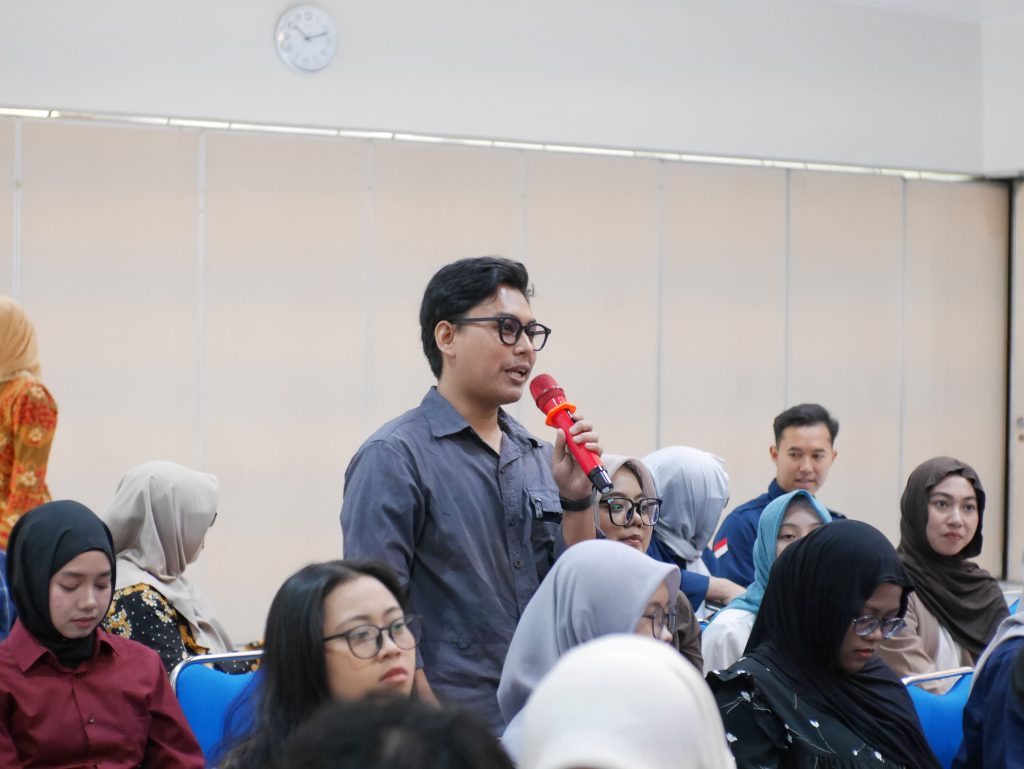
To strengthen the practical dimension of the program, the 2026 Scopus Accelerator Program was complemented by a coaching clinic. Participants had the opportunity to work in smaller groups and receive more focused feedback based on research drafts they had submitted. This session enabled participants to discuss their manuscripts more specifically, identify areas that required improvement, and gain suggestions for strengthening the overall quality and publication readiness of their research.
The implementation of the program represents FISIP UNNES’s continuing commitment to creating an academic environment that supports research productivity and the development of high-quality scientific publications. Rather than viewing international publication solely as an output target, the program placed greater emphasis on building researchers’ capacity to produce manuscripts with strong theoretical foundations, clear novelty, methodological rigor, and meaningful academic contributions.
The program is also aligned with FISIP UNNES’s broader effort to strengthen its research ecosystem by encouraging collaboration and academic development across educational levels. By involving lecturers and students from undergraduate to doctoral programs, the initiative creates opportunities for the development of a stronger research culture and greater continuity in academic scholarship.
One of the important targets underlying this initiative is the realization of the OLOS (One Lecture One Scopus) movement, which encourages lecturers to produce and publish scientific work in internationally recognized journals. Through systematic mentoring, manuscript coaching, and strengthening research competence, the program is expected to support the achievement of this institutional target while simultaneously improving the quality and international visibility of research produced by the FISIP UNNES academic community.
The 2026 Scopus Accelerator Program therefore represents more than a publication-oriented activity. It is part of a broader effort to strengthen the culture of research, innovation, and knowledge production at FISIP UNNES. By equipping researchers with the skills to transform local phenomena into internationally relevant academic contributions, the faculty seeks to ensure that its research has a stronger presence in global scholarly discourse.
The program also contributes to the achievement of the Sustainable Development Goals (SDGs), particularly SDG 4: Quality Education, through the development of academic and research competencies; SDG 9: Industry, Innovation and Infrastructure, through the strengthening of research, innovation, and knowledge-production capacity; and SDG 17: Partnerships for the Goals, through the exchange of academic expertise and collaboration involving scholars from different higher education institutions.