

Semarang – The Faculty of Social and Political Sciences (FISIP) at Universitas Negeri Semarang (UNNES) welcomed three international students who will pursue their master’s degrees in the Social Studies Education Program (Master’s Degree) on Wednesday, August 19, 2026. The arrival of the students marks another step in strengthening the internationalization of higher education at FISIP UNNES.
The three international students come from Tanzania and Myanmar, bringing diverse academic backgrounds and experiences to the Social Studies Education program. Their presence is expected to enrich the academic environment through cross-cultural interaction, knowledge exchange, and perspectives from different educational and social contexts.
The students are Faith Moses Mwita from the University of Dar es Salaam, Tanzania, who holds a Bachelor of Arts in Mass Communication; Mary Htu Lung from Lashio University, Northern Shan State, Myanmar, who holds a Bachelor of Arts in English; and Khun Tun Tun Naing from the University of Hpa-An, Kayin State, Myanmar, who holds a Bachelor of Science in Chemistry as well as a Diploma in Community Leadership and Social Studies.
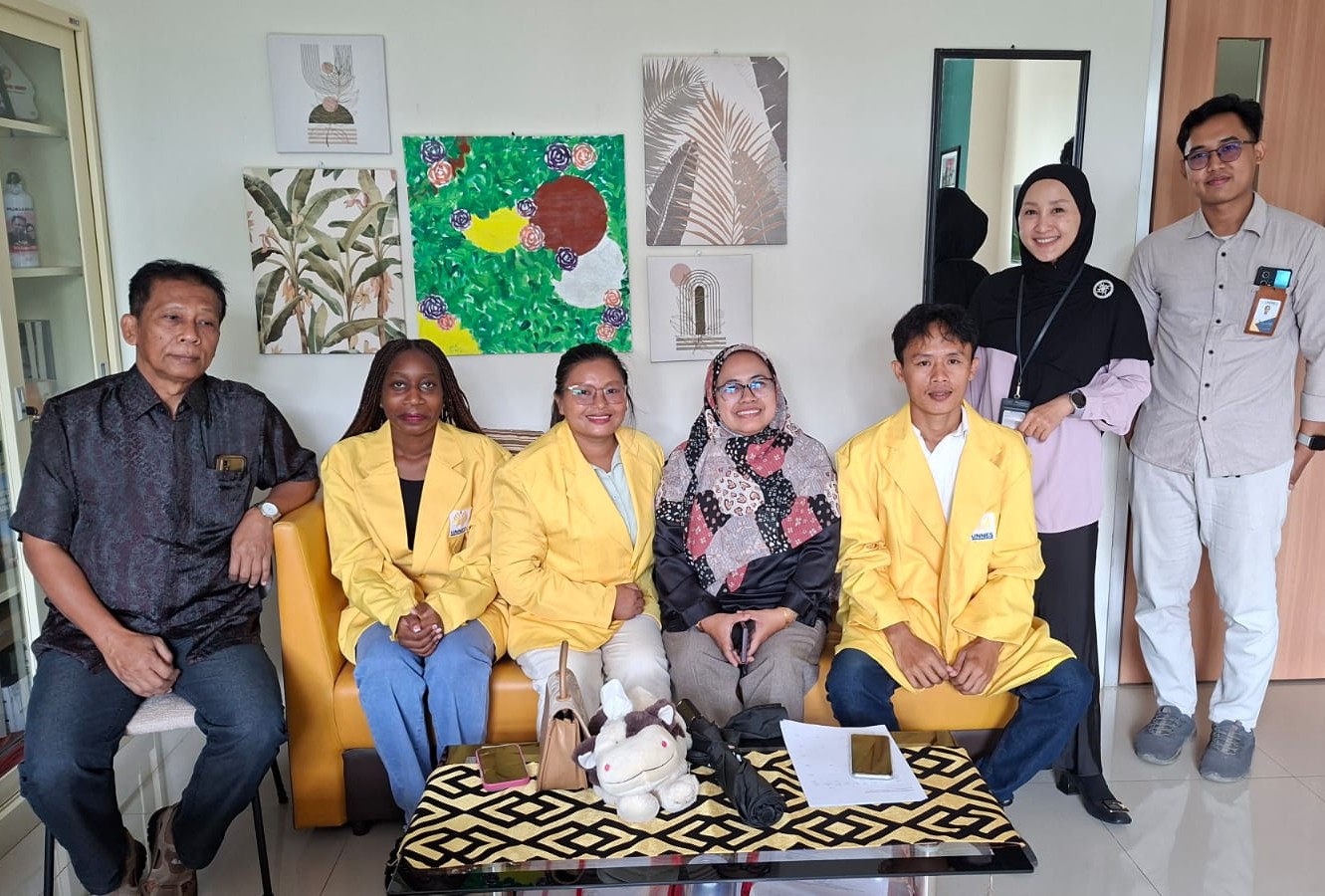
The three students were officially received by Dr. Sos. Puji Lestari, M.Si., Vice Dean III for Business, Research, and Cooperation at FISIP UNNES, and Dr. Hamdan Tri Atmaja, M.Pd., Coordinator of the Master’s Program in Social Studies Education.
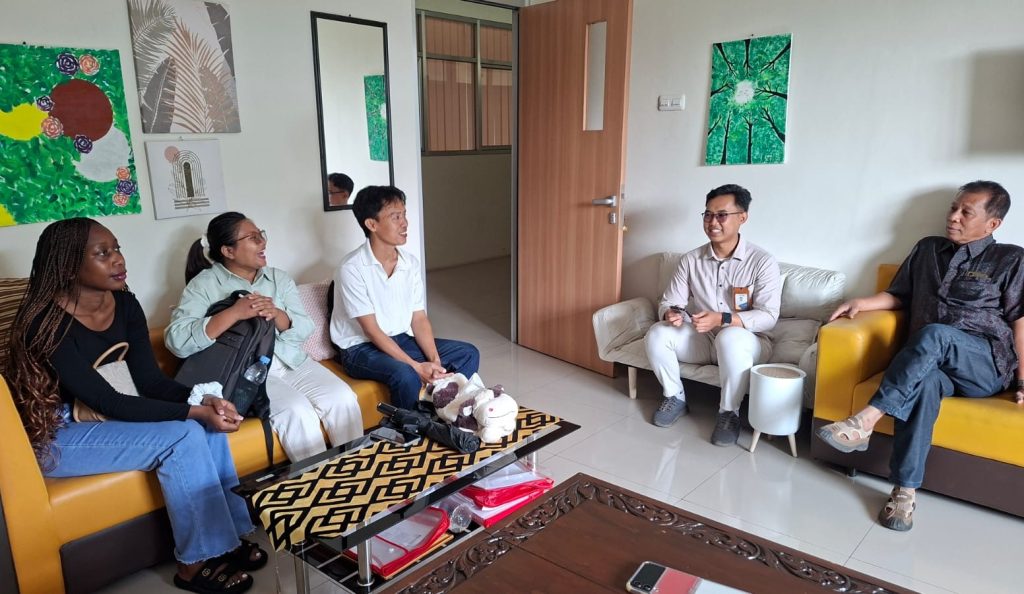
The welcoming meeting was held in the Vice Dean III’s Office, Prof. A.T. Soegito Building, Second Floor, FISIP UNNES. The meeting served as an opportunity to welcome the new international students and introduce them to the academic environment of FISIP UNNES.
The arrival of students from different countries and academic backgrounds demonstrates the increasingly international character of higher education at FISIP UNNES. Their participation in the Social Studies Education program also creates opportunities for students and lecturers to engage in academic interaction that transcends national and cultural boundaries.
The diverse backgrounds of the three students are particularly relevant to the interdisciplinary character of social studies education. Their previous academic experiences in mass communication, English, chemistry, community leadership, and social studies can provide different perspectives in classroom discussions and academic activities.
For FISIP UNNES, the presence of international students is not merely an indicator of international student mobility but also part of the broader effort to create an inclusive and globally oriented academic environment. Interaction among students from different cultural backgrounds can encourage mutual understanding, intercultural competence, and appreciation of diversity.
The initiative is also aligned with the Sustainable Development Goals (SDGs), particularly SDG 4: Quality Education. International student participation contributes to the development of an inclusive and globally connected higher education environment while expanding opportunities for knowledge exchange and cross-cultural learning.
Furthermore, the activity supports SDG 17: Partnerships for the Goals, particularly through the strengthening of international academic networks and cooperation. The educational backgrounds of the students from universities in Tanzania and Myanmar reflect the potential for broader academic connections between FISIP UNNES and higher education institutions in other countries.
Through the welcoming of these three international students, FISIP UNNES continues to strengthen its commitment to developing a higher education environment that is open to international collaboration, cultural diversity, and knowledge exchange. Their presence is expected to contribute to a richer academic experience while strengthening FISIP UNNES’s role in promoting internationalization and sustainable higher education.