UNNES PPKN Research Team Strengthens AI-Based Scout Leadership Training for Generation Alpha

Universitas Negeri Semarang > Faculty of Social Sciences and Political Science > News > UNNES PPKN Research Team Strengthens AI-Based Scout Leadership Training for Generation Alpha

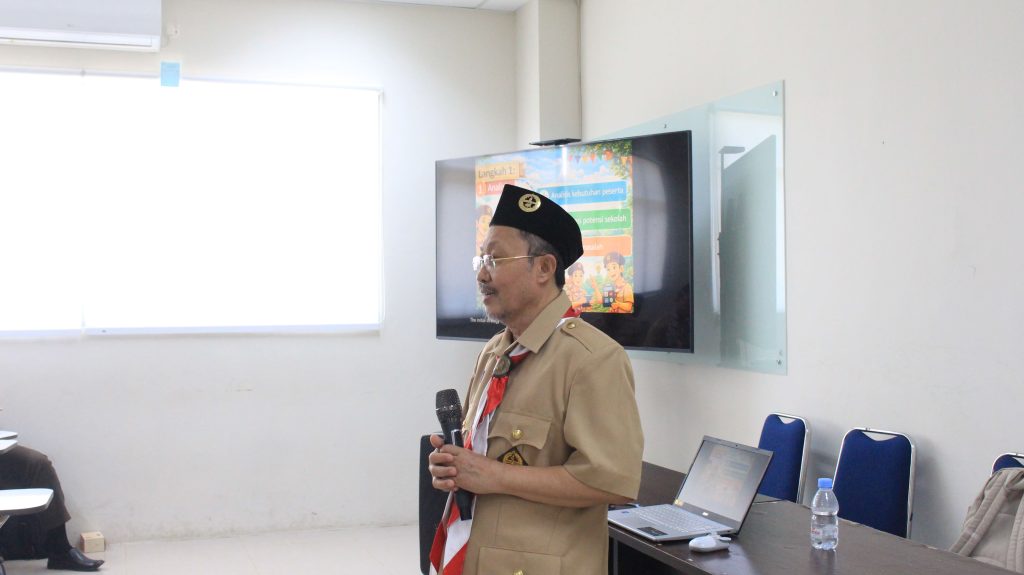
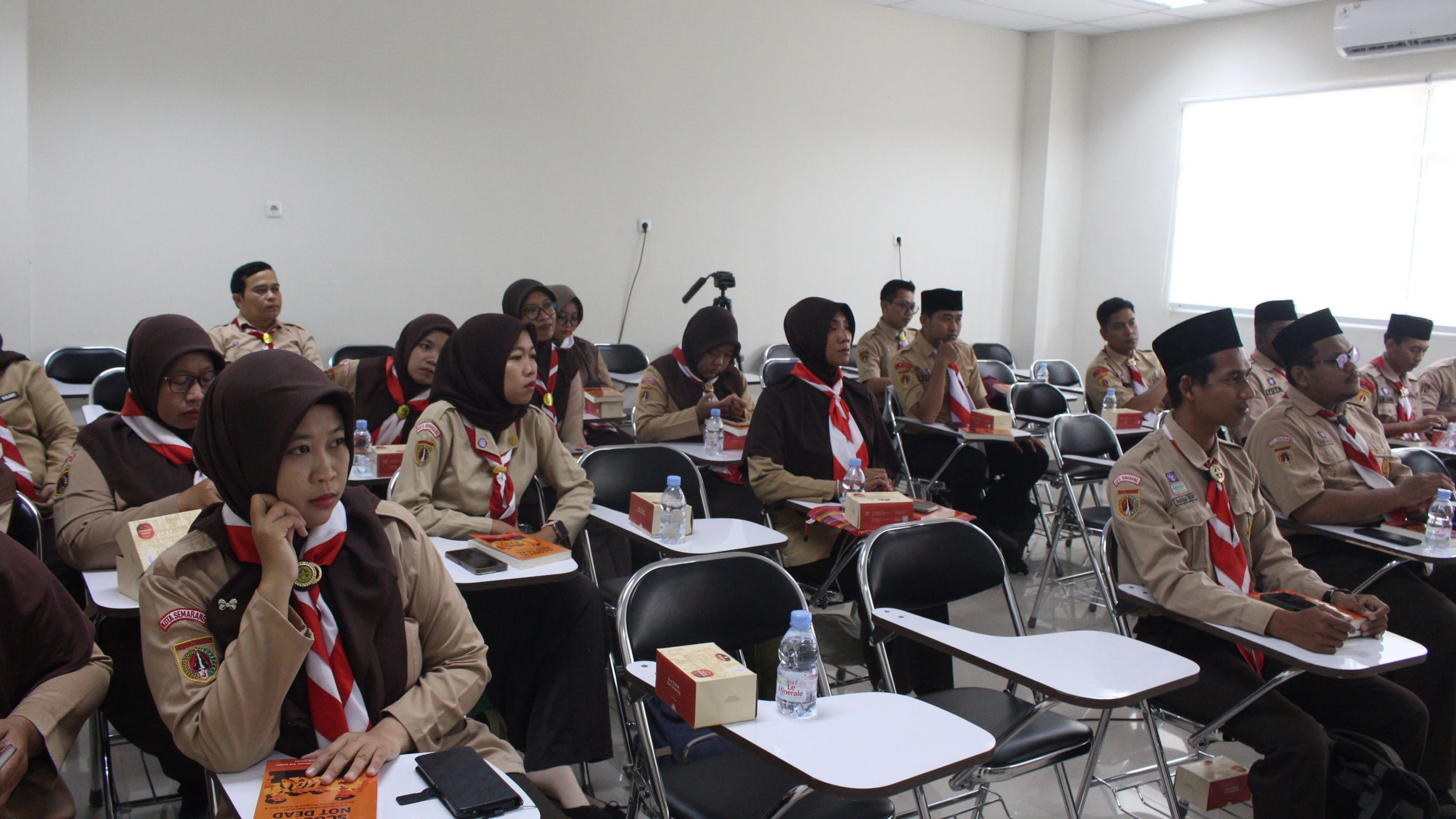
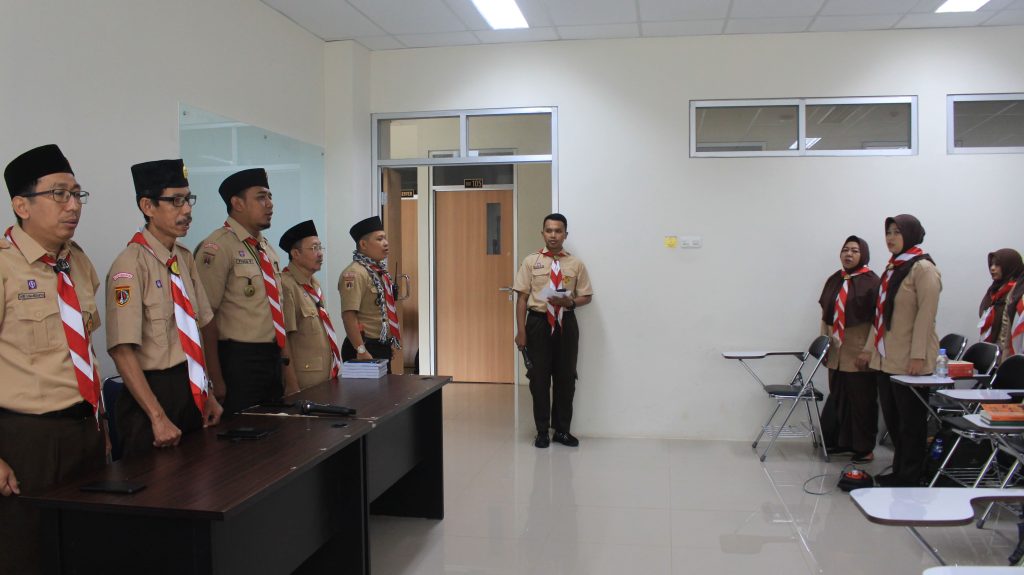
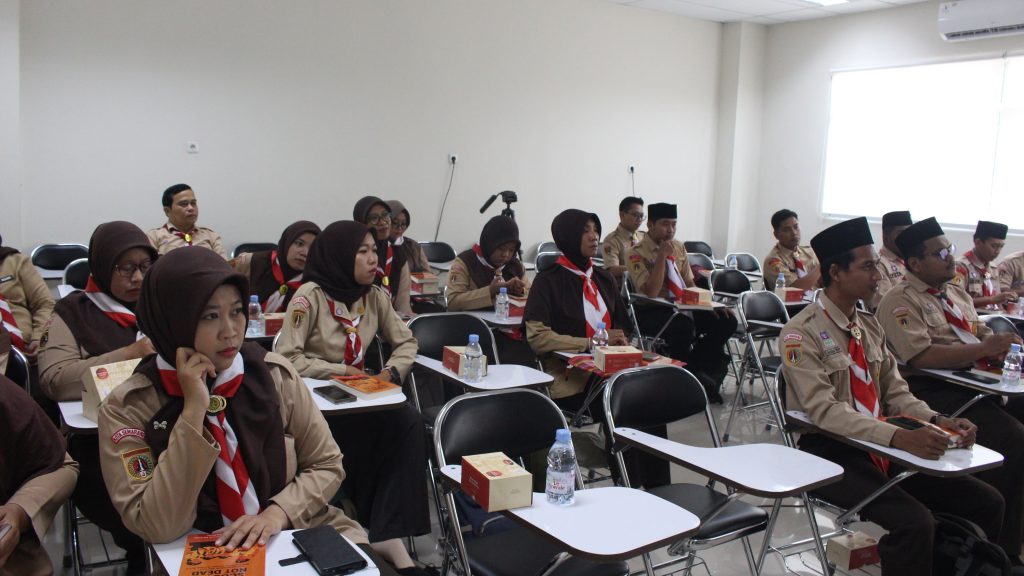
Semarang – In an effort to modernize Scout education in the digital era, a research team led by Drs. Tijan, M.Si. collaborated with the Semarang City Scout Council (Kwartir Cabang/Kwarcab) to organize a training program entitled “AI-Based Scout Troop Management Training for Generation Alpha” on 10 May 2026. The program brought together 34 Scout leaders from junior high schools (SMP/MTs) across Semarang City, aiming to enhance their capacity to develop innovative and digitally oriented Scout leadership that aligns with the learning characteristics of today’s students.

The training focused on three main competencies: managing Scout troops through digital approaches, designing troop work programs supported by Artificial Intelligence (AI), and developing engaging Scout activities tailored to the needs and characteristics of Generation Alpha. Throughout the program, participants explored the use of AI in planning annual Scout activities, managing troop administration, and designing learning experiences that foster students’ active participation while preserving the core values of Scouting. The initiative demonstrated how digital technology can complement traditional character education without replacing the essential role of Scout leaders.

The program featured interactive learning sessions combining presentations, practical workshops, collaborative discussions, and hands-on mentoring by the research team. Participants enthusiastically practiced using AI tools to develop systematic, innovative, and contextually relevant Scout work plans for their respective schools. At the conclusion of the training, each participant successfully completed and presented a comprehensive troop work program, which served as the primary output of the activity and received constructive feedback from both facilitators and fellow participants.

In addition to gaining practical experience, all participants received a Scout handbook, training materials, and certificates of completion as recognition of their active participation. The evaluation results indicated a high level of participant satisfaction, with many highlighting the relevance of the training to the current challenges of Scout education in the digital age. They expressed confidence that the knowledge and skills acquired would support the modernization of Scout programs in their schools.

According to Drs. Tijan, M.Si., the head of the research team, digital transformation should become an integral part of Scout education to ensure that the movement continues to cultivate leadership, discipline, responsibility, and character among young people in ways that resonate with contemporary learners. He emphasized that AI is intended to serve as a supportive tool for Scout leaders, enabling them to design more effective, efficient, and engaging educational programs while maintaining the human values that lie at the heart of Scouting.

Representatives from the Semarang City Scout Council (Kwarcab), as the program’s research partner, expressed their appreciation for the successful collaboration with the UNNES research team. They also conveyed their hope that similar initiatives would continue in the future as part of ongoing professional development for Scout leaders and as a means of strengthening collaboration between higher education institutions and Scout organizations in advancing character education.

This training reflects the commitment of Universitas Negeri Semarang (UNNES) to supporting the Sustainable Development Goals (SDGs), particularly SDG 4: Quality Education. By equipping Scout leaders with digital competencies and AI-based educational strategies, the program contributes to the development of innovative, inclusive, and future-oriented education. Furthermore, it supports the preparation of Generation Alpha to become digitally literate, creative, critical-thinking, and socially responsible citizens who are well prepared to meet the challenges of an increasingly technology-driven world.
Related Posts

Leave a Reply

* Kode Akses Komentar:

* Tuliskan kode akses komentar diatas:

GDPR

  • Privacy Policy

Privacy Policy

At unnes.ac.id, the privacy of our visitors is of extreme importance to us. This privacy policy document outlines the types of personal information that is received and collected by unnes.ac.id and how it is used.

Log Files

Like many other Web sites, unnes.ac.id makes use of log files. The information inside the log files includes internet protocol (IP) addresses, type of browser, Internet Service Provider (ISP), date/time stamp, referring/exit pages, and number of clicks to analyze trends, administer the site, track user’s movement around the site, and gather demographic information. IP addresses and other such information are not linked to any information that is personally identifiable.

Cookies

unnes.ac.id uses cookies to store information about visitors’ preferences, to record user-specific information on which pages the site visitor accesses or visits, and to personalize or customize our web page content based upon visitors’ browser type or other information that the visitor sends via their browser.

Third-party ad servers or ad networks use technology in their respective advertisements and links that appear on unnes.ac.id and which are sent directly to your browser. They automatically receive your IP address when this occurs. Other technologies (such as cookies, JavaScript, or Web Beacons) may also be used by our site’s third-party ad networks to measure the effectiveness of their advertising campaigns and/or to personalize the advertising content that you see on the site.

unnes.ac.id has no access to or control over these cookies that are used by third-party advertisers.

You should consult the respective privacy policies of these third-party ad servers for more detailed information on their practices as well as for instructions about how to opt-out of certain practices. unnes.ac.id’s privacy policy does not apply to, and we cannot control the activities of, such other advertisers or web sites.

If you wish to disable cookies, you may do so through your individual browser options. More detailed information about cookie management with specific web browsers can be found at the browsers’ respective websites.

Consent

By using our website, you hereby consent to our privacy policy and agree to its terms.

Update

This Privacy Policy was last updated on: 2023-02-14. Should we update, amend or make any changes to our privacy policy, those changes will be posted here.

Contact Us

If you have any questions, comments, or concerns about our Privacy Policy or our practices with regards to your personal information, please feel free to contact us through the contact form on our website or by emailing us at humas[at]mail.unnes.ac.id.

This Privacy Policy is intended as a general guide to our practices in collecting and using information. If there is any inconsistency between this Privacy Policy and the terms of the Service Agreement or any other terms that may apply to specific services you use, then those specific service terms shall apply.

Terms of Use

By using our website, you agree to abide by this Privacy Policy. If you do not agree with this Privacy Policy, please do not use our website. We reserve the right to update this Privacy Policy from time to time without prior notice. Please review our Privacy Policy periodically to check for changes. Your continued use of our website following the posting of changes to this Privacy Policy means that you accept the changes.

Thank you for reading our Privacy Policy. We are committed to protecting the privacy of our website visitors and will continue to update our Privacy Policy to ensure optimal protection.