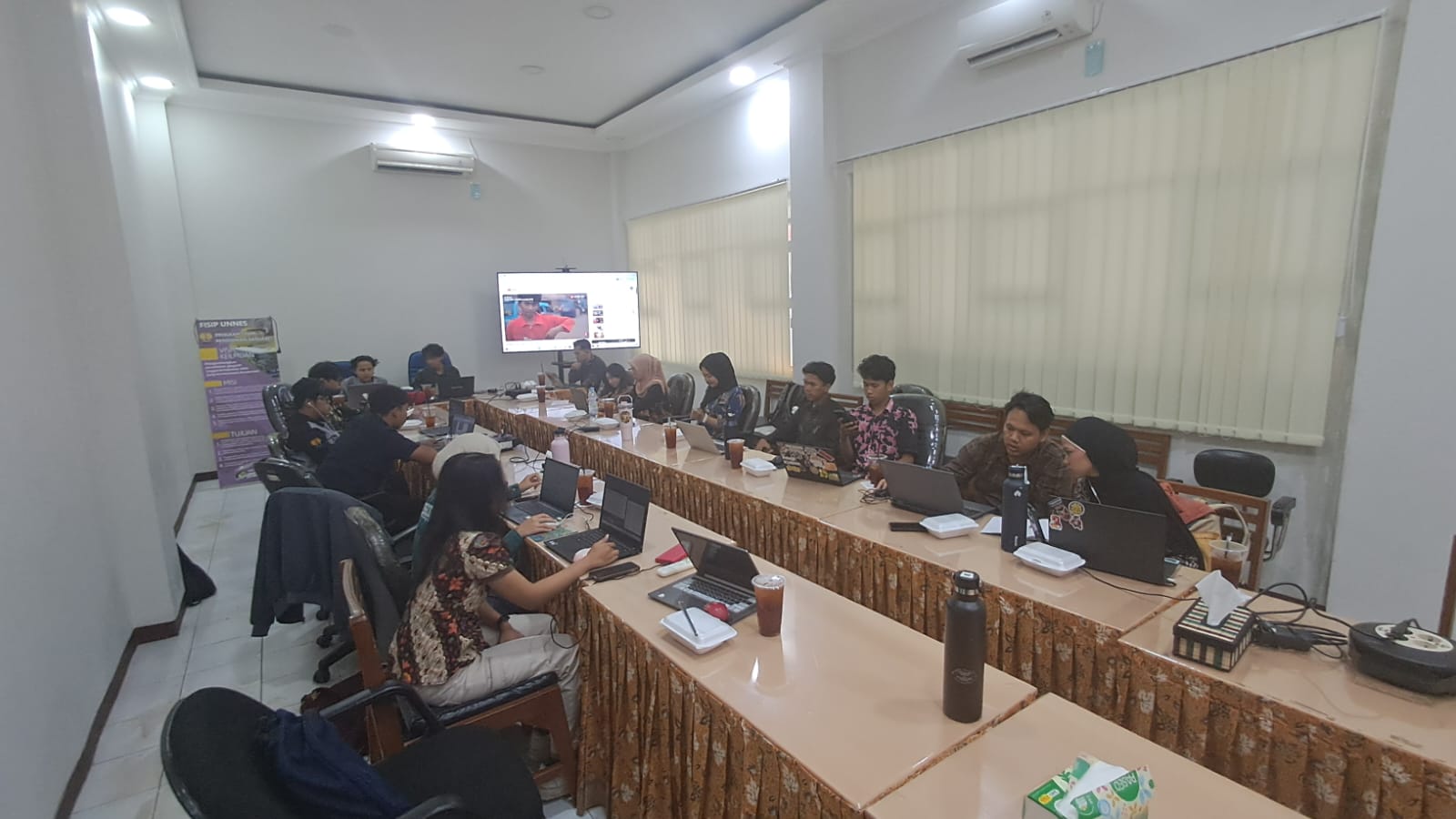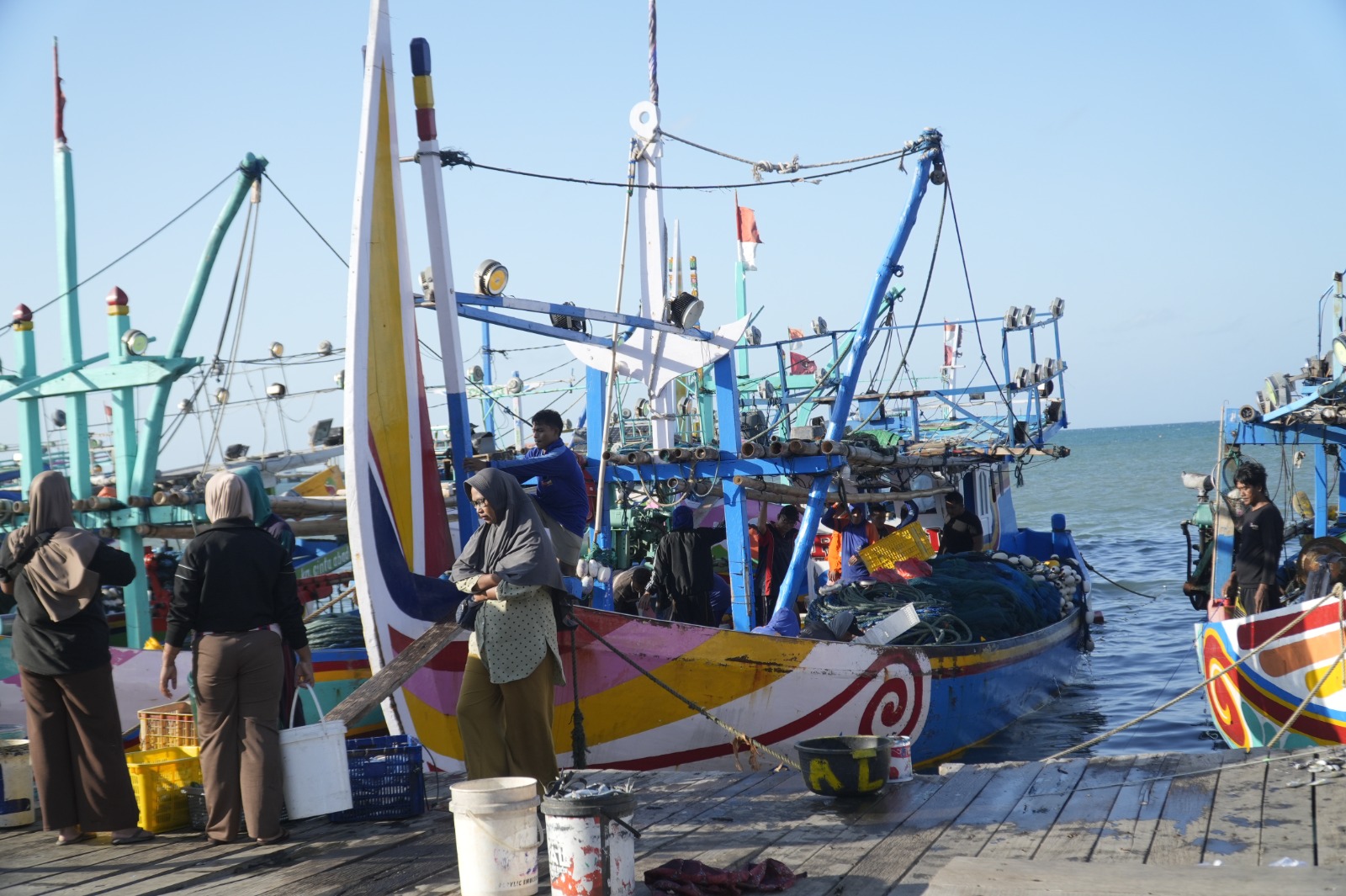


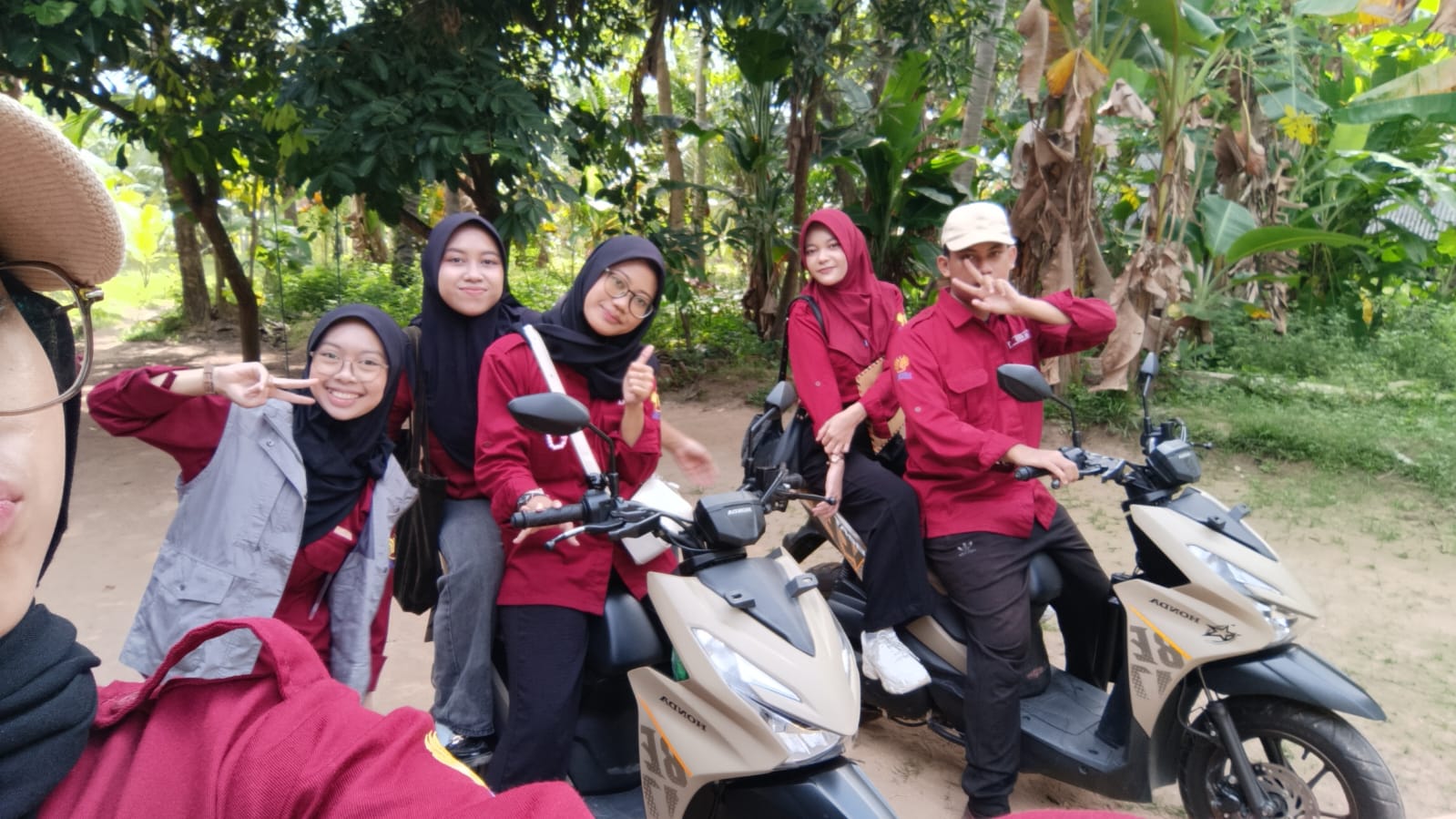
Jepara – A research team from the Faculty of Social and Political Sciences (FISIP), Universitas Negeri Semarang (UNNES), conducted a study entitled “Ethnoconservation of Medicinal Plants and Animals in the Traditional Healing System of the Karimunjawa Island Community: An Anthropological Study of Health, Environment, and Conservation” on 6 April 2026 in Karimunjawa Village, Jepara Regency, Central Java. Led by Dr.scient.med. Fadly Husain, S.Sos., M.Si., the research collaborates with the local community to examine how traditional healing practices not only contribute to public health but also function as a culturally rooted mechanism for conserving biodiversity.
The study is based on the fact that the people of Karimunjawa continue to rely on a variety of medicinal plants and animals as part of their traditional healthcare system. This indigenous knowledge has evolved through generations of close interaction with the islands’ coastal and marine environment. Amid growing pressures on biodiversity caused by modernization, tourism development, and socio-economic change, traditional ethnomedicine is increasingly recognized as an important form of ethnoconservation—a system of natural resource management grounded in local knowledge and cultural values passed down across generations.
Using a qualitative ethnographic approach, the research team conducted in-depth interviews with traditional healers, fishermen, women, community leaders, and other local stakeholders. Participant observation was also carried out to document the collection, preparation, and use of medicinal plants and animals in the daily lives of the Karimunjawa community. The data are analyzed through the perspectives of medical pluralism, traditional ecological knowledge, and social-ecological relations to better understand the interconnectedness of health, culture, and environmental sustainability.
One of the primary objectives of the research is to identify customary regulations, social norms, and cultural taboos that govern the sustainable use of medicinal plants and animals. For the people of Karimunjawa, the utilization of natural resources is driven not only by practical needs but also by cultural values that emphasize harmony between humans and nature. These traditional principles are believed to play a significant role in preventing the overexploitation of biological resources and ensuring the long-term sustainability of local ecosystems.
According to the research team leader, Dr.scient.med. Fadly Husain, S.Sos., M.Si., the study seeks to develop a more comprehensive understanding of the relationship between traditional healthcare practices and environmental conservation. He emphasized that the indigenous knowledge preserved by the Karimunjawa community represents both a valuable scientific resource and an important cultural heritage that deserves to be documented, preserved, and integrated into future conservation and public health policies.
In addition to documenting ethnomedical practices, the research also investigates how traditional healing systems interact with modern healthcare services and formal conservation policies within Karimunjawa National Park. The findings are expected to produce a conceptual model that bridges indigenous knowledge with scientific approaches, allowing both systems to complement one another in promoting sustainable biodiversity management.
The project is expected to achieve Technology Readiness Level (TRL) 2–3, resulting in the formulation of an ethnoconservation concept based on traditional healthcare practices in small island communities, preliminary validation of local conservation mechanisms for medicinal plants and animals, and the development of a conceptual framework for integrating indigenous knowledge into biodiversity conservation and public health policies. The research is also expected to generate evidence-based policy recommendations that can assist local governments and conservation authorities in designing sustainable environmental and community health strategies.
Furthermore, the study supports Indonesia’s broader national development agenda by strengthening community health resilience, promoting sustainable development in coastal and island regions, and encouraging sovereign and responsible management of natural resources. By positioning local communities as both custodians and practitioners of traditional ecological knowledge, the research demonstrates that environmental conservation can be effectively advanced not only through formal regulations but also through the preservation of cultural values that have guided communities for generations.
This research is closely aligned with Universitas Negeri Semarang’s commitment to achieving the United Nations Sustainable Development Goals (SDGs). It contributes to SDG 3 (Good Health and Well-being) by promoting traditional health knowledge that supports community well-being; SDG 12 (Responsible Consumption and Production) through the sustainable use of biological resources based on local wisdom; SDG 14 (Life Below Water) by encouraging the conservation of marine species utilized in traditional medicine; and SDG 15 (Life on Land) by supporting the preservation of medicinal plants and terrestrial ecosystems. Through this research, FISIP UNNES reaffirms its commitment to producing locally grounded scientific knowledge that contributes meaningfully to public health, environmental conservation, and the sustainable development of Indonesia’s coastal communities.