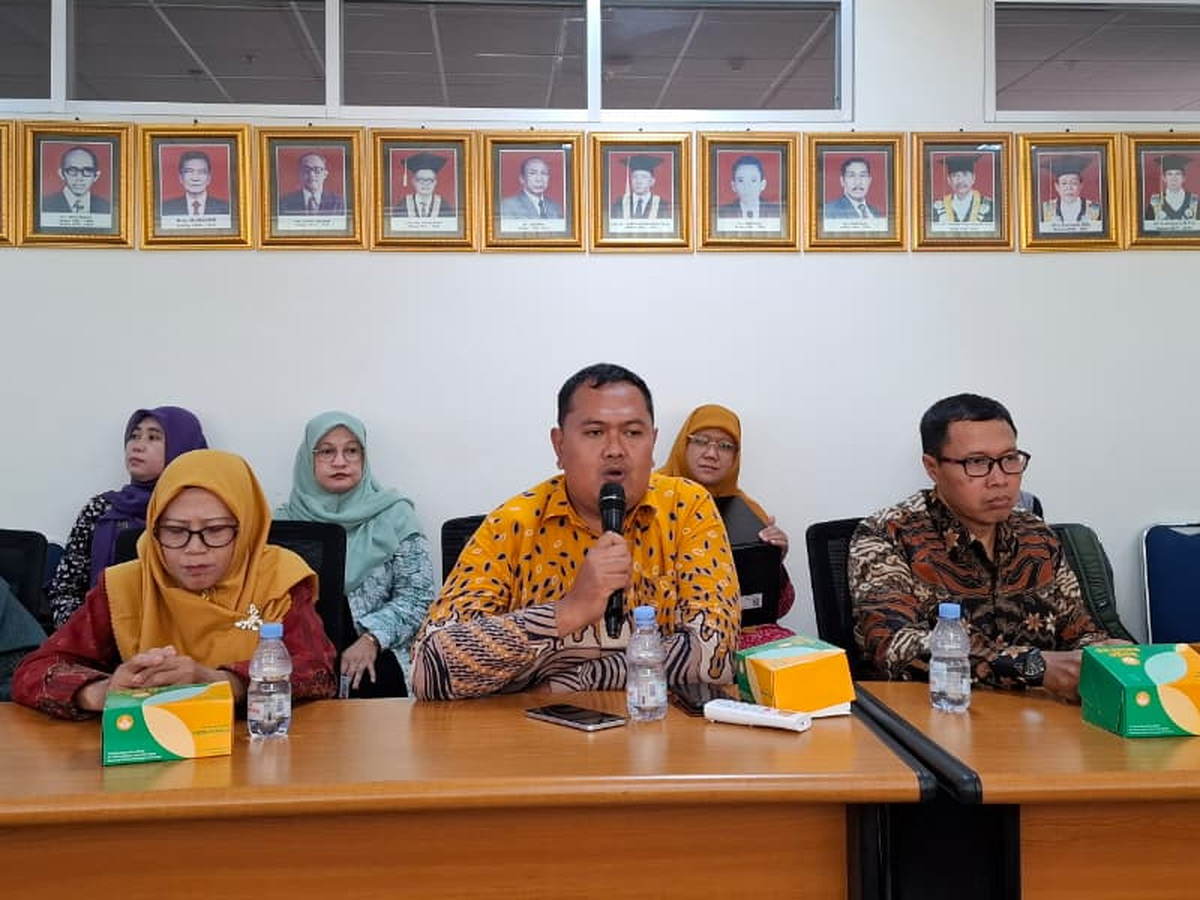




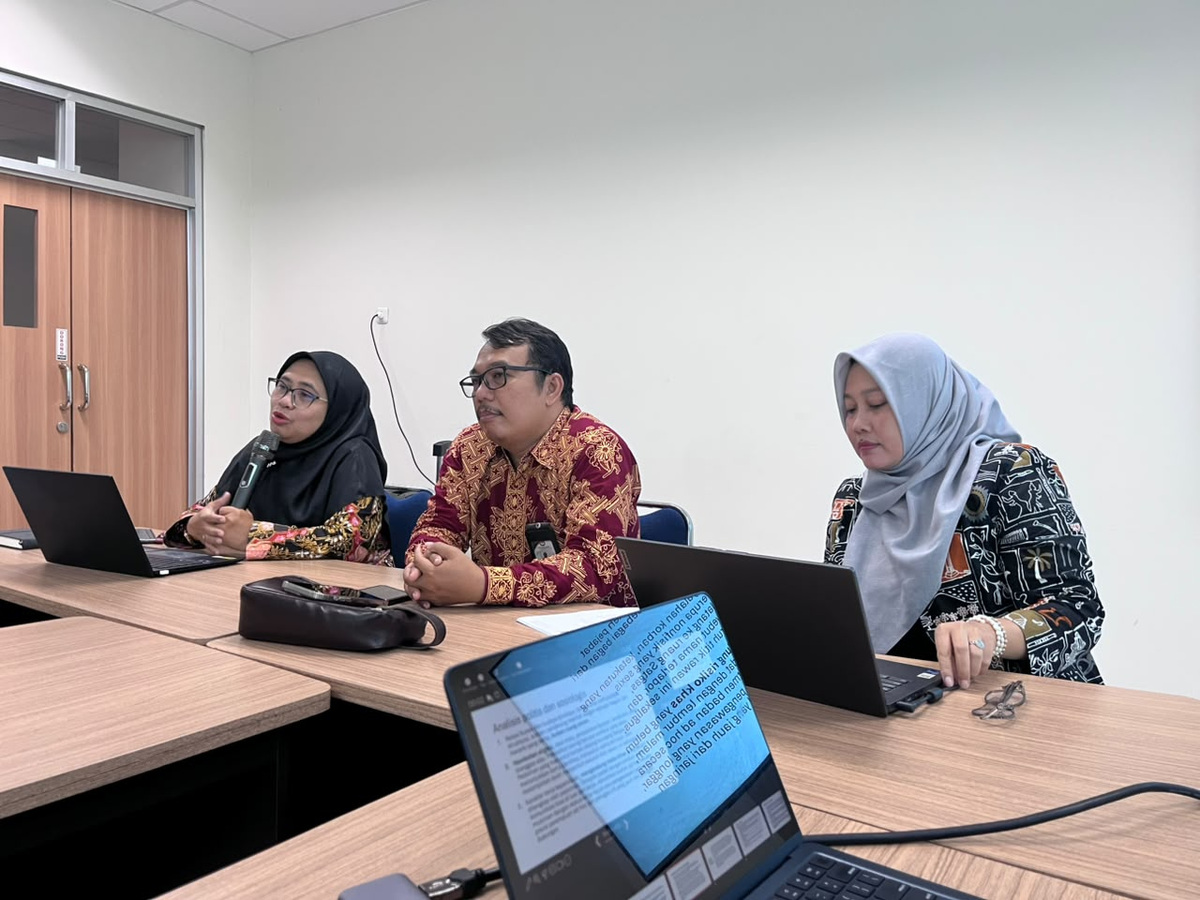
Komisi Pemilihan Umum (KPU) Kota Semarang menghimpun masukan dari 32 dosen Fakultas Ilmu Sosial dan Ilmu Politik Universitas Negeri Semarang (FISIP UNNES) untuk mengkaji Keputusan KPU Nomor 1341 Tahun 2024 tentang Pencegahan dan Penanganan Kekerasan Seksual. Penguatan perlindungan korban, independensi satuan tugas, perluasan cakupan perlindungan, serta kemudahan akses pelaporan menjadi sejumlah isu yang mengemuka dalam Focus Group Discussion (FGD) yang diselenggarakan KPU Kota Semarang dan difasilitasi pelaksanaannya oleh FISIP UNNES, Kamis (12/11/2026).
Kegiatan yang berlangsung di Ruang 307 Gedung Prof. Dr. A.T. Soegito, FISIP UNNES, tersebut melibatkan para dosen sebagai peserta untuk memberikan pandangan kritis dan rekomendasi akademis terhadap substansi keputusan KPU. Masukan disampaikan melalui berbagai perspektif keilmuan sosial, politik, dan hukum dengan menitikberatkan pada tantangan penerapan kebijakan pencegahan kekerasan seksual di lingkungan penyelenggara pemilu.
Anggota KPU Kota Semarang, Dr. Novi Maria Ulfah, M.S.I., memaparkan substansi Keputusan KPU Nomor 1341 Tahun 2024 sebagai dasar pembahasan. Pedoman yang ditetapkan pada 19 September 2024 tersebut mengatur upaya pencegahan dan penanganan kekerasan seksual di lingkungan KPU, meliputi pembentukan Satuan Tugas (Satgas), sosialisasi, pendidikan, mekanisme pelaporan, hingga perlindungan terhadap korban, pelapor, dan saksi. Kebijakan tersebut menjadi bagian dari upaya menciptakan lingkungan kerja yang aman dan bebas dari kekerasan seksual.
Dalam sesi analisis, dosen FISIP UNNES, Dr. Sos. Puji Lestari, M.Si., menyoroti sejumlah persoalan yang berpotensi menghambat penerapan pedoman. Salah satunya adalah relasi kuasa dalam birokrasi yang dapat memengaruhi keberanian korban untuk melaporkan tindakan kekerasan seksual. Keanggotaan Satgas yang melibatkan pejabat struktural dinilai perlu dikaji dari sisi independensi karena korban dapat memandang lembaga penanganan sebagai bagian dari hierarki organisasi yang sama.
Persoalan tersebut berkaitan erat dengan stigma sosial, kekhawatiran terhadap kerahasiaan identitas, serta risiko intimidasi dan pembalasan yang mungkin dialami korban. Dalam lingkungan kerja dengan hubungan sosial yang erat, termasuk kantor KPU di daerah, mekanisme pengaduan perlu memberikan rasa aman dan menjamin bahwa laporan dapat ditangani tanpa tekanan dari pihak lain.
Para dosen juga memberikan perhatian terhadap karakteristik pekerjaan penyelenggara pemilu yang berbeda dari lingkungan birokrasi pada umumnya. Tahapan pemilu yang padat, aktivitas hingga malam hari, komunikasi di luar jam kerja, serta keterlibatan badan ad hoc dinilai menghadirkan kerentanan yang perlu diperhatikan dalam penyusunan kebijakan perlindungan.
Cakupan perlindungan bagi petugas badan ad hoc, seperti Panitia Pemilihan Kecamatan (PPK), Panitia Pemungutan Suara (PPS), dan Kelompok Penyelenggara Pemungutan Suara (KPPS), menjadi salah satu aspek yang dibahas. Perbedaan status dan hubungan kerja dinilai tidak seharusnya menghambat akses terhadap mekanisme pelaporan dan perlindungan dari kekerasan seksual yang berkaitan dengan pelaksanaan tugas kepemiluan.
Masukan lain menekankan perlunya memperkuat mekanisme penanganan yang berorientasi pada kebutuhan korban. Perlindungan tidak cukup hanya berupa kerahasiaan identitas dan pemberian informasi mengenai hak korban, tetapi juga perlu didukung akses terhadap pendampingan psikologis, bantuan hukum, layanan kesehatan, serta pemulihan. Kerja sama dengan lembaga layanan perlindungan perempuan dan korban kekerasan turut menjadi perhatian dalam diskusi.
Dari aspek hukum dan kelembagaan, peserta FGD membahas kemungkinan penguatan dasar regulasi melalui Peraturan KPU (PKPU). Usulan tersebut diarahkan untuk memperjelas cakupan perlindungan, memperkuat independensi Satgas, mengatur mekanisme tindak lanjut dan sanksi, serta memastikan adanya pemantauan dan evaluasi pelaksanaan kebijakan. Dengan demikian, penanganan kekerasan seksual diharapkan tidak berhenti pada penyusunan rekomendasi, tetapi disertai tanggung jawab kelembagaan yang lebih jelas.