

SEMARANG, UNNES – A brief journey by French poet Arthur Rimbaud through Java in 1876 has left a historical trail that continues to resonate 150 years later. In Semarang, that trail is now being revived as a meeting point for history, literature, and cultural exchange between Indonesia and France.
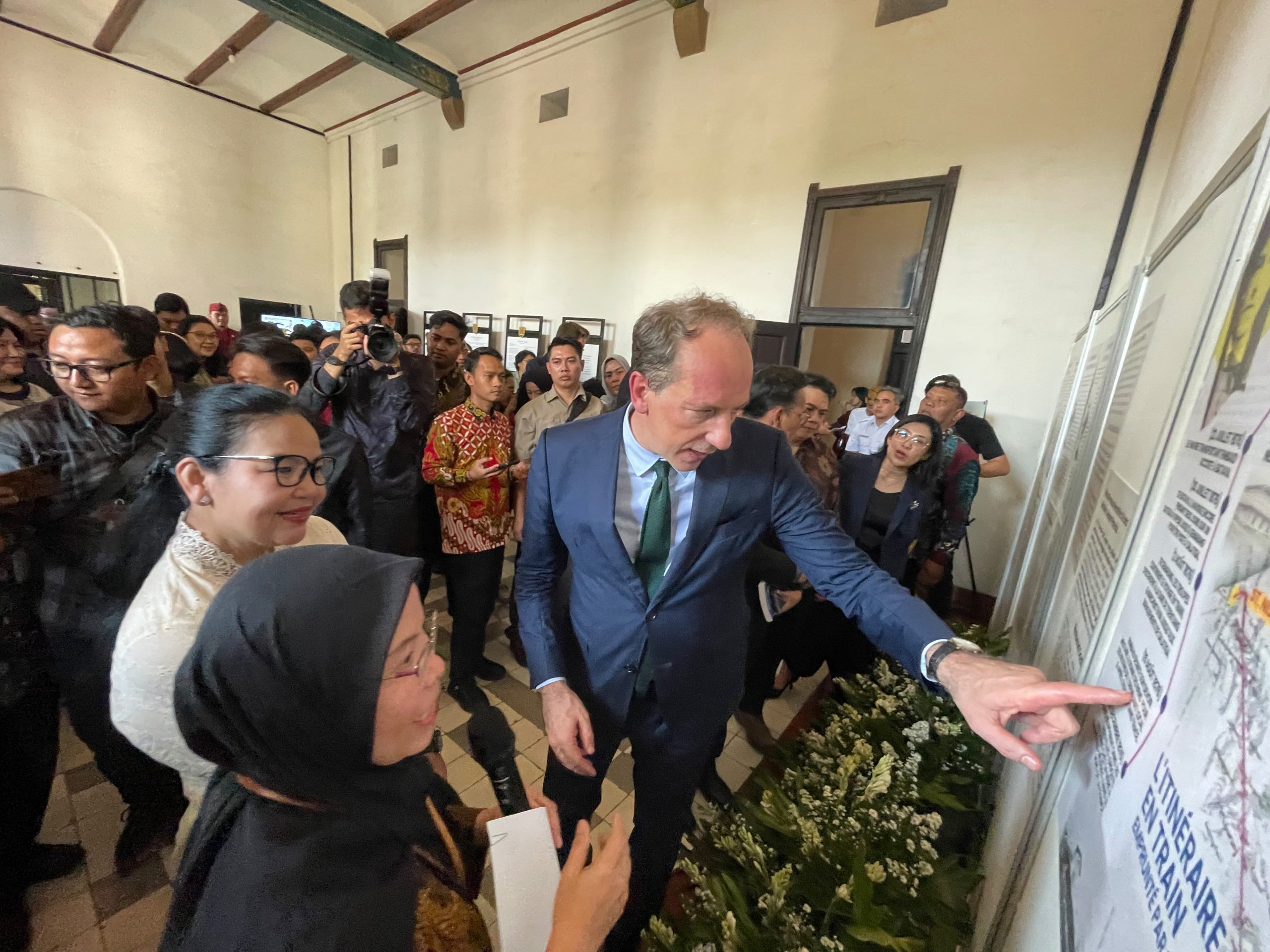
The 150th anniversary of Rimbaud’s journey to Java is being commemorated through the exhibition Arthur Rimbaud: A Journey Across Java and a historical reenactment of his railway route from Semarang to Kedungjati and Tuntang. The events are being held at Lawang Sewu, Semarang, from August 6 to 8, 2026.
The program brings together the Semarang City Government, the Embassy of France in Indonesia, Alliance Française Semarang, Universitas Negeri Semarang (UNNES), PT Kereta Api Indonesia (KAI), and PT Kereta Api Pariwisata.
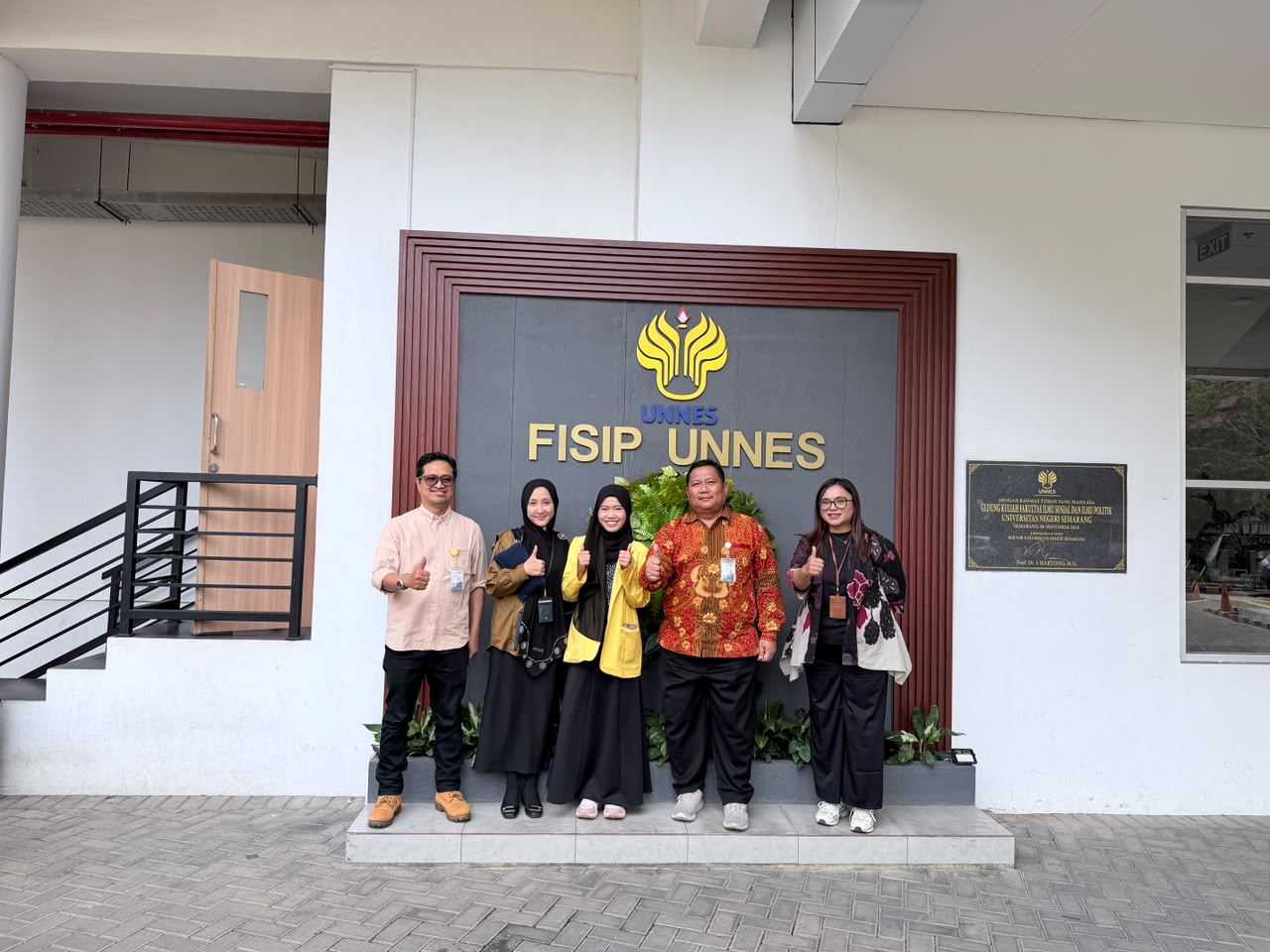
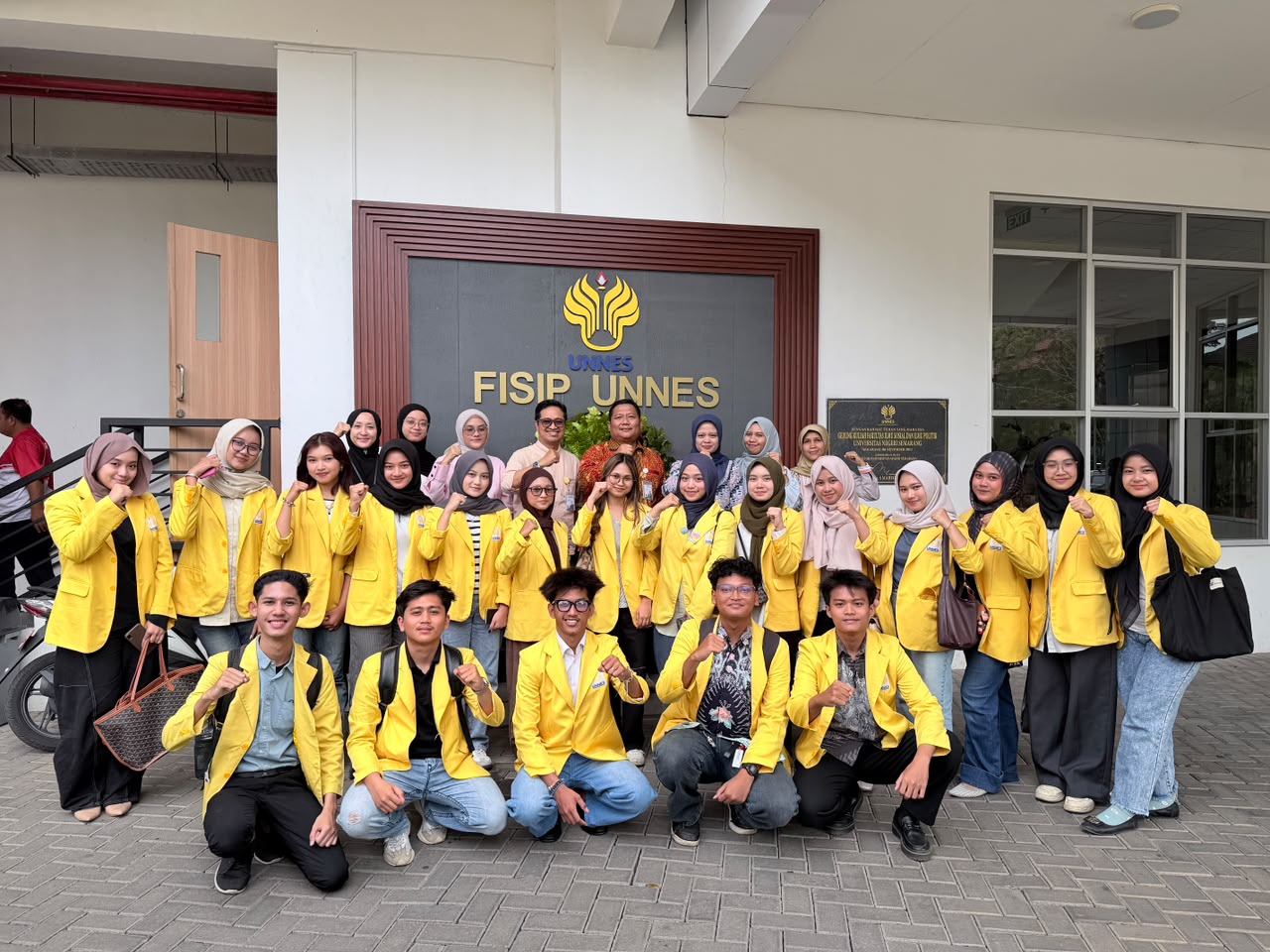
The History Study Program at UNNES is also taking part in the commemoration. Nina Witasari, a historian and lecturer in the History Study Program, presented Arthur Rimbaud and Java: A Brief Historical Journey, exploring Rimbaud’s short but significant connection with Java.
Connecting French Literary History with Java
Nina explained that Rimbaud was not only one of France’s most influential poets but also spent a brief period in the Dutch East Indies after abandoning his literary career.
In 1876, at the age of 21, Rimbaud enlisted in the Koninklijk Nederlands-Indisch Leger (KNIL), the Royal Netherlands East Indies Army. The decision gave him an opportunity to travel to the Dutch East Indies.
Rimbaud arrived in Batavia, present-day Jakarta, on July 22, 1876. Eight days later, he continued his journey by steamship to Semarang. From Semarang, he travelled by railway towards Kedungjati and Tuntang before continuing on foot to Salatiga.
“Rimbaud’s journey through Java shows how French literary history can be explored through local places in Java. His route from Batavia to Semarang, Kedungjati, Tuntang, and Salatiga brings together the histories of human mobility, transportation, colonialism, and global connections,” Nina said.
The journey is particularly significant because Rimbaud travelled through Java during the early development of the island’s railway network. His story therefore connects the history of French literature with the history of transportation and colonial Java.
“By retracing Rimbaud’s journey, we are not simply remembering a French poet. We are also exploring how global history was experienced and recorded through local places in Java,” she said.
Rimbaud’s stay in Java, however, was short-lived. On August 15, 1876, he deserted the KNIL while in Salatiga. His whereabouts subsequently became uncertain before he eventually returned to France later that year.
Bringing History into the Public Sphere
The involvement of the History Study Program at UNNES goes beyond presenting information about Rimbaud. It demonstrates how historical research can be brought into the public sphere and contribute to international cultural dialogue.
Rimbaud’s journey is explored through places associated with his route, including Semarang, Kedungjati, Tuntang, and Salatiga.
Through this approach, history is not treated merely as a story of the past. Instead, it becomes a way of helping the public understand the connections between people, places, technology, mobility, and social change.
“History becomes more meaningful when people can discover the connection between events in the past and the places where they live today. Rimbaud’s trail gives us an opportunity to bring history closer to the public,” Nina said.
For the History Study Program at UNNES, the commemoration also demonstrates the importance of connecting academic historical research with public engagement.
The story of Rimbaud provides an example of how an event that took place 150 years ago can gain new relevance when interpreted through local places and contemporary cultural initiatives.
A Historical Trail for Stronger Semarang-France Relations
Semarang Mayor Agustina Wilujeng Pramestuti said Rimbaud’s journey provides an opportunity to strengthen cultural relations between Semarang and France.
According to Agustina, the historical sites connected with Rimbaud’s journey in Semarang, Kedungjati, Tuntang, and Salatiga should not be seen merely as remnants of the past. They can also become foundations for future cultural cooperation.
“The relationship between Semarang and France grows from historical traces. Rimbaud’s journey was brief, but its legacy has created a much longer space for encounters in culture, literature, art, and collaboration between people,” Agustina said.
She emphasized that historical sites connected to Rimbaud can serve as symbols of the encounter between Indonesia and France.
“History is not only a story of the past. It is a source of inspiration for the future. We want these historical traces to become new spaces for cooperation and collaboration between Semarang and France,” she said.
Agustina added that the relationship needs to be continuously nurtured through cultural initiatives so that history does not remain merely a memory.
“The trust that has grown between us must continue to be nurtured. From these historical traces, we can build an even closer relationship between Semarang and France,” she said.
France Sees Semarang as a Space for Cultural Exchange
French Ambassador to Indonesia Fabien Penone said Rimbaud’s journey through Central Java has evolved into a symbol of the long-standing cultural relationship between France and Indonesia.
According to Penone, the 150th anniversary should not simply be an occasion to remember the past but should also open new opportunities for literary and cultural cooperation. “Arthur Rimbaud’s journey through Central Java has become a symbol of the cultural ties that have long existed between France and Indonesia,” Penone said.
He highlighted Semarang’s importance as one of the places connected to Rimbaud’s journey and as a potential space for contemporary cultural exchange. “150 years after Arthur Rimbaud’s journey across Central Java, we are not simply looking back at the past. We are using this historical trail to open new spaces for artistic and cultural dialogue,” he said.
One of the concrete outcomes of this cooperation is the Rimbaud Residency Program, designed as a reciprocal literary exchange between French and Indonesian writers. “The Rimbaud Residency is a concrete step toward transforming historical memory into cultural dialogue for the present and the future,” Penone said.
French writer Louis-Philippe Dalembert has been selected as the first resident. He will spend three months in Semarang, from September to November 2026.
During his residency, Dalembert will work at Lawang Sewu and engage with Indonesian writers, students, researchers, and readers through public discussions, workshops, and literary events.
In return, an Indonesian writer will undertake a three-month residency in France in early 2027.
From Historical Memory to Cultural Collaboration
The series of initiatives demonstrates how a historical trail can evolve into contemporary cultural cooperation.What began in 1876 as a brief journey by a young French poet has, 150 years later, become a meeting point for history, literature, education, and cultural diplomacy.
For the History Study Program at UNNES, the 150th anniversary of Rimbaud’s journey demonstrates the strategic role of history in building connections between communities and nations.
Semarang, Kedungjati, Tuntang, and Salatiga are no longer merely places along Rimbaud’s historical route. They have become part of a broader narrative connecting the history of Java with the history of France.“From a journey that lasted only a short time, we can see how a historical trail can have a much longer life. Our task today is to preserve, interpret, and develop that trail so that it can create meaning for future generations,” Nina said.
From the trail of a French poet 150 years ago, new spaces for cultural encounters are emerging. From history comes literary collaboration. And from the traces of the past, the relationship between Semarang and France continues to grow toward the future.
The initiative also contributes to the Sustainable Development Goals (SDGs), particularly SDG 11 on Sustainable Cities and Communities by promoting the preservation and meaningful use of historical and cultural heritage. At the same time, the growing partnership between Semarang and France reflects SDG 17 on Partnerships for the Goals, demonstrating how historical memory can foster sustainable international collaboration in education, literature, and culture.