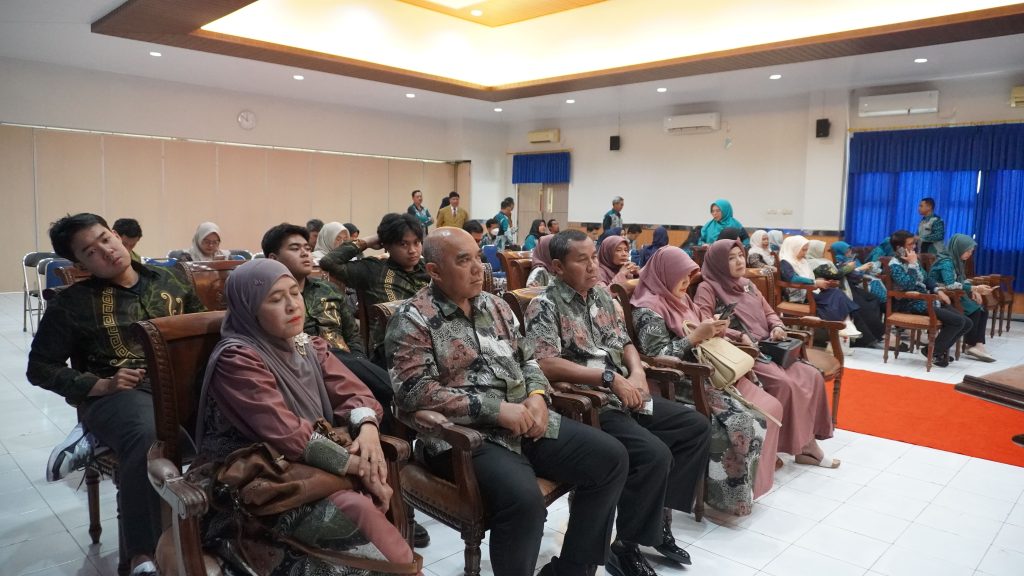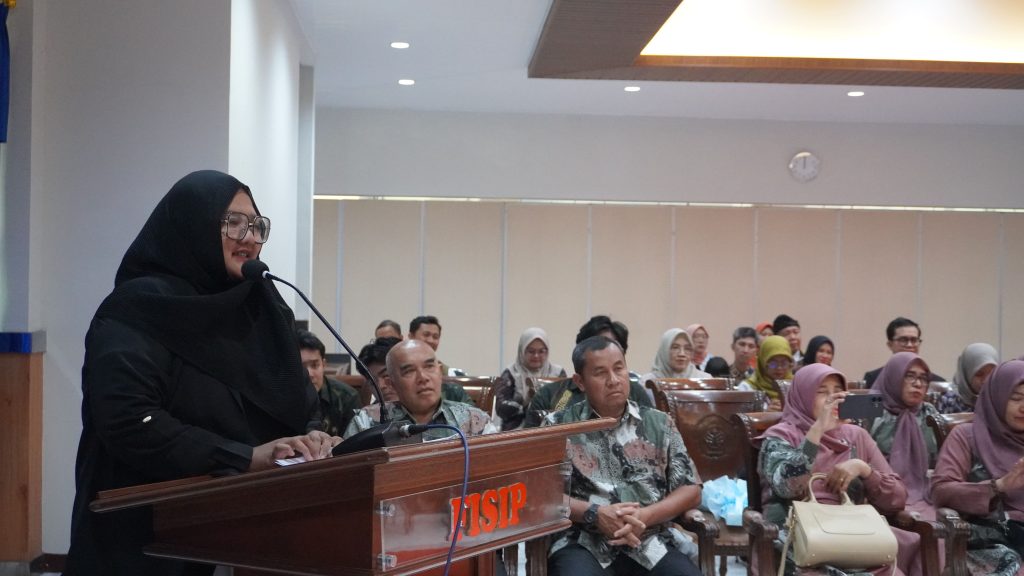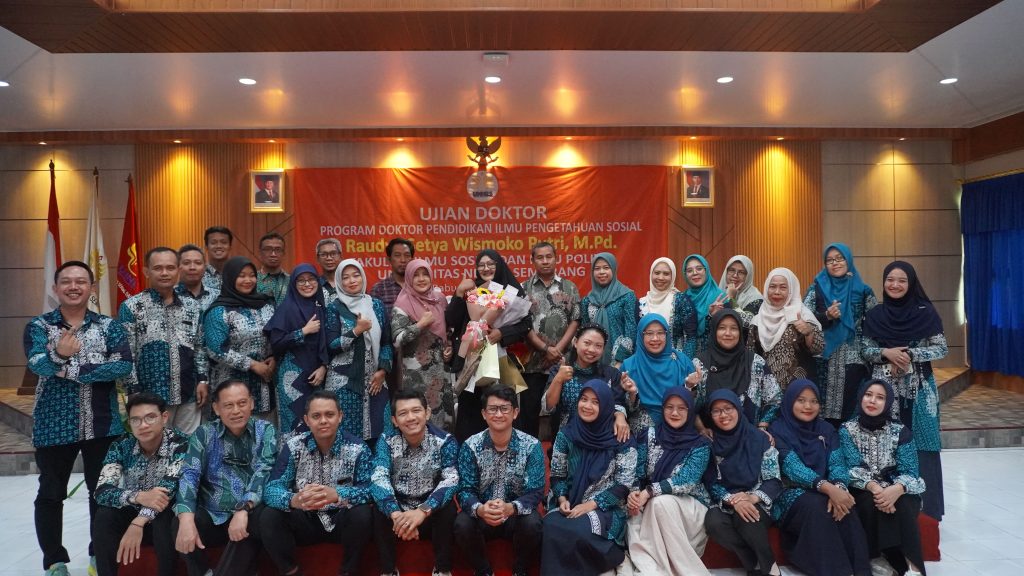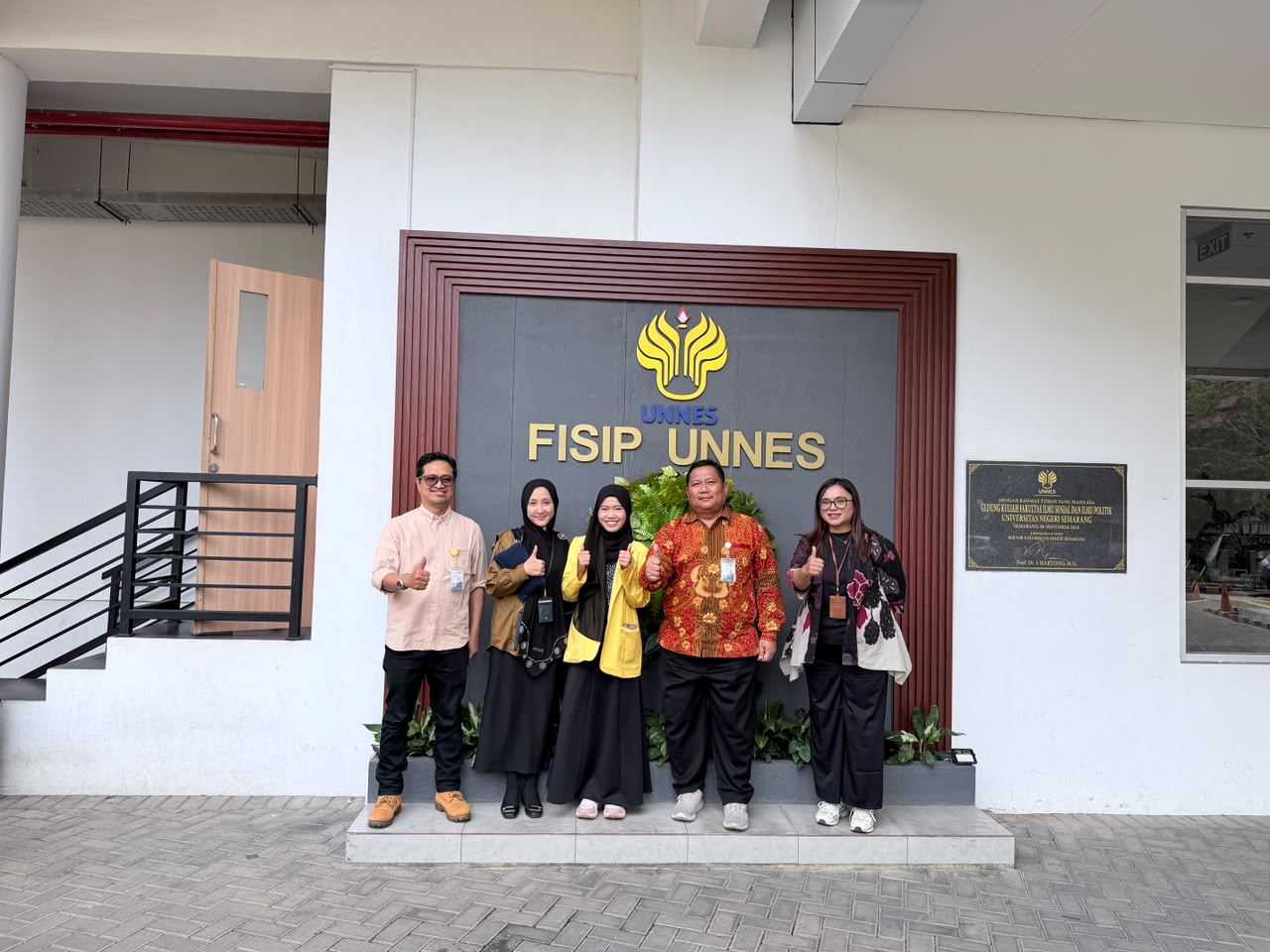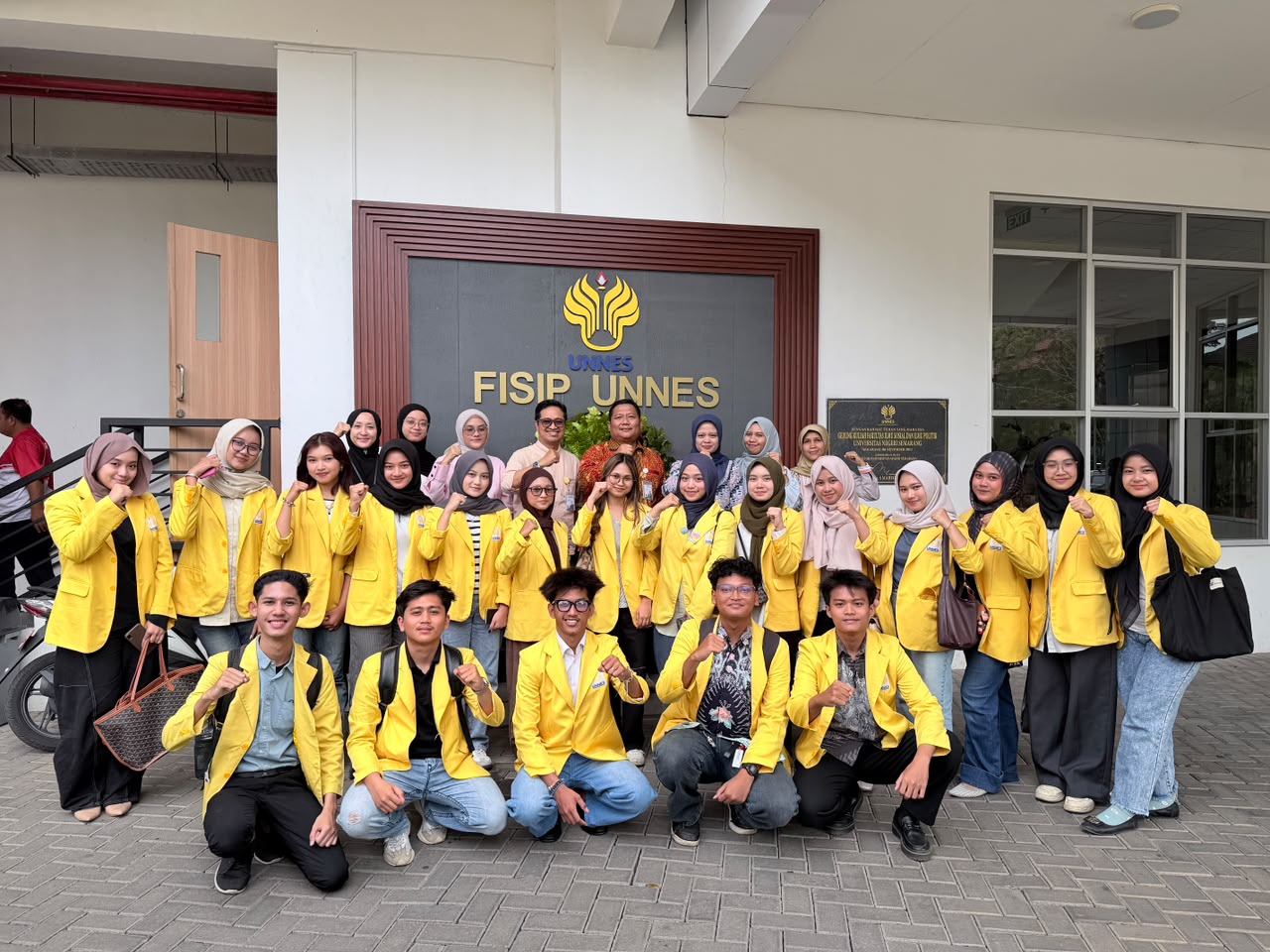


Semarang – A proud academic milestone has been achieved by the Doctoral Program in Social Studies Education (S3 Pendidikan Ilmu Pengetahuan Sosial/PIPS), Faculty of Social and Political Sciences (FISIP), Universitas Negeri Semarang (UNNES). Doctoral candidate Raudya Setya Wismoko Putri has successfully completed her Closed Doctoral Dissertation Defense (Stage I), marking a significant step toward earning her doctoral degree. The examination was conducted in accordance with the Dean’s Decree of FISIP UNNES No. B/569/UN37.1.3/PK.03.00/2026 concerning the Appointment of the Examination Committee for the Closed Dissertation Defense (Stage I).
During the examination, Raudya presented her dissertation entitled “Strategies for Strengthening Social Resilience Among Fishing Families in Ujungalang Village, Kampung Laut District, Cilacap.” Her research examines strategies to enhance the social resilience of coastal fishing families in coping with increasingly complex social, economic, and environmental challenges. The dissertation title is officially stated in the university’s dissertation examination document.
The closed dissertation defense represents a crucial academic stage designed to evaluate the scientific quality, originality, research methodology, and scholarly contribution of a doctoral dissertation before the candidate proceeds to the final public dissertation defense. During this examination, the candidate presents and defends the findings of the research before a panel of distinguished examiners through rigorous academic discussion.
The examination committee appointed by FISIP UNNES consisted of Prof. Dr. Arif Purnomo, S.Pd., S.S., M.Pd. as Chair of the Examination Committee, Dr. sos. Puji Lestari, M.Si. as Secretary, and committee members Prof. Dr. Drs. Saliman, M.Pd., Dr. Apik Budi Santoso, M.Si., Prof. Dr. Thriwaty Arsal, M.Si., Dr. Rahma Hayati, S.Si., M.Si., and Prof. Dr. Eva Banowati, M.Si.
Raudya’s dissertation makes a valuable contribution to the advancement of Social Studies Education, particularly in understanding the dynamics of coastal communities. The study highlights the importance of strengthening the social resilience of fishing families, who face numerous challenges, including climate change, economic uncertainty, limited access to public services, and rapid social transformation.
Through a comprehensive scientific approach, the research is expected to provide practical recommendations for governments, policymakers, and local communities in designing more adaptive, inclusive, and sustainable empowerment programs for coastal fishing families.
Successfully completing the Closed Dissertation Defense (Stage I) represents a significant milestone in Raudya Setya Wismoko Putri’s doctoral journey. This achievement also reflects the commitment of the Doctoral Program in Social Studies Education at FISIP UNNES to producing scholars capable of generating research-based solutions to contemporary social issues.
The entire academic community of FISIP UNNES extends its warmest congratulations to Raudya Setya Wismoko Putri on successfully completing this important stage of her doctoral studies. May she continue to achieve success in the subsequent phases of her academic journey and ultimately earn her doctoral degree. It is also hoped that her research findings will provide meaningful contributions to the advancement of knowledge, the empowerment of coastal communities, and Indonesia’s sustainable development.
This academic accomplishment is closely aligned with Universitas Negeri Semarang’s commitment to advancing the Sustainable Development Goals (SDGs). The research on strengthening the social resilience of fishing families contributes directly to SDG 1 (No Poverty) by enhancing the social capacity of vulnerable coastal communities to overcome economic challenges. It also supports SDG 11 (Sustainable Cities and Communities) by promoting resilient and sustainable coastal communities, as well as SDG 14 (Life Below Water) through efforts to strengthen the sustainability of communities whose livelihoods depend on coastal and marine ecosystems. Furthermore, the study advances SDG 4 (Quality Education) by contributing evidence-based academic research that supports innovative, inclusive, and sustainable social development.