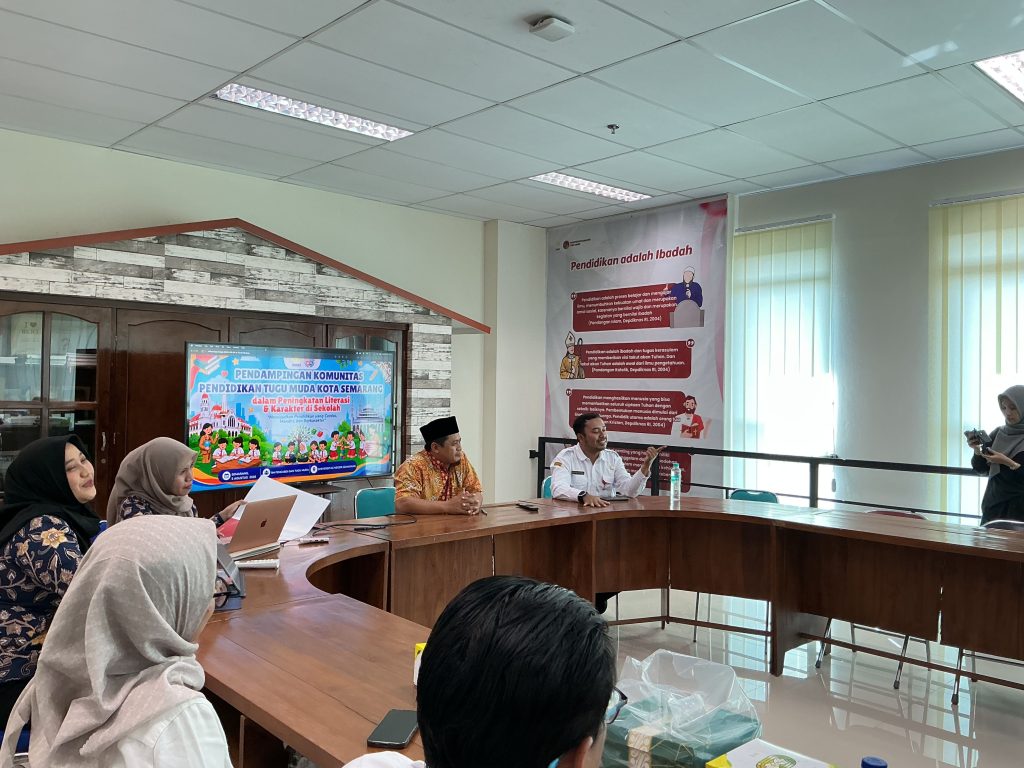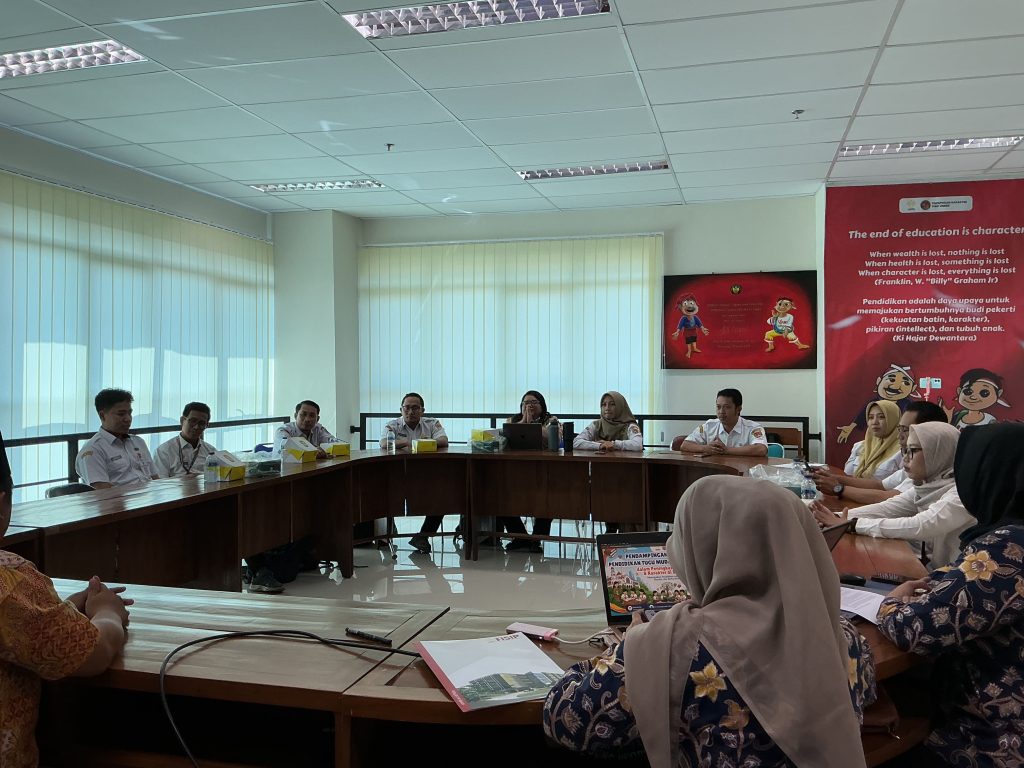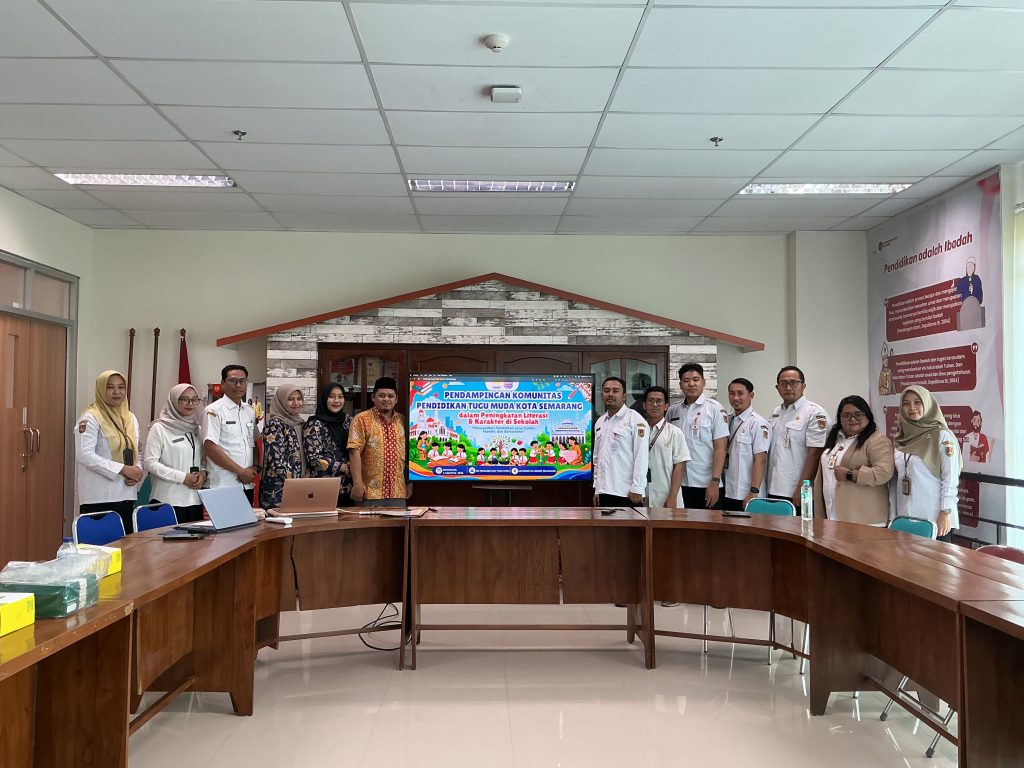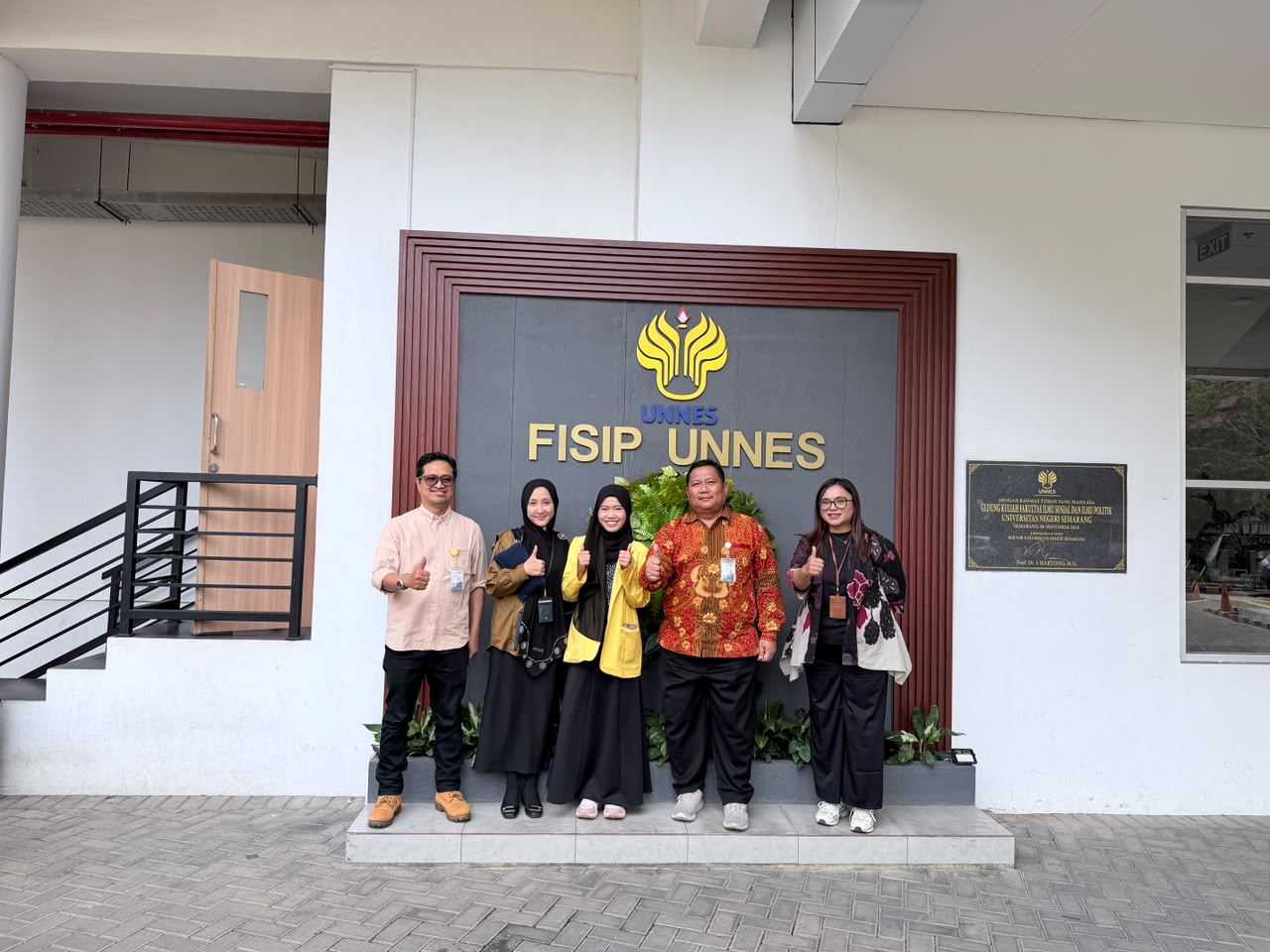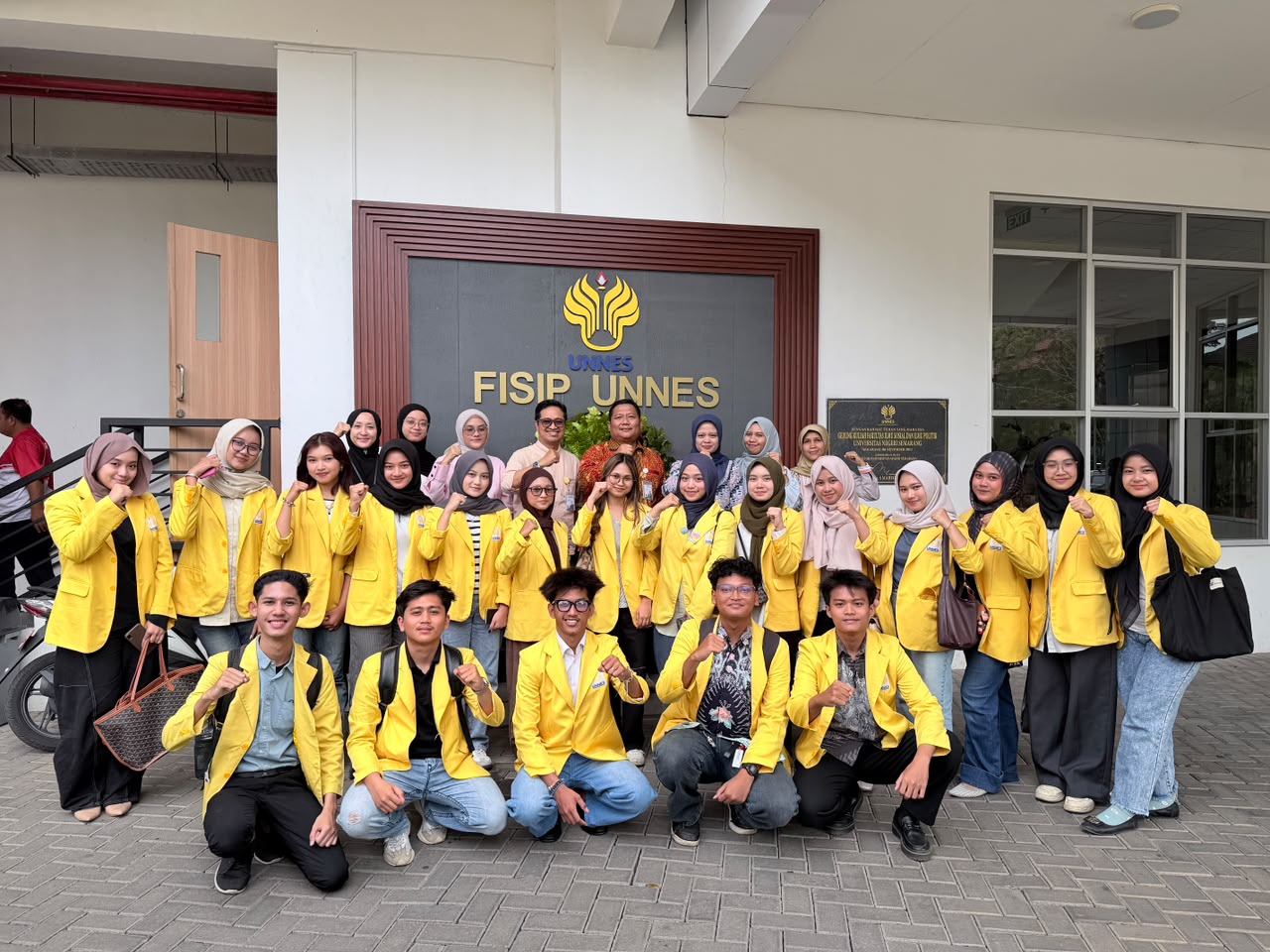


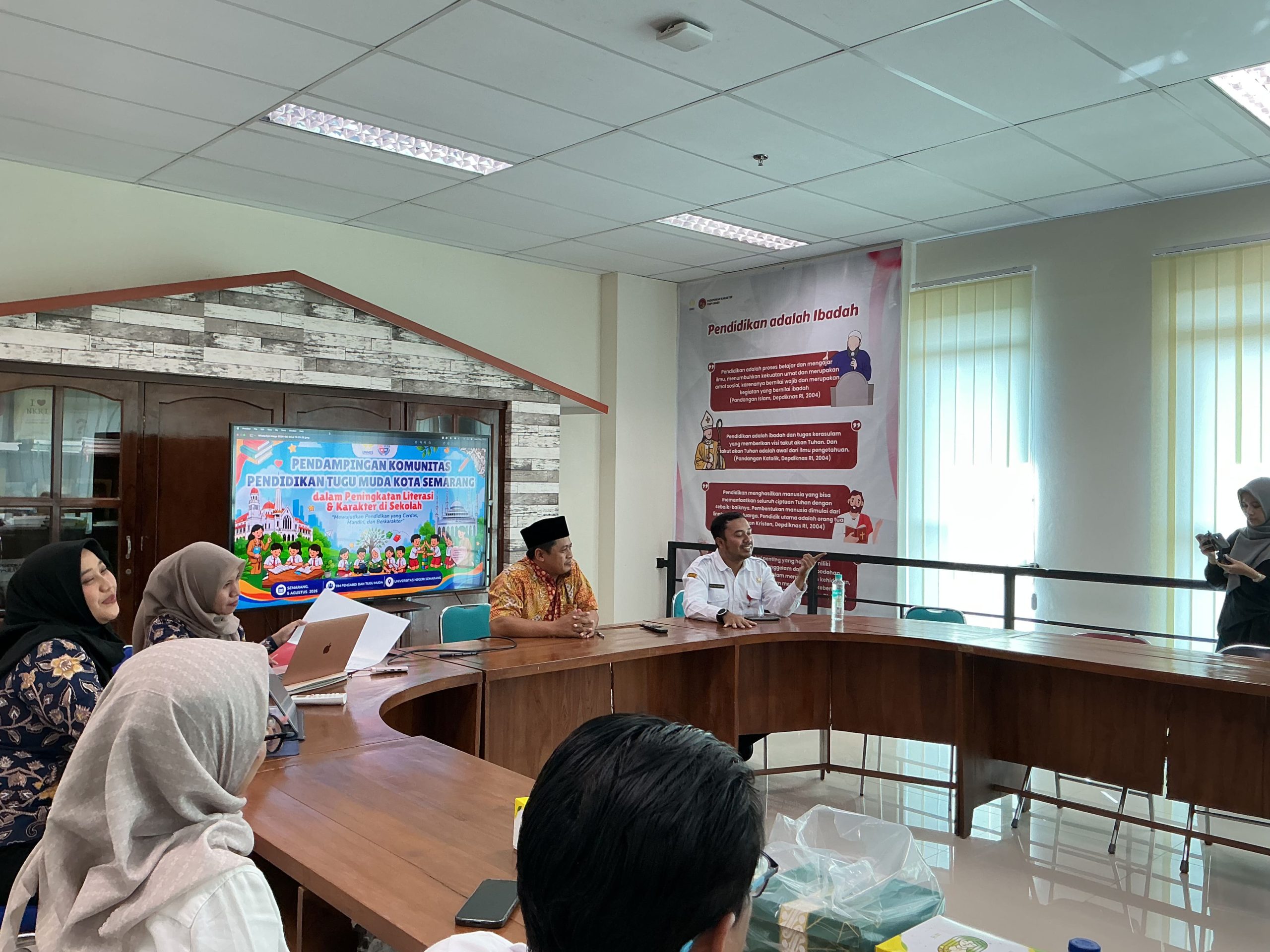
Wednesday, August 5, 2026, The Community Service Team of Universitas Negeri Semarang (UNNES) held a Focus Group Discussion (FGD) entitled “Supporting the Semarang City Education Community in Improving Literacy and Character in Schools” at the Faculty of Social and Political Sciences (FISIP) UNNES. The activity brought together teachers and education practitioners from several elementary schools in Semarang City—including SD Tugurejo, SD Nongkosawit, SD Jatisari, and SD Sedeng 1—along with the Tugumuda Community (Transformasi Guru Menuju Unggul dan Berbudaya/Teacher Transformation toward Excellence and Cultural Awareness) of Semarang City to share experiences and formulate joint strategies for the wise use of artificial intelligence (AI) technology in school environments.
The activity was conducted by a community service team led by Prof. Dr. Ngabiyanto, M.Si., with team members Prof. Dr. Tommi Yuniawan, M.Hum.; Dr. Asep Purwo Yudi Utomo, M.Pd.; Iwan Hardi Saputro, S.Pd., M.Si.; Himmatul Ulya, S.IP., M.I.Kom.; and Niswa Adlina Labiba, S.I.P., M.Sos., and involved students from the Faculty of Languages and Arts at UNNES. Through the forum, participants discussed various experiences from their respective schools as well as the challenges emerging from the increasing use of digital devices and AI by students, both at school and at home.
The discussion was driven by the growing awareness that digital technology has become an inseparable part of students’ lives. Participants agreed that AI can serve as a useful tool in supporting learning, but its use must be accompanied by appropriate guidance. The application of technology should not undermine the essence of deep learning or diminish the emotional connection established between teachers and students.
Representatives of SD Nongkosawit shared their experience regarding the importance of establishing agreements on digital device use from an early age. Before such an agreement was introduced, students’ use of digital devices tended to be uncontrolled and had an impact on their behavior. The school subsequently developed an educational approach through a “gadget-free movement” and education on the ethical use of AI. The initiative received positive responses from parents and resulted in a student-produced book entitled “Harta Karun.”
Another good practice was shared by a teacher who received the Canva Ambassador Award for utilizing Canva and AI in classroom learning. The teacher explained that AI can help reduce part of teachers’ administrative workload, such as preparing lesson plans and learning media. However, AI remains a supporting tool, as teachers are still responsible for modifying, reviewing, and validating the final products before they are used in the learning process.
The teacher also emphasized the importance of caution when using AI platforms, particularly when uploading students’ data and photographs. Protecting children’s personal data is an important concern, especially because not all schools in Semarang City have the same level of readiness in implementing digitalization.
Meanwhile, the participants also highlighted challenges at the parental level. Some parents were considered not yet fully aware of the procedures, benefits, and potential consequences of the digitalization of learning at their children’s schools. This condition demonstrates that strengthening digital literacy should not be directed only at students but should involve the entire education ecosystem, including teachers and families.
At the end of the discussion, the Tugumuda Community expressed several expectations for the continuation of the program. These included expanding partnerships with the Semarang City Government and various literacy forums, organizing AI utilization training for educators, and providing digital literacy education more broadly by involving students, parents, and teachers. These efforts are expected to ensure that the use of AI in schools can be carried out wisely, safely, and responsibly.
Through this mentoring and community service initiative, UNNES reaffirmed its commitment to continuously supporting the education community in Semarang City in developing strategies to strengthen student literacy and character amid the rapid development of AI technology. A collaborative approach involving universities, schools, education communities, and families is expected to help establish a learning ecosystem that is adaptive to technological developments without losing sight of human values and character education.
This activity also contributes to the achievement of the Sustainable Development Goals (SDGs), particularly SDG 4: Quality Education, by strengthening students’ literacy, character, and digital competencies while enhancing teachers’ capacity to utilize AI wisely and responsibly. Education on AI ethics, the protection of children’s personal data, and efforts to maintain a balance between technology and teacher–student interaction also contribute to creating a learning environment that is safe, inclusive, and adaptive to technological change.
In addition, strengthening partnerships among UNNES, schools, the Tugumuda Community, parents, and other stakeholders in Semarang City aligns with SDG 17: Partnerships for the Goals. Cross-sector collaboration demonstrates the importance of bringing together different stakeholders to develop sustainable and responsive educational solutions in the digital era.