FISIP UNNES’ Giat Internasional 6 Strengthens Indonesia–Malaysia Relations through Traditional Cuisine

Universitas Negeri Semarang > Faculty of Social Sciences and Political Science > News > FISIP UNNES’ Giat Internasional 6 Strengthens Indonesia–Malaysia Relations through Traditional Cuisine

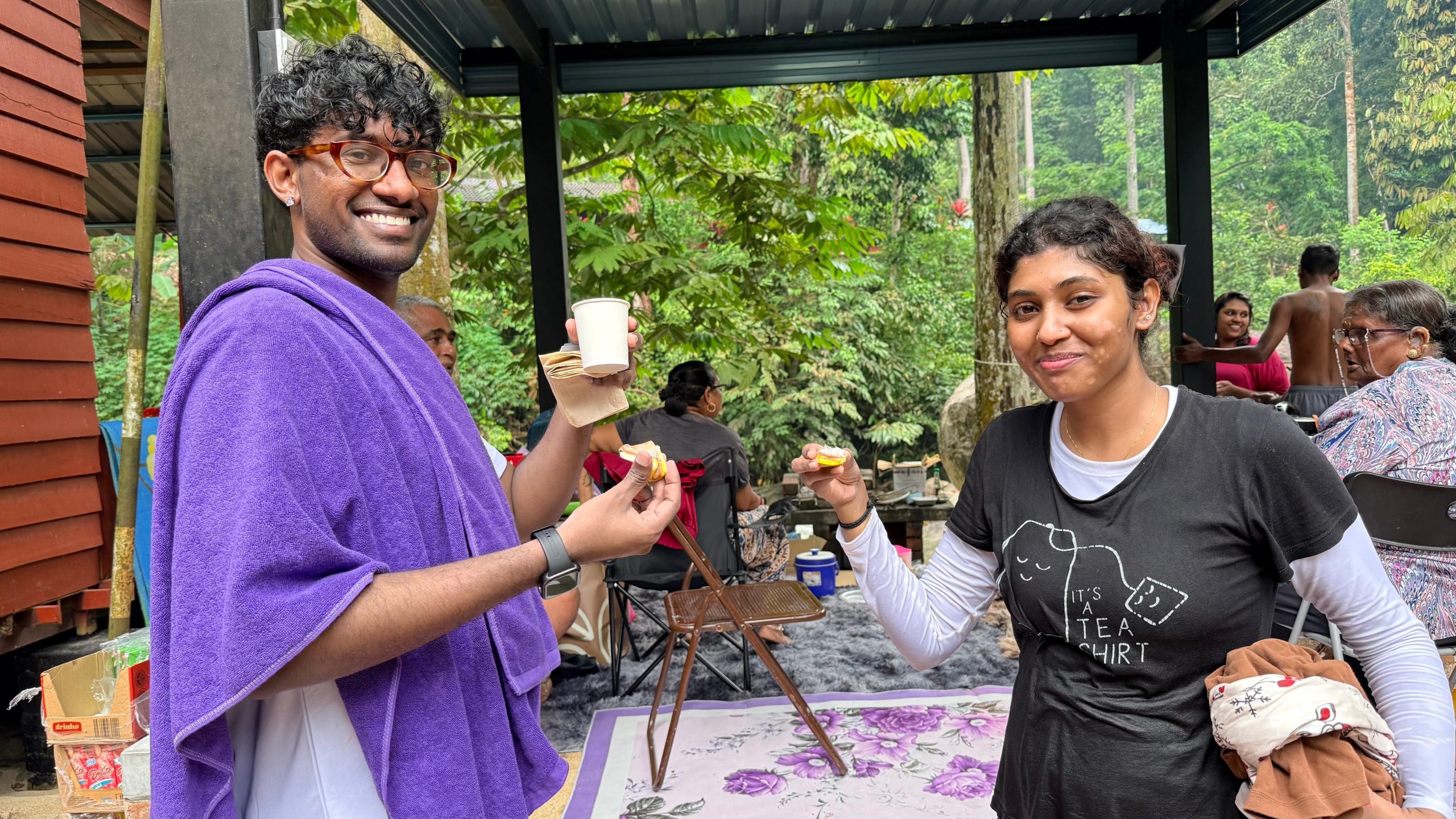
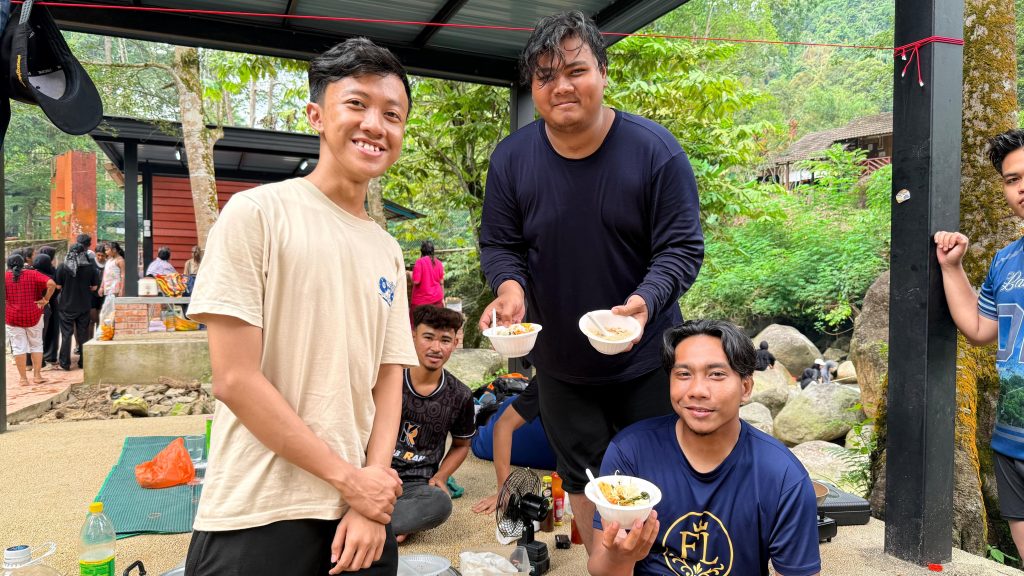
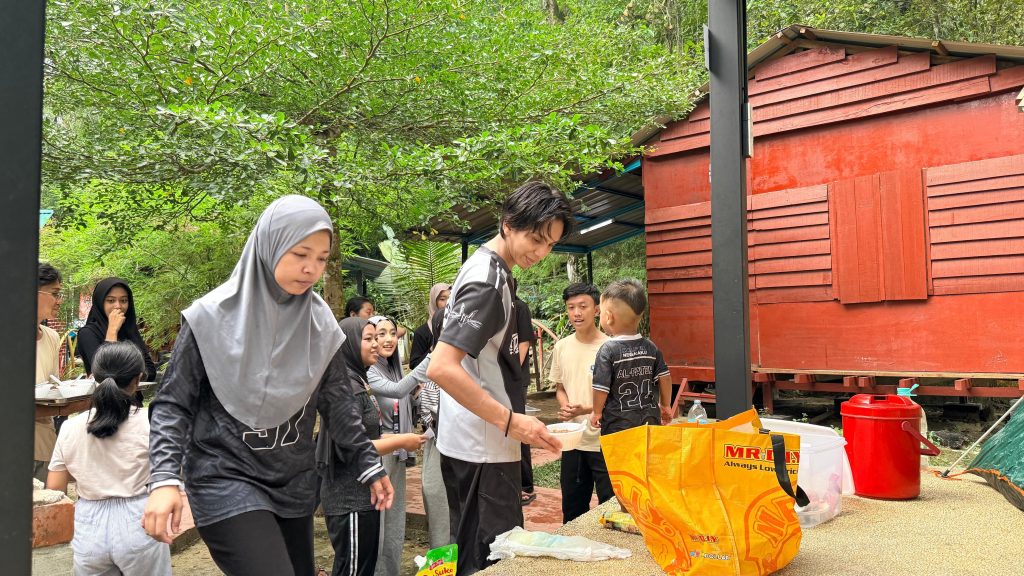
Kalumpang, Malaysia – A spirit of togetherness and mutual cooperation characterized the Rewang Serumpun activity organized by students participating in Giat Internasional 6 of the Faculty of Social and Political Sciences (FISIP), Universitas Negeri Semarang (UNNES), in collaboration with Universiti Teknologi Malaysia (UTM) and the local community at Inki River, Kalumpang, Malaysia, on August 3, 2026. The activity was part of the Giat Internasional 6 program in Malaysia and served as a platform for cultural interaction and exchange between Indonesian students and the Malaysian community.

Rewang Serumpun was carried out through the sharing and introduction of traditional foods from both countries. The Giat Internasional 6 students shared several Indonesian traditional foods, namely gethuk, pecel, and jamu, with the local community around Inki River. Meanwhile, bubur lambuk, a traditional Malaysian dish, became part of the culinary exchange, allowing participants to share and learn about local food traditions.

The activity involved Giat Internasional 6 students, UTM, and the local community of Kalumpang as both participants and partners. Interaction took place directly through the distribution and introduction of traditional foods. The activity was conducted collaboratively and interactively, emphasizing the spirit of “rewang serumpun”, which represents mutual cooperation, togetherness, and social solidarity between the Indonesian and Malaysian communities.

Through the sharing of food, students not only introduced the richness of Indonesian traditional cuisine but also had the opportunity to learn about Malaysian culinary traditions. Gethuk, pecel, and jamu served as a medium for introducing Indonesia’s cultural identity and diversity, while bubur lambuk provided an opportunity for students to gain a deeper understanding of the culinary heritage and traditions of the local community.

For the students, Rewang Serumpun also served as an experiential learning activity in an international environment. Direct interaction with the local community provided opportunities for students to develop communication skills, build social relationships, and understand cultural diversity through everyday experiences. In this way, the activity expanded students’ academic experiences beyond the classroom while fostering openness and appreciation for cultural differences.

The Rewang Serumpun activity is relevant to the achievement of the Sustainable Development Goals (SDGs), particularly SDG 4: Quality Education, through experiential learning and the development of students’ social and intercultural competencies. The activity also contributes to SDG 11: Sustainable Cities and Communities, particularly by promoting and preserving cultural heritage through traditional cuisine.

Furthermore, the collaboration among Giat Internasional 6 students, UTM, and the local community supports SDG 17: Partnerships for the Goals. This cross-institutional and cross-border collaboration demonstrates that relations between Indonesian and Malaysian communities can be strengthened through simple activities that emphasize interaction, sharing, and mutual cooperation.

Ultimately, Rewang Serumpun was not merely a food-sharing activity but also served as a form of cultural diplomacy and intercultural learning. Through traditional cuisine, Indonesian students and the Malaysian community came together in a spirit of togetherness to learn about, appreciate, and strengthen relations between two neighboring communities as part of the broader Malay world.
Related Posts

Leave a Reply

* Kode Akses Komentar:

* Tuliskan kode akses komentar diatas:

GDPR

  • Privacy Policy

Privacy Policy

At unnes.ac.id, the privacy of our visitors is of extreme importance to us. This privacy policy document outlines the types of personal information that is received and collected by unnes.ac.id and how it is used.

Log Files

Like many other Web sites, unnes.ac.id makes use of log files. The information inside the log files includes internet protocol (IP) addresses, type of browser, Internet Service Provider (ISP), date/time stamp, referring/exit pages, and number of clicks to analyze trends, administer the site, track user’s movement around the site, and gather demographic information. IP addresses and other such information are not linked to any information that is personally identifiable.

Cookies

unnes.ac.id uses cookies to store information about visitors’ preferences, to record user-specific information on which pages the site visitor accesses or visits, and to personalize or customize our web page content based upon visitors’ browser type or other information that the visitor sends via their browser.

Third-party ad servers or ad networks use technology in their respective advertisements and links that appear on unnes.ac.id and which are sent directly to your browser. They automatically receive your IP address when this occurs. Other technologies (such as cookies, JavaScript, or Web Beacons) may also be used by our site’s third-party ad networks to measure the effectiveness of their advertising campaigns and/or to personalize the advertising content that you see on the site.

unnes.ac.id has no access to or control over these cookies that are used by third-party advertisers.

You should consult the respective privacy policies of these third-party ad servers for more detailed information on their practices as well as for instructions about how to opt-out of certain practices. unnes.ac.id’s privacy policy does not apply to, and we cannot control the activities of, such other advertisers or web sites.

If you wish to disable cookies, you may do so through your individual browser options. More detailed information about cookie management with specific web browsers can be found at the browsers’ respective websites.

Consent

By using our website, you hereby consent to our privacy policy and agree to its terms.

Update

This Privacy Policy was last updated on: 2023-02-14. Should we update, amend or make any changes to our privacy policy, those changes will be posted here.

Contact Us

If you have any questions, comments, or concerns about our Privacy Policy or our practices with regards to your personal information, please feel free to contact us through the contact form on our website or by emailing us at humas[at]mail.unnes.ac.id.

This Privacy Policy is intended as a general guide to our practices in collecting and using information. If there is any inconsistency between this Privacy Policy and the terms of the Service Agreement or any other terms that may apply to specific services you use, then those specific service terms shall apply.

Terms of Use

By using our website, you agree to abide by this Privacy Policy. If you do not agree with this Privacy Policy, please do not use our website. We reserve the right to update this Privacy Policy from time to time without prior notice. Please review our Privacy Policy periodically to check for changes. Your continued use of our website following the posting of changes to this Privacy Policy means that you accept the changes.

Thank you for reading our Privacy Policy. We are committed to protecting the privacy of our website visitors and will continue to update our Privacy Policy to ensure optimal protection.