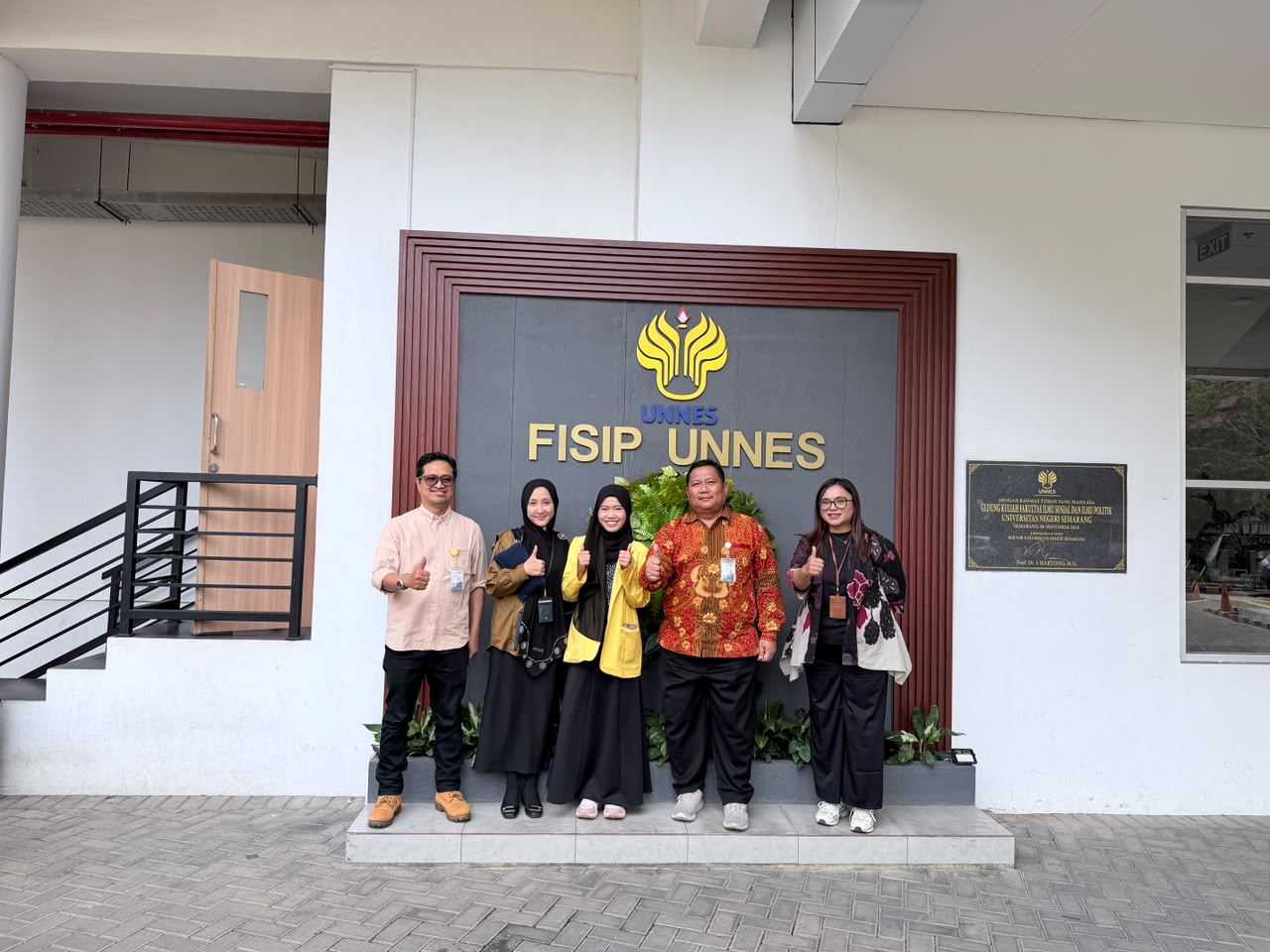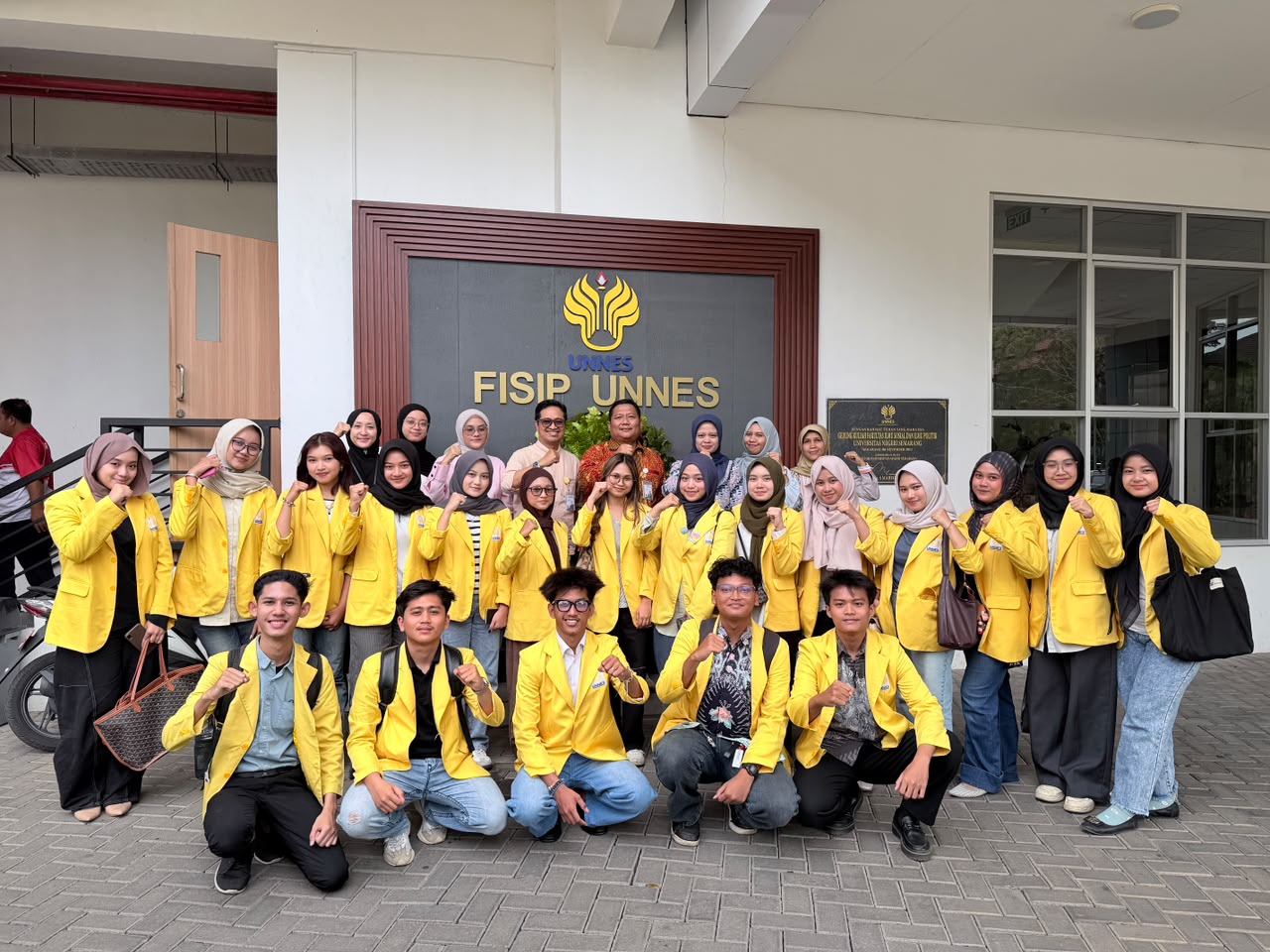


Surakarta – The Association of Sociology and Anthropology Education Study Programs of Indonesia (APPSANTI) held its 2026 National Working Meeting (Rapat Kerja Nasional/Rakernas) at the Faculty of Teacher Training and Education (FKIP), Universitas Sebelas Maret (UNS), Surakarta, on 31 July–1 August 2026. The event served as a strategic forum for representatives of Sociology and Anthropology Education study programs from universities across Indonesia to formulate the association’s strategic agenda, strengthen academic collaboration, and harmonize the national curriculum in response to current higher education policies and societal needs.
The two-day meeting commenced with the official opening ceremony, followed by a keynote talk show, curriculum discussions, commission meetings, a plenary session to endorse APPSANTI’s future work programs, and concluded with a Gala Dinner and Awarding Night. The entire series of activities was designed to foster collaboration among higher education institutions in improving the quality of Sociology and Anthropology Education nationwide.
One of the central agendas of the meeting was the APPSANTI Curriculum Forum, where participants discussed the refinement of graduate competencies for Sociology and Anthropology Education programs. During the session, representatives agreed on several proposed core competencies, including mastery of theoretical concepts in Sociology and Anthropology Education, the ability to solve educational problems procedurally across formal, informal, and non-formal educational settings, and the capacity to adapt to dynamic social change. The forum also formulated essential graduate competencies covering the mastery of sociology and anthropology theories, pedagogical theories, instructional design, implementation and evaluation, as well as the ability to conduct social and educational research.
Heads of study programs and delegates also evaluated the implementation of the existing curriculum while discussing strategies for aligning Outcome-Based Education (OBE) with Indonesia’s National Standards for Higher Education. The discussions aimed to develop a curriculum that is more responsive to scientific advancement, digital transformation, and labor market demands while preserving the distinctive characteristics of Sociology and Anthropology as disciplines dedicated to understanding society and social change.
In addition to curriculum development, the National Working Meeting endorsed APPSANTI’s strategic work plan for the 2024–2029 period. Key priorities include establishing a national curriculum forum, synchronizing graduate learning outcomes (CPL), organizing a National Visiting Lecturer Program, strengthening collaborative research, establishing a forum for journal managers, promoting scholarly publications, conducting professional development programs for lecturers and administrative staff, and expanding national and international partnerships. These initiatives are intended to enhance the quality of education, research, community engagement, and institutional governance among APPSANTI member institutions.
The discussions throughout the meeting were characterized by active and constructive participation. Delegates exchanged ideas on strengthening graduate competencies, harmonizing course structures, promoting practice-oriented learning, and improving accreditation strategies for Sociology and Anthropology Education programs. Through this forum, APPSANTI reaffirmed its role as a national academic association committed to advancing the quality of Sociology and Anthropology Education in Indonesia.
The 2026 National Working Meeting also served as an important platform for strengthening academic networks among universities. The event opened opportunities for future collaboration in research, faculty exchange, joint curriculum development, scholarly publications, and national student programs. Through stronger institutional partnerships, APPSANTI is expected to generate innovative initiatives that contribute to the continuous improvement of Sociology and Anthropology Education across the country.
The implementation of the 2026 APPSANTI National Working Meeting aligns with Indonesia’s commitment to achieving the Sustainable Development Goals (SDGs). The development of a national curriculum based on Outcome-Based Education (OBE) contributes directly to SDG 4 (Quality Education) by improving the quality of higher education and strengthening graduate competencies. Collaborative efforts among universities in curriculum development, research, and institutional capacity building also support SDG 17 (Partnerships for the Goals) through enhanced national and international academic cooperation. Furthermore, the development of graduates equipped with competencies that respond to social change and labor market demands contributes to SDG 8 (Decent Work and Economic Growth) by preparing highly skilled, innovative, and globally competitive human resources.