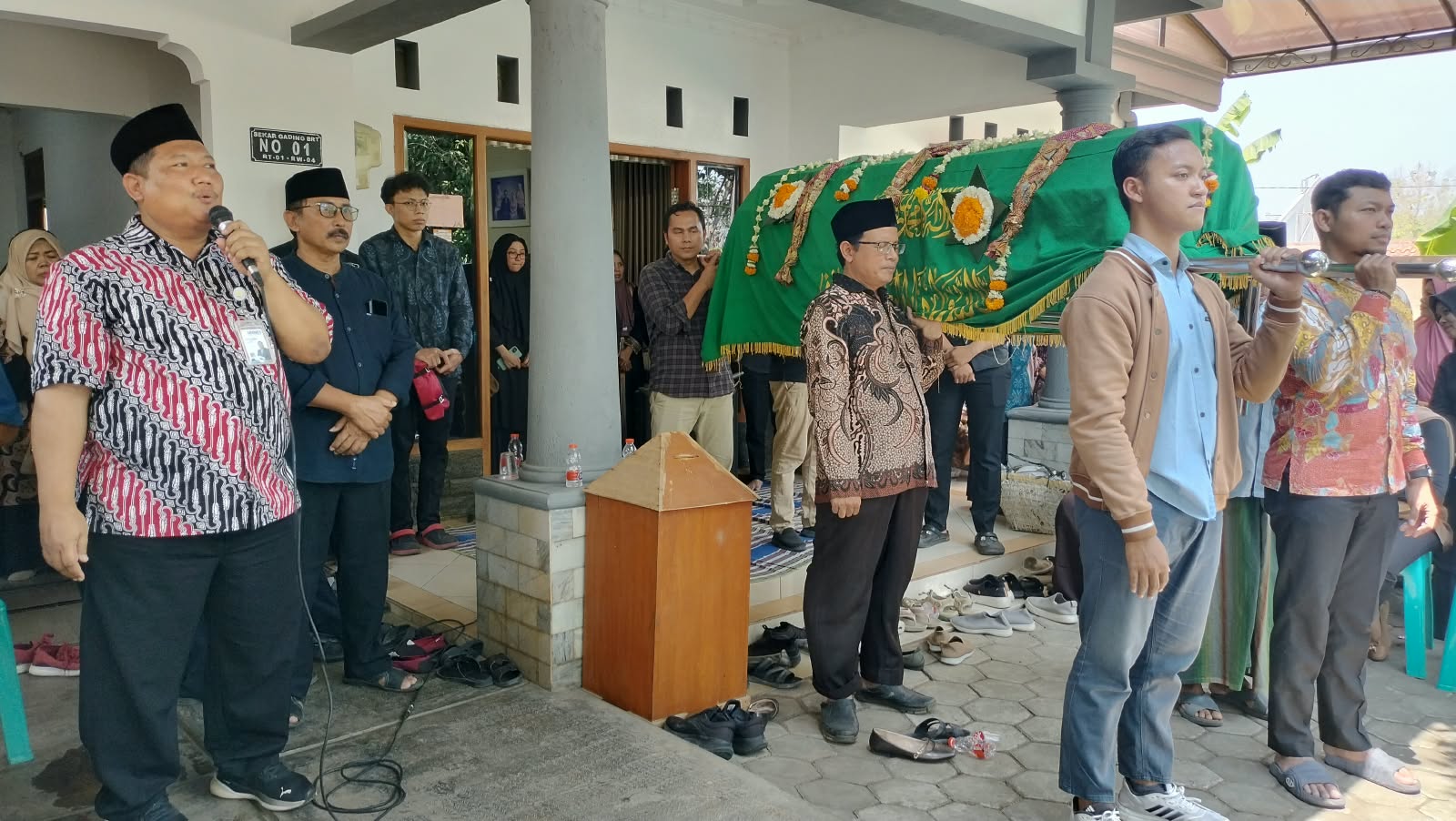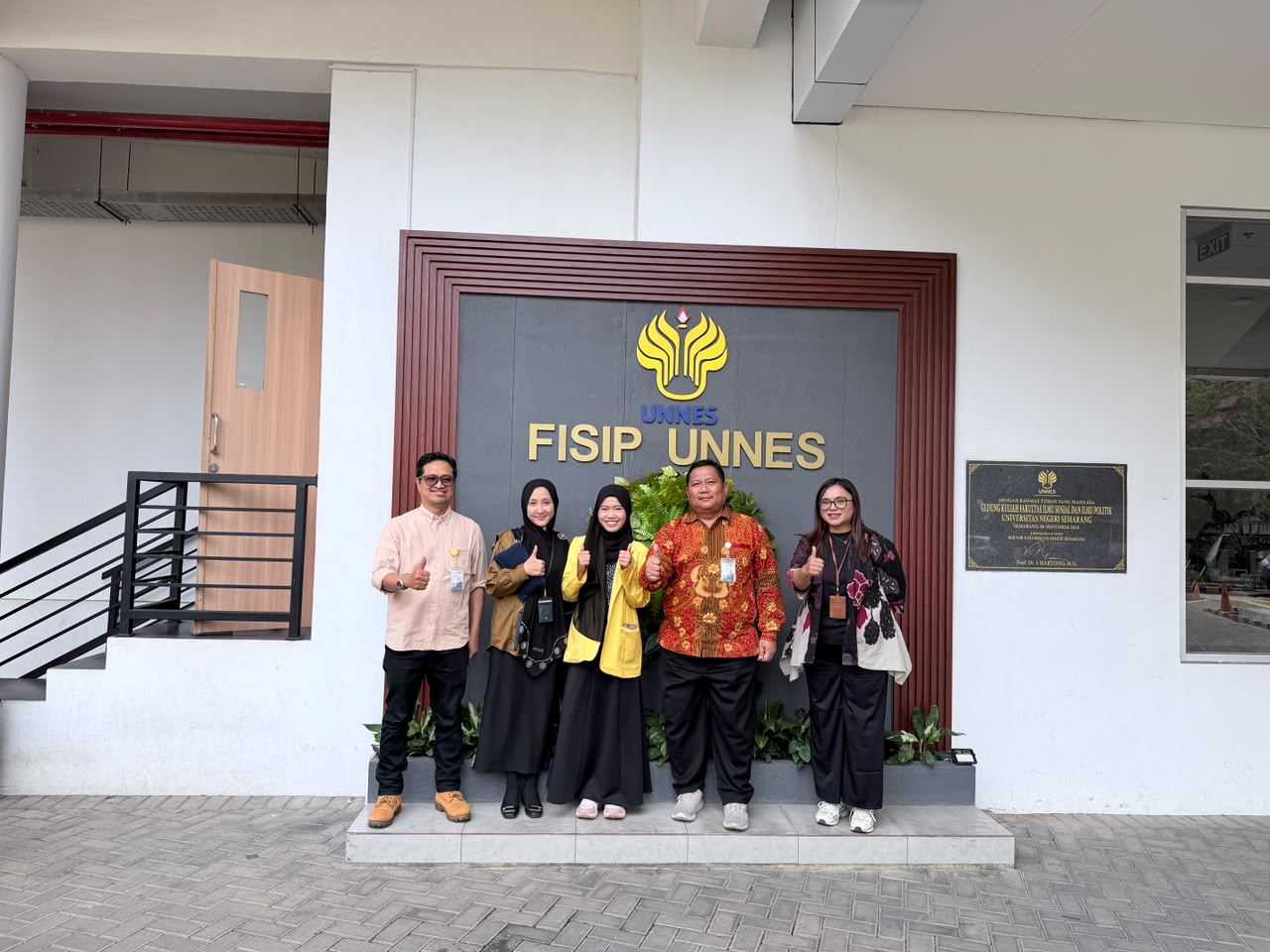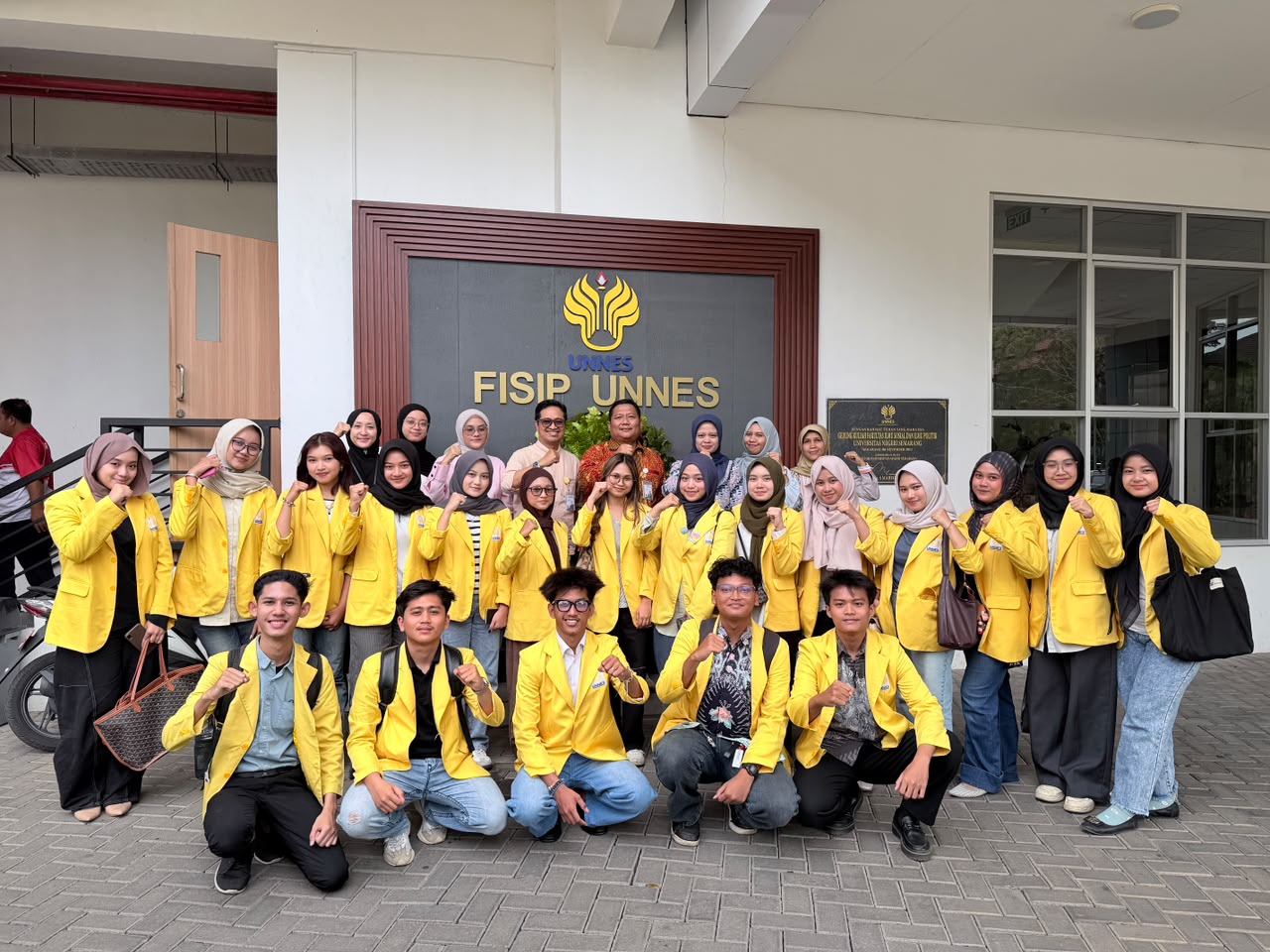


Selangor, Malaysia – Students of the Faculty of Social and Political Sciences (FISIP) at Universitas Negeri Semarang (UNNES) introduced and promoted the preservation of traditional Indonesian cuisine through a Traditional Indonesian Food and Beverage Workshop held at Inki River Park, Selangor, Malaysia, on August 2, 2026. The activity was part of Giat Internasional 6 and served as a platform for cultural exchange among Indonesian students, academics, and the local Malaysian community.
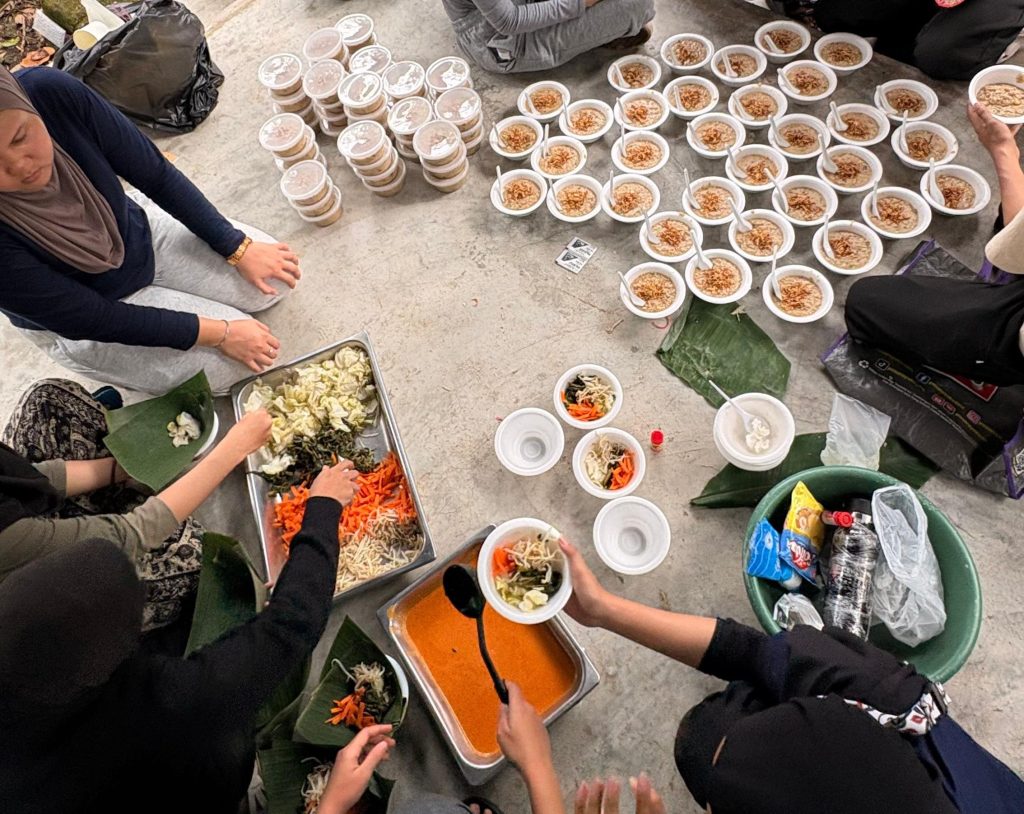
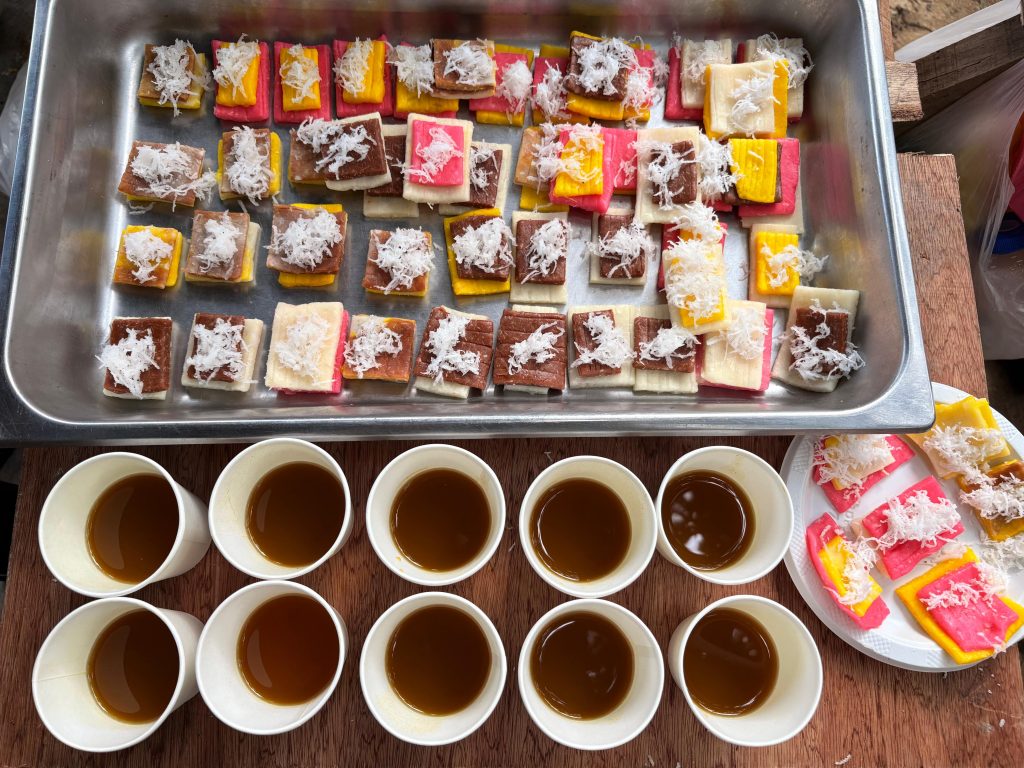
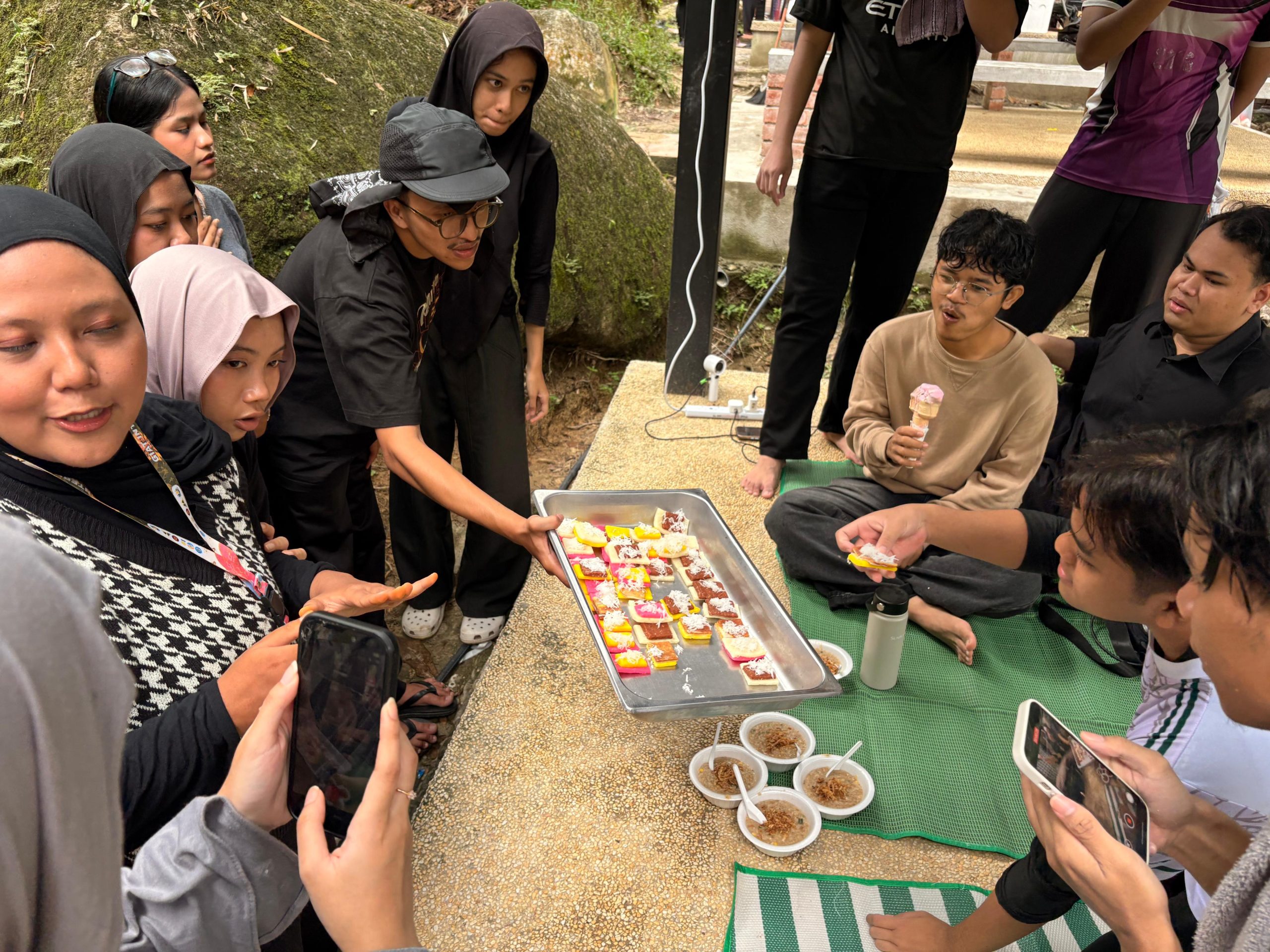
The workshop was conducted interactively through a hands-on cooking session. Participants were introduced to the ingredients, cultural significance, and preparation processes of several traditional Indonesian foods and beverages, namely jamu, pecel, and gethuk. Following the explanations, participants worked together to prepare the dishes and beverages until they were ready to be enjoyed.
The activity involved 46 FISIP UNNES students participating in Giat Internasional 6, along with members of the local community. The workshop was also conducted in collaboration with five lecturers from Universiti Teknologi Malaysia (UTM). As part of the cultural exchange, local community members introduced a traditional Malaysian dish through a bubur lambuk preparation activity involving six local residents.
The interaction through cooking provided participants with a direct experience of Indonesian culinary traditions while also allowing them to learn about the diversity of food traditions in Malaysia. This experiential learning approach positioned food not merely as something to be consumed, but also as a medium for introducing cultural identity, fostering intercultural communication, and strengthening relationships among communities.
For FISIP UNNES students, the activity provided an opportunity to gain learning experiences in an international environment. Their involvement in cooking activities, interaction with local residents, and collaboration with UTM academics created opportunities to develop communication and teamwork skills while gaining a deeper understanding of cultural diversity through direct experience.
The workshop also contributed to the Sustainable Development Goals (SDGs), particularly SDG 4: Quality Education. Through experiential learning and cultural exchange, the activity supported participants in developing knowledge and understanding of cultural diversity and global communities. The preservation of traditional cuisine is also relevant to SDG 11: Sustainable Cities and Communities, particularly in relation to protecting and strengthening cultural heritage.
In addition, collaboration among FISIP UNNES, UTM, students, and the local community supported SDG 17: Partnerships for the Goals. The cross-institutional and cross-border collaboration demonstrated how education and cultural preservation can be advanced through partnerships involving higher education institutions and local communities.
Through Giat Internasional 6, FISIP UNNES not only provided students with international academic experiences but also promoted cultural diplomacy through activities closely connected to everyday life. Jamu, pecel, gethuk, and bubur lambuk became a medium for bringing Indonesian and Malaysian communities together in an atmosphere of learning, sharing, and mutual appreciation of their respective cultural traditions.