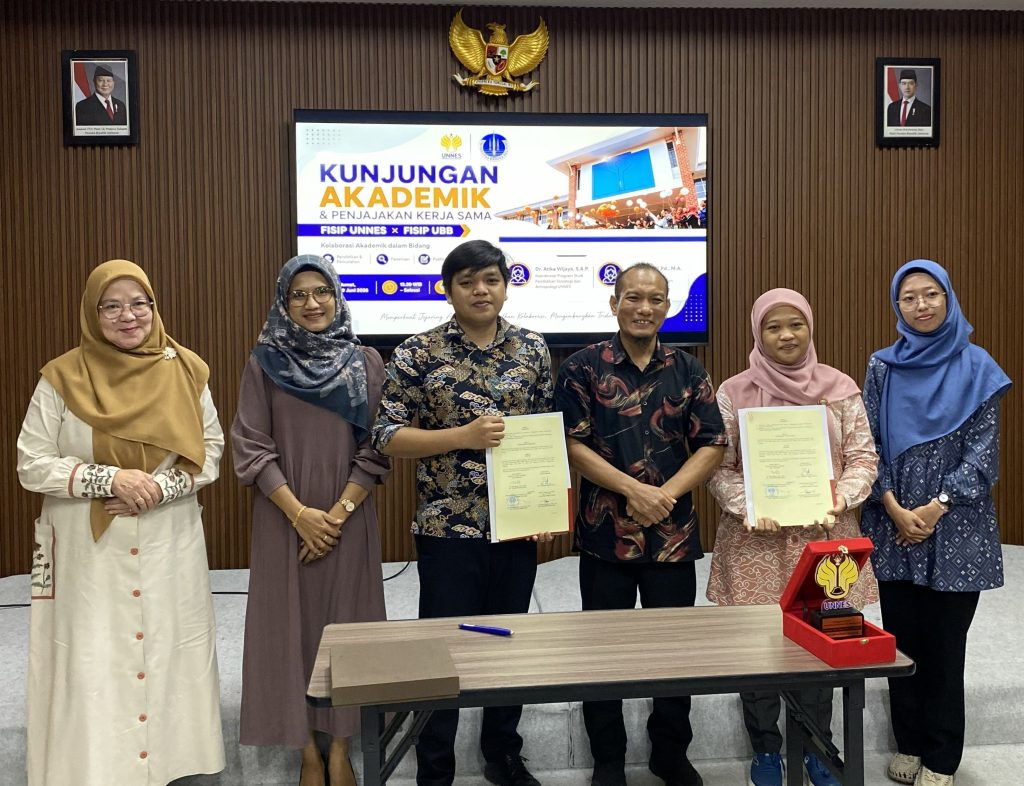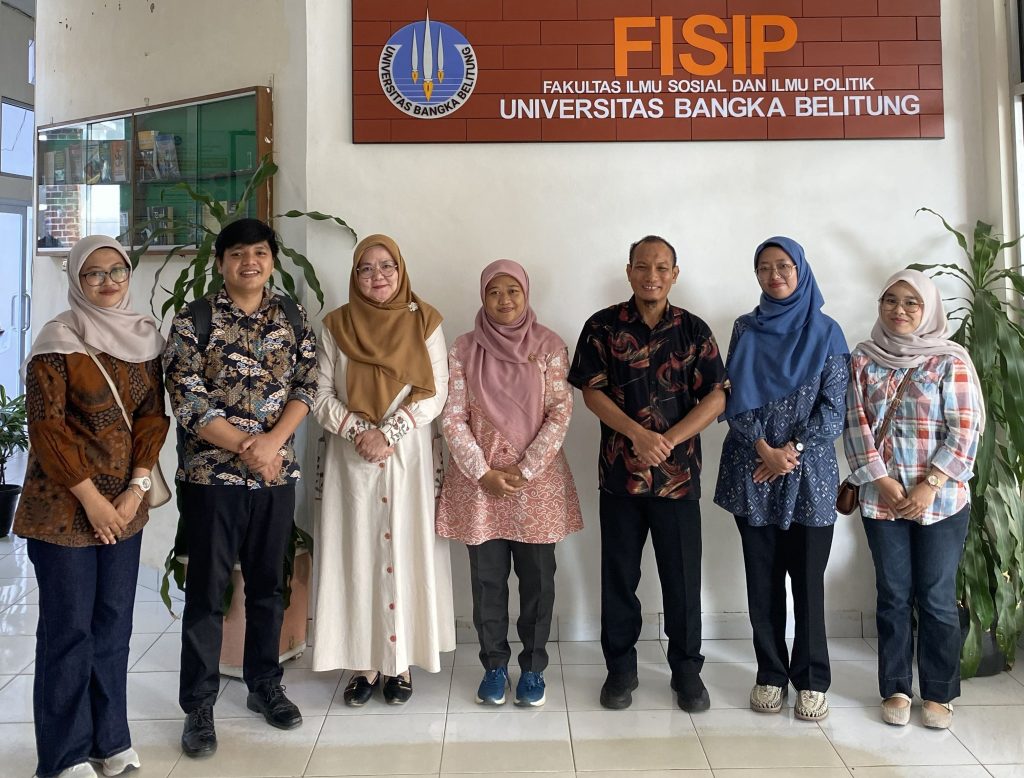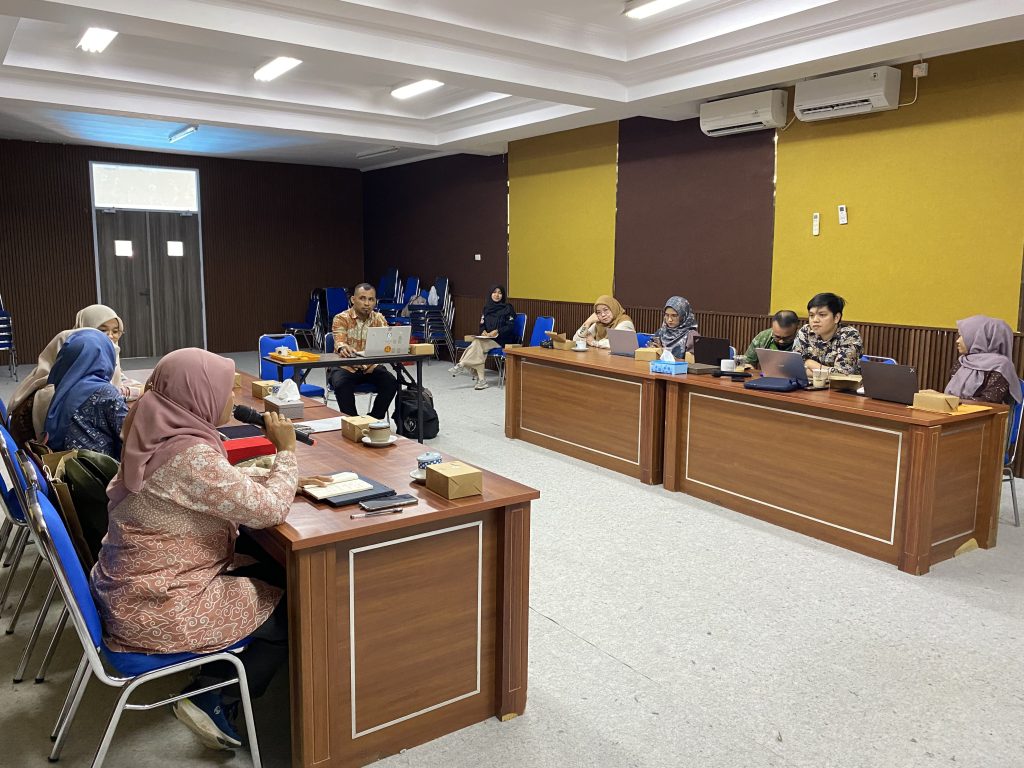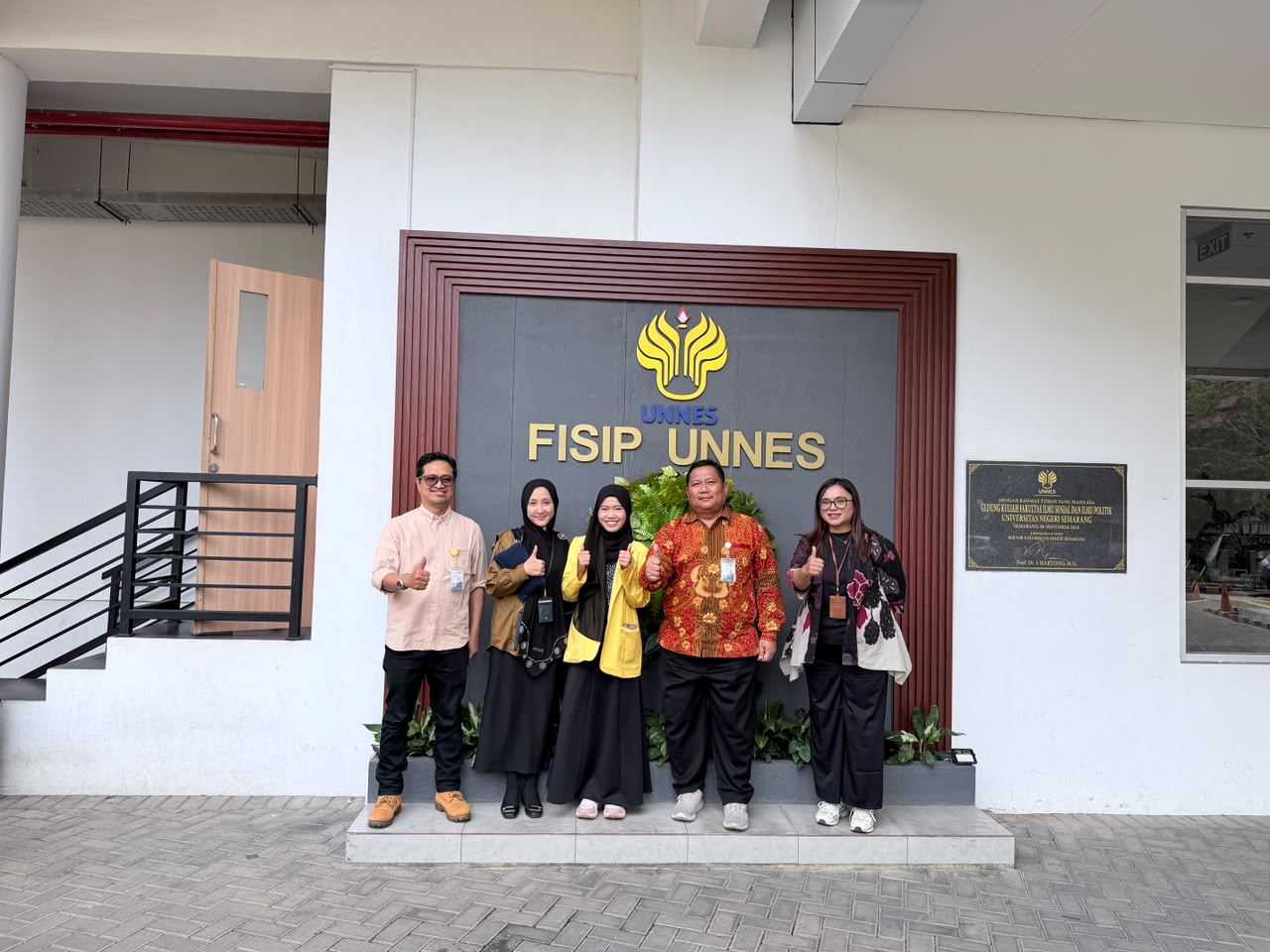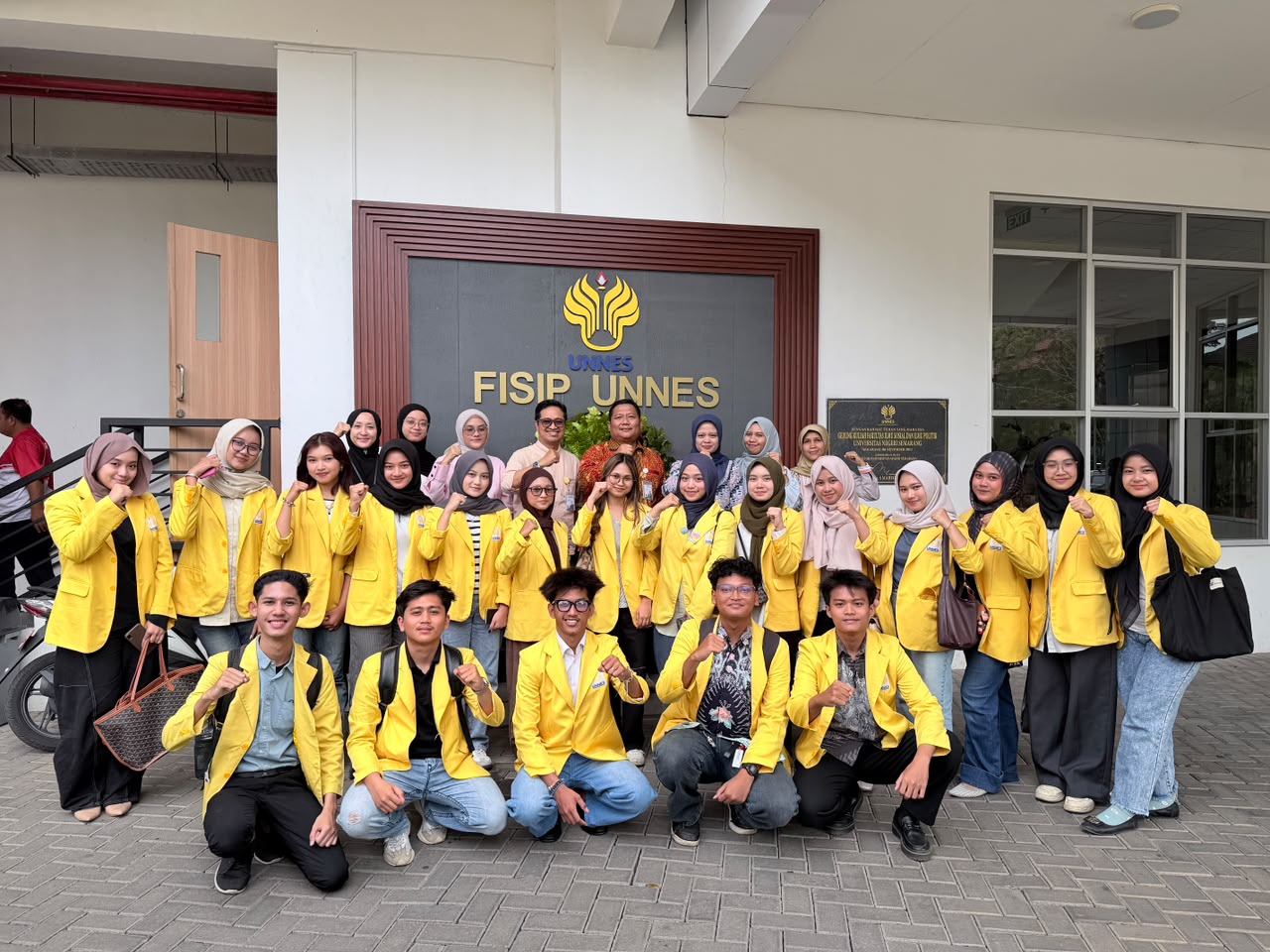


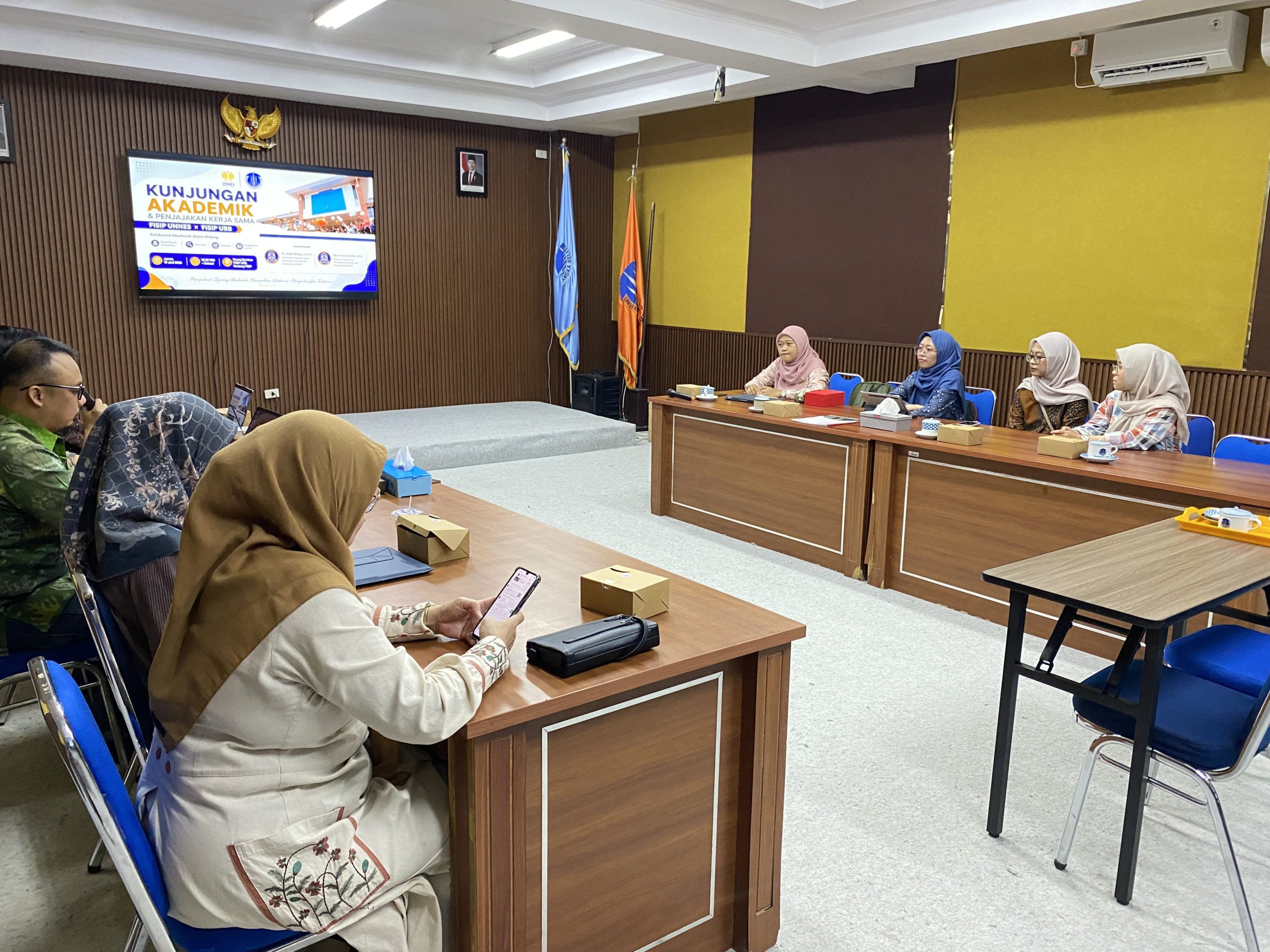
Bangka Belitung – The Sociology and Anthropology Education Study Program, Faculty of Social and Political Sciences (FISIP), Universitas Negeri Semarang (UNNES), continues to expand its academic network through an Academic Visit for Partnership Exploration to the Sociology Study Program, Faculty of Social and Political Sciences, Universitas Bangka Belitung (UBB), on 19 July 2026. Led by Dr. Atika Wijaya, S.A.P., M.Si., the visit brought together lecturers from the Sociology and Anthropology Education Study Program at UNNES and the Sociology Study Program at UBB. The initiative served as a strategic step to strengthen institutional relationships while exploring collaborative opportunities in education, research, community engagement, and academic exchange between the two universities.
The meeting was conducted in a warm and collaborative atmosphere. Representatives from both institutions discussed a range of strategic issues related to higher education development, including curriculum enhancement that responds to contemporary social dynamics, strengthening the implementation of the Merdeka Belajar Kampus Merdeka (MBKM) program, and expanding opportunities for collaborative research and scientific publications. The discussion also covered the possibility of organizing joint academic activities, such as national seminars, guest lectures, collaborative research projects, and faculty and student exchange programs, all of which are expected to enrich the academic experiences of both institutions.
The academic visit also served as a platform for exchanging best practices in study program management and quality assurance. Through constructive dialogue, the participating lecturers shared experiences on strategies for improving teaching quality, enhancing graduate competencies, strengthening study program governance, and developing partnerships with various stakeholders. The discussions underscored that increasingly complex social challenges require stronger collaboration among higher education institutions to produce academic innovations that are responsive to societal needs and the advancement of knowledge.
Head of the delegation, Dr. Atika Wijaya, S.A.P., M.Si., emphasized that the academic visit marks the foundation for broader and more sustainable collaboration between the two study programs. According to her, universities cannot address today’s complex social challenges independently, making inter-institutional collaboration essential for advancing education, research, and community service.
“This academic visit is an initial step toward building a stronger and more sustainable partnership between our two study programs. We believe that increasingly complex social challenges require synergy among higher education institutions in developing education, research, and community engagement. Through this collaboration, we hope to create productive opportunities for academic cooperation, broaden scholarly perspectives, and develop impactful academic programs that benefit both institutions and the wider community,” she stated.
Meanwhile, representatives of the Sociology Study Program at Universitas Bangka Belitung welcomed the initiative and expressed their appreciation for UNNES’s commitment to fostering academic partnerships. According to the UBB representatives, the meeting represented an important milestone in strengthening inter-university academic networks while creating broader opportunities for collaboration in the development of sociology and anthropology.
“We warmly welcome the academic visit from the Sociology and Anthropology Education Study Program of UNNES as an important effort to strengthen academic networks among universities. This meeting provides a valuable opportunity to learn from one another, exchange experiences, and develop collaborative initiatives in education, research, and community service. We hope this partnership will continue through various joint programs that contribute to the advancement of sociology and anthropology while enriching our understanding of Indonesia’s diverse social and cultural dynamics,” the representative remarked.
Through this partnership initiative, both institutions aspire to develop collaborative programs that will make meaningful contributions to the quality of higher education while strengthening the role of universities in addressing societal challenges. The collaboration is expected not only to produce academic outputs such as joint research and scientific publications but also to foster innovative learning models and community engagement programs that are contextual, collaborative, and responsive to community needs.
This initiative also reflects Universitas Negeri Semarang’s commitment to supporting the Sustainable Development Goals (SDGs), particularly SDG 4 (Quality Education) and SDG 17 (Partnership for the Goals), by strengthening the quality of higher education, enhancing lecturers’ professional capacity, and promoting inter-institutional academic collaboration. Through an increasingly robust partnership network, UNNES and Universitas Bangka Belitung are expected to foster an innovative, inclusive, and globally competitive higher education ecosystem while reinforcing the role of universities as centers of knowledge that make meaningful contributions to sustainable community and national development.