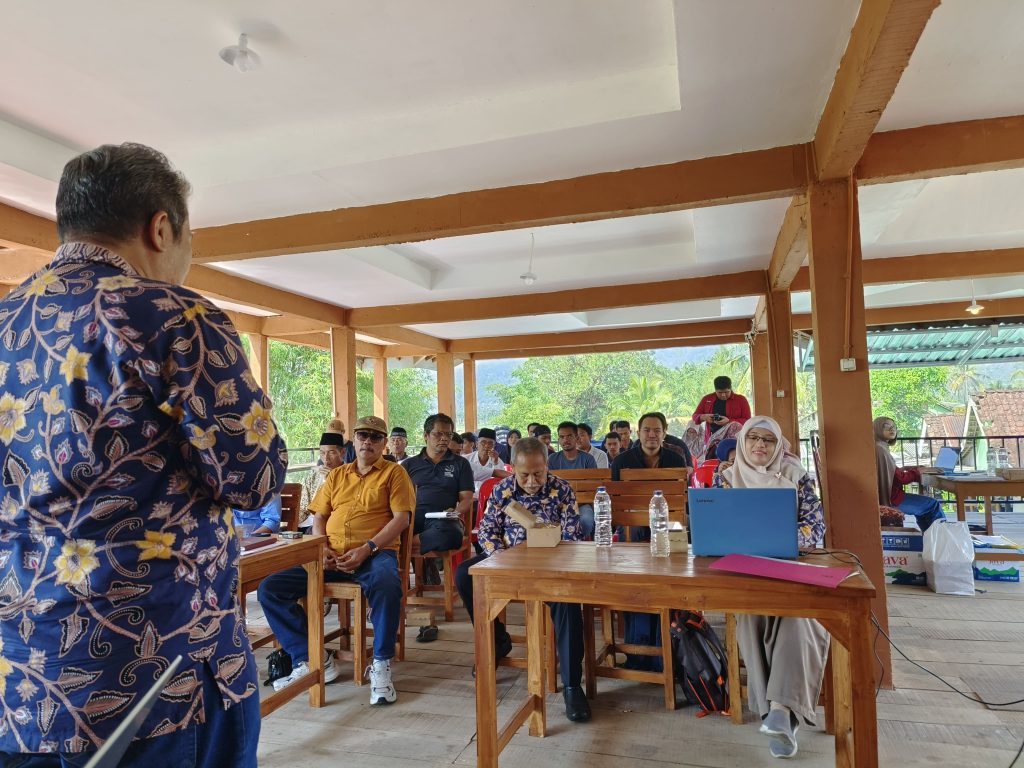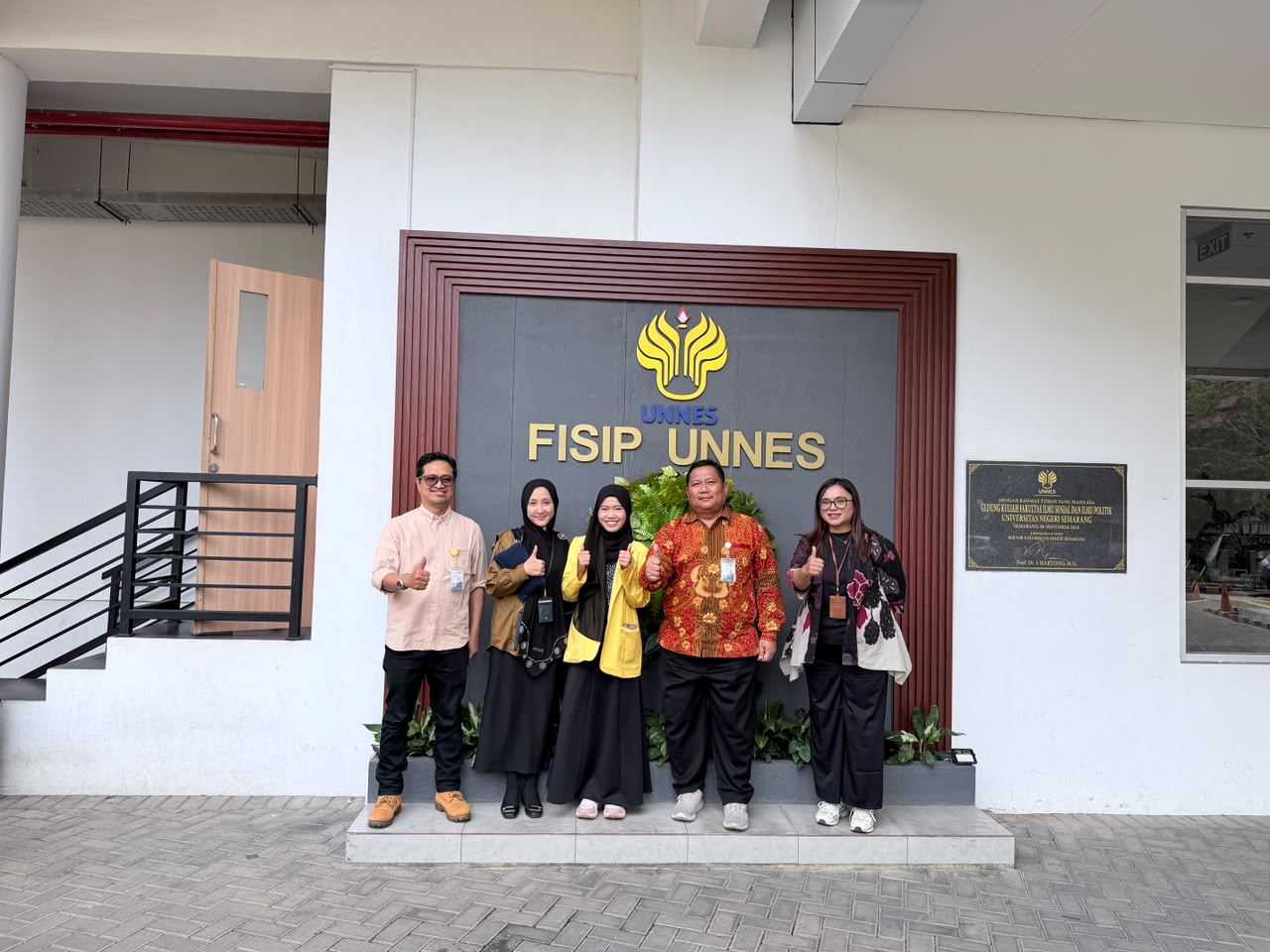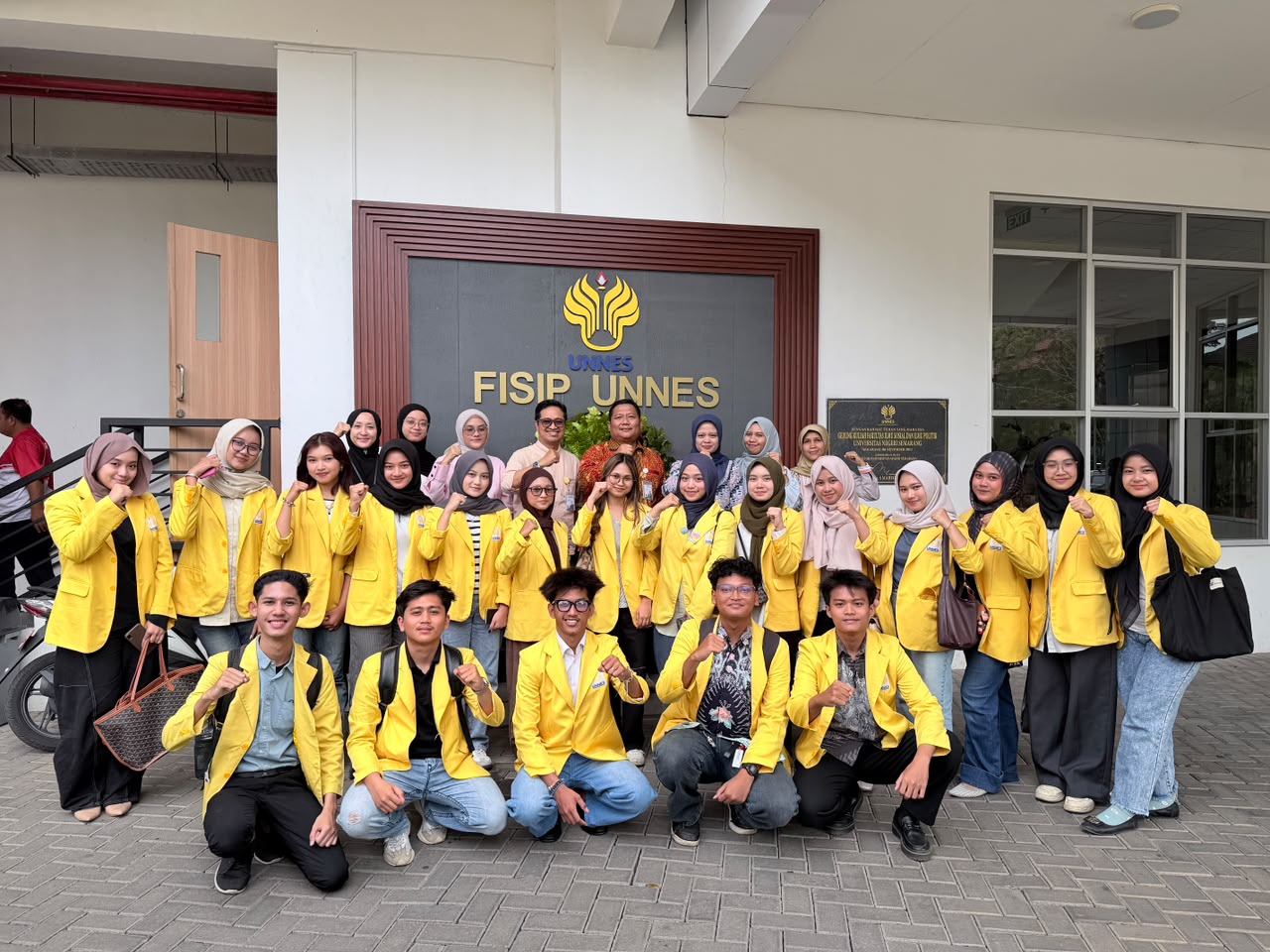


Semarang Regency – The Faculty of Social and Political Sciences (FISIP), Universitas Negeri Semarang (UNNES), continues to strengthen its commitment to rural development through community-based research and empowerment programs. On 24 May 2026, a research team led by Dr. Nurul Fatimah, S.Pd., M.Si., conducted a community engagement program entitled “Innovation of a Community-Based Agro-Educational Tourism Ecosystem as a Strategy for Downstream Development of Local Leading Products in Rowoboni Village” in Rowoganjar Hamlet, Rowoboni Village, Banyubiru District, Semarang Regency. The program was implemented in collaboration with the Rowoboni Village Government and involved 30 participants representing village youth, fish farmers, and local micro, small, and medium enterprises (MSMEs) who are expected to become future agro-educational tourism managers.
The initiative aims to assist the local community in establishing a community-based agro-educational tourism ecosystem that can eventually be managed independently by village residents. The program serves as a strategy for adding value to the village’s leading products by transforming them into educational and tourism attractions, rather than relying solely on production activities. This approach is expected to strengthen community capacity while creating sustainable economic opportunities for the people of Rowoboni Village.
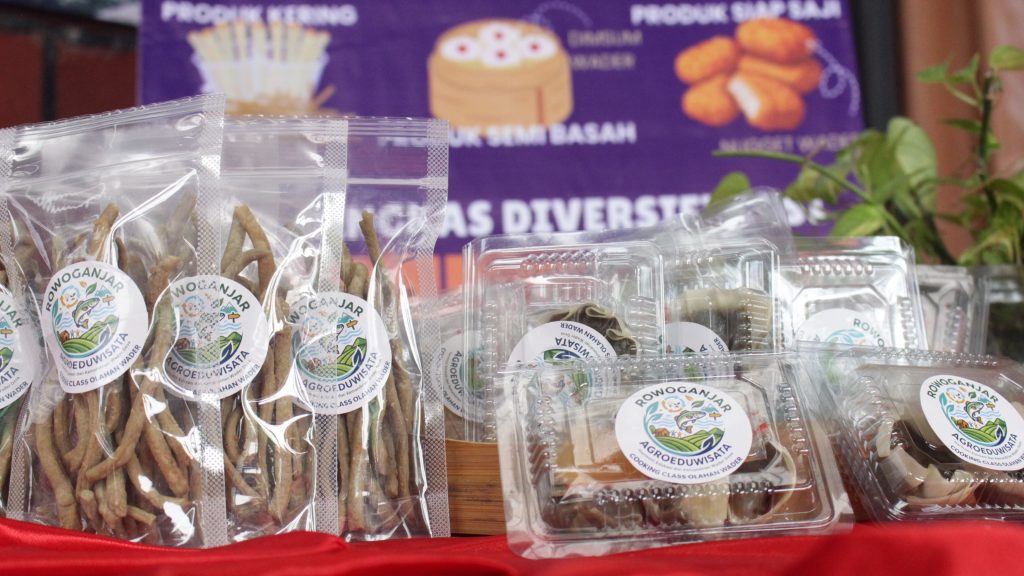
The program was implemented in two main phases. The first phase took place on Sunday, 24 May 2026, focusing on strengthening community capacity through four training sessions. The activities included capacity-building for agro-educational tourism management, smart cultivation training featuring the village’s flagship commodity—wader fish farming, diversification of processed wader fish products, and basic financial management and MSME product marketing. These sessions were delivered through lectures, discussions, and group presentations, enabling participants not only to gain conceptual knowledge but also to collaboratively design strategies for developing community-based enterprises.
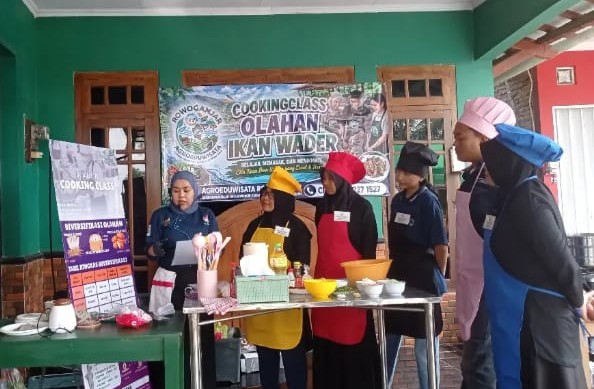
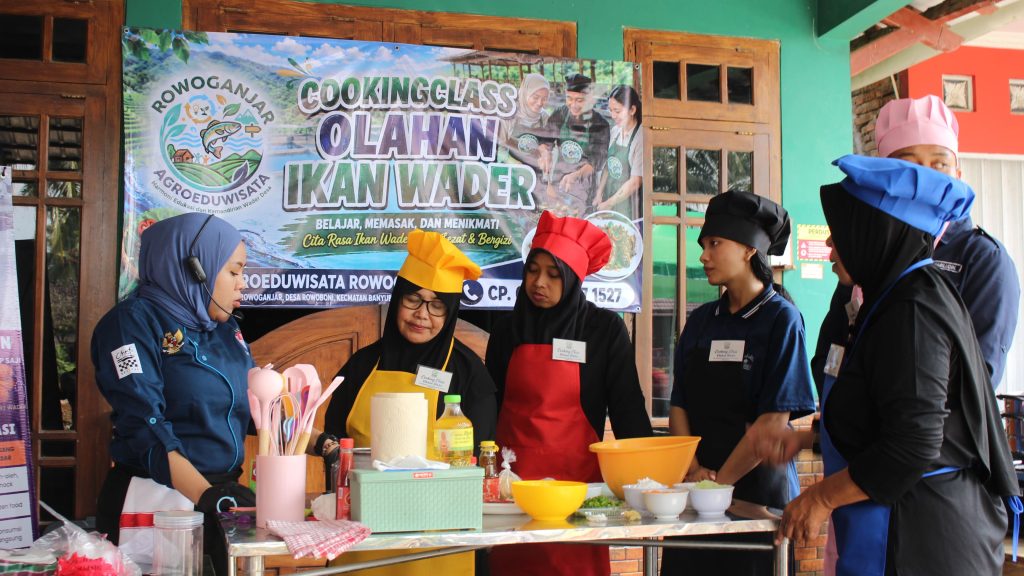
The second phase was conducted on Sunday, 21 June 2026, through practical field exercises and simulation activities. Participants were divided into several learning stations according to their respective roles. The youth group received hands-on training in ticketing services, tourism promotion, and meeting point management. Fish farmers participated in practical demonstrations of sustainable aquaculture techniques as part of the educational tourism experience. Meanwhile, MSME actors attended cooking classes on processing wader fish into value-added products, followed by practical sessions on MSME management and homestay visits as components of an integrated village tourism package. At each learning station, the research team also conducted Training of Trainers (ToT) to equip future managers with the knowledge and skills needed to independently operate the agro-educational tourism program after the project concludes.
The head of the research team, Dr. Nurul Fatimah, S.Pd., M.Si., emphasized that every village possesses unique local potential, yet not all communities are able to transform these resources into sustainable economic assets without appropriate guidance.
“Every village has its own unique potential, but not every village can easily optimize these resources into activities that generate greater value. It is time for universities to contribute by helping transform local potential into valuable assets, one of which is through the development of sustainable, community-based tourism villages,” she stated.
According to Dr. Nurul Fatimah, agro-educational tourism is not merely intended to increase tourist arrivals but also to establish a local economic system that actively involves multiple community stakeholders, including youth groups, fish farmers, MSMEs, and the village government. Through such collaboration, local communities are expected to create added value from their flagship products while strengthening the village’s identity as an educational tourism destination.
Rowoboni Village Head Agus Salim expressed his appreciation for the assistance provided by the UNNES team. He noted that the program had inspired optimism among community members to jointly develop the village’s local potential.
“On behalf of the Rowoboni Village Government, we sincerely appreciate the assistance provided by the UNNES community engagement team in 2026. We hope that, with the enthusiasm that has grown among our community members, this mentoring program will continue until our agro-educational tourism initiative is successfully established,” he said.
Through this initiative, FISIP UNNES reaffirms its commitment to producing research with tangible societal impact by fostering collaboration among universities, local governments, and community stakeholders. The mentoring program is expected to generate a replicable model of community-based agro-educational tourism that can serve as a reference for other villages seeking to promote inclusive and sustainable rural development.
The program also contributes significantly to the achievement of the United Nations Sustainable Development Goals (SDGs). It supports SDG 1 (No Poverty) by strengthening community-based economic opportunities, SDG 6 (Clean Water and Sanitation) through the sustainable utilization of water resources in aquaculture, SDG 8 (Decent Work and Economic Growth) by fostering entrepreneurship and creating new employment opportunities, SDG 10 (Reduced Inequalities) by empowering diverse community groups through inclusive participation, SDG 11 (Sustainable Cities and Communities) by promoting sustainable rural tourism, SDG 14 (Life Below Water) through environmentally responsible freshwater fish farming, and SDG 17 (Partnerships for the Goals) by strengthening collaboration among UNNES, the Rowoboni Village Government, and local communities in building a sustainable ecosystem for village development.