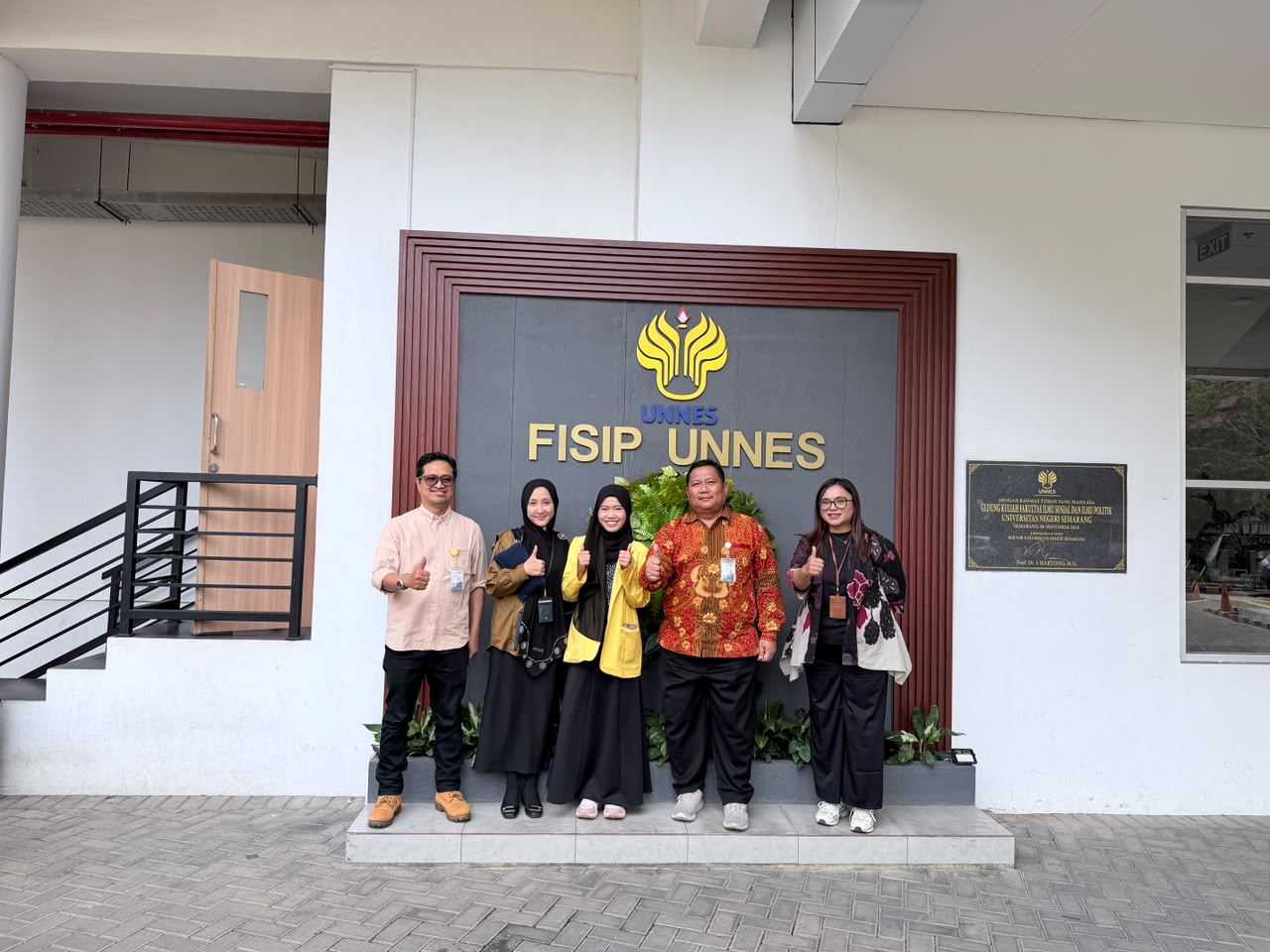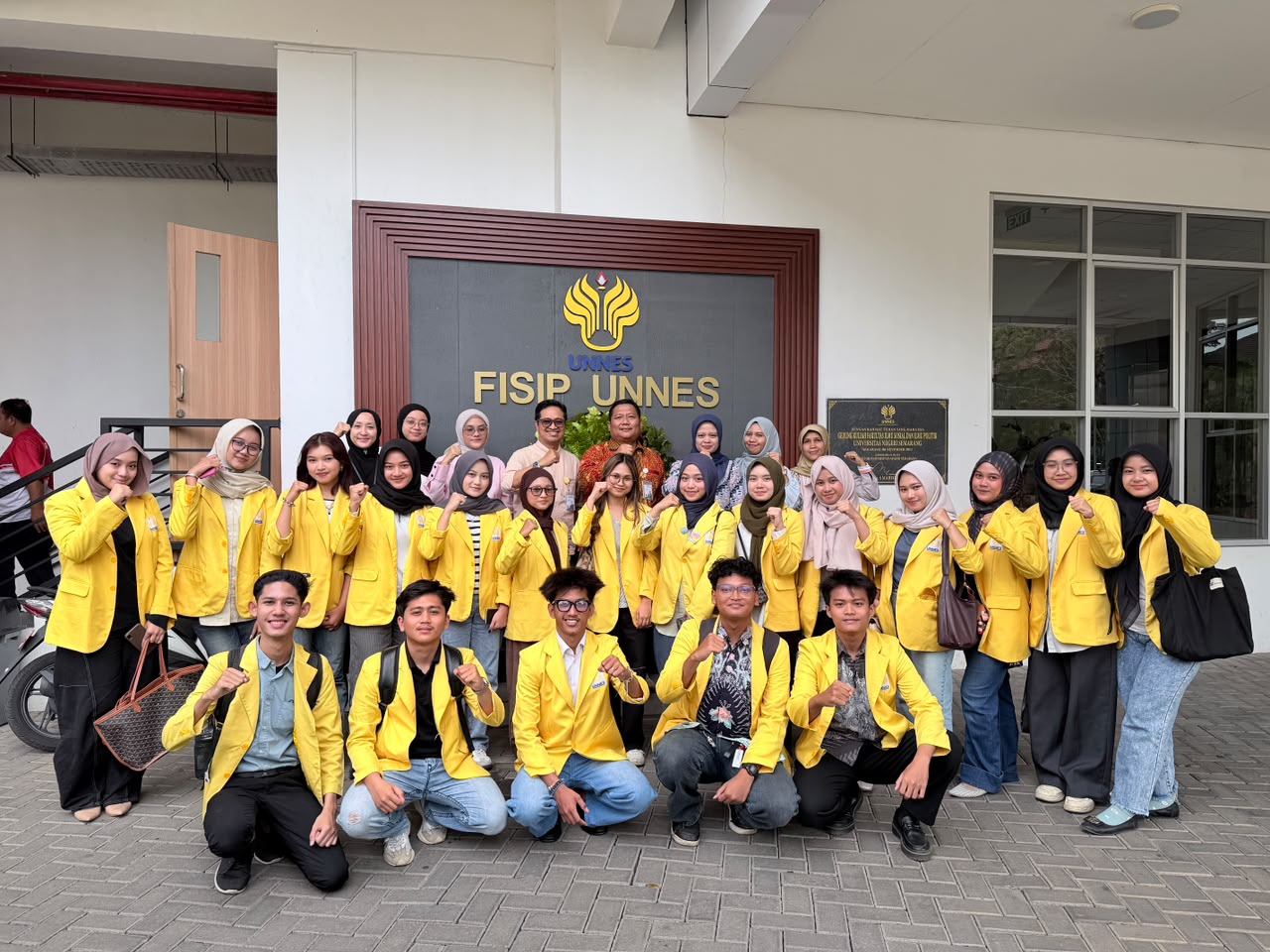


Semarang – The Faculty of Social and Political Sciences (FISIP) at Universitas Negeri Semarang (UNNES) continues to strengthen its contribution to citizenship education through research focused on fostering the character of the younger generation. On May 10, 2026, a research team led by Eni Rahmawati conducted a study entitled “The Role of Civic Engagement in Shaping the Civic Dispositions of Senior High School Students in Semarang City” at SMA Negeri 5 Semarang. The study involved high school students as the primary participants to examine how active engagement in social and civic life contributes to the development of civic dispositions among adolescents.
The research was initiated in response to the growing need to cultivate young citizens who possess not only civic knowledge but also the values, attitudes, and behaviors that reflect responsible citizenship. Amid rapid social change, digital transformation, and the evolving dynamics of democracy, civic engagement is regarded as a fundamental element in nurturing students who are socially responsible, appreciative of diversity, and actively involved in community life.
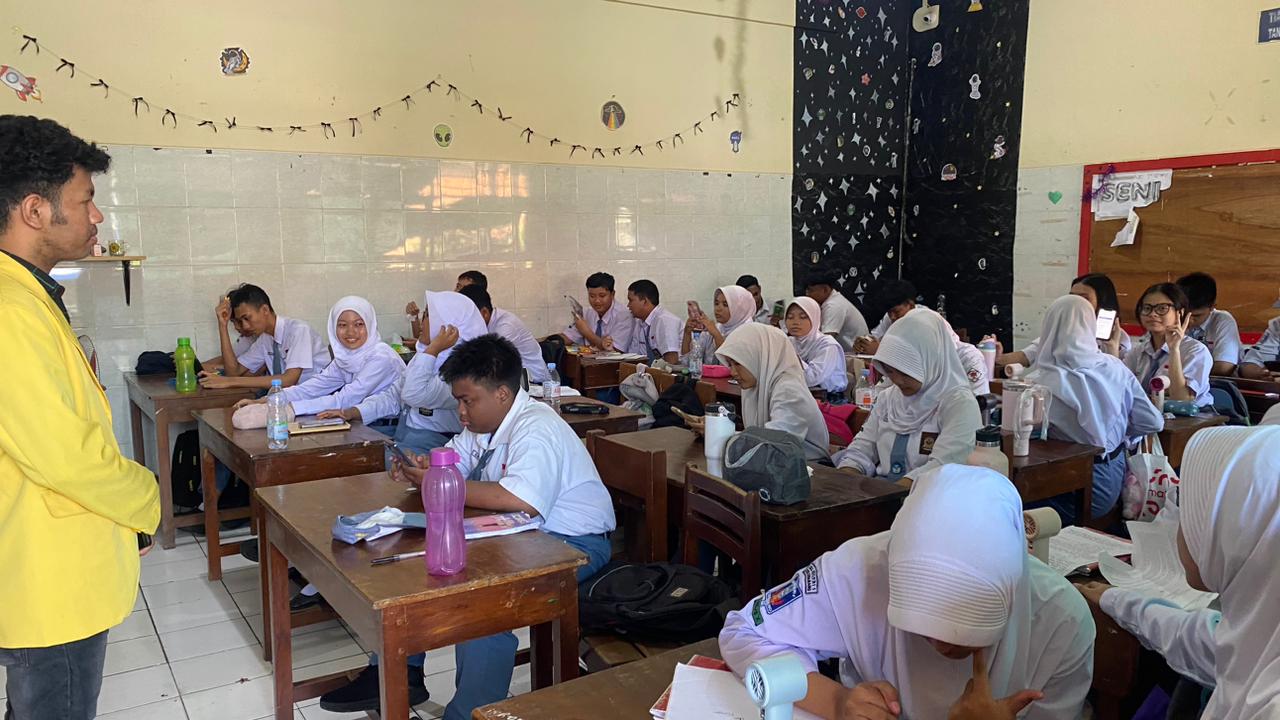
Data were collected at SMA Negeri 5 Semarang through a series of research activities involving students as respondents. The research team explored various forms of students’ participation in school organizations, extracurricular activities, community service, and other civic initiatives that contribute to the development of civic dispositions. Through these findings, the study seeks to provide a comprehensive understanding of the relationship between students’ social participation and the development of civic values such as responsibility, social awareness, tolerance, discipline, and commitment to democratic principles.
According to the research team, the development of civic dispositions cannot rely solely on classroom instruction. Instead, it requires meaningful learning experiences that encourage students to participate, collaborate, and take active roles in society. The findings are therefore expected to serve as a foundation for schools in designing more contextual, participatory, and student-centered educational programs that strengthen civic character in a sustainable manner.
The research received strong support from SMA Negeri 5 Semarang as the project’s research partner. This collaboration between the university and the school reflects a shared commitment to producing empirical evidence that can inform educational policy and innovation in Civic and Pancasila Education at the secondary school level. The entire research process was conducted smoothly, thanks to the active participation of students and the full support of the school throughout the data collection phase.
The research team also expressed its sincere appreciation to Universitas Negeri Semarang (UNNES) for providing the support, facilities, and opportunities that enabled the study to be carried out successfully. Such institutional support played a crucial role in ensuring the smooth implementation of every stage of the research. The team further extended its gratitude to SMA Negeri 5 Semarang and all participants for their valuable cooperation, commitment, and active involvement, which significantly contributed to the successful completion of the study.
This research reflects FISIP UNNES’ commitment to producing impactful research that addresses contemporary educational challenges and contributes to the improvement of national education. The findings are expected to provide valuable insights for teachers, schools, and policymakers in developing educational strategies that foster civic character, encourage students’ social participation, and strengthen democratic culture within educational institutions.
The study also supports the achievement of the United Nations Sustainable Development Goals (SDGs), particularly SDG 4: Quality Education. By examining civic engagement and the development of civic dispositions, the research contributes to promoting inclusive, equitable, and high-quality education that emphasizes character development alongside academic achievement. Strengthening civic values, social participation, and responsible citizenship is expected to help nurture a generation of ethical, democratic, and socially responsible citizens who are prepared to contribute meaningfully to sustainable national and global development.