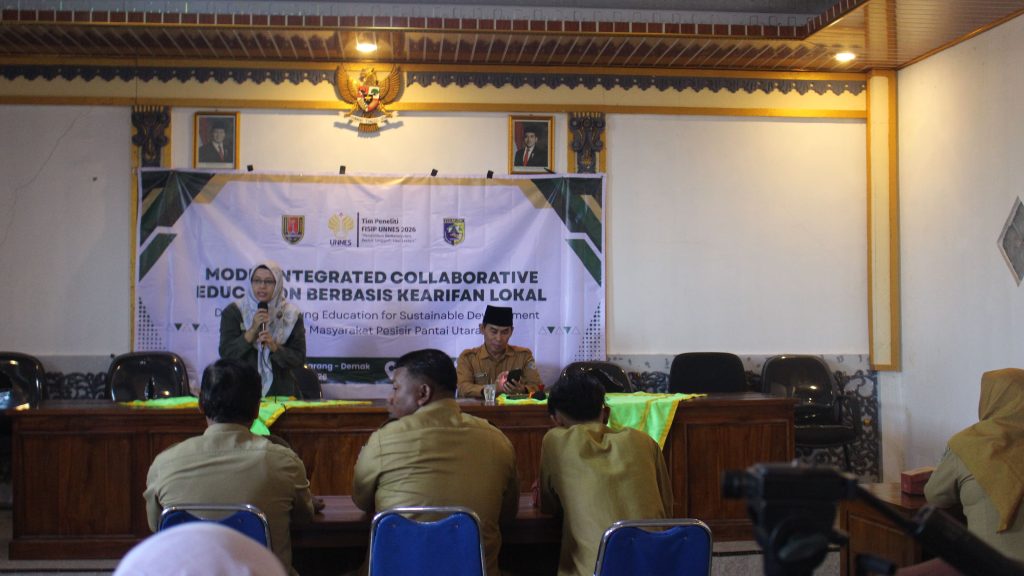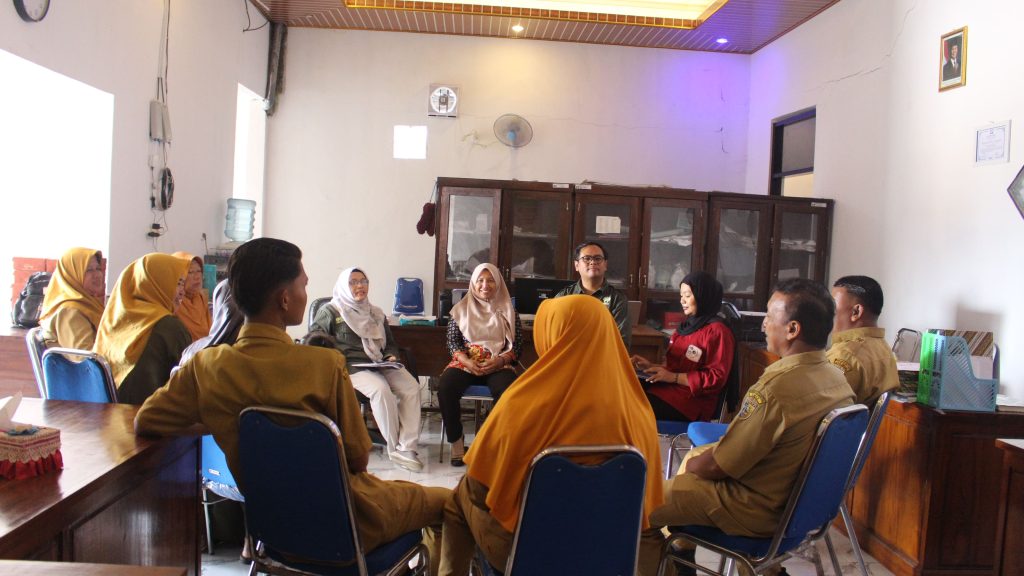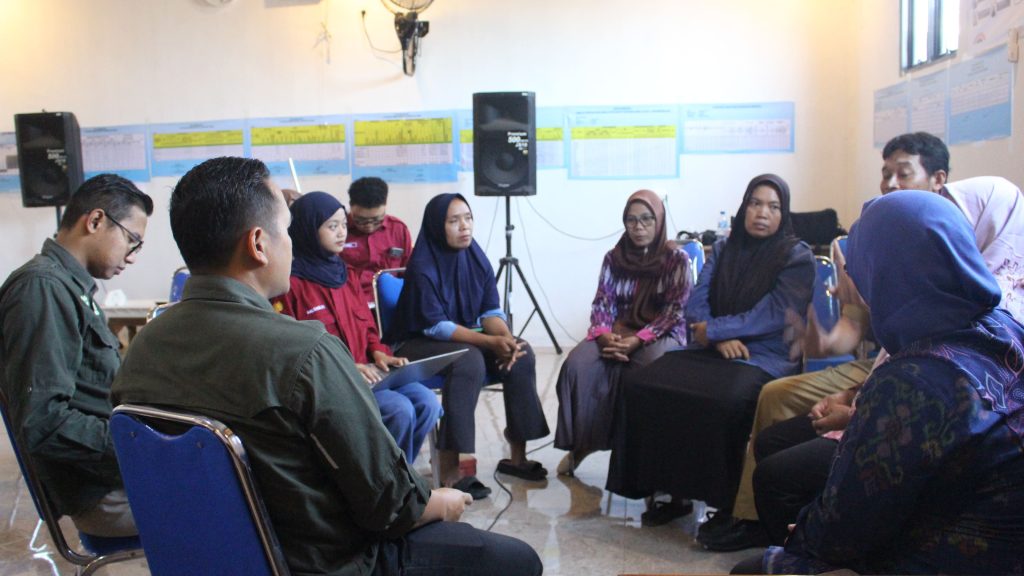


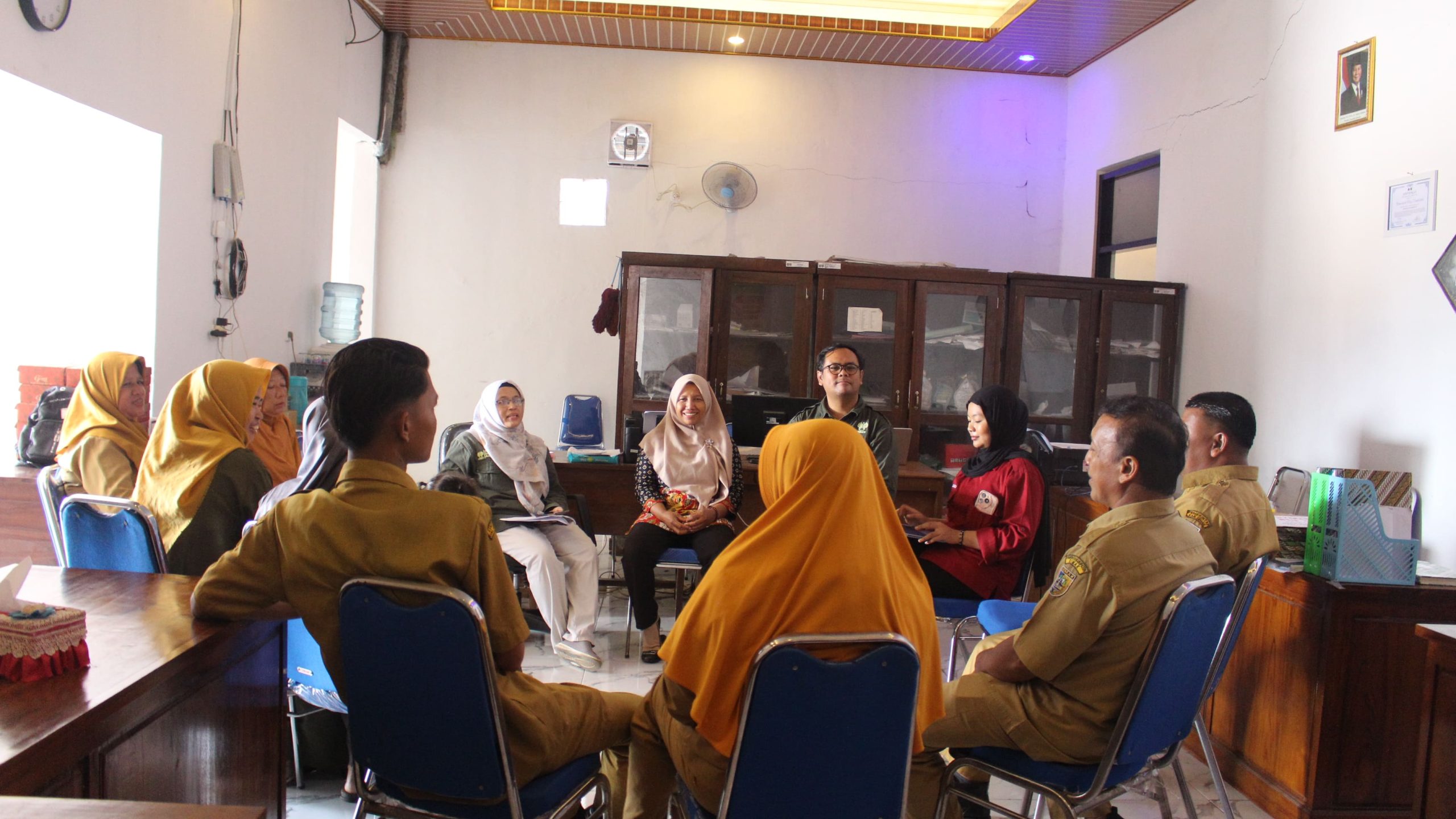
Demak, May 12, 2026 – As part of ongoing efforts to strengthen education and sustainable development in coastal areas, a research team from the Faculty of Social and Political Sciences (FISIP), Universitas Negeri Semarang (UNNES), organized a Focus Group Discussion (FGD) entitled “A Local Wisdom-Based Integrated Collaborative Education Model to Support Education for Sustainable Development (ESD) in the Northern Coastal Communities of Java.” The event was held at the Timbulsloko Village Office, Sayung District, Demak Regency, and brought together village officials, community members, PAUD and kindergarten teachers, elementary school teachers, and madrasah educators.
The FGD was conducted as part of a research project led by Dr. Nurul Fatimah, S.Pd., M.Si., along with a multidisciplinary research team from the Sociology and Anthropology Education Program at FISIP UNNES. The study stems from concerns regarding educational and developmental challenges faced by coastal communities along the northern coast of Java, particularly the declining regeneration of fishing professions, the erosion of maritime cultural identity, and the lack of integration among educational initiatives implemented by formal, non-formal, and informal institutions.
During the discussion, participants examined various educational challenges, identified local wisdom that should be preserved and transmitted to younger generations, and explored opportunities for collaboration among educational institutions and community stakeholders. The forum also served as a platform to map educational needs that reflect the socio-cultural characteristics of coastal communities and to formulate strategies for developing an Integrated Collaborative Education Model that connects formal, non-formal, and informal education within a sustainable development framework.
According to the research team, coastal communities possess valuable maritime cultural knowledge that has not yet been fully integrated into educational practices. Local knowledge related to marine livelihoods, coastal resource management, and community values constitutes an important asset for sustainable development. Therefore, the proposed educational model aims not only to enhance academic achievement but also to preserve maritime culture, strengthen local identity, and improve community capacity to address social, economic, and environmental challenges.
The FGD also formed part of the data collection process for the study, which employs a qualitative approach through observation, interviews, documentation, and focus group discussions involving various educational stakeholders in the coastal areas of Semarang and Demak. The findings will contribute to the development of a prototype coastal education curriculum based on collaboration and local wisdom, designed to address the real needs of coastal communities.
More broadly, the initiative contributes to the achievement of several Sustainable Development Goals (SDGs). It supports SDG 4 (Quality Education) by promoting inclusive, relevant, and context-based education tailored to coastal communities. It advances SDG 8 (Decent Work and Economic Growth) by strengthening human resource capacity, fostering skills development based on local potential, and supporting sustainable maritime livelihoods. Furthermore, it contributes to SDG 14 (Life Below Water) by integrating Education for Sustainable Development (ESD) principles that encourage environmental awareness, marine conservation, and the sustainable management of coastal ecosystems among younger generations.
Through this activity, FISIP UNNES and the Timbulsloko community reaffirmed the importance of collaboration among village governments, educational institutions, academics, and local communities in developing an educational system that not only produces high-quality human resources but also preserves maritime culture and coastal ecosystems. Such collaboration is expected to serve as a strong foundation for building resilient, culturally rooted, and sustainable coastal communities in the future.