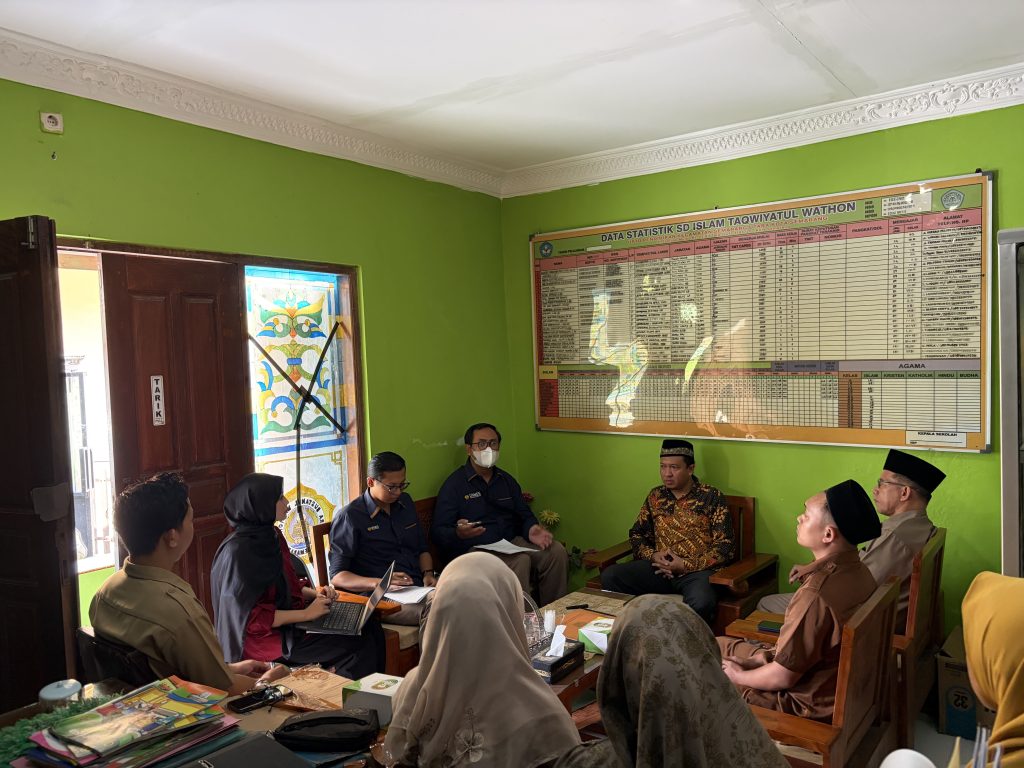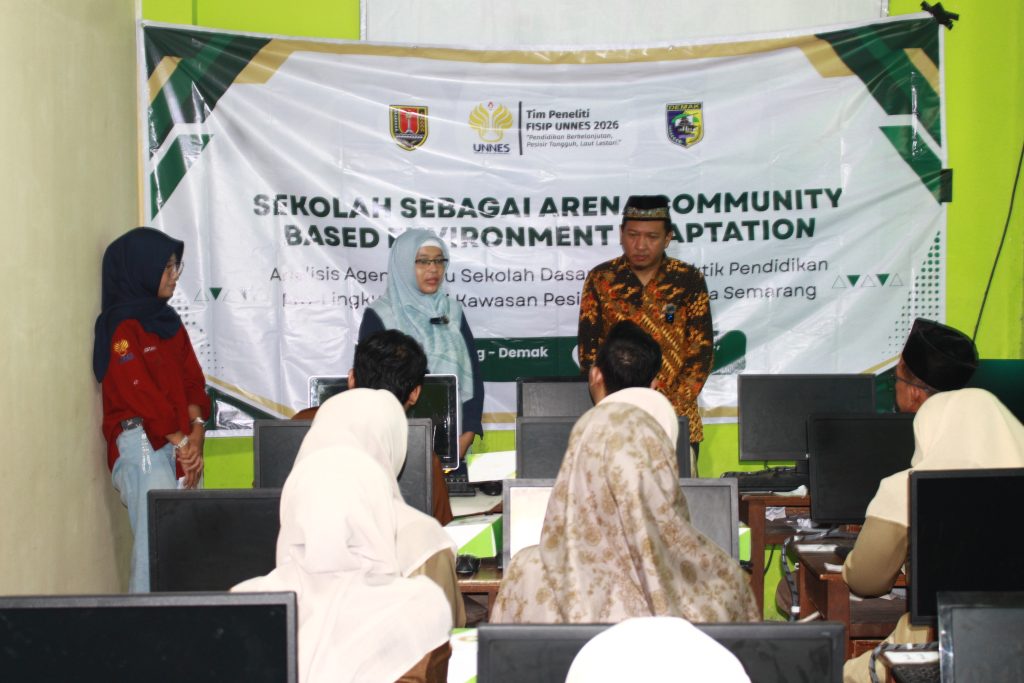


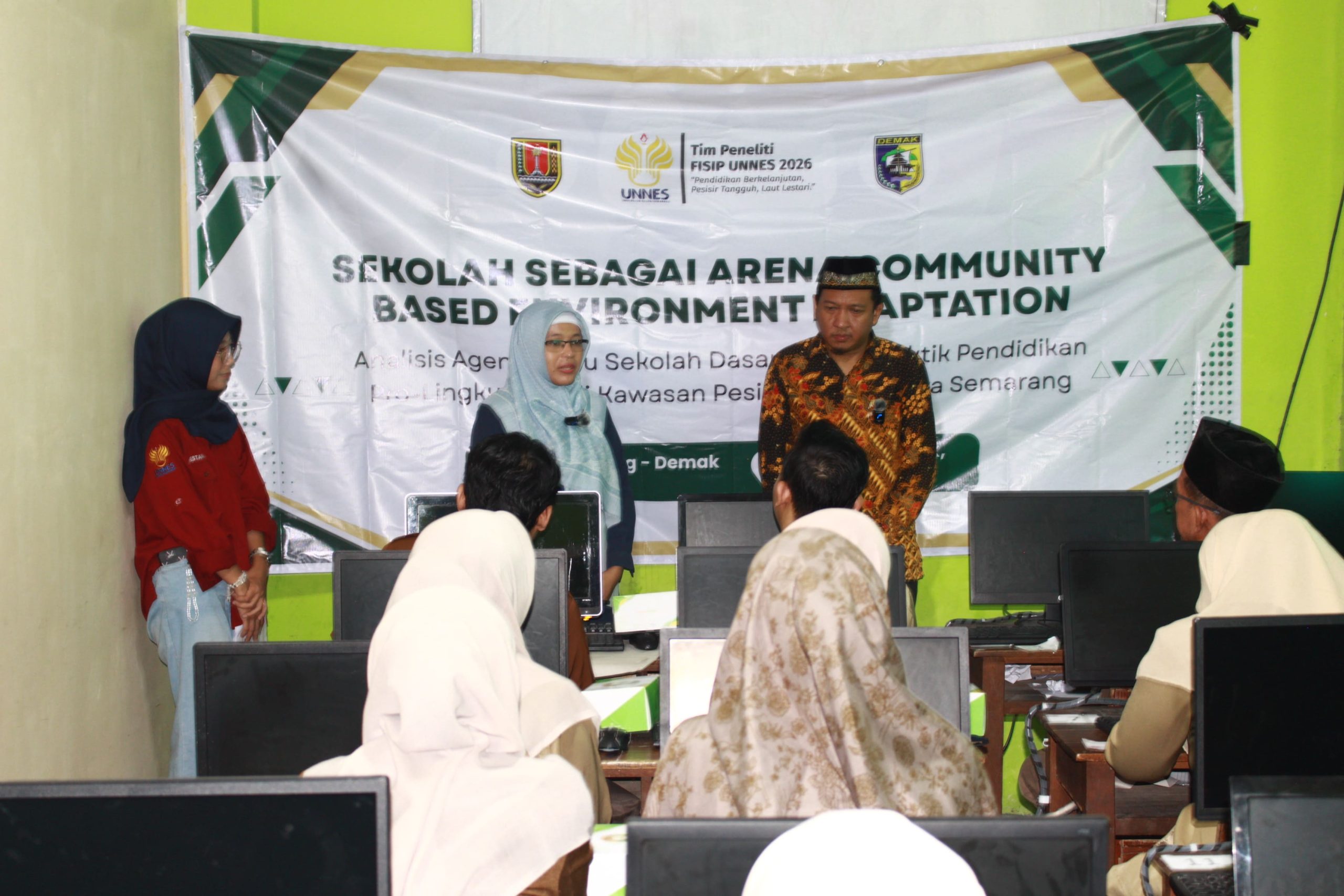
Semarang – Efforts to strengthen the role of schools as centers of learning and agents of community-based environmental adaptation continue to be promoted by academics. On May 25, 2026, a research team from the Faculty of Social and Political Sciences (FISIP), Universitas Negeri Semarang (UNNES) organized a Focus Group Discussion (FGD) entitled “Schools as Arenas for Community-Based Environmental Adaptation: An Analysis of Elementary School Teachers’ Agency in Pro-Environmental Education Practices in the Northern Coastal Area of Semarang.” The event was held at SDI Taqwiyatul Wathon, Tambak Mulyo, North Semarang, and involved all subject teachers as key participants in discussing environmental education practices relevant to the socio-ecological conditions of coastal communities.
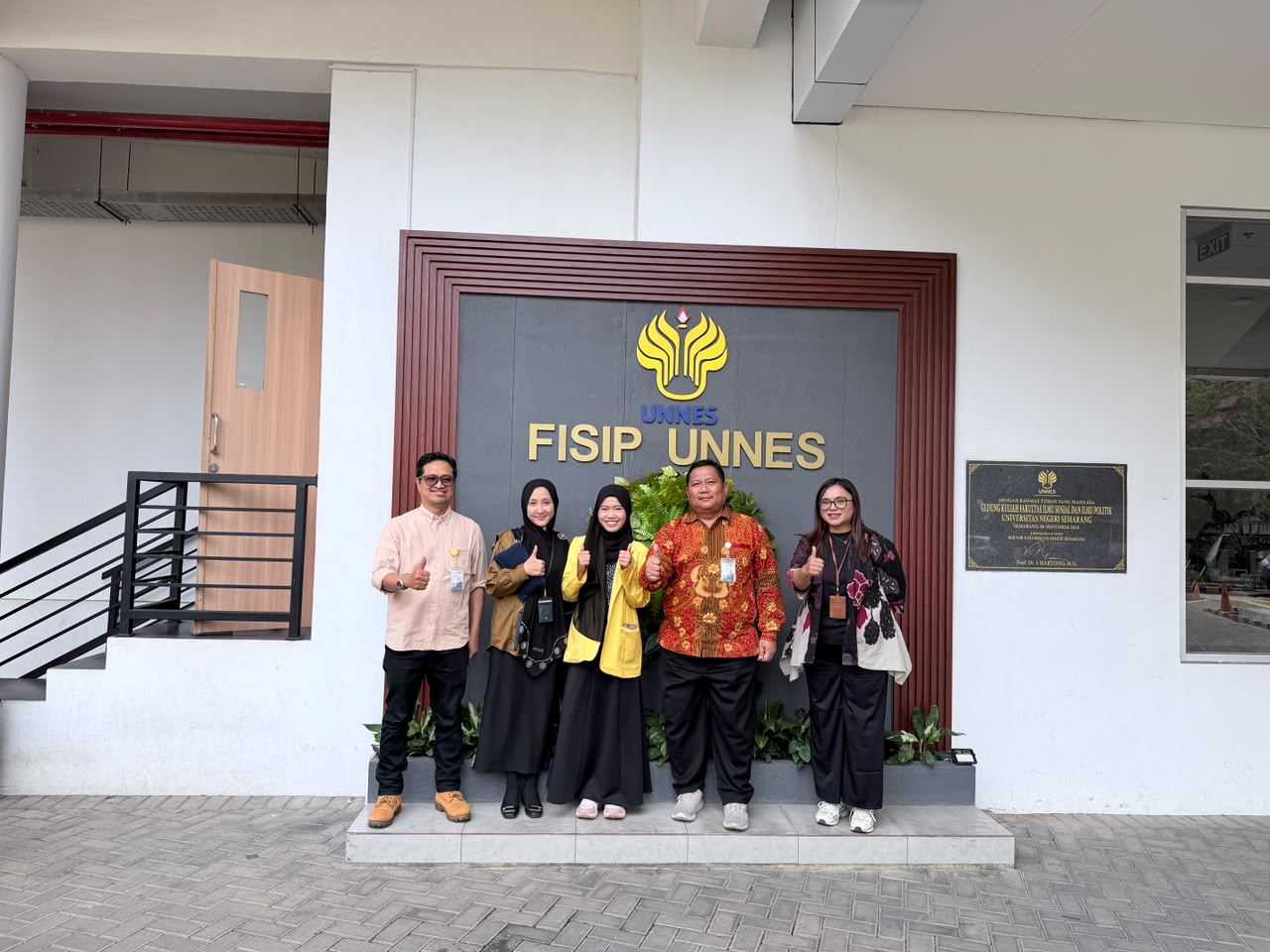
The FGD formed part of a fundamental research project led by Amrin Ma’ruf, S.Pd., M.Pd., together with research team members Dr. Nurul Fatimah, S.Pd., M.Si., Didi Pramono, S.Pd., M.Pd., as well as students and research assistants from FISIP UNNES. The study was initiated in response to the environmental challenges faced by the northern coastal region of Semarang, including tidal flooding, coastal erosion, and land subsidence, all of which significantly affect the social and economic lives of local communities. In this context, schools are viewed as strategic institutions for fostering ecological awareness and strengthening community resilience from an early age.
Through the focused group discussions, teachers shared their experiences in integrating coastal environmental issues into classroom learning. Various contextual pedagogical strategies were explored, ranging from utilizing students’ daily experiences in areas affected by tidal flooding to strengthening environmental awareness through interdisciplinary learning activities. The FGD also served as a forum for identifying the challenges teachers face in translating environmental education policies into teaching practices that are relevant to the local conditions of schools and coastal communities.
According to the research team, the activity aimed to understand how teachers, as educational actors, exercise their agency in developing pro-environmental education that goes beyond the transfer of knowledge and promotes adaptive behavior in response to environmental change. The findings of the discussion are expected to provide a foundation for developing a Community-Based Environmental Adaptation Model capable of strengthening the social resilience of both students and coastal communities through education.
The implementation of this FGD is aligned with UNNES’s commitment to supporting the Sustainable Development Goals (SDGs). First, it contributes to SDG 4 (Quality Education) by promoting high-quality, contextual, and locally responsive education. Second, it supports SDG 11 (Sustainable Cities and Communities) by enhancing the capacity of coastal communities to build resilience against environmental risks. Third, it advances SDG 13 (Climate Action) by increasing awareness, knowledge, and adaptive capacity regarding the impacts of climate change from the elementary education level onward.
Through this initiative, FISIP UNNES reaffirms the importance of collaboration among schools, teachers, communities, and higher education institutions in fostering a sustainability-oriented educational culture. Schools function not only as formal educational institutions but also as arenas of social transformation capable of nurturing environmentally conscious young generations who are adaptive to change and prepared to contribute to the sustainable development of coastal communities.