

Dosen FISIP UNNES Kembangkan Simulasi Bencana Gempa Berbasis Metaverse Bersama MGMP Geografi SMA Provinsi Jawa Tengah

Universitas Negeri Semarang > Faculty of Social Sciences and Political Science > Berita > Dosen FISIP UNNES Kembangkan Simulasi Bencana Gempa Berbasis Metaverse Bersama MGMP Geografi SMA Provinsi Jawa Tengah

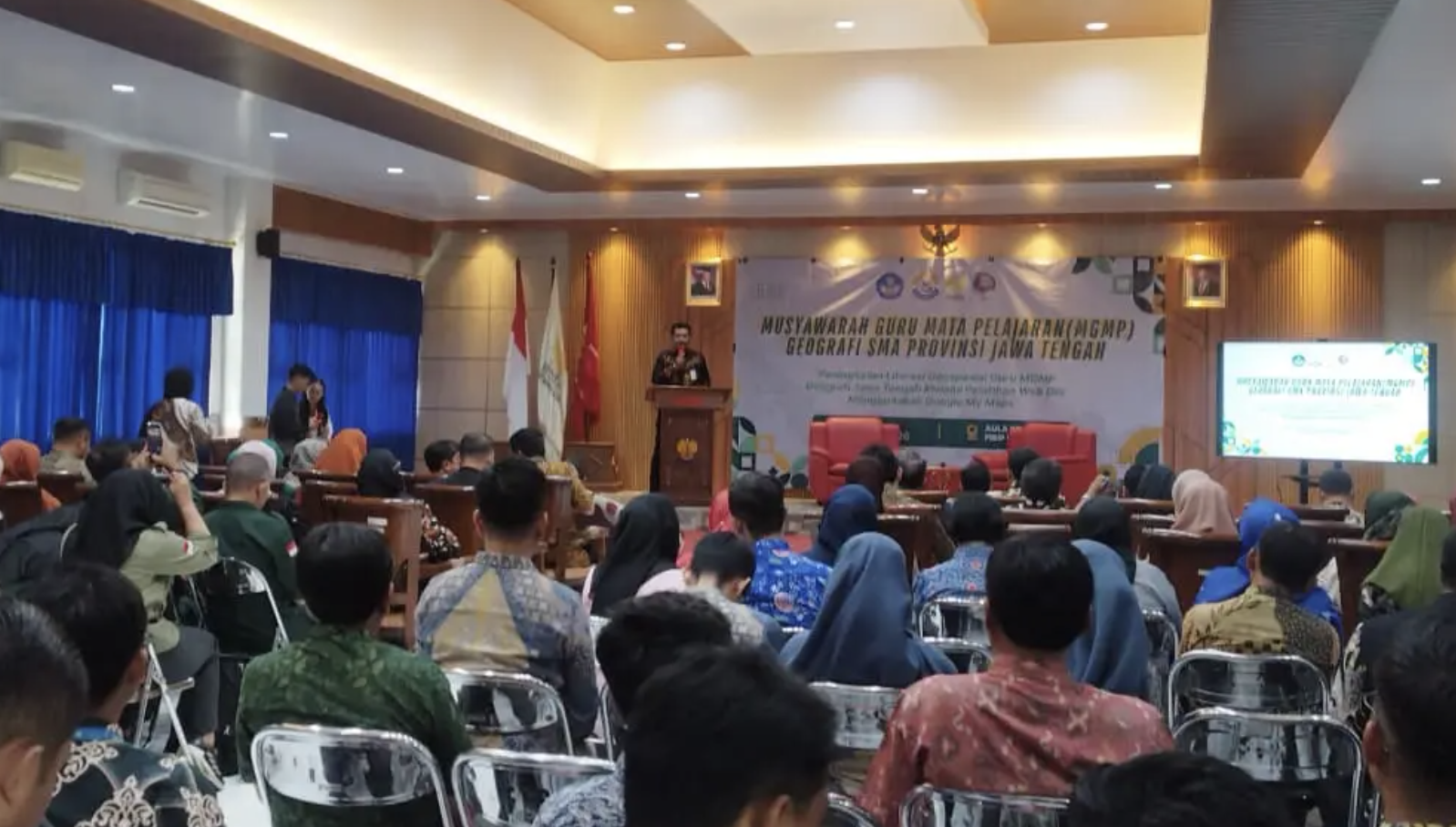
Dosen Fakultas Ilmu Sosial dan Ilmu Politik (FISIP) Universitas Negeri Semarang (UNNES), Dr. Andi Irwan Benardi,M.Pd., bersama tim melaksanakan penelitian pengembangan model pembelajaran simulasi bencana gempa bumi berbasis metaverse bagi siswa SMA di zona Sesar Kendeng. Kegiatan riset ini menggandeng mitra Musyawarah Guru Mata Pelajaran (MGMP) Geografi SMA Provinsi Jawa Tengah.

Penelitian ini bertujuan menganalisis kebutuhan pembelajaran kebencanaan dan tingkat kesiapsiagaan siswa SMA di kawasan Sesar Kendeng, mengembangkan model simulasi bencana gempa berbasis metaverse yang interaktif, imersif,dan kontekstual, mengimplementasikan simulasi virtual untuk melatih prosedur evakuasi aman, serta mengevaluasi efektivitas model tersebut terhadap pengetahuan, sikap, dan keterampilan kesiapsiagaan siswa.

Pelaksanaan kegiatan diawali dengan tahap analisis kebutuhan guna memetakan tingkat pemahaman awal siswa terhadap risiko gempa bumi. Tahapan berikutnya berfokus pada perancangan dan pengembangan lingkungan simulasi virtual yang memuat skenario gempa, pengenalan potensi bahaya, tindakan mitigasi, hingga prosedur evakuasi.

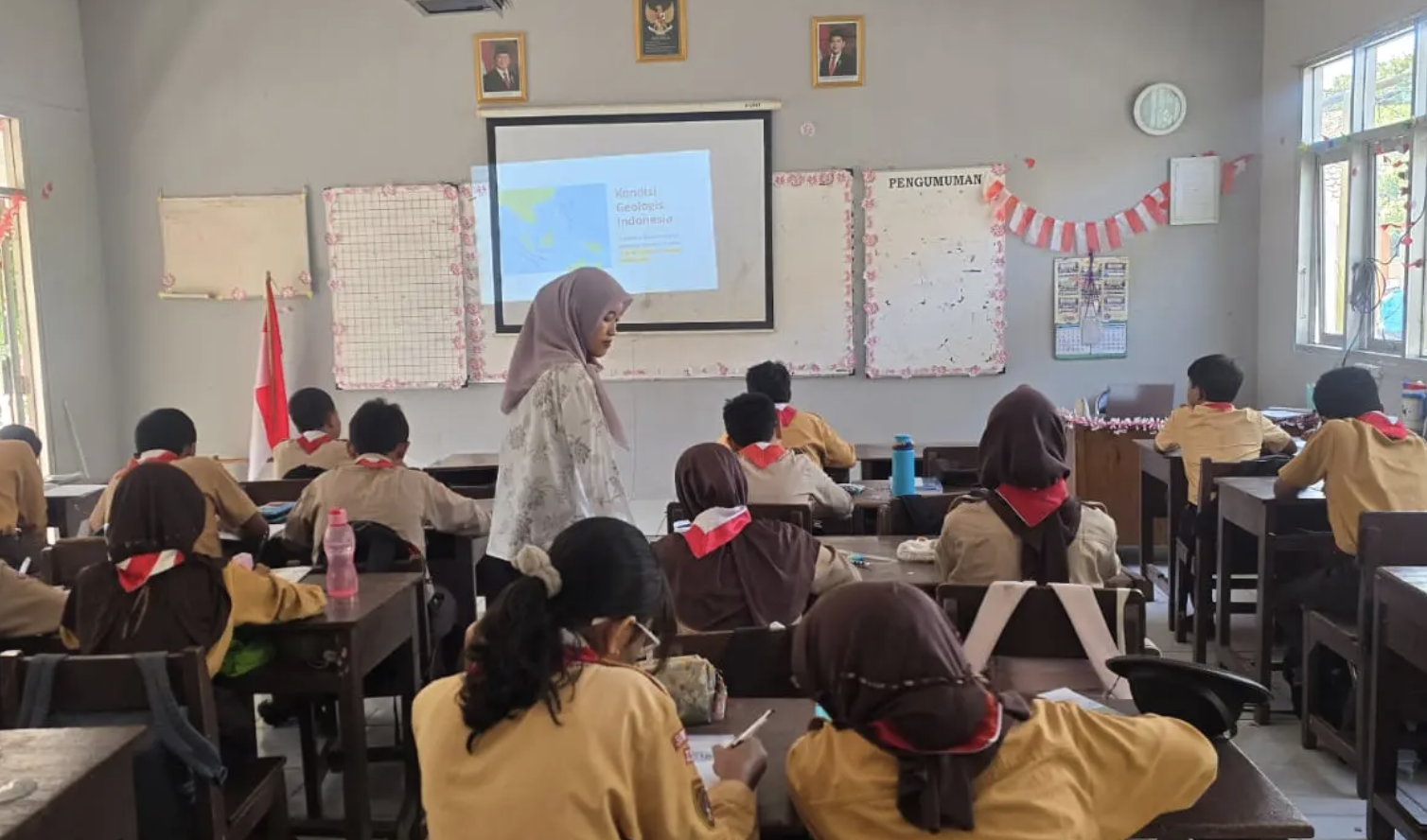
Model pembelajaran yang telah dirancang kemudian diimplementasikan dalam mata pelajaran Geografi melalui aktivitas simulasi interaktif sehingga siswa dapat merasakan pengalaman menghadapi situasi darurat bencana secara virtual.Selanjutnya, dilakukan evaluasi komprehensif untuk mengukur ketercapaian pembelajaran dan menjadi dasar penyempurnaan media digital kebencanaan agar siap diadopsi secara luas di sekolah.

Ketua Tim Penelitian, Dr. Andi Irwan Benardi, M.Pd., menjelaskan bahwa pemanfaatan teknologi metaverse dirancang untuk menjembatani pembelajaran kebencanaan agar lebih aplikatif dan membekas bagi peserta didik.

“Penelitian ini berangkat dari kebutuhan untuk menghadirkan pendidikan kebencanaan yang tidak hanya bersifat teoritis,tetapi memberikan pengalaman belajar yang nyata dan bermakna bagi siswa. Melalui teknologi metaverse, siswa dapat berlatih menghadapi skenario gempa bumi, mengenali risiko, mengambil keputusan, dan melakukan evakuasi dalam lingkungan virtual yang aman. Kami berharap model pembelajaran ini dapat memperkuat pengetahuan, sikap, dan keterampilan kesiapsiagaan siswa, sekaligus membangun budaya sadar bencana sejak usia sekolah. Teknologi bukan sekadar alat pembelajaran, tetapi dapat menjadi sarana untuk mempersiapkan generasi muda agar lebih tangguh dalam menghadapi risiko bencana di masa depan,” ujar Dr. Andi Irwan Benardi, M.Pd.

Sementara itu, Ketua MGMP Geografi SMA Provinsi Jawa Tengah sekaligus Guru SMA Negeri 6 Semarang, Jaenal,S.Pd., mengapresiasi hadirnya inovasi simulasi kebencanaan berbasis metaverse tersebut.

“Inovasi tersebut memberikan alternatif baru dalam pembelajaran Geografi, khususnya pendidikan kebencanaan, karena siswa dapat memperoleh pengalaman simulasi secara lebih interaktif dan menarik. Sebagai guru, kami melihat teknologi seperti ini memiliki potensi besar untuk meningkatkan pemahaman sekaligus kesiapsiagaan siswa dalam menghadapi bencana gempa bumi. Kami berharap hasil penelitian ini dapat terus dikembangkan dan dimanfaatkan oleh sekolah-sekolah lain, terutama yang berada di wilayah rawan bencana,” ungkap Jaenal, S.Pd.

Melalui kolaborasi riset antara FISIP UNNES dan MGMP Geografi SMA Provinsi Jawa Tengah ini, diharapkan penguatan literasi mitigasi bencana berbasis teknologi digital semakin masif dan mampu membentuk generasi muda yang tangguh bencana.
Related Posts

Leave a Reply

* Kode Akses Komentar:

* Tuliskan kode akses komentar diatas:

GDPR

  • Privacy Policy

Privacy Policy

At unnes.ac.id, the privacy of our visitors is of extreme importance to us. This privacy policy document outlines the types of personal information that is received and collected by unnes.ac.id and how it is used.

Log Files

Like many other Web sites, unnes.ac.id makes use of log files. The information inside the log files includes internet protocol (IP) addresses, type of browser, Internet Service Provider (ISP), date/time stamp, referring/exit pages, and number of clicks to analyze trends, administer the site, track user’s movement around the site, and gather demographic information. IP addresses and other such information are not linked to any information that is personally identifiable.

Cookies

unnes.ac.id uses cookies to store information about visitors’ preferences, to record user-specific information on which pages the site visitor accesses or visits, and to personalize or customize our web page content based upon visitors’ browser type or other information that the visitor sends via their browser.

Third-party ad servers or ad networks use technology in their respective advertisements and links that appear on unnes.ac.id and which are sent directly to your browser. They automatically receive your IP address when this occurs. Other technologies (such as cookies, JavaScript, or Web Beacons) may also be used by our site’s third-party ad networks to measure the effectiveness of their advertising campaigns and/or to personalize the advertising content that you see on the site.

unnes.ac.id has no access to or control over these cookies that are used by third-party advertisers.

You should consult the respective privacy policies of these third-party ad servers for more detailed information on their practices as well as for instructions about how to opt-out of certain practices. unnes.ac.id’s privacy policy does not apply to, and we cannot control the activities of, such other advertisers or web sites.

If you wish to disable cookies, you may do so through your individual browser options. More detailed information about cookie management with specific web browsers can be found at the browsers’ respective websites.

Consent

By using our website, you hereby consent to our privacy policy and agree to its terms.

Update

This Privacy Policy was last updated on: 2023-02-14. Should we update, amend or make any changes to our privacy policy, those changes will be posted here.

Contact Us

If you have any questions, comments, or concerns about our Privacy Policy or our practices with regards to your personal information, please feel free to contact us through the contact form on our website or by emailing us at humas[at]mail.unnes.ac.id.

This Privacy Policy is intended as a general guide to our practices in collecting and using information. If there is any inconsistency between this Privacy Policy and the terms of the Service Agreement or any other terms that may apply to specific services you use, then those specific service terms shall apply.

Terms of Use

By using our website, you agree to abide by this Privacy Policy. If you do not agree with this Privacy Policy, please do not use our website. We reserve the right to update this Privacy Policy from time to time without prior notice. Please review our Privacy Policy periodically to check for changes. Your continued use of our website following the posting of changes to this Privacy Policy means that you accept the changes.

Thank you for reading our Privacy Policy. We are committed to protecting the privacy of our website visitors and will continue to update our Privacy Policy to ensure optimal protection.