

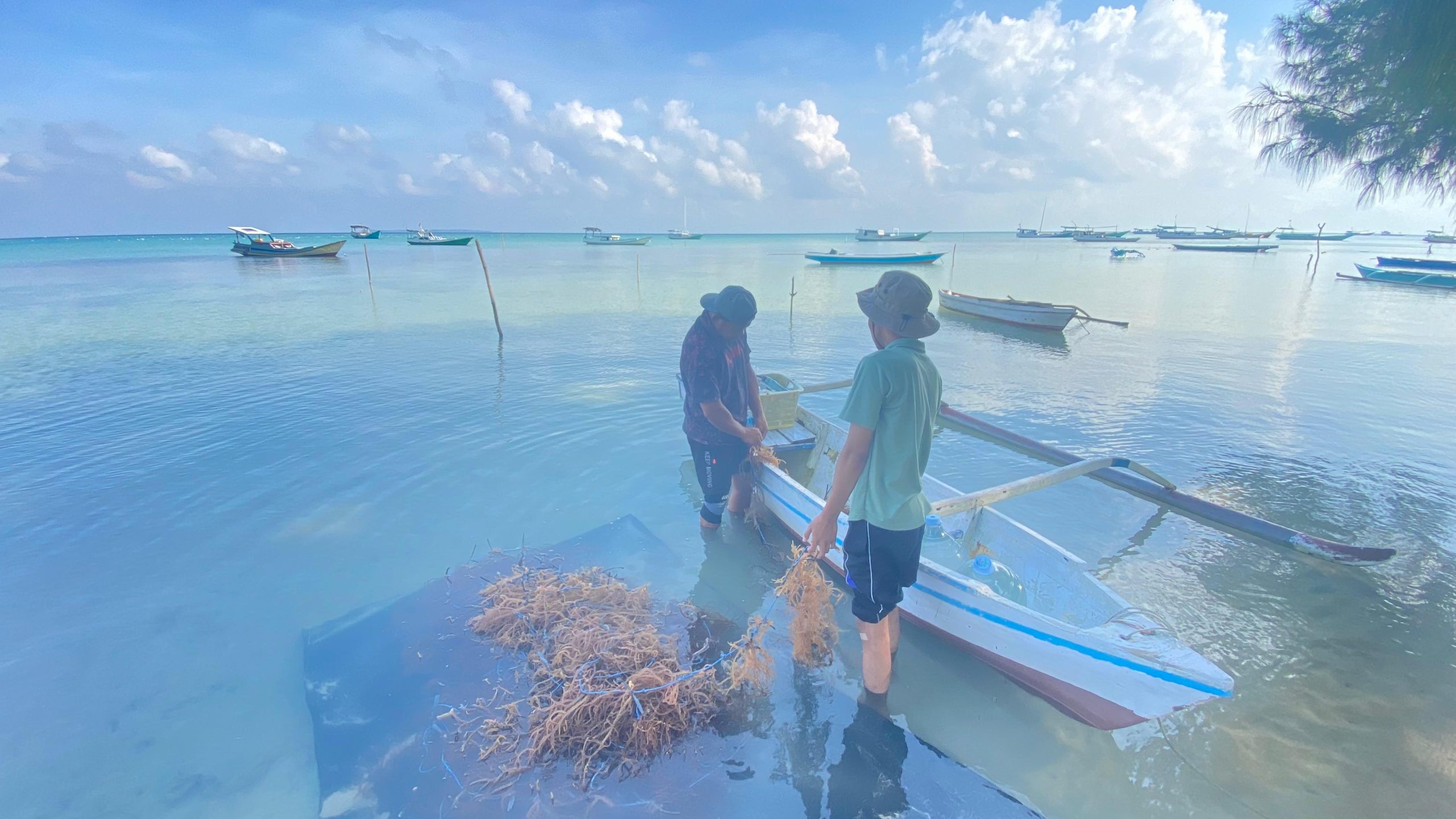
KARIMUNJAWA — Dr. Atika Wijaya, a lecturer at the Faculty of Social and Political Sciences (FISIP), Universitas Negeri Semarang (UNNES), is researching Blue Economy strategies to ensure sustainable tourism in the Karimunjawa Islands. The research is being carried out in Kemujan Village, Karimunjawa District.
The study aims to examine the implementation of the Blue Economy in tourism development and its impact on local communities from social, economic, and environmental perspectives. The Blue Economy promotes the use of marine resources to support economic growth and community welfare while maintaining ecosystem sustainability.
The research highlights several challenges in tourism development in Kemujan, particularly regarding the equitable distribution of economic benefits, investment, governance, and access to adequate basic infrastructure. The growth of tourism investment has not necessarily ensured that local communities receive optimal benefits from the sector.
Through this research, Dr. Atika Wijaya seeks to develop a collaborative governance model based on the Blue Economy involving the government, local communities, business actors, and other stakeholders. The approach is expected to encourage local residents to become active participants and entrepreneurs in the tourism sector rather than merely spectators or employees.
The study is expected to provide recommendations for tourism development in Karimunjawa that balances economic growth, environmental conservation, and social justice. It also contributes to the achievement of the Sustainable Development Goals (SDGs), particularly SDG 8 on Decent Work and Economic Growth, SDG 12 on Responsible Consumption and Production, SDG 14 on Life Below Water, and SDG 17 on Partnerships for the Goals.
Through this research, UNNES continues to support sustainable tourism development that not only promotes economic growth but also strengthens local community welfare and protects coastal and marine ecosystems.