

The Conservation Task Force of the Faculty of Social and Political Sciences (FISIP), Universitas Negeri Semarang (UNNES), reaffirmed its commitment to environmental preservation through a tree planting program. The initiative, led by Conservation Task Force Chair Rudi Salam, is part of the faculty’s 2025 strategic conservation policy.
According to Rudi Salam, the Conservation Task Force carries out several strategic functions, including preparing conservation plans and programs, formulating standards for the implementation of value, character, arts, culture, natural resource, and environmental conservation. It also oversees program outreach and publication, provision of facilities and infrastructure, resource mobilization, as well as integrating conservation into research, education, and community service.
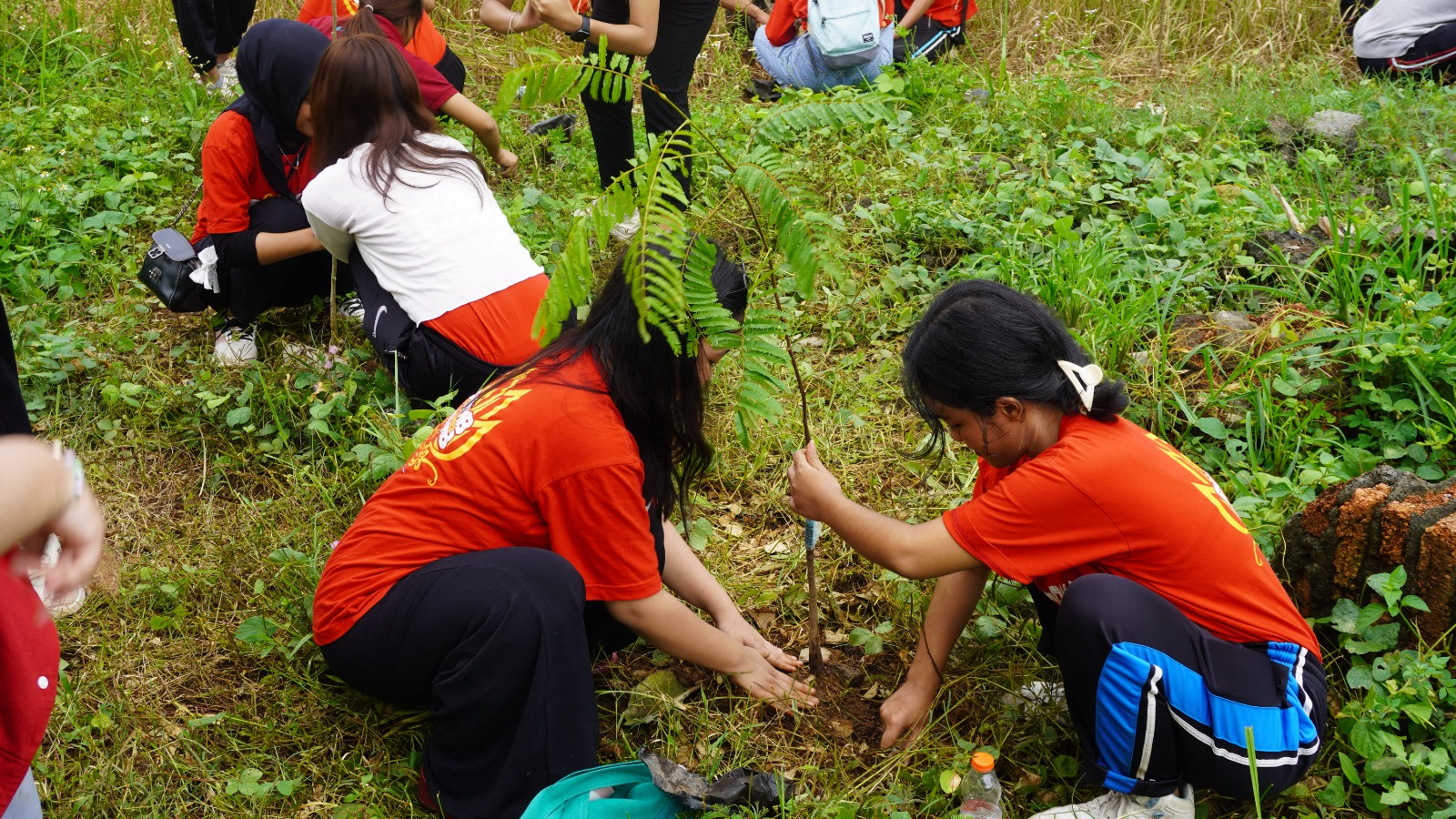
In this tree planting program, various species will be planted, including Salam (50 trees), Tabebuya (50), Kawista (10), Talijiwo (50), Pulai (50), Mango (40), Longan (40), Sapodilla (40), Mangosteen (40), and Avocado (40). A total of 370 trees will be planted by first-semester students.
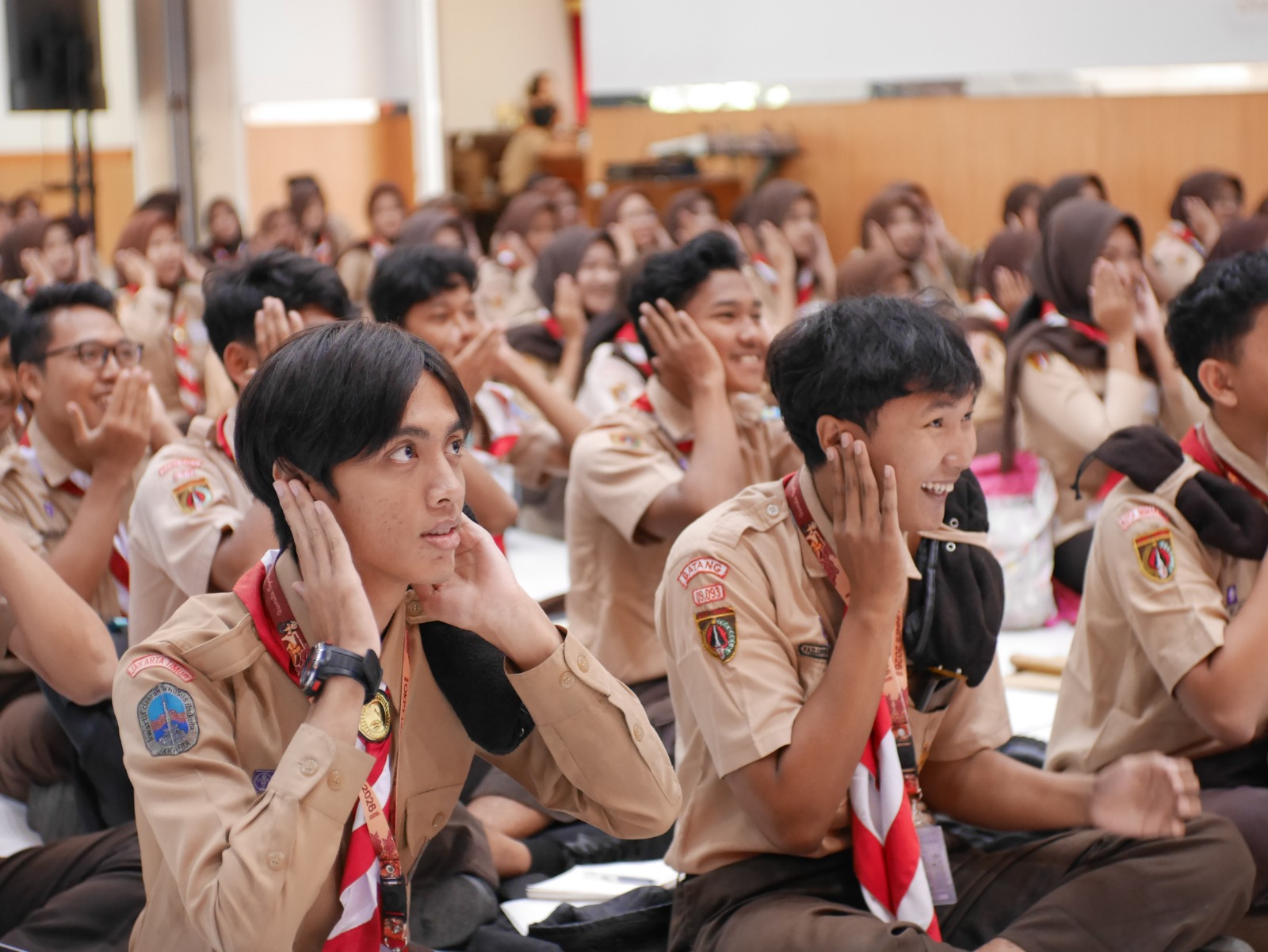
The activity involves the active participation of 1,255 students from nine study programs: History Education (90), History (92), Geography Education (94), Geography (210), Civic Education (138), Political Science (231), Sociology-Anthropology Education (146), Social Science Education (39), and Communication Studies (115). The planting will take place at Kalisegoro Field, Gunungpati, Semarang.
One of the participants, Mohamad Ridho Ramadhani from Communication Studies, noted that the program is highly relevant to Semarang’s ongoing air pollution issues, largely caused by motor vehicles and public transportation. “This program is important for improving air quality and maintaining environmental balance, both within the campus and in the city,” he said.
Through this conservation initiative, FISIP UNNES hopes to strengthen its role as a conservation campus that not only focuses on teaching and research, but also contributes tangible impacts to environmental sustainability