

Universitas Negeri Semarang (UNNES), through a collaboration involving lecturers and students from the Faculty of Social and Political Sciences (FISIP), the Geography Student Association (HIMA Geografi), and UKMP, is developing a community empowerment program to strengthen the green economy and disaster preparedness in Ketep Village, Magelang Regency, Central Java. Entitled “Strengthening the Green Economy and Disaster Preparedness through Community Collaboration in Ketep Village Using Composting Technology and Digital Evacuation Routes,” the program has secured funding through the 2026 Mahasiswa Berdampak–Aksara Peduli Program, supported by Indonesia’s Ministry of Higher Education, Science, and Technology through the BIMA funding scheme.
The program is led by Andi Irwan Benardi, a lecturer in Geography Education at UNNES, in collaboration with Saptono Putro and Dr. Nanik. Scheduled to run for one year, from October 2026 to September 2027, the initiative involves 20 students from various study programs. It aims to introduce practical, technology-based solutions to support organic waste management and improve community preparedness for volcanic hazards.
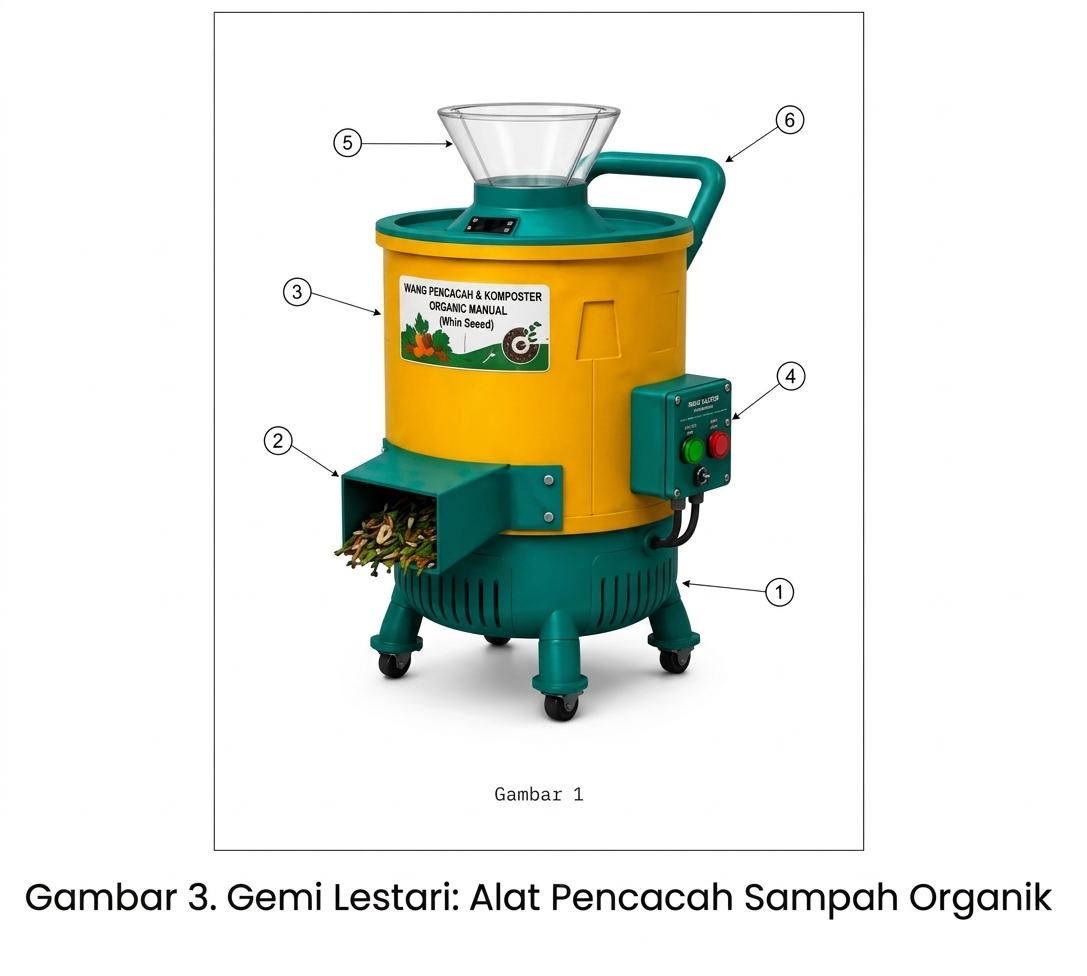
One of the key innovations is Gemi Lestari, an organic waste shredding machine designed to support compost production. Measuring 60 × 60 × 85 centimeters, the machine has a processing capacity of up to 20 kilograms per hour. It consists of a supporting frame, drive motor, shredding blades, input hopper, shredding chamber, and output channel. By reducing organic waste into smaller pieces, the machine is expected to accelerate the composting process.
The technology will be introduced through community mentoring activities, including assistance for women’s farming groups. Processing organic waste into compost is expected to reduce waste accumulation while producing material that can be used in agricultural activities. This approach could also create opportunities for communities to adopt more environmentally friendly farming practices and increase the economic value of organic waste.
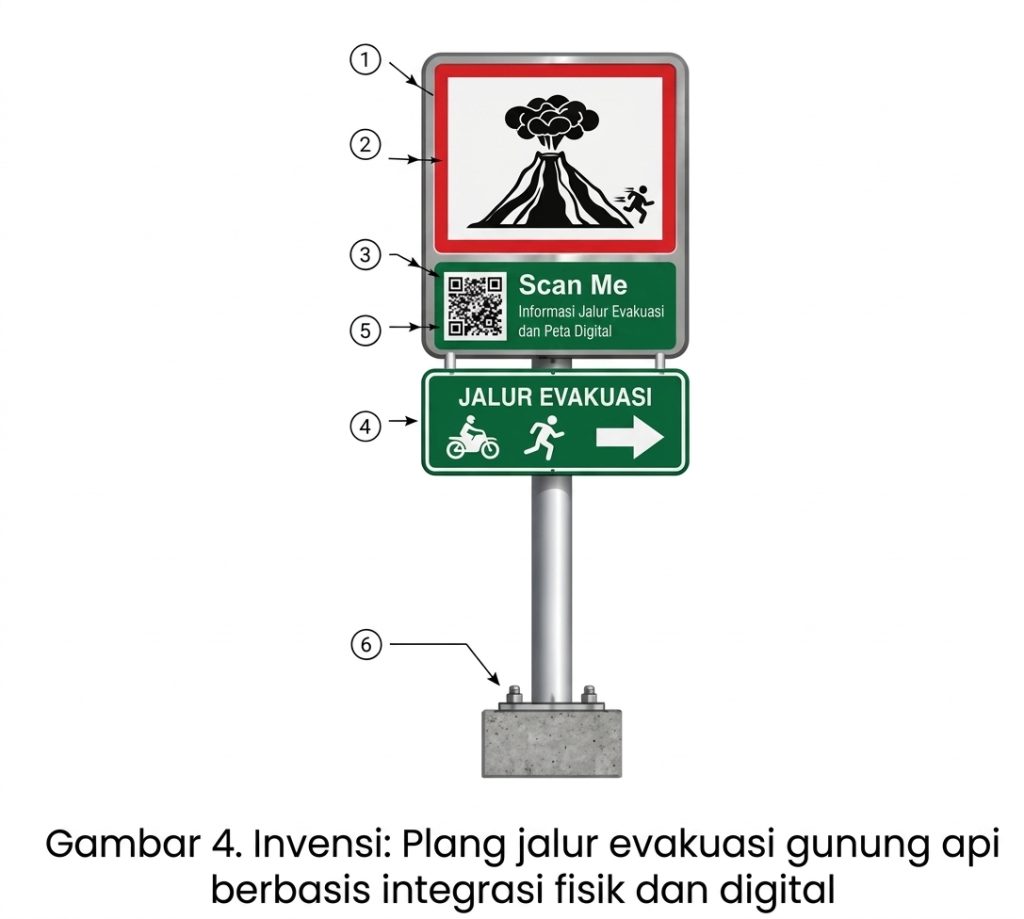
In addition to composting technology, the program introduces a physical and digital integrated volcanic evacuation sign system. The signs combine evacuation directions and visual symbols with QR codes that provide access to digital information. They are designed to display evacuation routes and assembly points, helping residents identify where to go during an emergency. Each sign measures 45 × 90 centimeters and is supported by a pole and concrete foundation.
The digital evacuation system will be supported by WebGIS-based mapping and spatial data processing. Through this integration, residents are expected to access information about evacuation routes and assembly points more easily. Students will also participate in disaster mitigation education and evacuation simulations, helping residents understand not only the signs installed in the village but also the appropriate actions to take during an emergency.
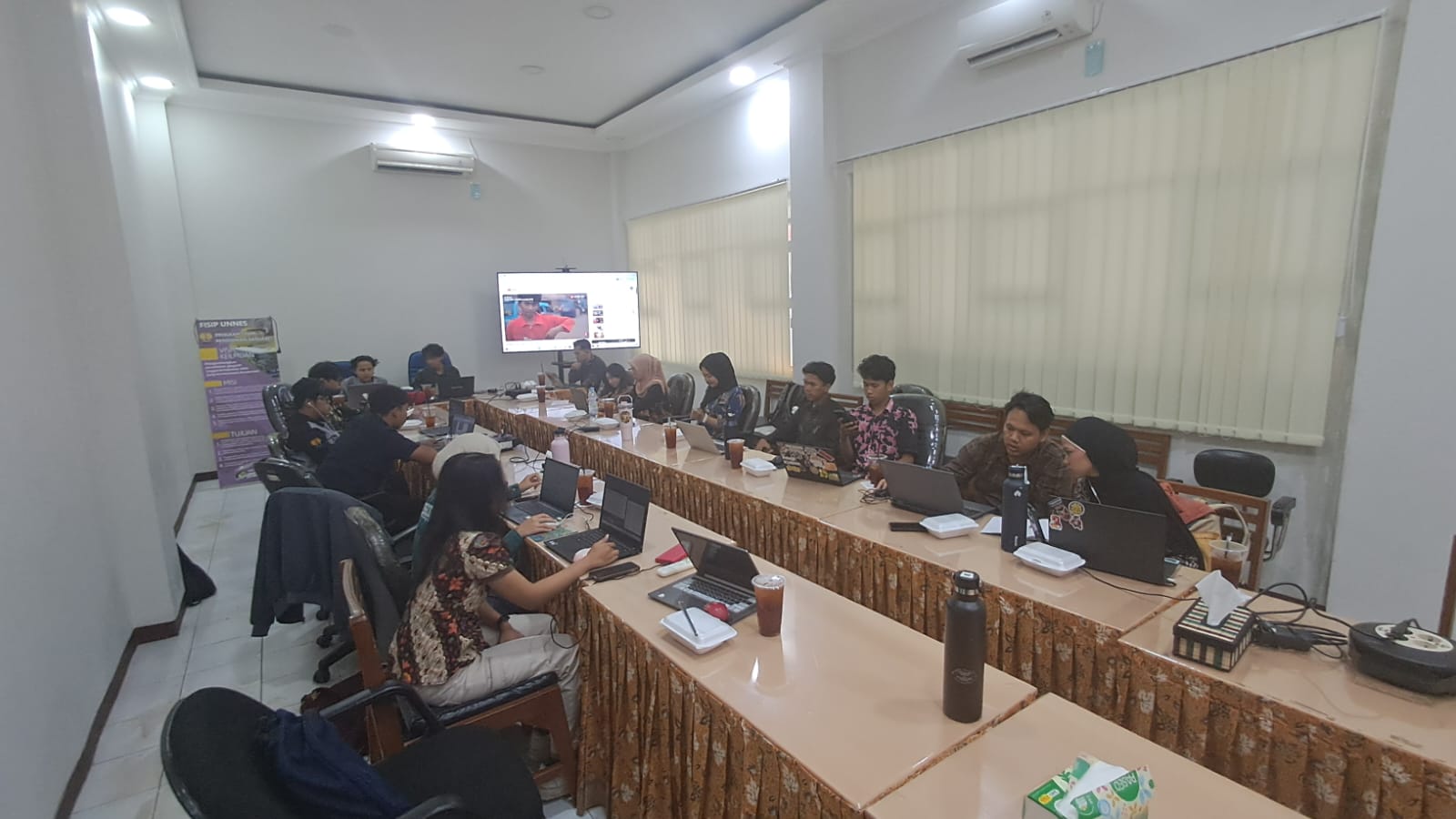
The involvement of students from different academic disciplines is an essential component of the initiative. In addition to mapping and developing digital information systems, students will contribute to community mentoring, administrative support, group economic management, and disaster education. This collaborative approach seeks to connect academic knowledge with local needs, ensuring that the technologies introduced can be used and maintained sustainably by the community.
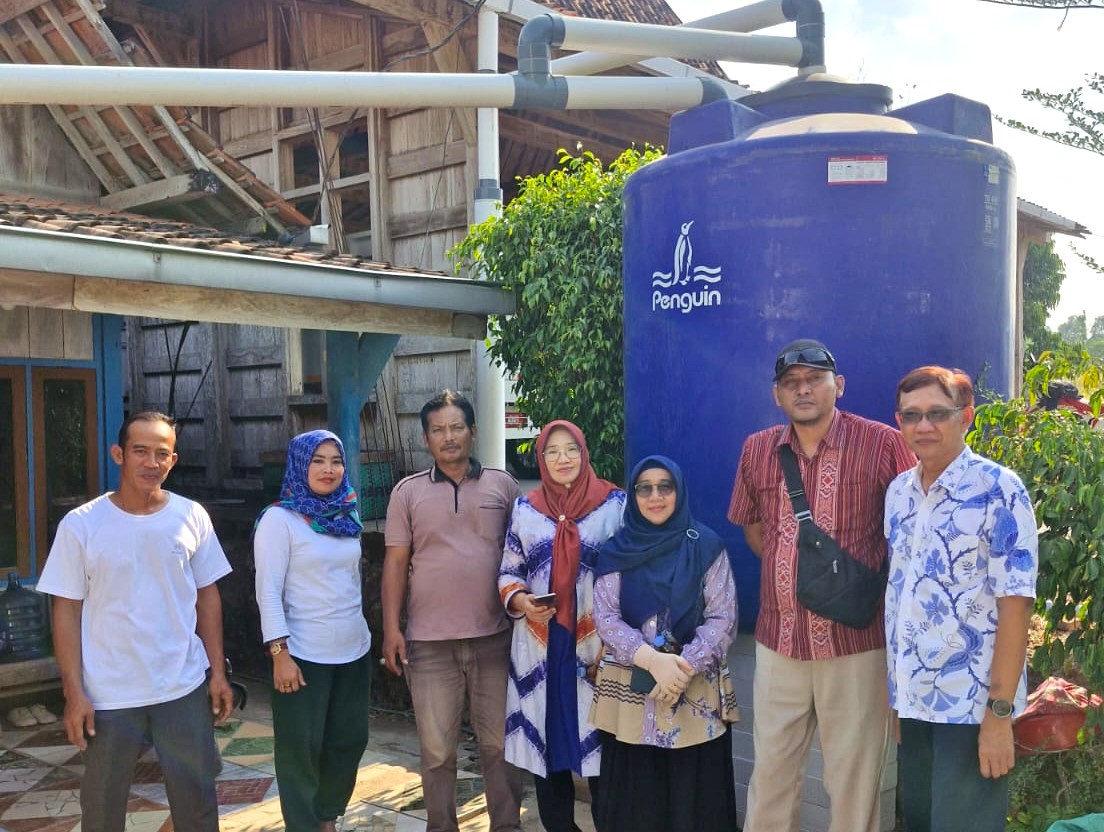
Ketep Village Head Siswanto expressed hope that the program would deliver tangible benefits to residents who need support. Collaboration between the university and the village community is expected to strengthen local capacity in environmental management and disaster preparedness, while encouraging the development of solutions that respond directly to community needs.
The initiative supports several United Nations Sustainable Development Goals (SDGs), particularly SDG 11: Sustainable Cities and Communities, through improved disaster preparedness, and SDG 12: Responsible Consumption and Production, through organic waste processing and compost production. It also contributes to SDG 13: Climate Action by strengthening community capacity to respond to environmental risks and disasters. Through the integration of appropriate technology, student engagement, and community participation, UNNES seeks to promote sustainable development while ensuring that university-led initiatives deliver meaningful benefits to local communities.