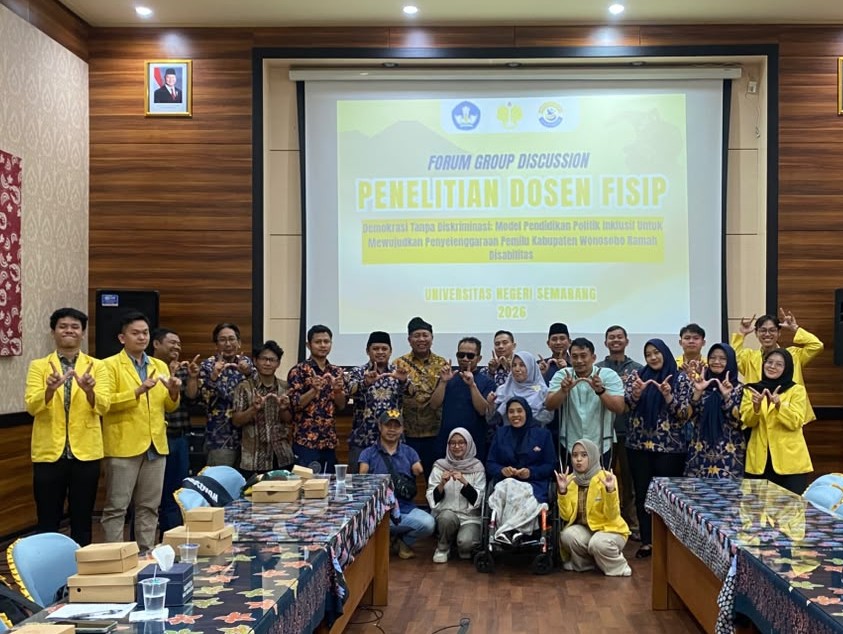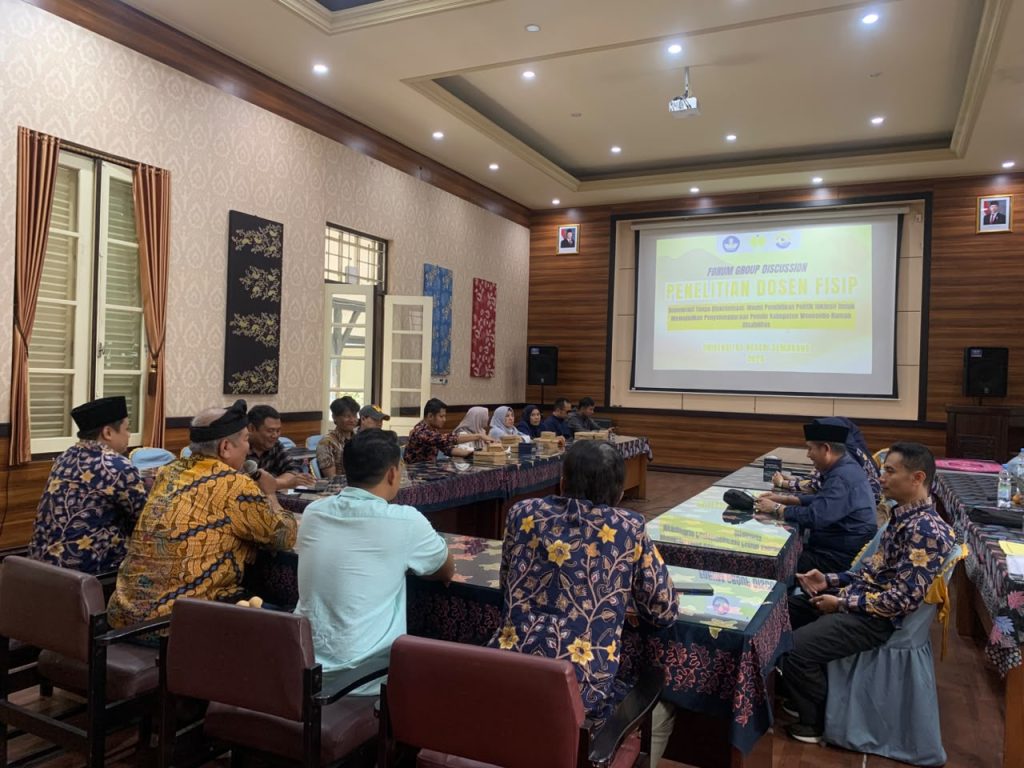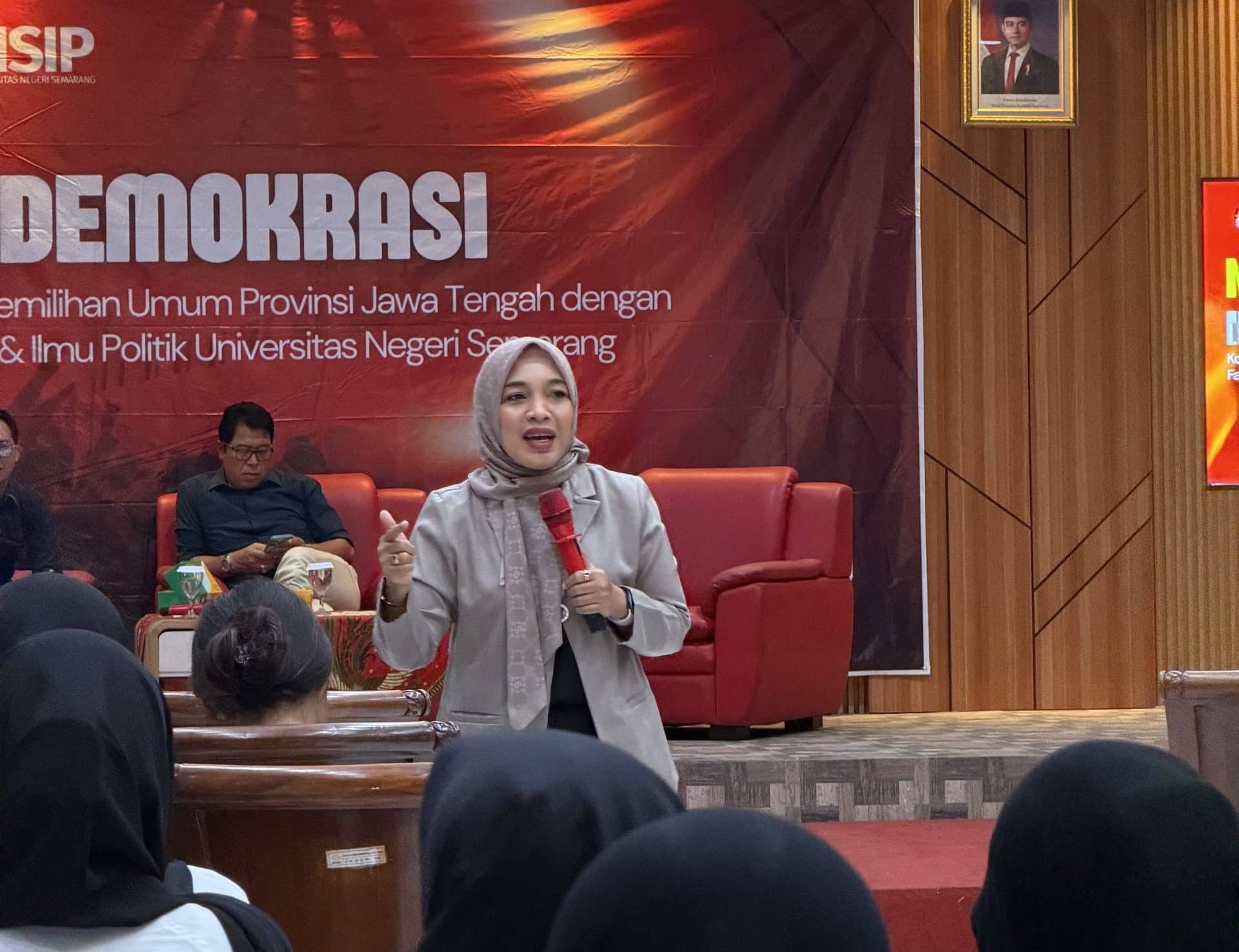




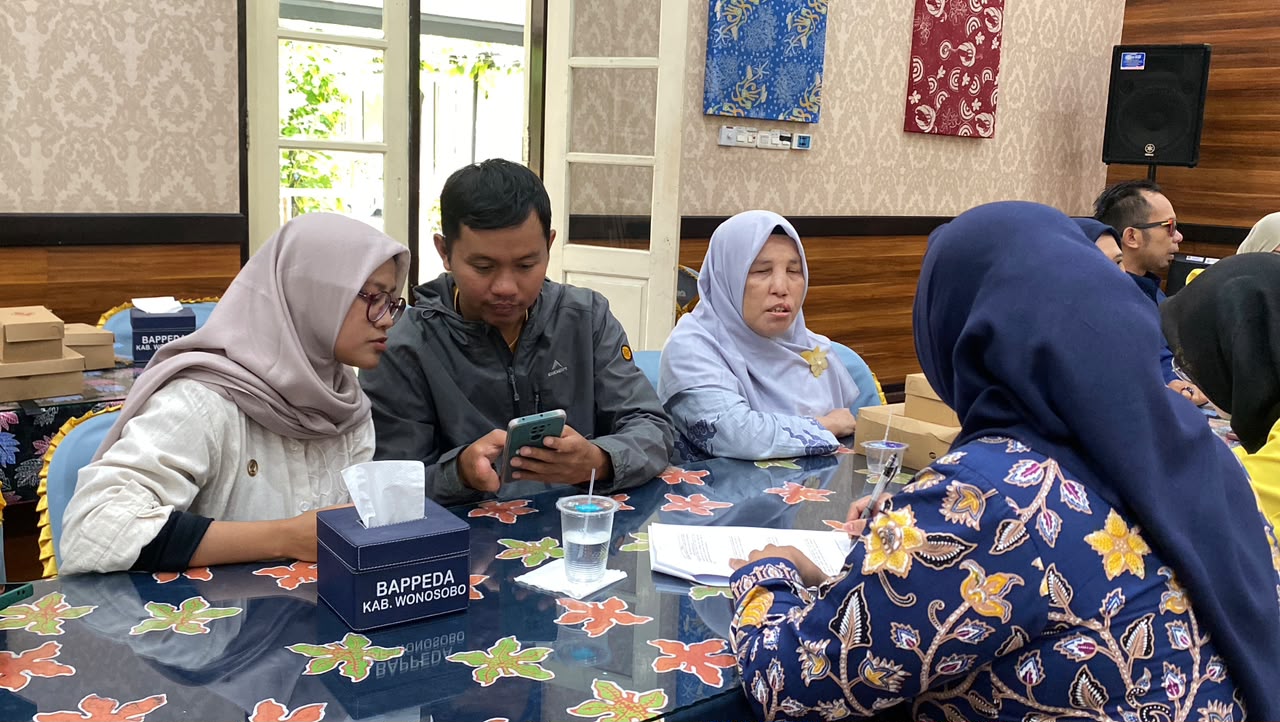
Wonosobo — Efforts to promote inclusive and disability-friendly elections were strengthened through a Focus Group Discussion (FGD) entitled “Democracy without Discrimination: An Inclusive Political Education Model for Realizing Disability-Friendly Elections in Wonosobo Regency”, held in Wonosobo on Saturday, July 18, 2026.
The activity, coordinated by Iwan Hardi Saputro, M.Si., brought together the FISIP Universitas Negeri Semarang (UNNES) research team, the Wonosobo Regency General Elections Commission (KPU), administrators of the Wonosobo Disability Association (Ikatan Disabilitas Wonosobo/IDW), and persons with disabilities from Wonosobo Regency. The FGD was conducted as part of an academic research initiative aimed at developing an inclusive political education framework while promoting equal access to the electoral process for all citizens.
The discussion sought to jointly formulate an inclusive political education framework that would safeguard the political rights and accessibility of persons with disabilities throughout all stages of the electoral process. The discussion focused not only on political education but also on identifying various technical and cultural barriers that could limit the participation of persons with disabilities in democratic processes.
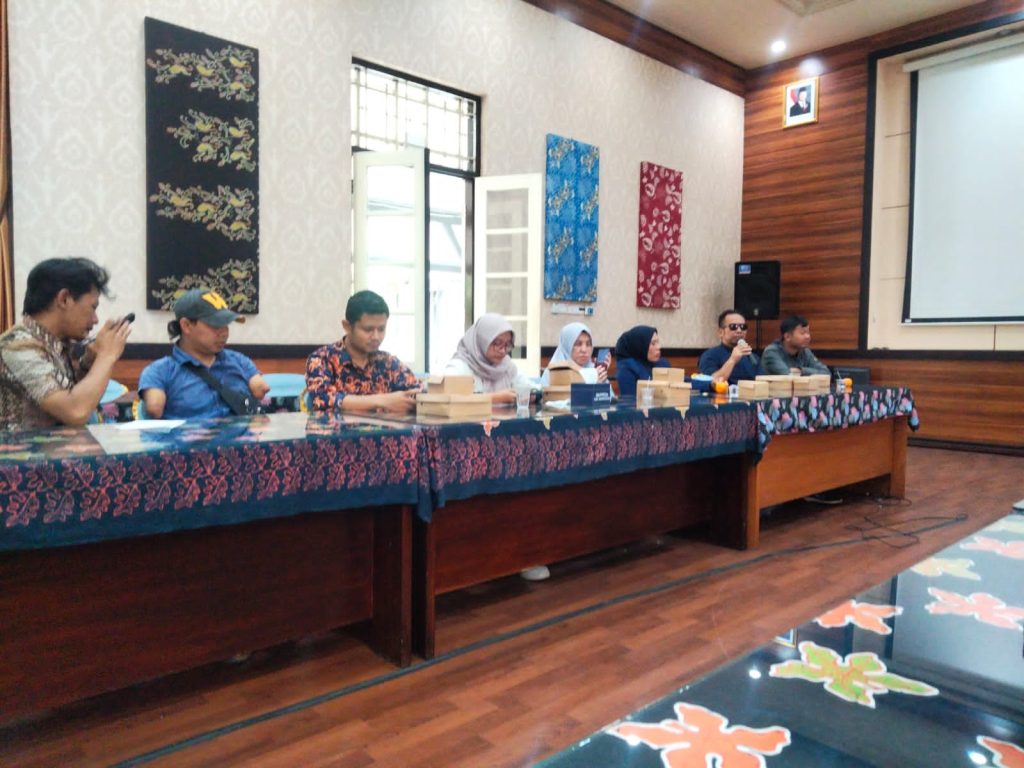
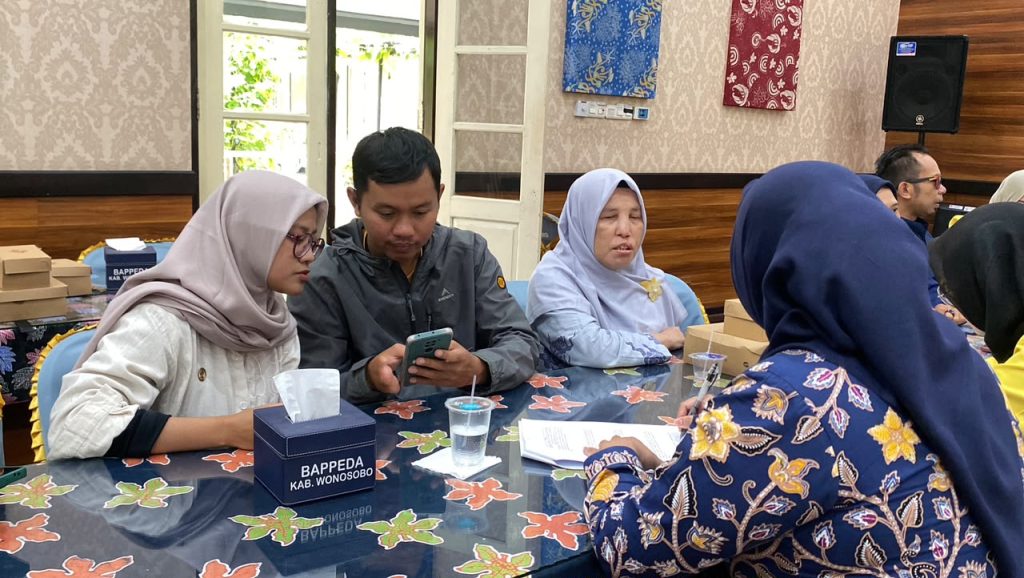
During the forum, academics, election organizers, and disability communities exchanged perspectives on the concrete needs of persons with disabilities. This collaborative approach was considered important because substantive democracy is not merely about conducting elections, but also about ensuring that every citizen, including persons with disabilities, has equal rights, access, and opportunities to participate.
The FISIP UNNES research team emphasized that the activity was intended to produce a political education model that would not remain at the conceptual level, but could also be practically implemented by election organizers at the local level.
“Through this Focus Group Discussion and research, the FISIP UNNES research team is striving to formulate an inclusive political education model that is not only theoretical but also applicable to election organizers in Wonosobo Regency. We hope that the results of this FGD will produce concrete recommendations to eliminate various technical and cultural barriers, so that elections in Wonosobo Regency can truly be disability-friendly,” said Iwan Hardi Saputro.
From the perspective of election organizers, Nasir Salasa, S.Pd., S.Sos., M.Pd., C.Med., from the Wonosobo Regency Election Supervisory Body (Bawaslu), emphasized that persons with disabilities have the same political rights as other citizens. Therefore, the electoral process must ensure that the needs of persons with disabilities are accommodated at every stage, from voter registration to voting.
According to Nasir, an inclusive electoral approach must be realized by providing adequate space and accessibility for persons with disabilities. This process begins by ensuring that they are properly included in voter data so that no one is left out, followed by the provision of accessible facilities that enable them to exercise their voting rights without being hindered by technical issues or inadequate infrastructure.
A similar view was expressed by Kabul from the Wonosobo Regency KPU. He stressed the importance of ensuring that voters with disabilities are included in the Permanent Voters List (DPT) and that their specific needs are taken into account at every stage of the electoral process. Persons with disabilities, he said, must not be left behind or excluded from democratic processes and should be encouraged not only to participate as voters but also to have opportunities to stand as candidates.
Meanwhile, Irwanto, Chairperson of the Wonosobo Disability Association (IDW), called for greater responsiveness and awareness of the needs of persons with disabilities. He said that improved services must be accompanied by adequate facilities, as not all currently available facilities fully meet the needs of persons with disabilities.
He particularly highlighted the importance of improving access to information for people with visual impairments. According to him, meeting these needs is essential to ensure that persons with disabilities can exercise their voting rights effectively in the democratic process.
In addition to facilities and access to information, Irwanto emphasized that supportive community networks represent an important form of social capital in building inclusive elections. Therefore, stronger synergy between the KPU and Bawaslu is needed to ensure that discrimination does not occur at any stage of the electoral process.
Furthermore, persons with disabilities should be given opportunities to participate actively in policymaking processes. Such involvement is important to ensure that policies concerning persons with disabilities are not formulated solely from an institutional perspective, but also take into account the direct experiences and needs of the communities concerned.
The FGD ultimately positioned inclusiveness as an essential component of democratic quality. Political education designed to address the needs of persons with disabilities is expected to enhance their political knowledge, confidence, and capacity to participate fully and equally in democratic processes.
The collaboration among FISIP UNNES, the Wonosobo Regency KPU, the Wonosobo Regency Bawaslu, and IDW also demonstrated the importance of bringing together academic knowledge, the practical experience of election organizers, and the lived experiences of disability communities. Such collaboration is expected to produce more contextual recommendations that can be applied to improve the quality of electoral processes in Wonosobo.
This initiative is aligned with the achievement of the Sustainable Development Goals (SDGs), particularly SDG 4: Quality Education, through the development of inclusive political education that is accessible to all citizens; SDG 10: Reduced Inequalities, through efforts to eliminate barriers that create unequal access and opportunities for persons with disabilities in political participation; and SDG 17: Partnerships for the Goals, through collaboration among higher education institutions, election organizers, and organizations representing persons with disabilities.
Through the “Democracy without Discrimination” FGD, political education was positioned not merely as a means of increasing knowledge about elections, but also as an instrument for ensuring that every citizen can exercise their political rights equally. This effort represents an important step toward building a democratic system that is inclusive, participatory, and capable of providing equal opportunities for persons with disabilities.