



Cilacap, Indonesia – Universitas Negeri Semarang (UNNES) continues to strengthen its contribution to community empowerment through a community service program that harnesses local potential. From 1–3 July 2026, an interdisciplinary UNNES community service team carried out a program entitled “Strengthening the Local Economy through Community-Based Educational Biogas Tourism and Disaster-Resilient SMEs in Karangpakis Village, Cilacap” at the Karangpakis Village Hall, Nusawungu District, Cilacap Regency. Conducted in collaboration with the Karangpakis Village Government, the program aimed to enhance the capacity of micro, small, and medium enterprises (MSMEs) while promoting sustainable, environmentally friendly, and disaster-resilient rural tourism.
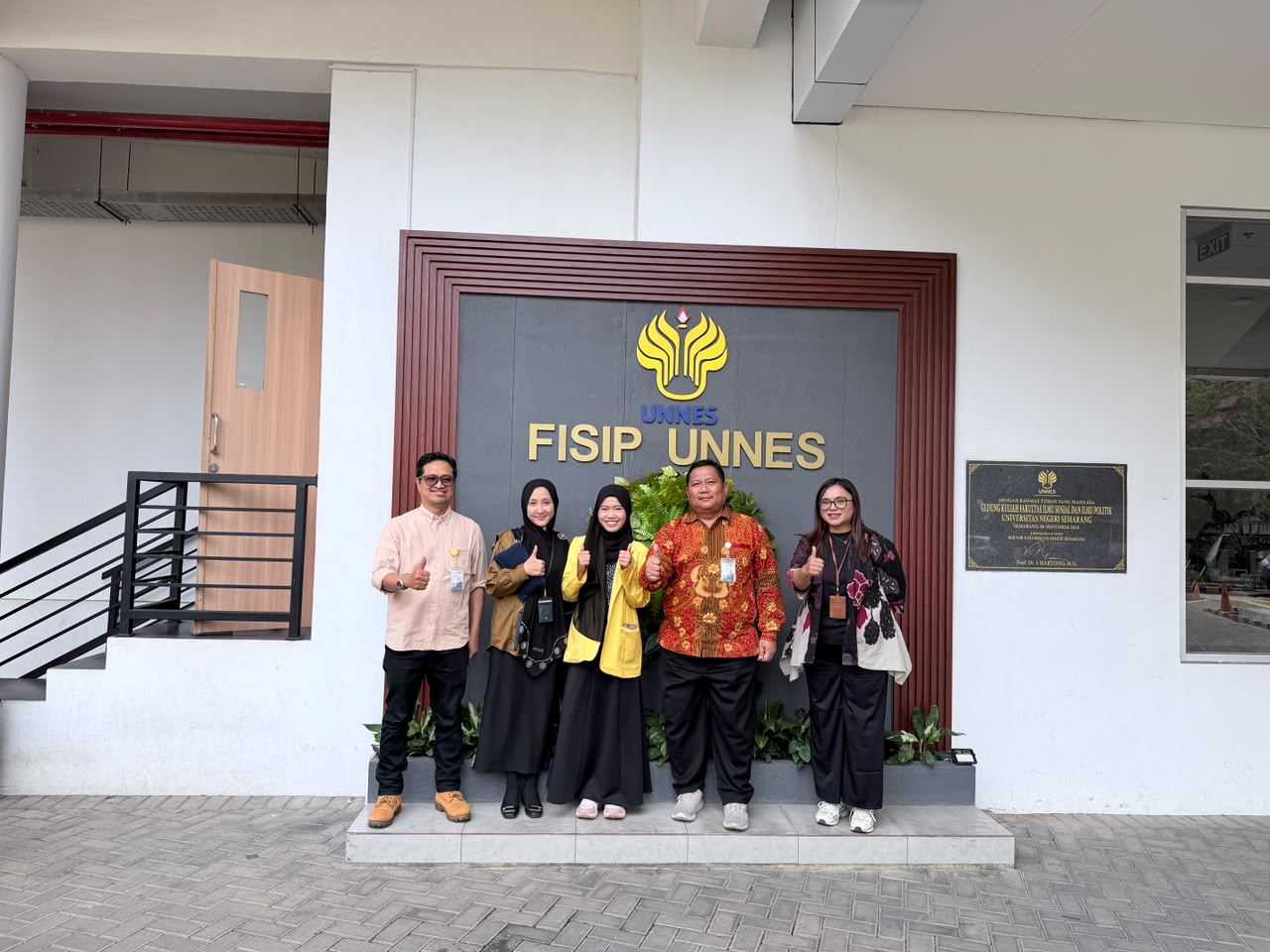
The implementation team consisted of Aprillia Findayani, Juhadi, Rahma Hayati, Ariyani Indrayati, and Wahyu Setyaningsih from the Department of Geography, Khoirul Anwar from the Social Studies Education Program, and Dian Purbo Utomo from the Faculty of Education and Psychology (FIPP). This multidisciplinary collaboration was designed to provide comprehensive assistance covering community economic development, renewable energy utilization, and disaster risk reduction.
The program featured a series of activities, including socialization sessions, hands-on training, interactive discussions, field practice, and direct mentoring for MSME owners and local residents. Participants received training on developing MSMEs through educational biogas tourism, improving product quality and digital marketing strategies, utilizing biogas as a renewable energy source, and implementing disaster mitigation measures to support the development of a safe and sustainable tourism destination. To ensure the sustainability of the initiative, the UNNES team also donated educational materials that can be used by the community for future learning and village tourism development.
According to the community service team, Karangpakis Village possesses significant potential to become an educational tourism destination that integrates economic development, environmental sustainability, and disaster preparedness. The village’s biogas facilities not only provide an alternative source of clean energy but also serve as valuable educational attractions capable of increasing tourism appeal while adding value to local products and economic activities. Therefore, strengthening the capacity of MSME entrepreneurs is considered a strategic step toward maximizing these local assets in a sustainable manner.
Beyond economic empowerment, the program also emphasized the importance of building community awareness of disaster preparedness. Through disaster mitigation training, participants learned practical strategies for disaster risk reduction, emergency response planning, and the importance of creating a safe environment for both residents and visitors. This approach is expected to enhance the resilience of Karangpakis Village while increasing its competitiveness as an educational tourism destination.
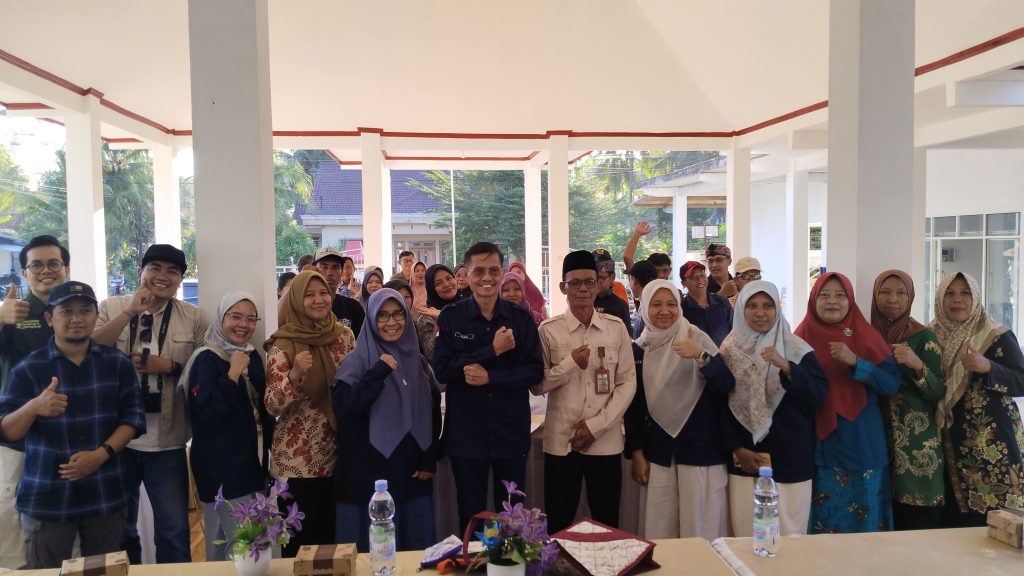
The Karangpakis Village Government expressed its appreciation for the program, recognizing its tangible benefits for the local community. Village officials hope that the initiative will serve as the foundation for long-term collaboration between the university and the village government.
“We sincerely appreciate the community service team from Universitas Negeri Semarang for their valuable assistance to the people of Karangpakis Village. This program has significantly strengthened the capacity of our MSMEs, supported the development of educational biogas tourism, and enhanced community awareness of disaster preparedness. We hope this collaboration will continue in the future to promote sustainable rural economic development and improve the well-being of our community,” stated a representative of the Karangpakis Village Government.
For UNNES, this community service program represents a concrete implementation of the university’s Tri Dharma of Higher Education, positioning the university as a strategic partner in community development. Through collaboration among academics, the village government, MSME actors, and local residents, the program is expected to establish a sustainable model of community empowerment driven by innovation, local resources, and environmental stewardship.
The program also contributes to the achievement of the Sustainable Development Goals (SDGs). It supports SDG 8 (Decent Work and Economic Growth) by strengthening MSME capacity and promoting local economic development through rural tourism; SDG 7 (Affordable and Clean Energy) by encouraging the use of renewable energy through biogas technology; SDG 11 (Sustainable Cities and Communities) by fostering the development of a safe, resilient, and sustainable tourism village; SDG 13 (Climate Action) by enhancing community resilience through disaster mitigation education; and SDG 17 (Partnerships for the Goals) by reinforcing collaboration between UNNES, the Karangpakis Village Government, MSMEs, and the local community to advance inclusive and sustainable rural development. Through this initiative, UNNES once again demonstrates its commitment to applying academic knowledge and innovation to improve community welfare while promoting environmental sustainability and resilient local economies.