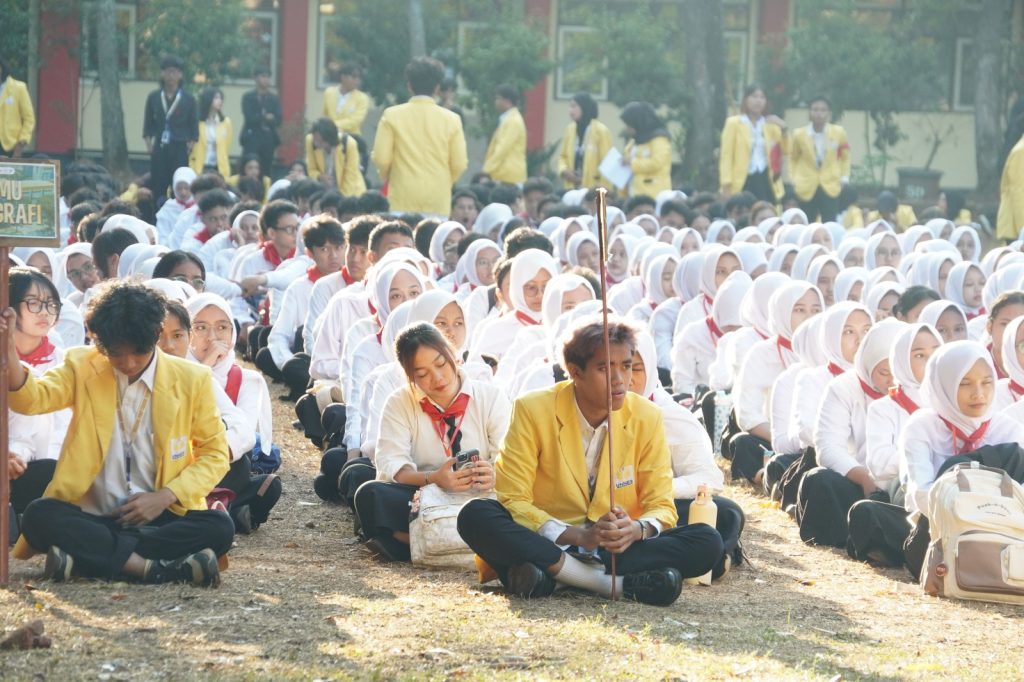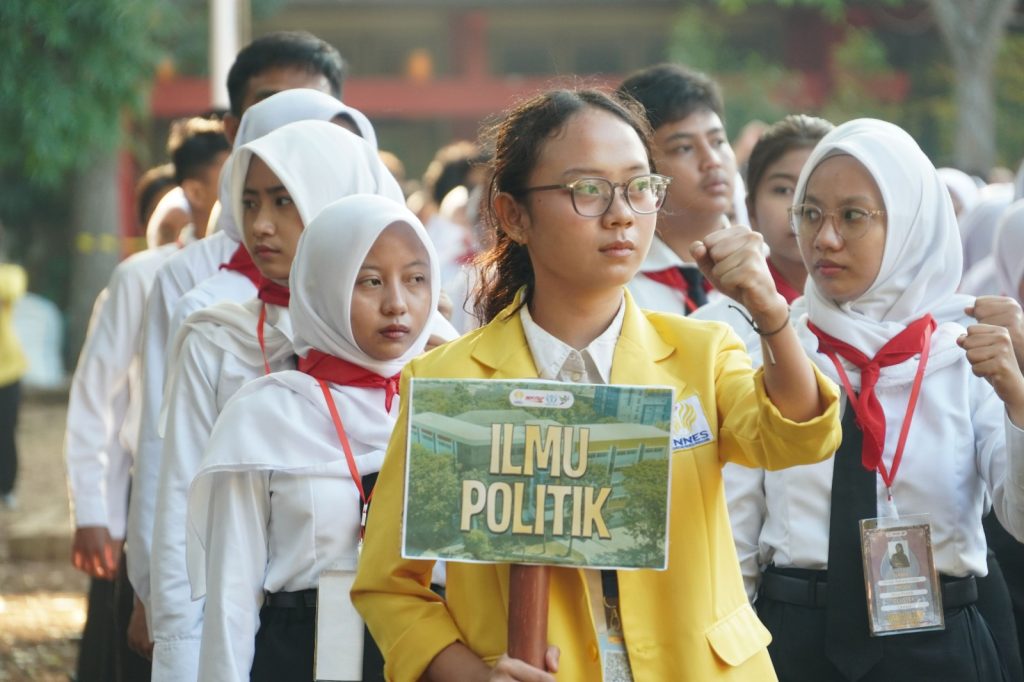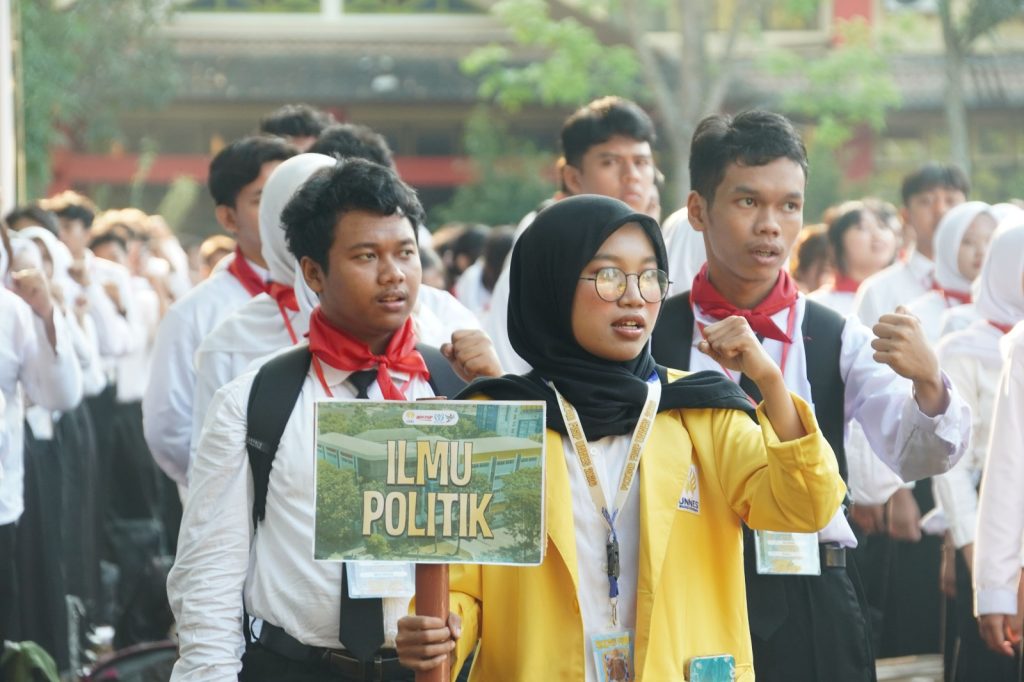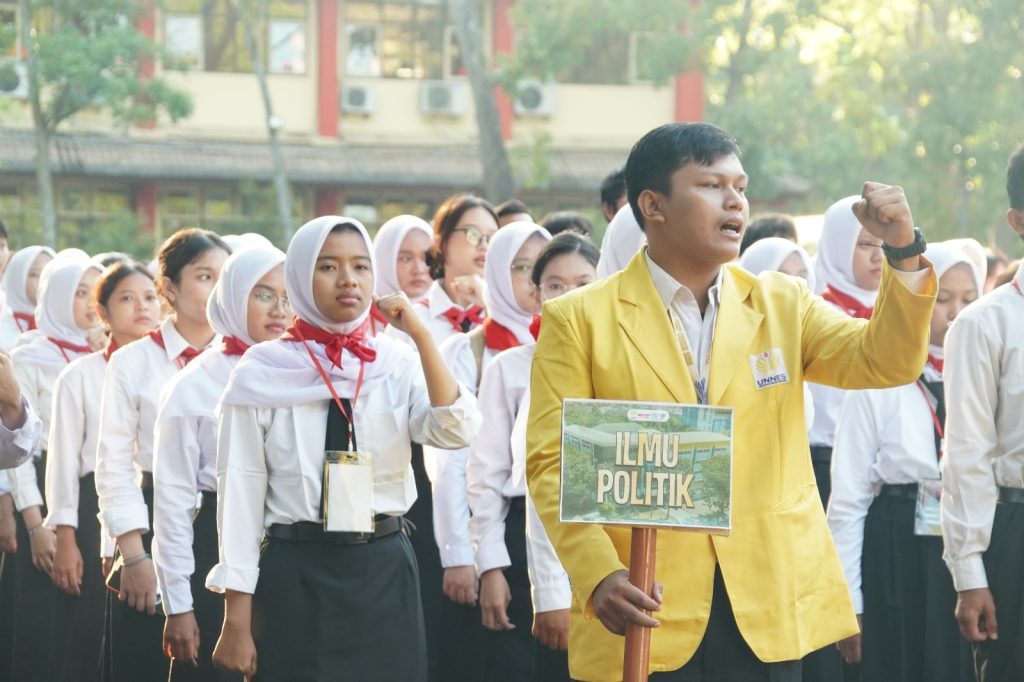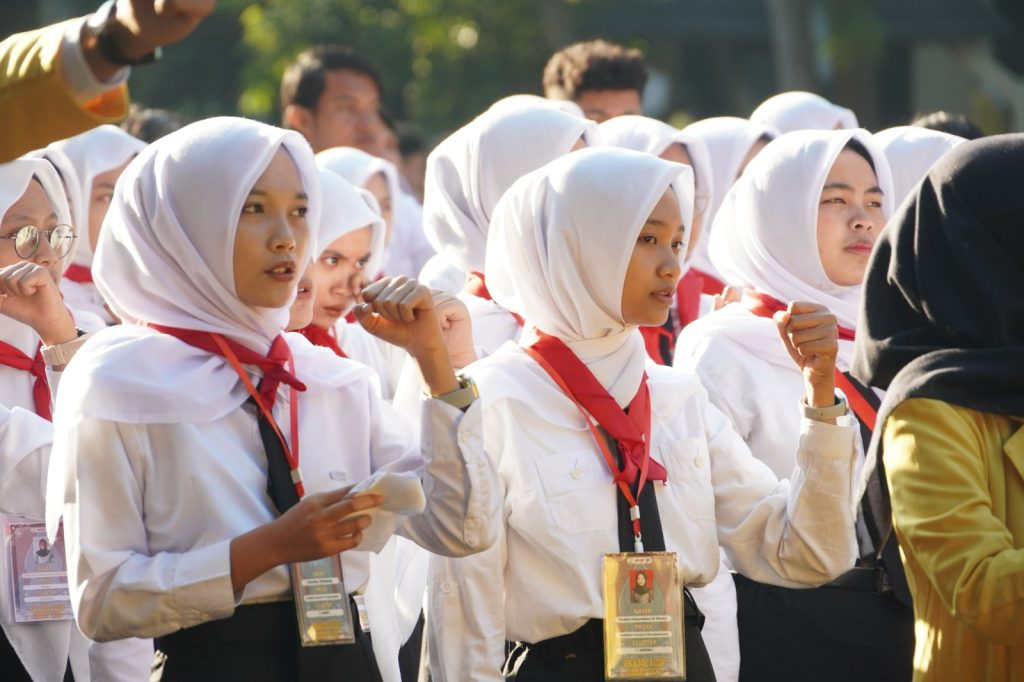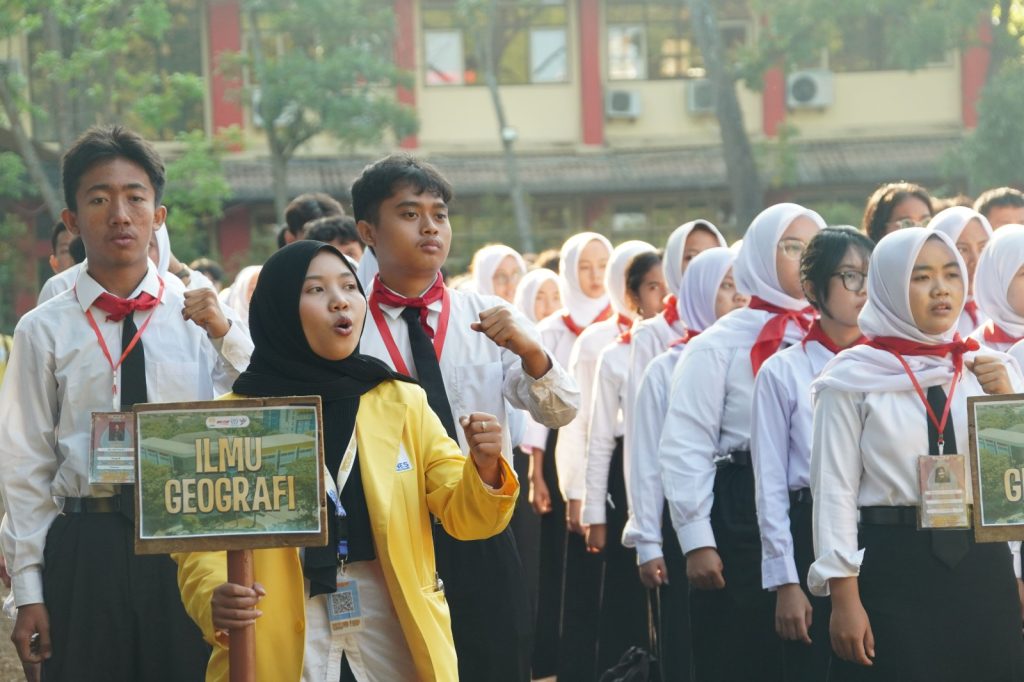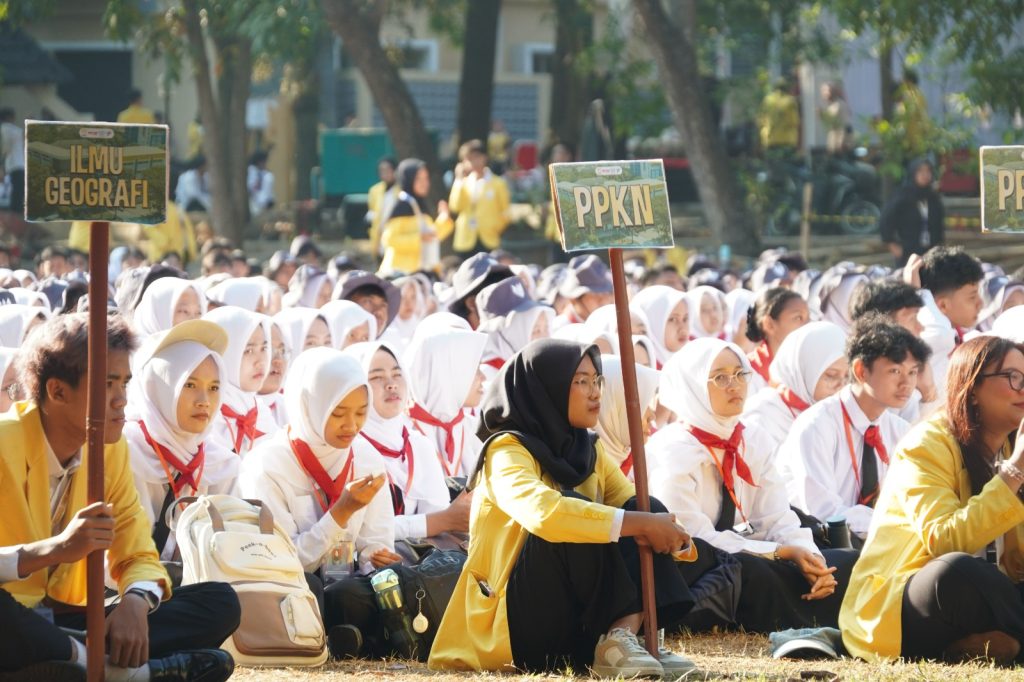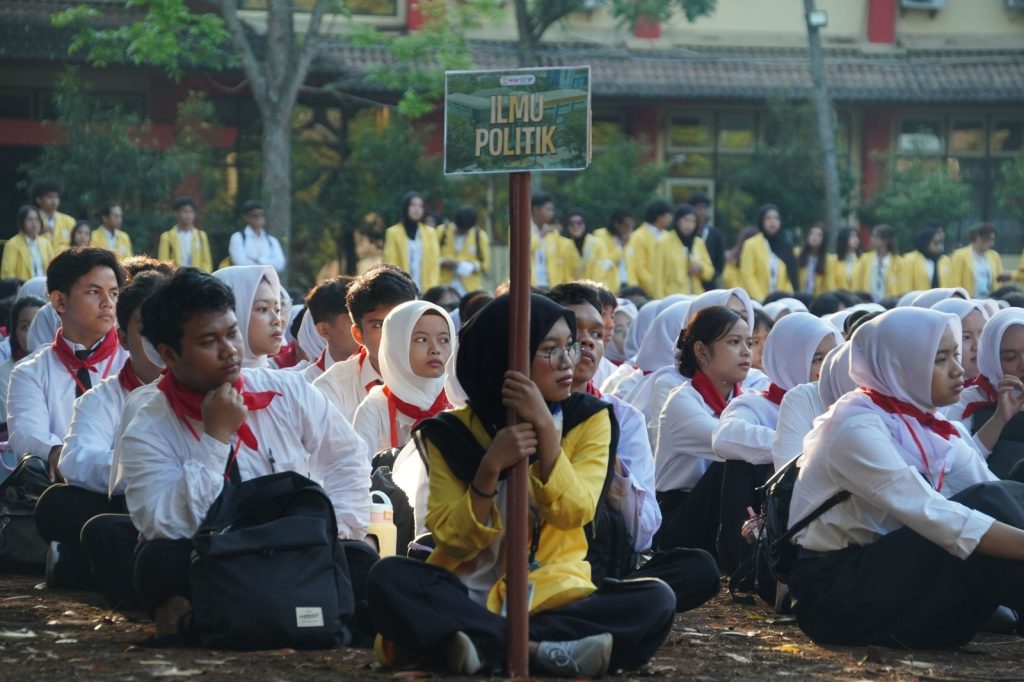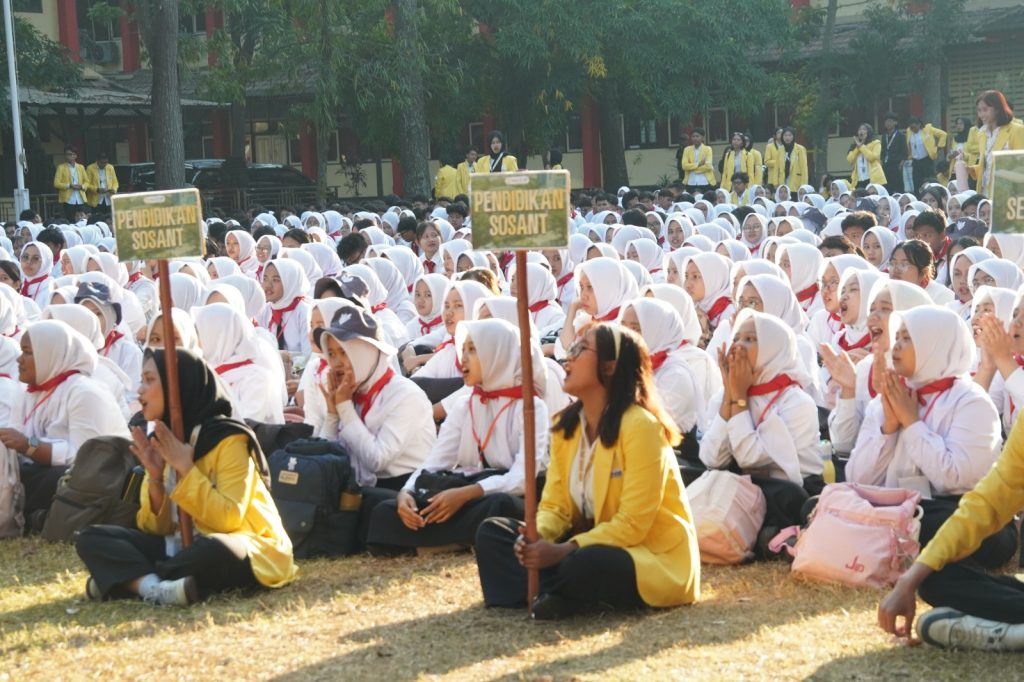




The Faculty of Social and Political Sciences (FISIP) of Universitas Negeri Semarang (UNNES) officially welcomed 1,363 new students through the 2026 Introduction to Campus Life for New Students (Pengenalan Kehidupan Kampus bagi Mahasiswa Baru/PKKMB) program. The activity was held on Thursday, August 13, 2026, at the FISIP UNNES field and was organized by the FISIP Student Executive Board (Badan Eksekutif Mahasiswa/BEM FISIP).
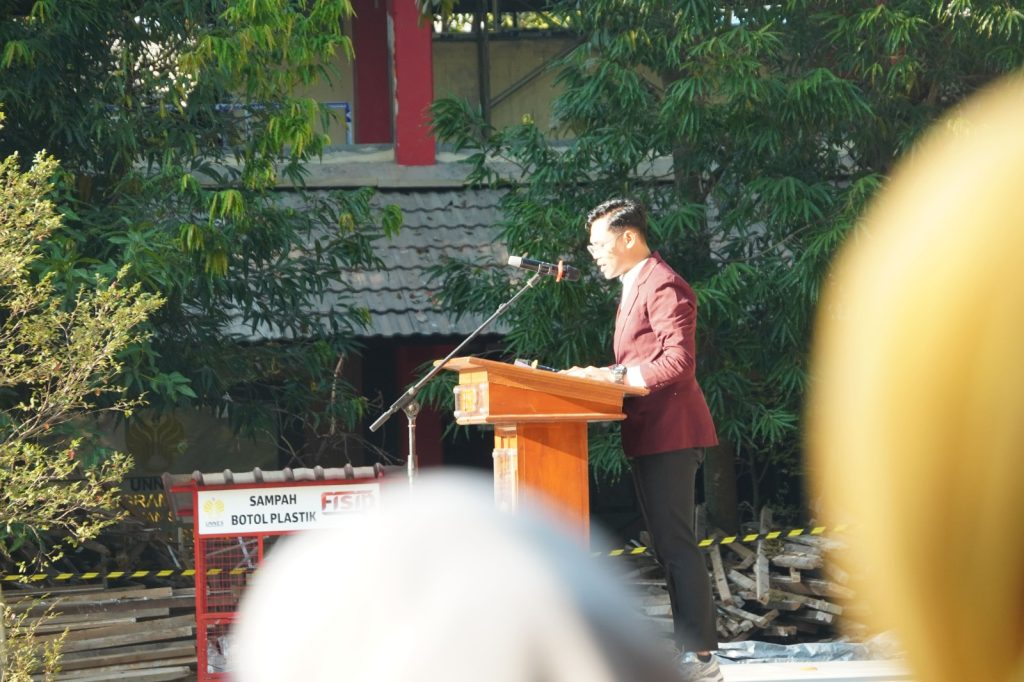
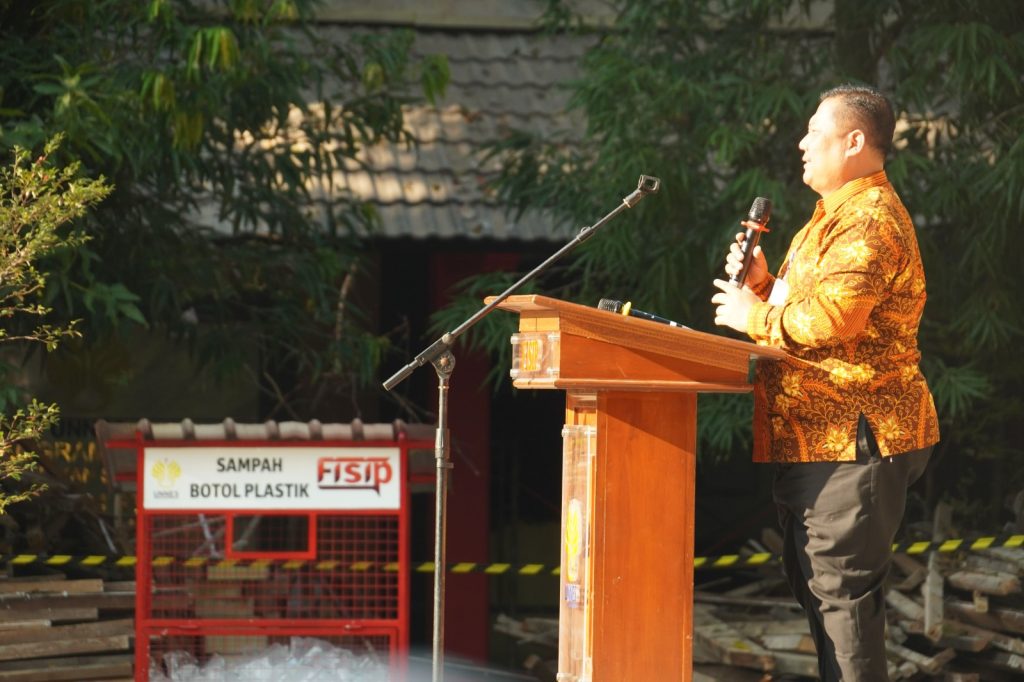
The opening ceremony was officially inaugurated by the Dean of FISIP UNNES, Prof. Dr. Arif Purnomo, S.Pd., S.S., M.Pd. The opening was marked by the striking of a gong five times, symbolizing the five principles of Pancasila, the foundational philosophy of the Republic of Indonesia.
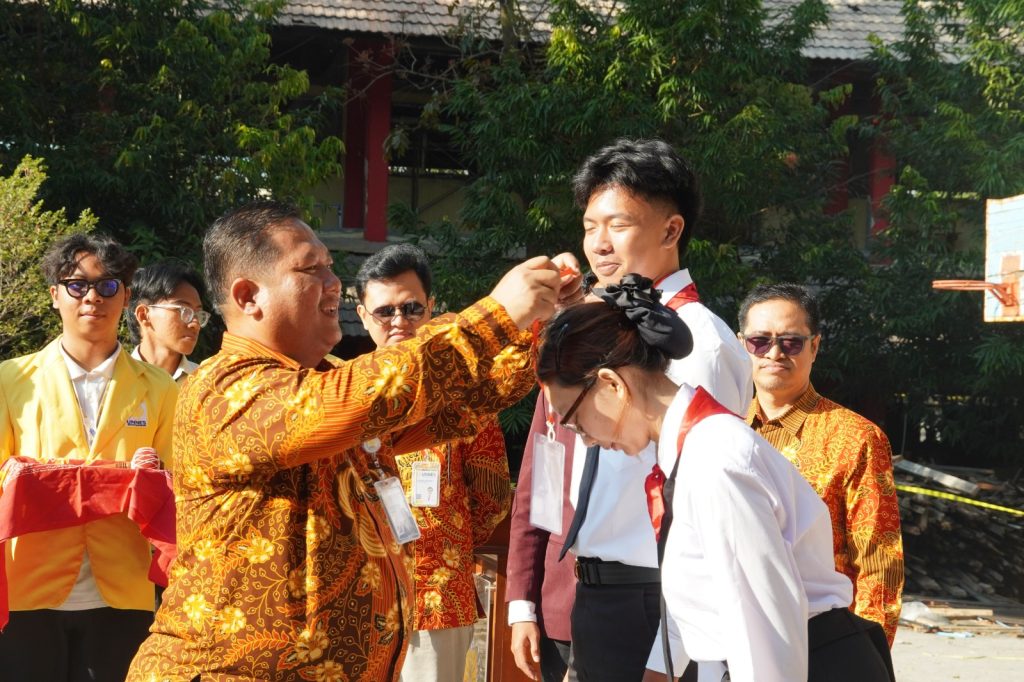
The symbolic inauguration was then carried out by inducting two representatives of the new students as participants of the PKKMB program. The ceremony continued with a performance of Gala Sanskara, the official PKKMB FISIP jingle, which further strengthened the spirit and enthusiasm of the new students as they began their journey as members of the FISIP UNNES academic community.
The PKKMB program is an important part of the initial process of introducing new students to university life. Through this activity, students are introduced to the academic, social, and organizational environment of FISIP UNNES. The program also provides an opportunity for new students to understand the values and culture that form part of their life as members of the university community.
The opening ceremony was not merely a formal event. The five gong strikes represented the five principles of Pancasila and carried a symbolic message about the importance of national values in students’ lives. Through this symbolism, new students were reminded that their academic journey should be accompanied by character development, responsibility, mutual respect, and commitment to the values of national life.
With 1,363 new students participating, PKKMB 2026 also became a significant moment for building a sense of togetherness among students from diverse educational, social, and cultural backgrounds. The initial interaction among new students is expected to become a foundation for creating an academic environment that is inclusive, collaborative, and respectful of differences.
The presence of the Gala Sanskara jingle further contributed to creating an atmosphere of enthusiasm during the opening. As part of the identity of the PKKMB program at FISIP UNNES, the jingle helped create a shared sense of identity among the new students while marking the beginning of their new experience in higher education.
Through PKKMB, FISIP UNNES seeks to prepare new students not only to adapt to academic life but also to become active members of the university community. Students are encouraged to understand their responsibilities as members of an academic institution and to develop attitudes that support collaboration, participation, and respect for others.
The implementation of PKKMB is also in line with the achievement of the Sustainable Development Goals (SDGs), particularly SDG 4: Quality Education. The program contributes to creating an educational environment that supports students’ holistic development, not only in terms of academic competence but also in terms of character, social skills, and their ability to participate actively in the academic community.
The activity is also relevant to SDG 16: Peace, Justice and Strong Institutions, particularly through the strengthening of values related to responsibility, respect for diversity, peaceful interaction, and active participation within an institutional environment. The introduction of Pancasila values at the beginning of students’ university journey reinforces the importance of developing young people who are capable of living and working together in a diverse society.
With the official opening of PKKMB 2026, FISIP UNNES welcomes 1,363 new students as part of its academic community. The program is expected to serve as the first step for students to adapt to university life, develop their potential, build positive relationships, and prepare themselves to contribute to society, the nation, and the state.