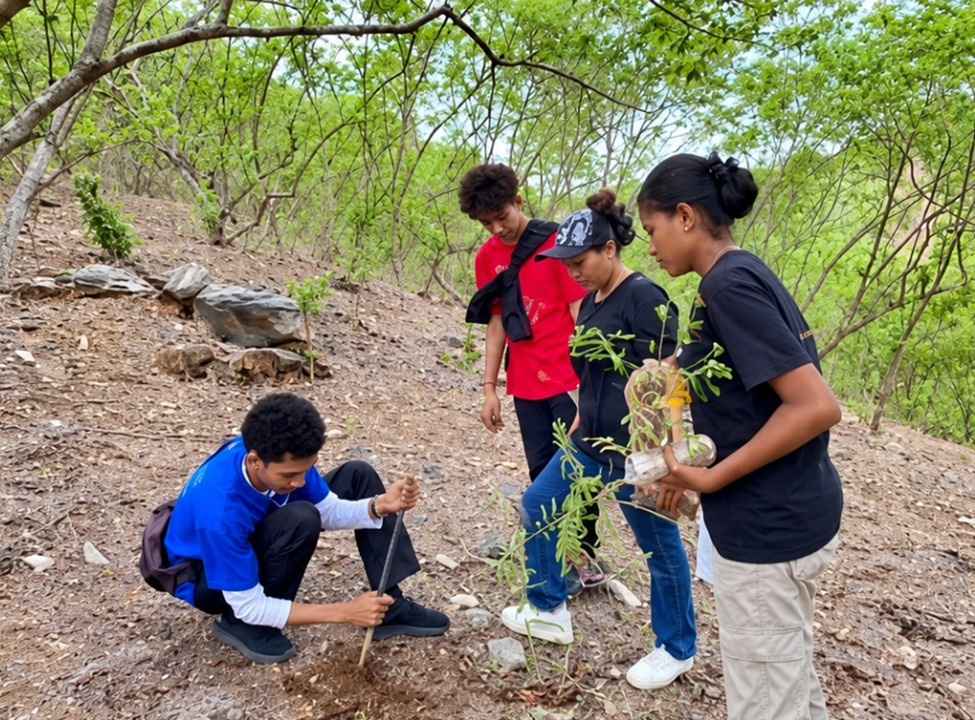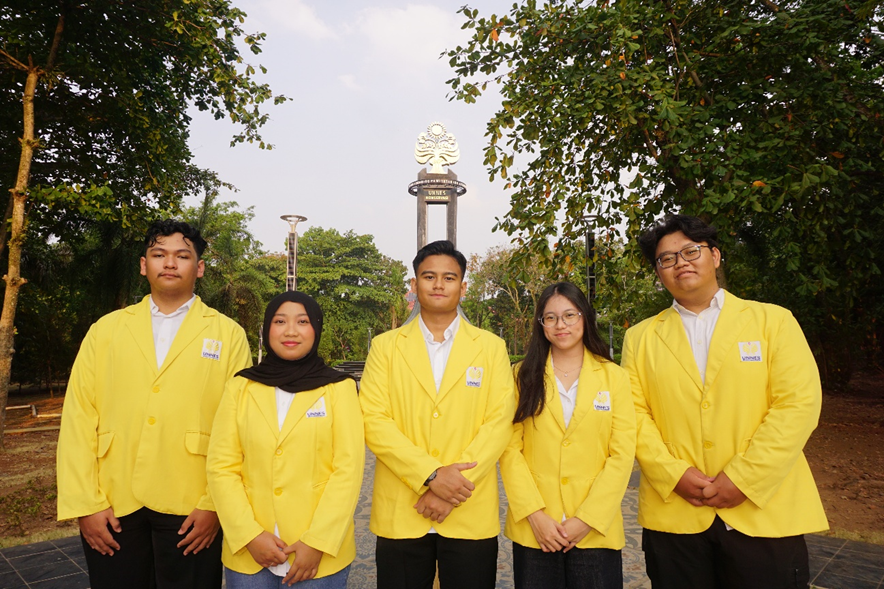



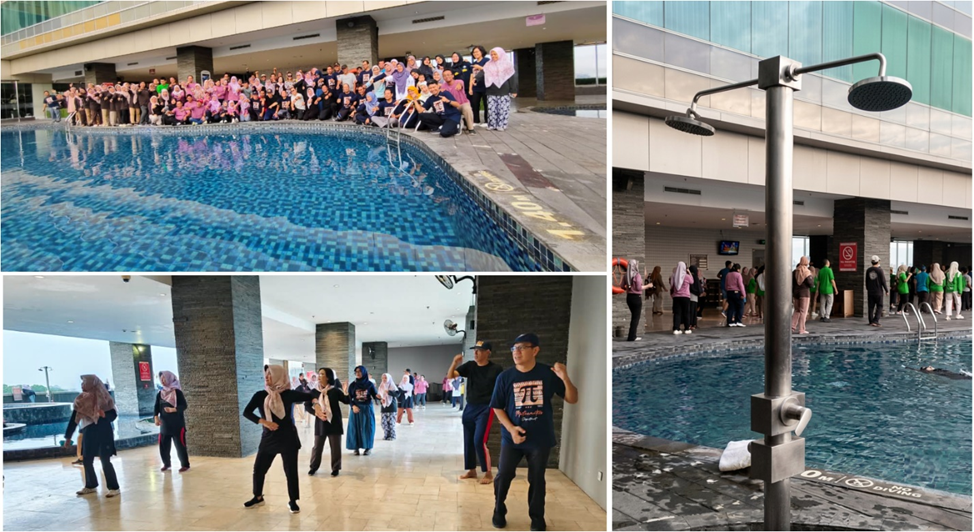
The Faculty of Mathematics and Natural Sciences (FMIPA), Universitas Negeri Semarang (UNNES), consistently promotes a healthy lifestyle through regular exercise, sports activities, sports facilities, and daily physical activity on campus. Before the implementation of the Work From Home (WFH) policy, FMIPA regularly held group exercise every Friday, except on public holidays and during Ramadan, involving faculty members and administrative staff. The high level of participation made Friday exercise one of the most consistent community-building activities at FMIPA. This commitment was also demonstrated during the FMIPA Work Meeting in Solo in January 2026, when all faculty members and administrative staff participated in a group exercise session.
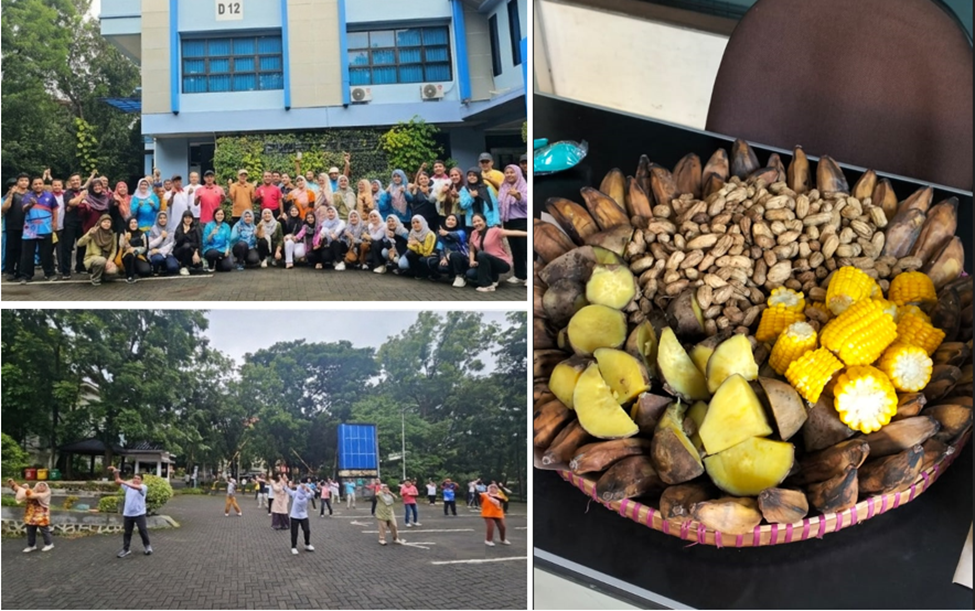
The exercise sessions were usually followed by a communal meal. The food provided considered nutritional balance, including carbohydrates, protein, and vegetables, as well as various boiled dishes. This activity not only supported physical well-being but also strengthened collegiality among faculty members and staff.
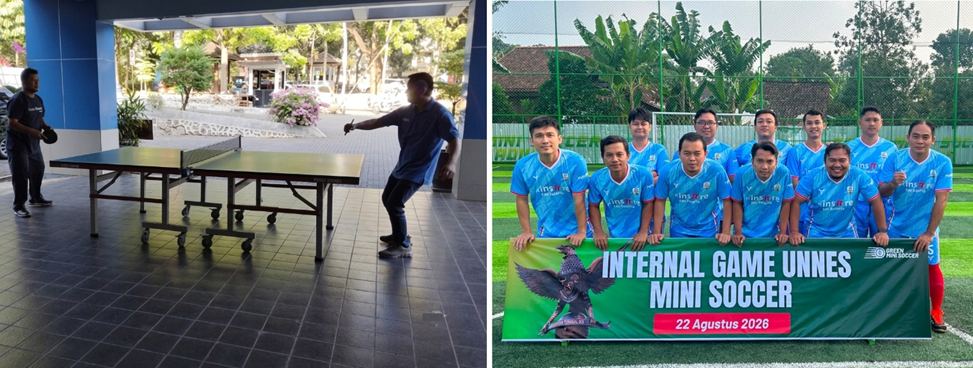
Since April 1, 2026, following the implementation of the government’s WFH policy, sports activities have become more flexible. Faculty members and administrative staff continue to be encouraged to exercise individually or in small groups through activities such as table tennis, mini soccer, and jogging. The change in work arrangements has therefore not diminished the culture of physical activity that has been established at FMIPA.
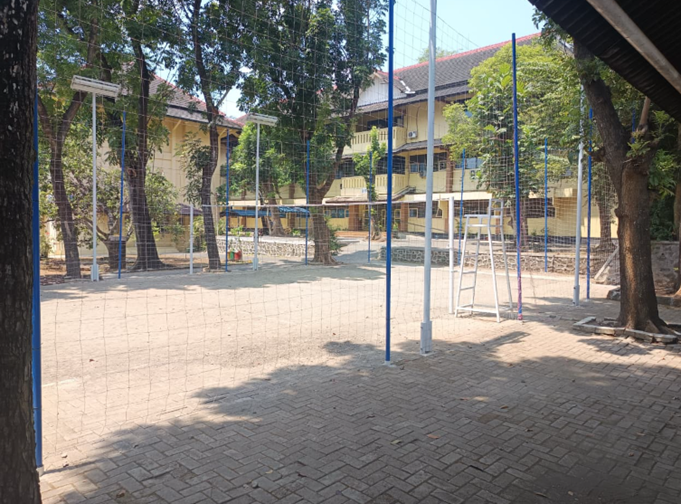
This commitment is also supported by sports facilities available at FMIPA, including basketball, volleyball, and pétanque courts. These facilities can be used by faculty members, administrative staff, and students and, on certain occasions, may also be accessed by people from outside FMIPA.
In addition to promoting sports, FMIPA UNNES encourages physical activity through a walking initiative on campus. Based on Dean’s Circular Letter No. B/6500/UN37.1.4/RT.02/2023 on Parking Areas, faculty members, administrative staff, and students are encouraged to make walking a regular habit as part of the implementation of UNNES’s conservation vision. Vehicle users are also encouraged to park in designated official parking areas.
Encouraging walking provides health benefits while supporting a more pedestrian-friendly campus environment and reducing the use of motor vehicles for short-distance mobility within the campus.
These initiatives demonstrate that FMIPA’s healthy-lifestyle culture is developed through complementary practices, including group exercise, individual sports, sports facilities, nutritious food, and walking habits. The initiatives contribute particularly to SDG 3: Good Health and Well-being by promoting physical activity, exercise, healthier food consumption, and an environment that supports fitness and well-being. The provision of nutritious food also contributes to SDG 2: Zero Hunger, particularly in promoting access to healthier food. Meanwhile, encouraging walking and reducing vehicle use within the campus contribute to SDG 11: Sustainable Cities and Communities and SDG 13: Climate Action by supporting a more pedestrian-friendly and environmentally sustainable campus. Through consistent sports activities and active-lifestyle practices, FMIPA UNNES places health, collegiality, and conservation at the heart of its academic culture, creating an environment that supports not only academic achievement but also the well-being of its academic community.