


The Faculty of Mathematics and Natural Sciences (FMIPA) of Universitas Negeri Semarang (UNNES) continues to strengthen its commitment to student well-being through “FMIPA Berbagi,” a solidarity initiative that provides food for students within the faculty community.
The program represents a concrete expression of FMIPA UNNES’s concern for students’ food needs while contributing to the creation of a more inclusive and supportive academic environment. By providing food directly, the program supports students who need assistance in meeting their food needs while participating in lectures and other academic activities.
FMIPA Berbagi is conducted regularly every Friday, except when Friday coincides with a public or academic holiday. The meals are prepared with nutritional considerations, particularly a combination of carbohydrates, protein, and vegetables. Thus, the program is not merely intended to alleviate hunger but also to provide students with more nutritious food options.
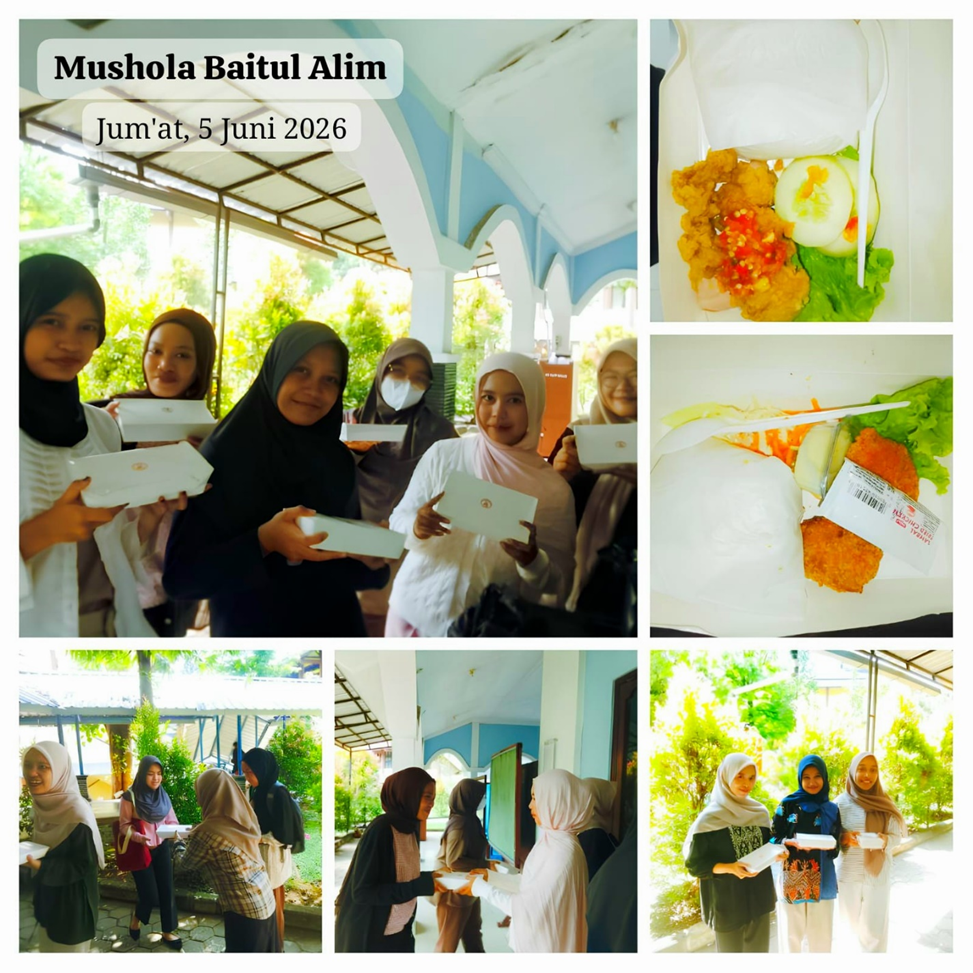
The program is supported by a spirit of collective solidarity among the FMIPA academic community. Funding for the meals comes from donations contributed by lecturers, administrative staff, students, and the wider FMIPA community. The donations are managed to procure meals that are subsequently distributed to students.
The meals are not always prepared internally. On certain occasions, food is purchased from local food stalls and small food businesses around the campus. In addition to meeting students’ food needs, this approach provides economic benefits to local food businesses in the surrounding community. The food-sharing initiative therefore also serves as a form of support for the sustainability of local businesses around UNNES.
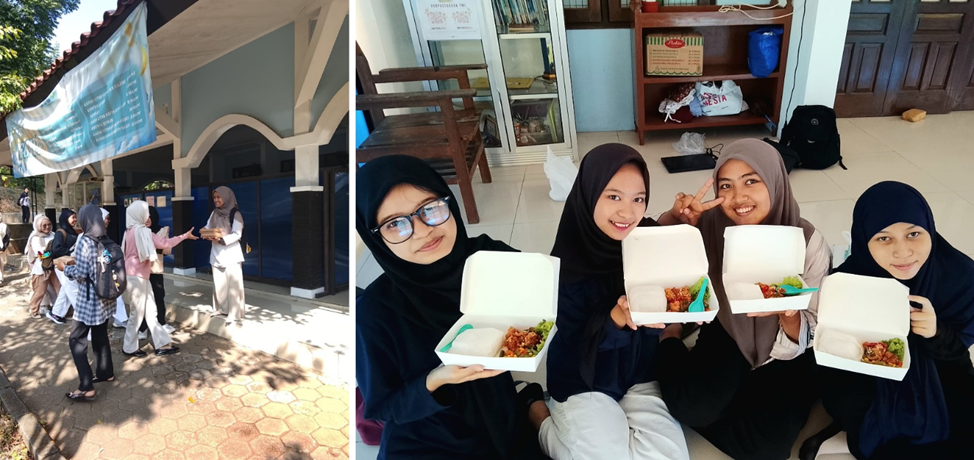
FMIPA Berbagi also adapts its implementation to religious activities on campus. During Ramadan, food distribution is incorporated into communal iftar activities, including events such as the Qur’an recitation completion (khataman Al-Qur’an) held on March 5, 2026. In this way, the food-sharing initiative continues while adapting to the context and needs of the campus community during Ramadan.
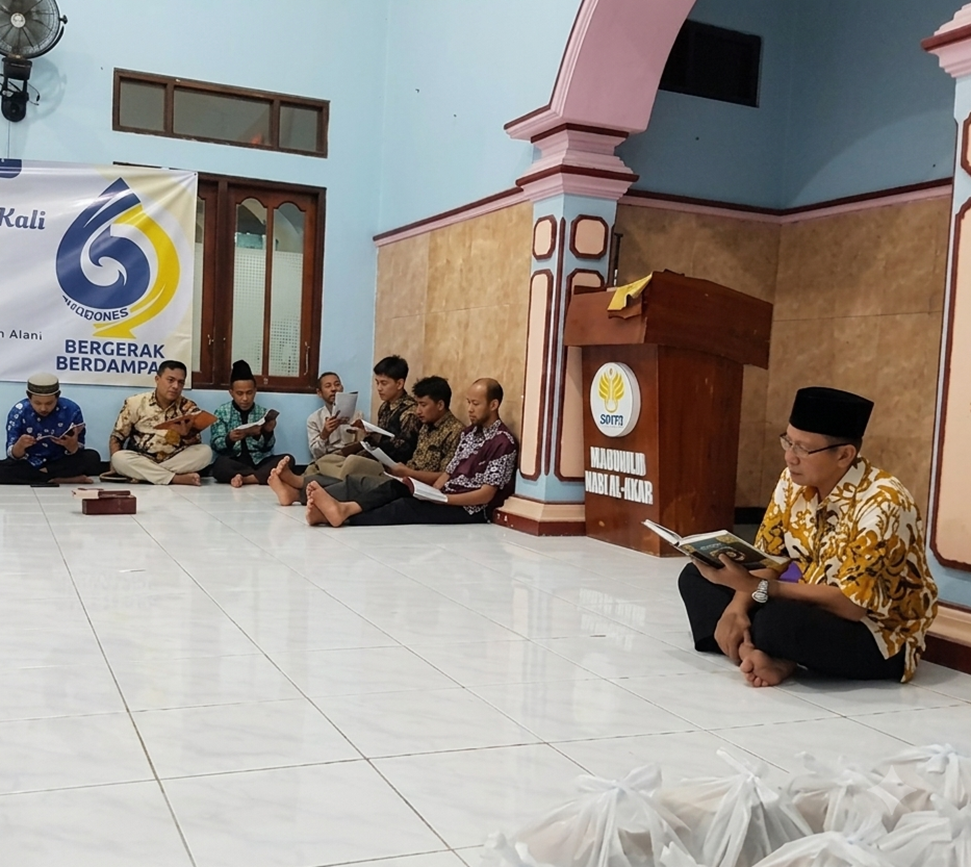
The program’s consistent implementation demonstrates that food security in higher education is not only about food availability but also about students’ access to sufficient, healthy, and affordable food. Such support can help reduce part of the students’ daily food expenditure, allowing them to focus more fully on their academic activities.
Beyond its direct benefits for students, FMIPA Berbagi also fosters a culture of solidarity within the faculty. Contributions from different members of the academic community are collectively transformed into food assistance that directly benefits students. This mechanism demonstrates how addressing food insecurity can be pursued through collective action within an academic community.
The program also has a local economic empowerment dimension through the purchase of food from businesses around the campus. By purchasing from local food stalls on certain occasions, the program serves not only as a food distribution initiative but also as a means of creating a mutually beneficial relationship between the university community and the surrounding local economy.
Through its regular implementation, FMIPA UNNES continues to promote awareness that meeting students’ basic needs should be part of an inclusive academic culture. FMIPA Berbagi demonstrates that a simple intervention such as providing food can generate broader social benefits, from helping reduce student food insecurity to strengthening solidarity and supporting local food businesses.
The program directly contributes to Sustainable Development Goal (SDG) 2: Zero Hunger, particularly through interventions aimed at preventing and reducing food insecurity among students and providing nutritious food. By helping reduce students’ expenditure on basic food needs, the program also contributes to SDG 1: No Poverty.
Furthermore, the purchase of food from local food stalls and businesses around the campus is connected to SDG 8: Decent Work and Economic Growth, through support for the economic activities of local entrepreneurs. Thus, FMIPA Berbagi has evolved beyond a simple food-sharing activity into an institutional expression of care that connects student food security, academic community well-being, social solidarity, and support for the local economy. The program’s continuation every Friday reflects FMIPA UNNES’s commitment to creating a more inclusive, caring, and sustainable educational environment.