


SEMARANG — The Chemistry Study Program of the Faculty of Mathematics and Natural Sciences, Universitas Negeri Semarang (FMIPA UNNES), continues to advance the internationalization of education and research through a strategic academic visit to Universiti Pendidikan Sultan Idris (UPSI) in Perak, Malaysia.
The FMIPA UNNES delegation, led by chemistry expert Prof. Dr. Nanik Wijayati, M.Si., visited several academic and research centers at UPSI. The visit aimed to explore opportunities for collaborative research, expand academic mobility, and promote the development of world-class scientific innovation.
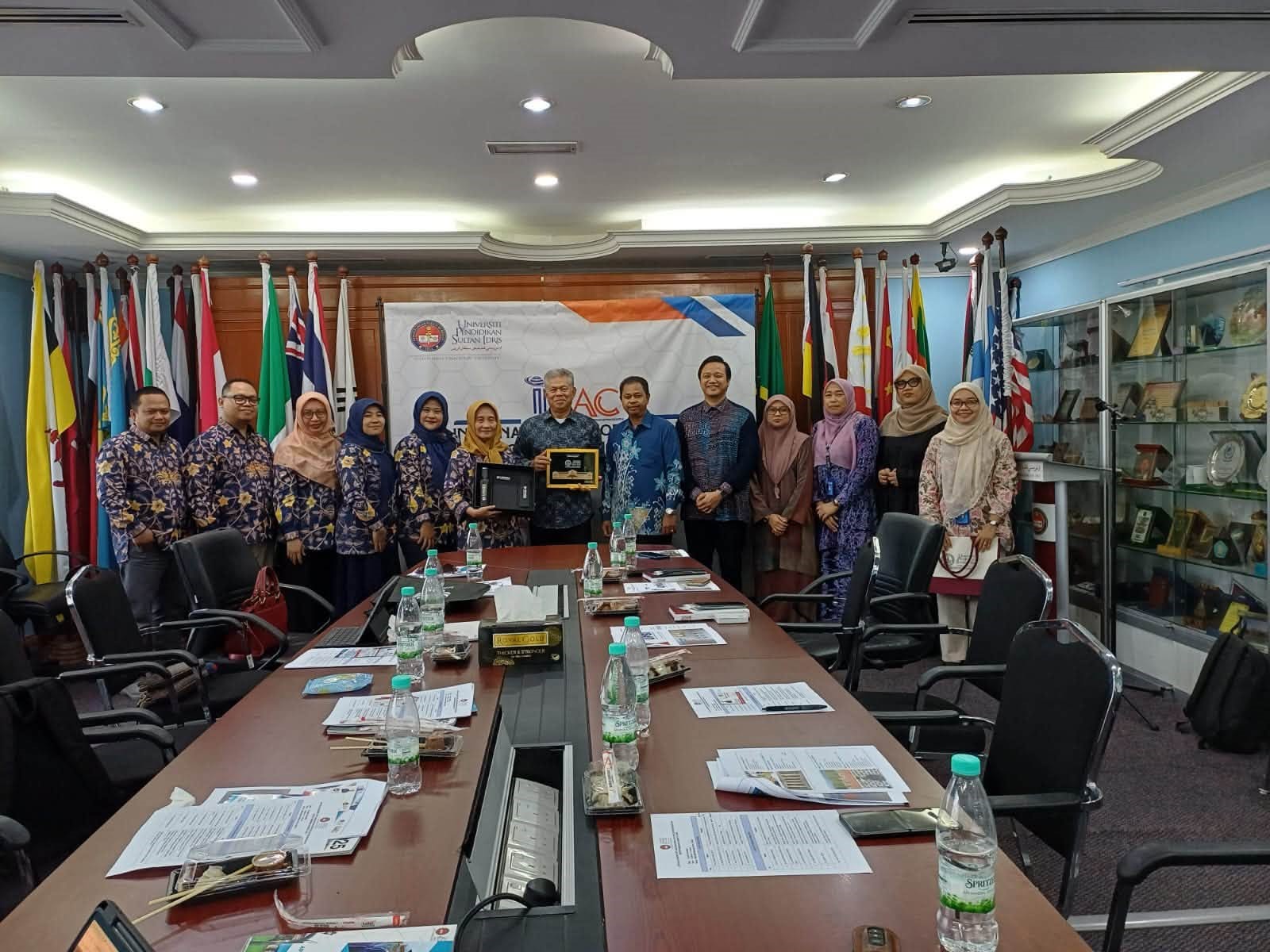
The first agenda took place at the International, Mobility and Advanced Education Centre (IMAC) UPSI, which manages global partnerships and international academic mobility. During the meeting, representatives of UNNES and UPSI discussed the development of Inbound Lecturer programs, lecturer and student exchanges, and potential visiting researcher schemes.
The collaboration reflects the commitment of both institutions to supporting SDG 17: Partnerships for the Goals and SDG 4: Quality Education. Academic mobility programs are expected to broaden the international perspectives of students and lecturers while improving the quality of cross-border higher education.
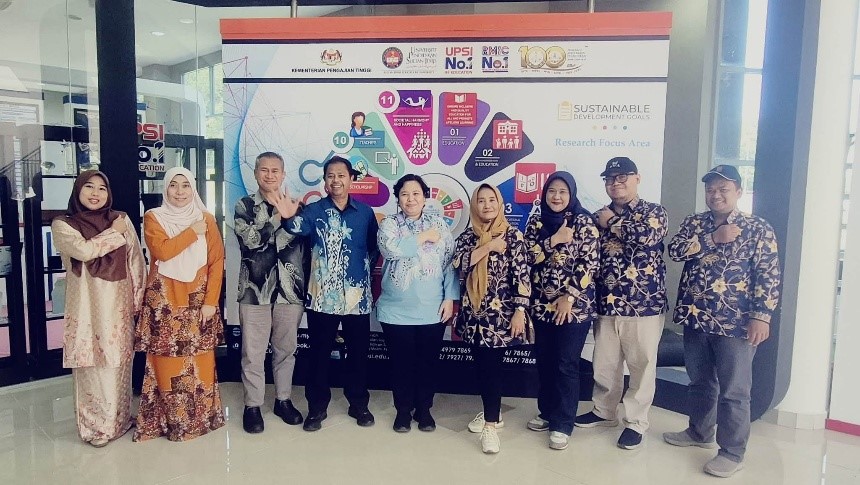
Representatives of FMIPA UNNES and UPSI demonstrate their shared commitment to international collaboration, quality education, and the achievement of the Sustainable Development Goals.
The visit continued at an UPSI research center. Together with senior UPSI chemistry expert Prof. Dr. Illyas Md Isa, both institutions discussed a collaborative research roadmap and strategies to increase the quantity and quality of joint scientific publications in reputable international journals.
The research collaboration is directed toward addressing global challenges in chemistry, functional materials, and nanotechnology. This initiative aligns with SDG 9: Industry, Innovation and Infrastructure, particularly through the strengthening of research ecosystems and the development of innovations that can benefit society and industry.
The FMIPA UNNES delegation also visited the UPSI Nano Center, one of the university’s facilities for advancing nanoscience and nanotechnology. The visit opened opportunities for shared use of research facilities, analytical data exchange, and collaborative laboratory testing between researchers from UNNES and UPSI.
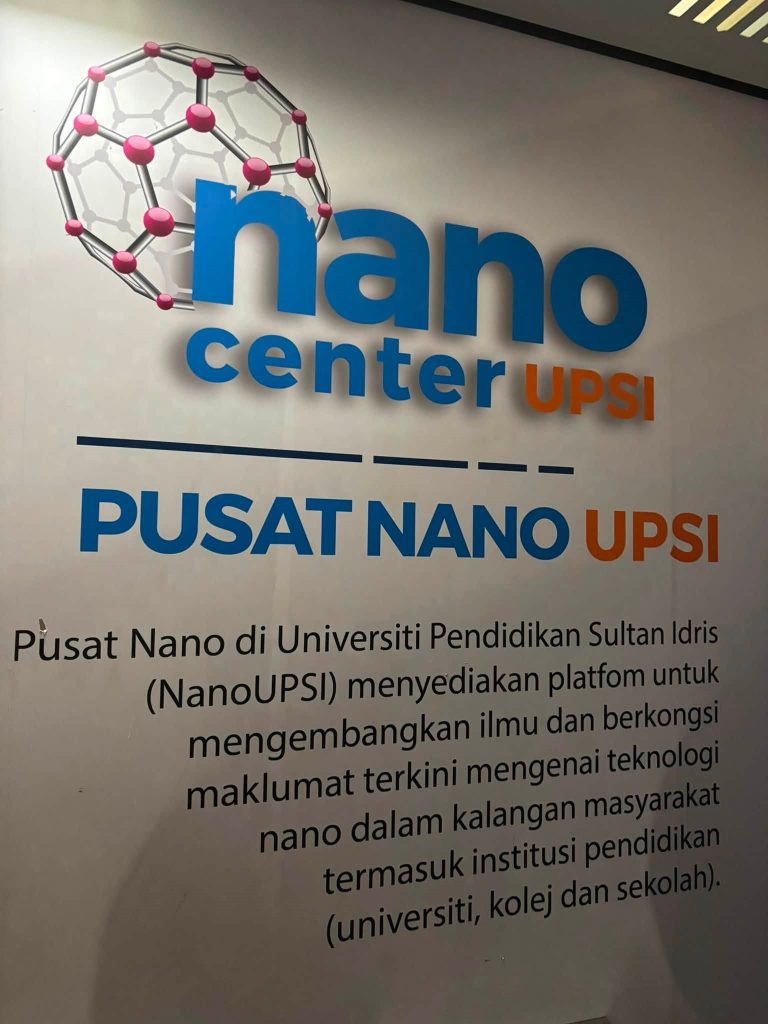
The UPSI Nano Center was among the research facilities visited to explore collaboration in functional materials, nanotechnology, analytical data exchange, and joint laboratory testing.
Prof. Nanik Wijayati stated that the international collaboration was intended not only to expand institutional networks but also to develop academic and research programs with tangible impact.
“International collaboration is an important part of building an education and research ecosystem that is responsive to developments in science and technology. Through this partnership, we hope to develop academic activities, joint research, and innovations that benefit both institutions and the wider community,” said Prof. Nanik.
Through this series of academic visits, the FMIPA UNNES Chemistry Study Program and UPSI are committed to developing an innovative, inclusive, and sustainable academic ecosystem. The collaboration is expected to increase lecturer and student mobility, strengthen international publications, and generate innovations in chemistry that contribute to scientific advancement and sustainable global development.