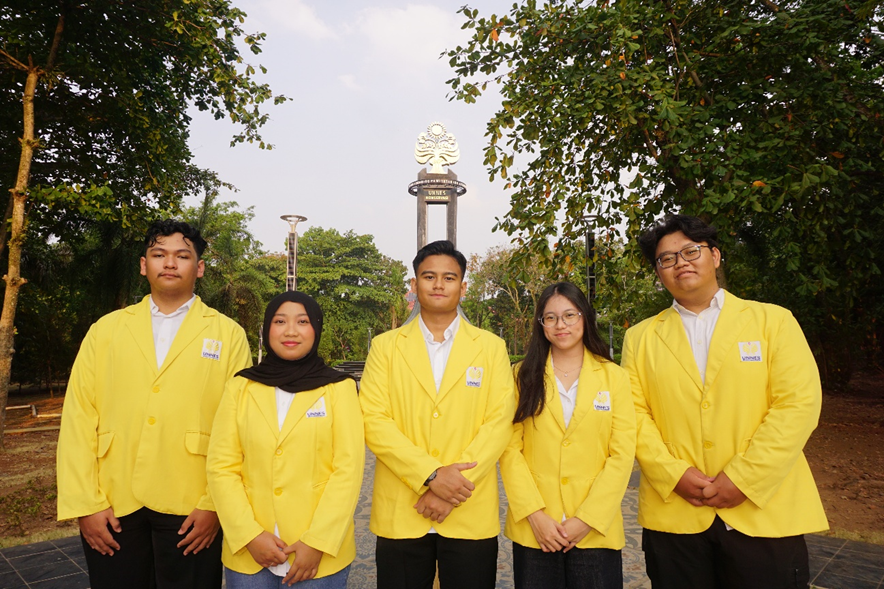



The Faculty of Mathematics and Natural Sciences (FMIPA) of Universitas Negeri Semarang (UNNES) continues to strengthen its contribution to sustainable coastal and aquatic management through research, technological development, and community service activities. These efforts include water quality monitoring to support sustainable aquaculture, environmental pollution control, and the conservation of mangrove ecosystems that play an important role in supporting coastal communities.
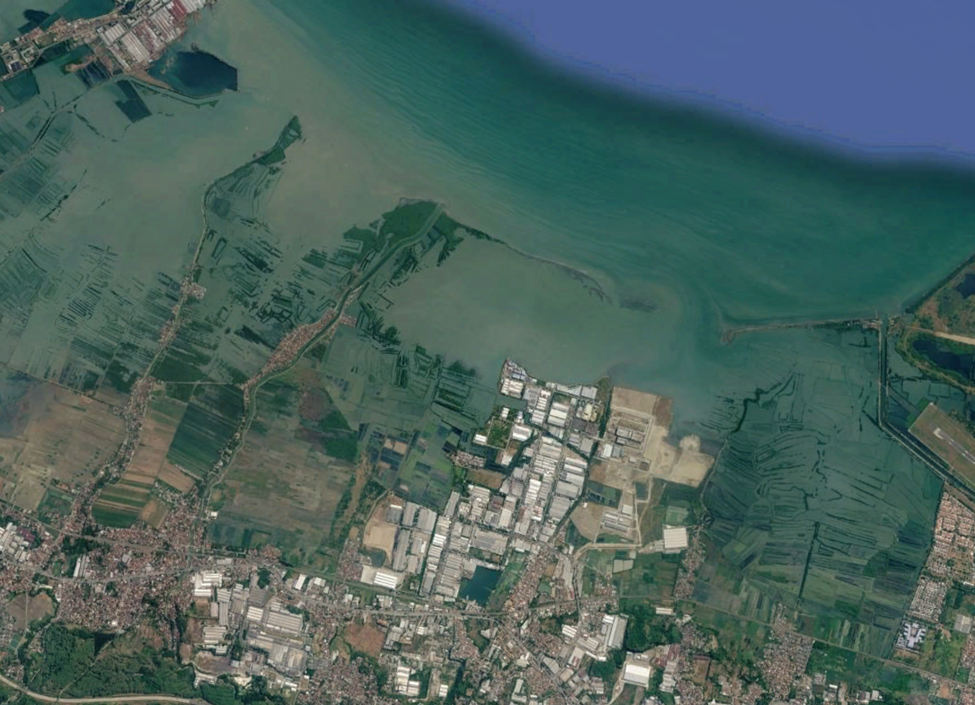
One of these contributions is reflected in the research “Monitoring Water Quality Parameters in Shrimp Aquaculture,” involving FMIPA UNNES lecturer Budi Astuti and researchers from Malaysia. The study developed a real-time water quality monitoring system for shrimp ponds by measuring temperature, salinity, dissolved oxygen (DO), pH, turbidity, and total dissolved solids (TDS). The system also utilizes solar panels as its power source.
The research results showed that several parameters remained within the ideal range for shrimp farming, although issues were identified with TDS and DO. TDS levels exceeded the ideal threshold, while DO concentrations could fall below the level required for shrimp farming at night. These findings highlight the importance of continuous monitoring and management measures, including the use of mechanical aeration at certain times, to maintain water conditions and support sustainable aquaculture production.
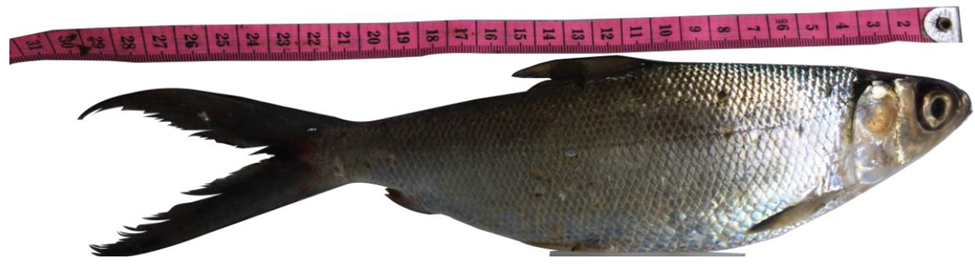
FMIPA UNNES’s contribution is further strengthened through the research “Bioconcentration of Heavy Metals in Milkfish Reared in Stick-Net Pens System: Implications for Open Water Environmental Contamination and Food Safety,” conducted by Nana Kariada Tri Martuti, Dwi Fiska Falisah, Wahid Akhsin Budi Nur Sidiq, Inaya Sari Melati, Dhita Pracisca Mutiatari, and Nasir Nayam. Conducted in the Tanjung Mas area of Semarang City, the study monitored heavy metal concentrations in water and milkfish cultivated by local communities using a stick-net pen system.
The study found that pollution from industrial activities and waste disposal could pose a threat to the sustainability of coastal community aquaculture. Information on water quality conditions and heavy metal accumulation provides an important basis for mitigation and adaptation measures to maintain the sustainability of local livelihoods and food safety.
In addition to monitoring water quality, FMIPA UNNES is also developing technology to support marine pollution detection. Through the research “Satellite Image Analysis for Oil Spill Detection and Classification Using Machine Learning,” FMIPA UNNES lecturer Yahya Nur Iftiza and his team developed a method based on Sentinel-1 Synthetic Aperture Radar (SAR) imagery and machine learning to detect and classify oil spills.
The developed model achieved an accuracy of 96.2 percent and demonstrated strong capability in distinguishing areas affected by oil spills. This technology has the potential to support rapid and large-scale marine environmental monitoring, enabling earlier detection of pollution.
In ecosystem conservation, FMIPA UNNES lecturers Andin Irsadi, Abdul Jabbar, and Nana Kariada Tri Martuti, together with Dadang Somantri from the Bureau of Infrastructure and Natural Resources of the Central Java Regional Secretariat, conducted research on the condition and changes of mangrove ecosystems in Kendal Regency through the study “Coastal Erosion Reduces Resilience and Disrupts Compositional Dynamics of the Mangrove Ecosystem.”
The study employed multi-spatial and multi-temporal remote sensing imagery from 2005–2023, combined with field observations, to evaluate changes in mangrove cover, structure, and composition. The results indicated an increase in mangrove area at several locations; however, these ecosystems continue to face pressures from deforestation for aquaculture, coastal erosion, sea-level rise, and limited species diversity.
These findings highlight the importance of multi-stakeholder collaboration in coastal conservation, sustainable aquaculture management, increasing mangrove species diversity, developing erosion mitigation strategies, and raising public awareness.
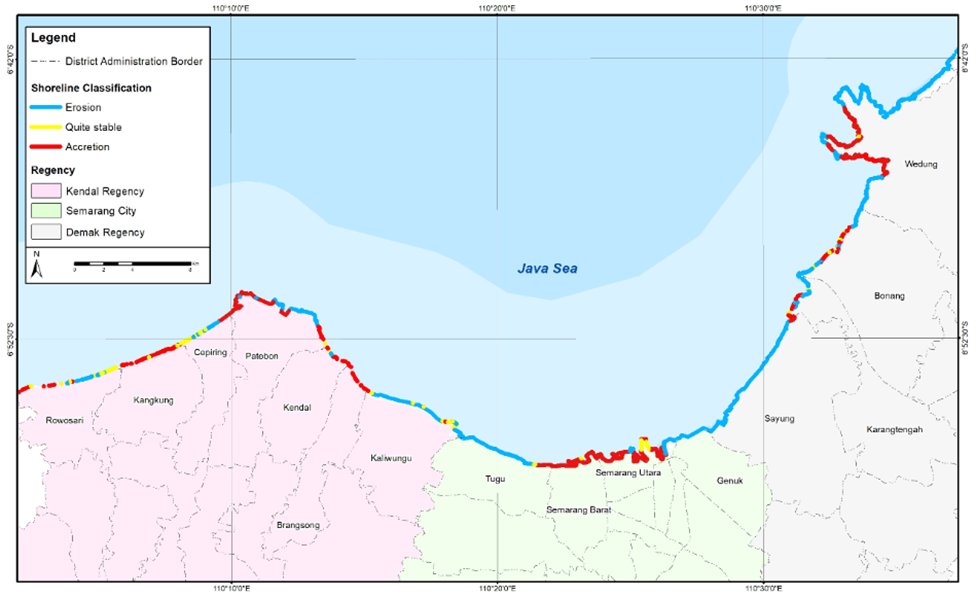
The coastal management perspective was further strengthened through the research “Shoreline Change Analysis and Its Impact on Coastal Communities Using Remote Sensing and GIS in the Kedungsepur Metropolitan Area,” conducted by Trida Ridho Fariz, Nana Kariada Tri Martuti, Amnan Haris, Sapta Suhardono, Meilinda Damayanti, and Norma Eralita. The study analyzed shoreline changes in Kendal Regency, Semarang City, and Demak Regency, as well as their impacts on coastal communities.
The results revealed both erosion and accretion across various coastal areas, with the most severe erosion occurring in Bedono Village, Demak Regency. The findings emphasize the need for integrated policy approaches linking coastal and watershed management to ensure the long-term sustainability of coastal areas.
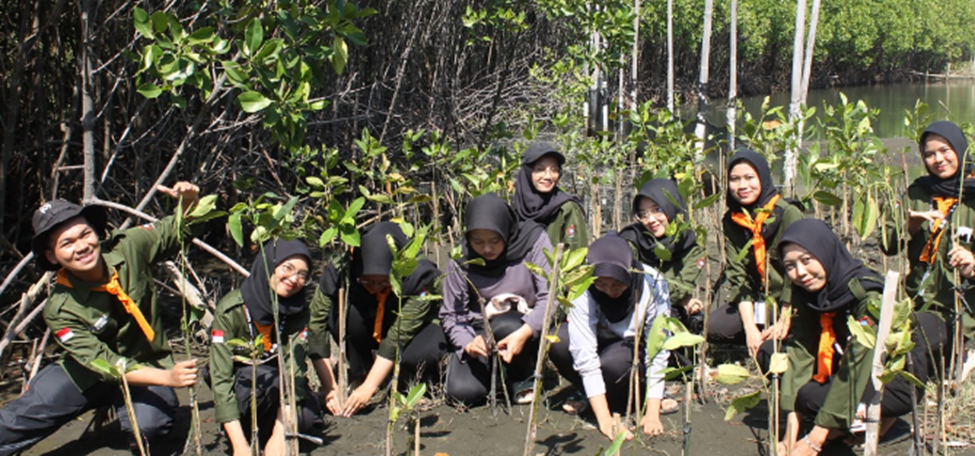
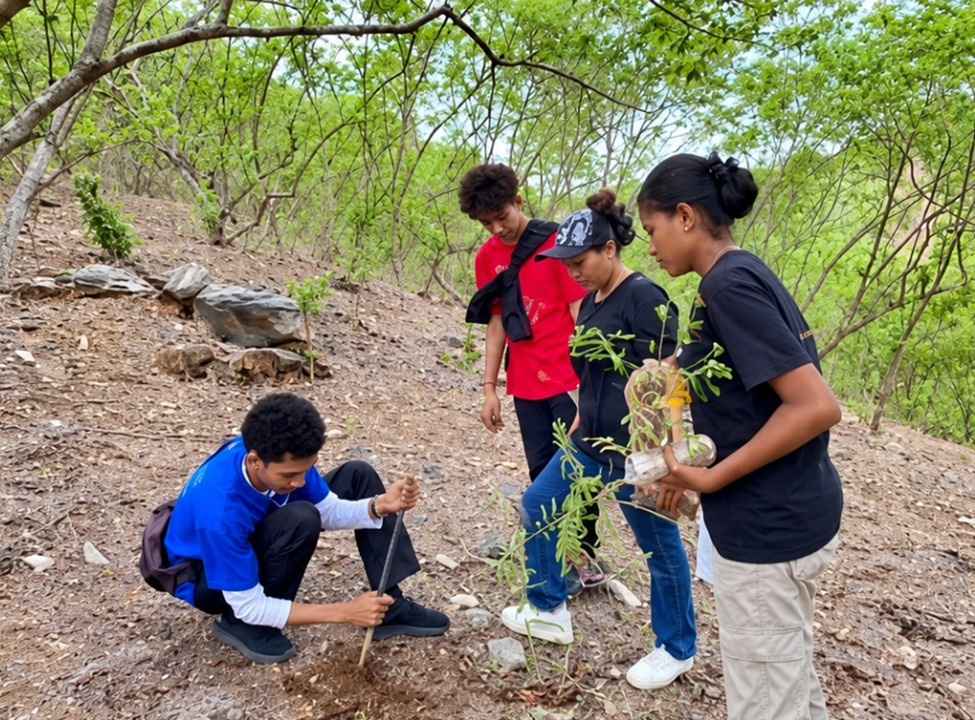
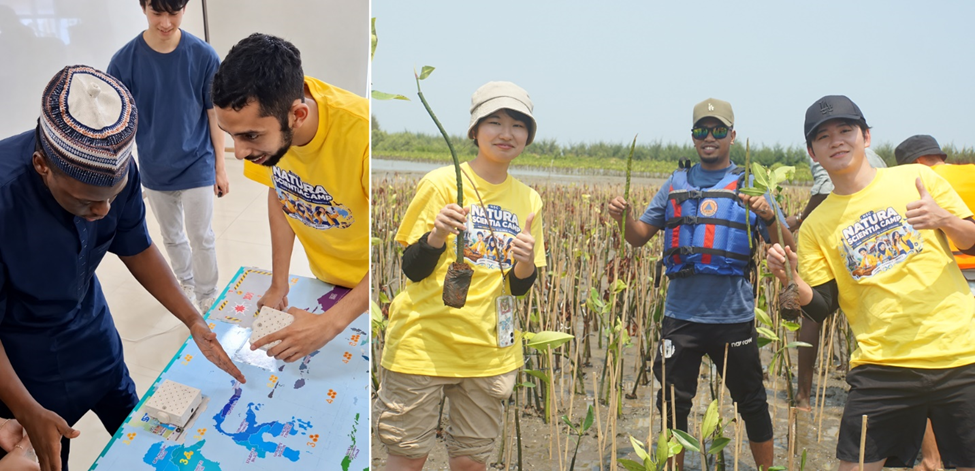
The commitment is not limited to research. FMIPA students through SCEVA also conducted MANIAC 2025, a mangrove planting activity at Tirang Beach, Semarang. Tirang Beach is a coastal tourism area that is also associated with aquaculture activities and community fishing. The mangrove planting activity formed part of efforts to protect coastal ecosystems while strengthening environmental functions in an area supporting tourism and community-based economic activities. The series of research and student activities conducted by FMIPA UNNES strengthens aquatic and coastal management through water quality monitoring, pollution detection, assessment of human impacts, and mangrove conservation and rehabilitation. Through an approach combining research, technology, collaboration, and community action, FMIPA UNNES supports ecosystem sustainability, coastal livelihoods, and tourism areas, while contributing to SDG 6, SDG 11, SDG 13, SDG 14, and SDG 15.