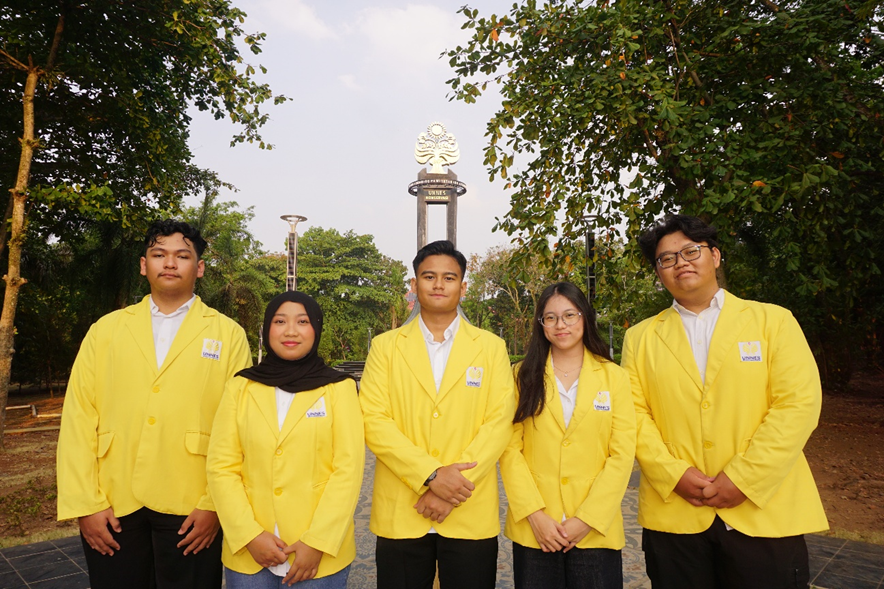
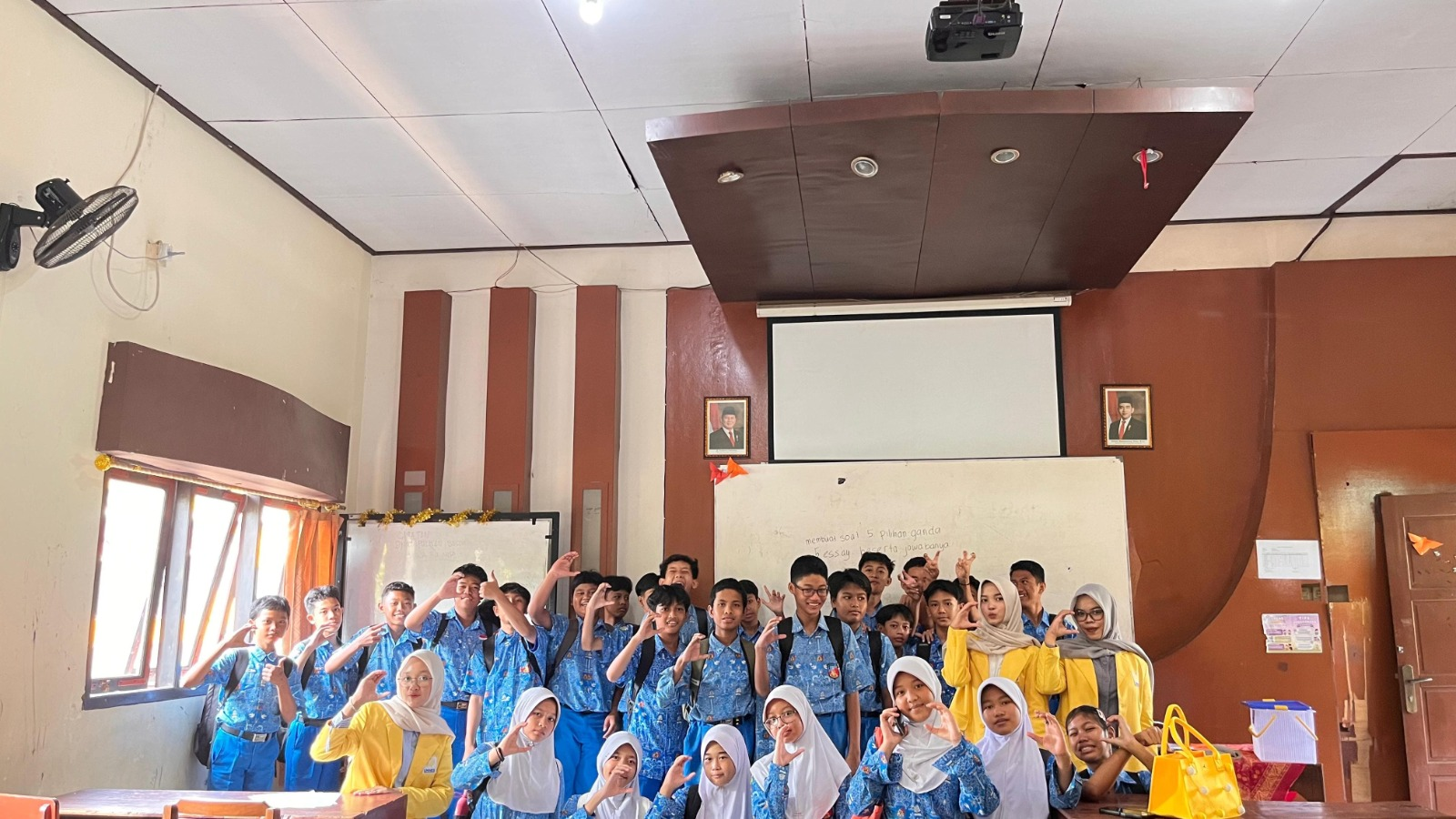
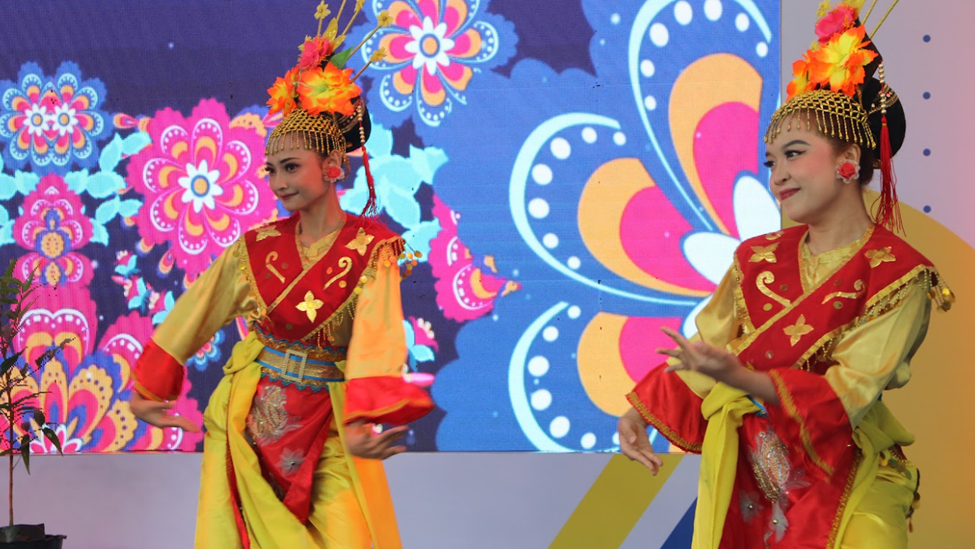
KENDAL – The Faculty of Mathematics and Natural Sciences (FMIPA), Universitas Negeri Semarang (UNNES), organized Natura Scientia Camp (NSC) Flash 2026 on 7–8 October 2026. Carrying the spirit of “A Short Journey, A Lasting Impact,” the program was designed as a short experiential learning experience that combines science, creativity, sustainability, and hands-on field activities. The NSC Flash 2026 program featured a STEM Workshop, Ecoprint Workshop, and mangrove planting activity.
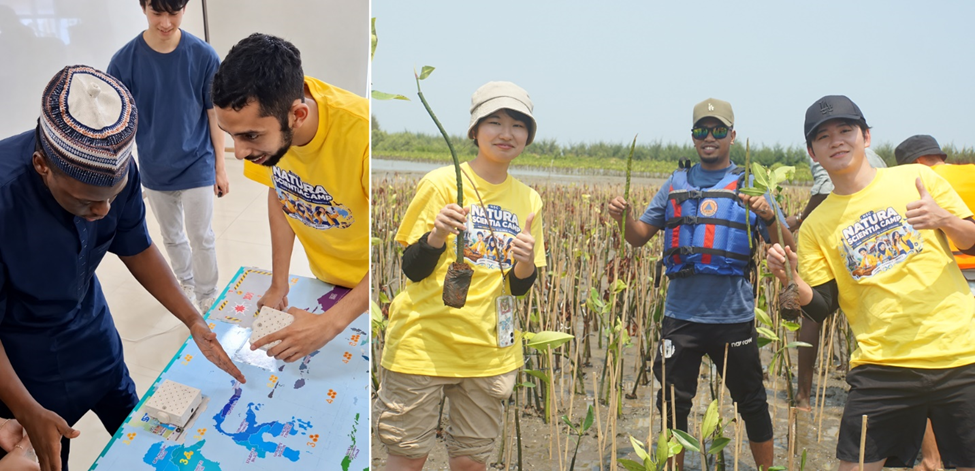
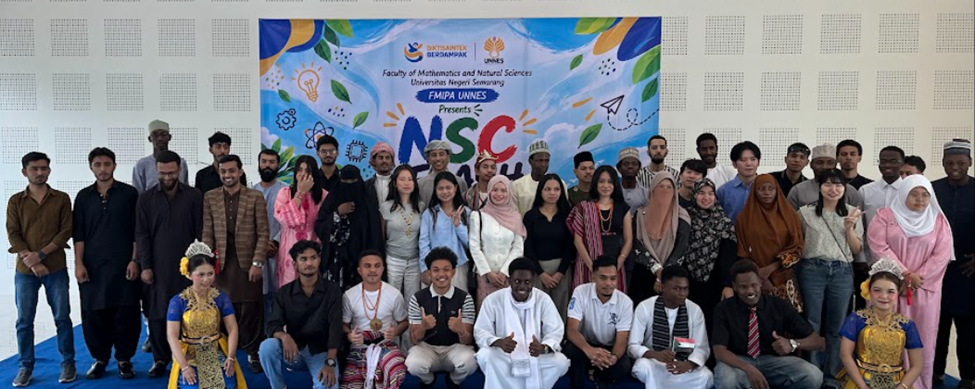
NSC Flash 2026 was attended by 64 students from 16 countries, including Nigeria, Timor-Leste, Sudan, Pakistan, Yemen, Thailand, Japan, Kenya, Afghanistan, Uganda, Mali, Gambia, Morocco, Vietnam, Zimbabwe, and Spain. This diverse group of participants made the program not only a learning experience but also a platform for cross-cultural interaction and international exchange.
Learning Science and Creativity
The NSC Flash series began on 7 October 2026 at FMIPA UNNES. The first activity was a STEM Workshop delivered by STEM EduCenter UNNES. Through a hands-on learning approach, participants gained direct experience in exploring science and technology concepts and their practical applications.
The activity was followed by an Ecoprint Workshop, which introduced participants to the use of natural materials to create creative artworks while promoting more environmentally friendly practices.
These two activities reflected the learning approach of NSC Flash, which encourages participants not only to receive knowledge but also to actively experience exploration, creativity, and the application of sustainability concepts.
From Learning to Action on the Coast
The highlight of NSC Flash 2026 took place on 8 October 2026 through a mangrove planting activity in Pidodokulon Village, Patebon District, Kendal Regency. In the morning, participants traveled to the planting site and became directly involved in mangrove rehabilitation activities.
For the international participants, the activity provided an opportunity to experience Indonesia’s coastal ecosystems firsthand while taking part in a practical environmental conservation action.
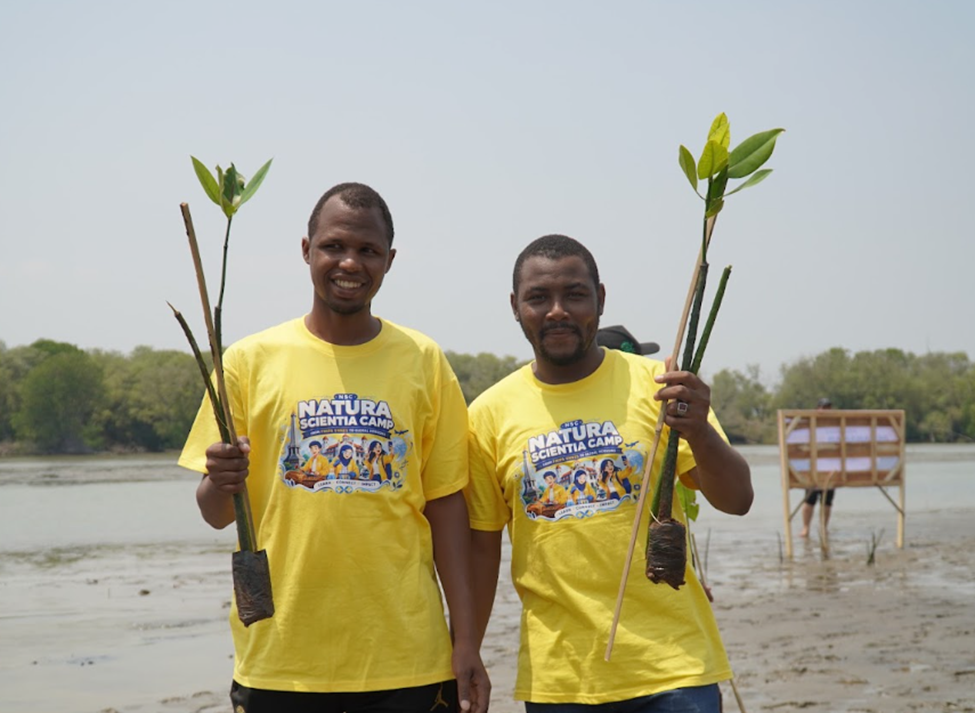
The mangrove planting activity was carried out in collaboration with PT Pamapersada Nusantara (PAMA) and PAMA Group, Pusat Pemberdayaan Pelayanan Masyarakat Pesisir (P3MP) Kendal, and supported by the Kendal Regency Environmental Agency (DLH) and the Kendal Regency Regional Disaster Management Agency (BPBD).
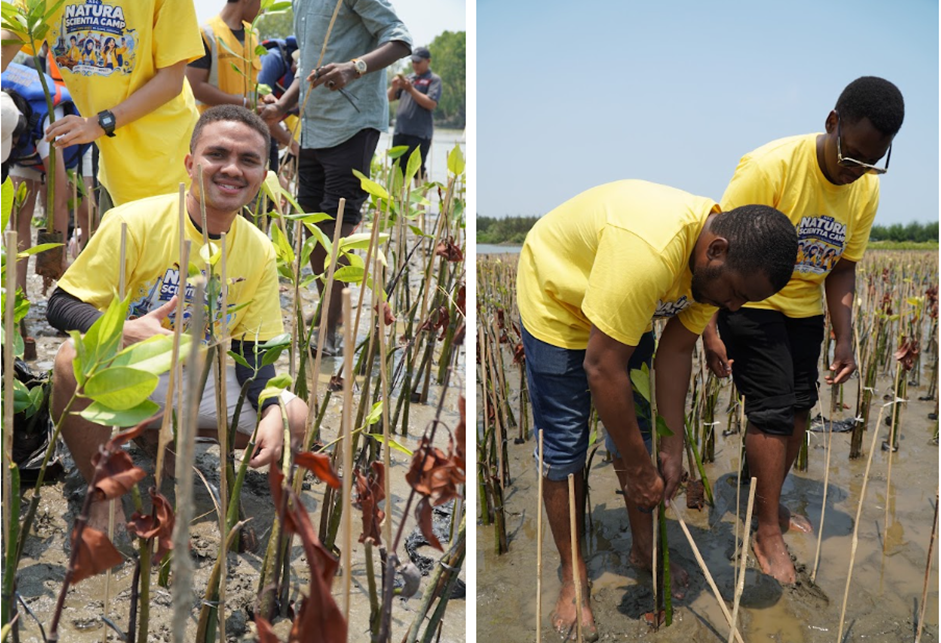
The collaboration brought together universities, the private sector, local communities, and government institutions in a shared environmental initiative. For FMIPA UNNES, the involvement of international students in the field activity provided an opportunity to connect classroom-based learning with real environmental challenges in local communities.
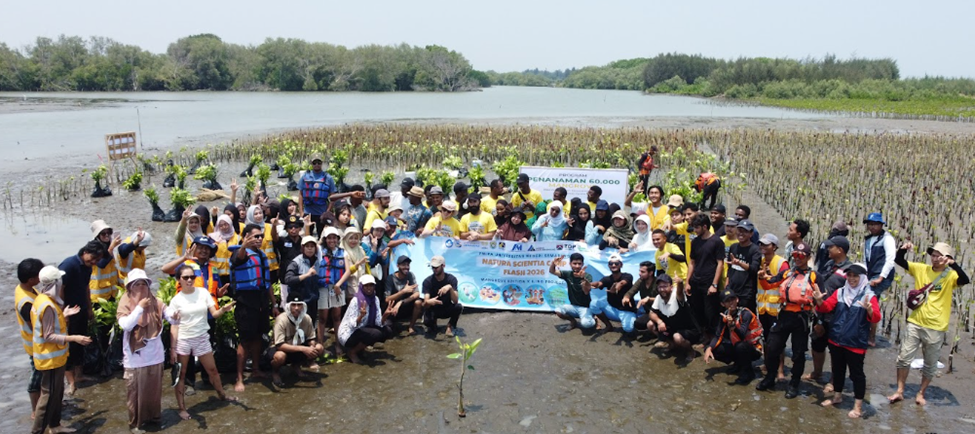
The mangrove planting was also part of PAMA Group’s coastal rehabilitation program in Pidodokulon. Through this activity, NSC Flash participants not only learned about mangrove ecosystems conceptually but also actively contributed to coastal ecosystem restoration efforts.
Bringing Environmental Experiences to the International Community
The participation of 64 students from different countries added an international dimension to the environmental conservation activity. The participants not only experienced the academic and cultural environment of Indonesia but also gained first-hand exposure to environmental challenges and coastal management efforts.
Through the combination of STEM, ecoprint, and mangrove planting activities, NSC Flash 2026 demonstrated how science education can be developed through experiences that connect knowledge, creativity, and real-world action.
For FMIPA UNNES, the experience represents an effort to strengthen sustainability-oriented learning while expanding international academic networks. Bringing students from different countries together also created opportunities to exchange perspectives on increasingly global environmental challenges.
The NSC Flash 2026 activities also contributed to the achievement of the Sustainable Development Goals (SDGs), particularly SDG 4 (Quality Education) through experiential learning; SDG 13 (Climate Action) through environmental education and action; SDG 14 (Life Below Water) through coastal and mangrove ecosystem rehabilitation; SDG 15 (Life on Land) through ecosystem and biodiversity conservation; and SDG 17 (Partnerships for the Goals) through collaboration among higher education institutions, the private sector, local government, and international participants. As NSC Flash 2026 came to an end, the program left behind more than a series of activities over two days. Through shared learning experiences and environmental action, the program demonstrated that environmental awareness can become a common language connecting young people from different countries.