


Semarang – Lecturers from the Environmental Science Study Program, Faculty of Mathematics and Natural Sciences (FMIPA), Universitas Negeri Semarang (UNNES), are contributing to environmental and climate change policy development in the Surakarta Residency through their involvement as experts and members of consulting teams supporting local governments.
The two initiatives include the preparation of the Regional Regulation on Waste Management for Karanganyar Regency in 2025 and the preparation of the Regional Climate Change Adaptation Action Plan for Surakarta City in 2025. Both initiatives are situated within the same geographical region, namely the Surakarta Residency (Solo), and demonstrate the contribution of university expertise to supporting local governments in developing evidence-based environmental policies.
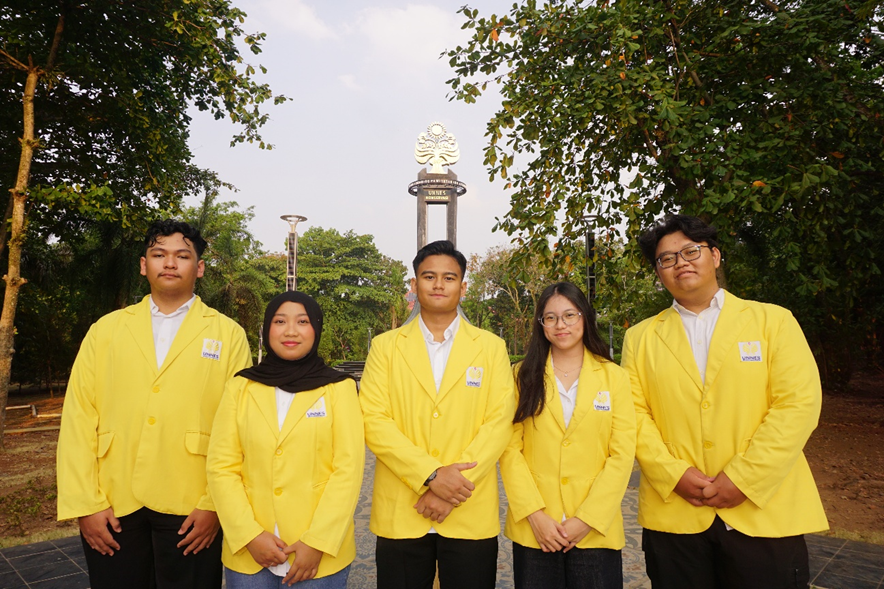
In the preparation of the Regional Regulation on Waste Management for Karanganyar Regency in 2025, Abdul Jabbar, M.Ling., a lecturer in the Environmental Science Study Program at FMIPA UNNES, served as part of the consulting team supporting the Karanganyar Regency Environmental Agency (DLH). His expertise in environmental science provided academic and technical support throughout the policy formulation process, helping establish a foundation for more integrated and sustainable waste management.
The regulation is important for strengthening waste governance in Karanganyar Regency, including waste reduction and handling as well as the strengthening of stakeholder participation. With a more structured regional regulatory framework, the local government can promote more effective waste management and increase public awareness and participation in reducing waste generation.
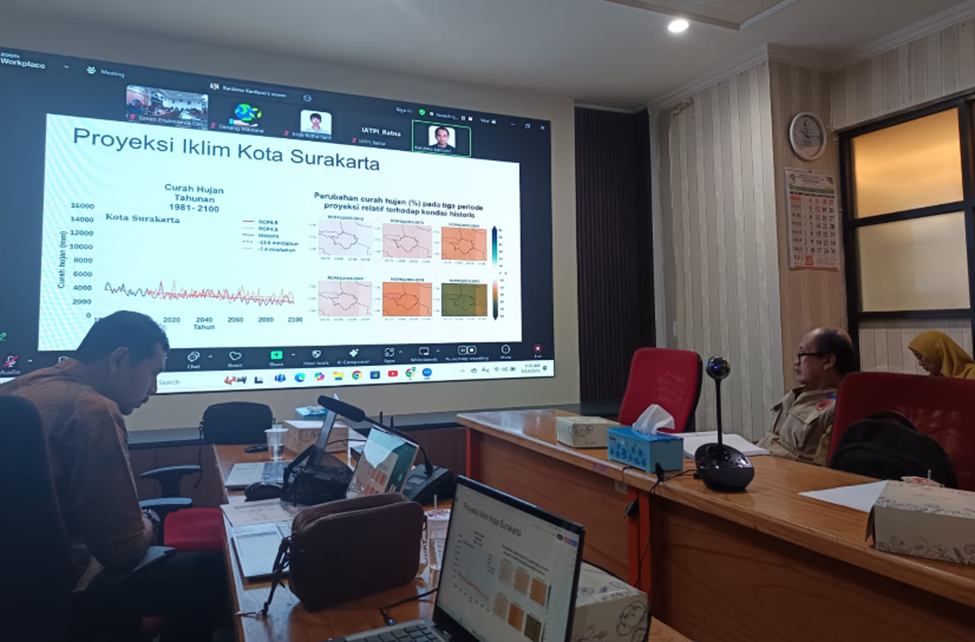
Meanwhile, Trida Ridho Fariz, M.Sc., a lecturer in the Environmental Science Study Program at FMIPA UNNES, served as part of the consulting team supporting the Regional Development Planning Agency (BAPPEDA) of Surakarta City in preparing the Regional Climate Change Adaptation Action Plan in 2025. The plan is intended to translate national climate change adaptation commitments into concrete actions that reflect the characteristics, vulnerabilities, and needs of Surakarta City.
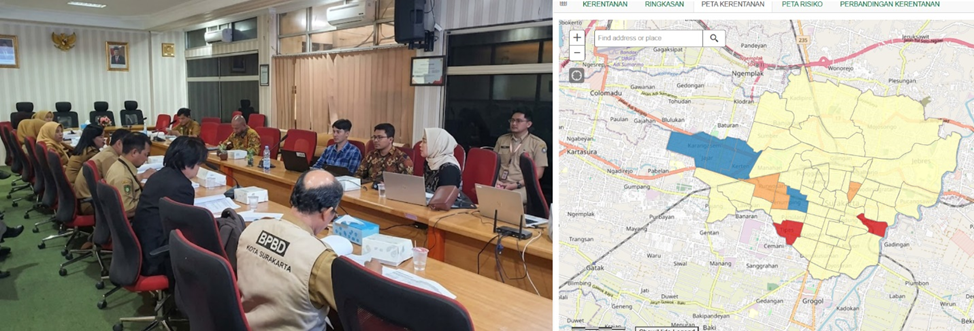
The regional action plan is connected to Indonesia’s commitments under the Paris Agreement and the development of the National Adaptation Plan (NAP). The NAP provides a national framework that can guide local governments in translating climate change adaptation targets into more specific programs and actions at the local level. In this way, climate adaptation commitments can move beyond the national level and be translated into measurable action plans tailored to the conditions of individual regions.
Trida Ridho Fariz’s involvement in the consulting team provides expertise in environmental science, particularly in assessing risks, vulnerabilities, and climate change adaptation needs at the regional level. The resulting action plan is expected to help Surakarta City strengthen the resilience of its territory and communities to the impacts of climate change.
Together, these two initiatives demonstrate the role of Environmental Science lecturers at FMIPA UNNES in providing academic expertise to local governments to support evidence-based policy development. They also demonstrate how environmental knowledge can be directly applied to address real-world challenges, particularly in waste management and climate change adaptation.
Although addressing different policy areas, the waste management regulation in Karanganyar and the climate change adaptation action plan in Surakarta share a common objective: strengthening the capacity of local governments to promote more sustainable and environmentally resilient development.
Through the involvement of university experts, local governments receive scientific and technical support in formulating policies that consider environmental, social, and sustainability aspects. At the same time, these engagements strengthen the implementation of the Three Pillars of Higher Education (Tridharma Perguruan Tinggi), particularly through the application of academic knowledge and expertise to support regional development.
These initiatives contribute to the achievement of the Sustainable Development Goals (SDGs), particularly SDG 11 (Sustainable Cities and Communities) through strengthened environmental governance and regional resilience; SDG 12 (Responsible Consumption and Production) through improved waste management policies; SDG 13 (Climate Action) through the development of a regional climate change adaptation action plan; and SDG 17 (Partnerships for the Goals) through collaboration between universities and local governments in developing sustainable development policies.
Through these contributions, FMIPA UNNES continues to strengthen the role of environmental science as a knowledge-based solution for local governments, while supporting the development of environmental policies that are increasingly targeted, adaptive, and sustainable.