




Related to SDGs

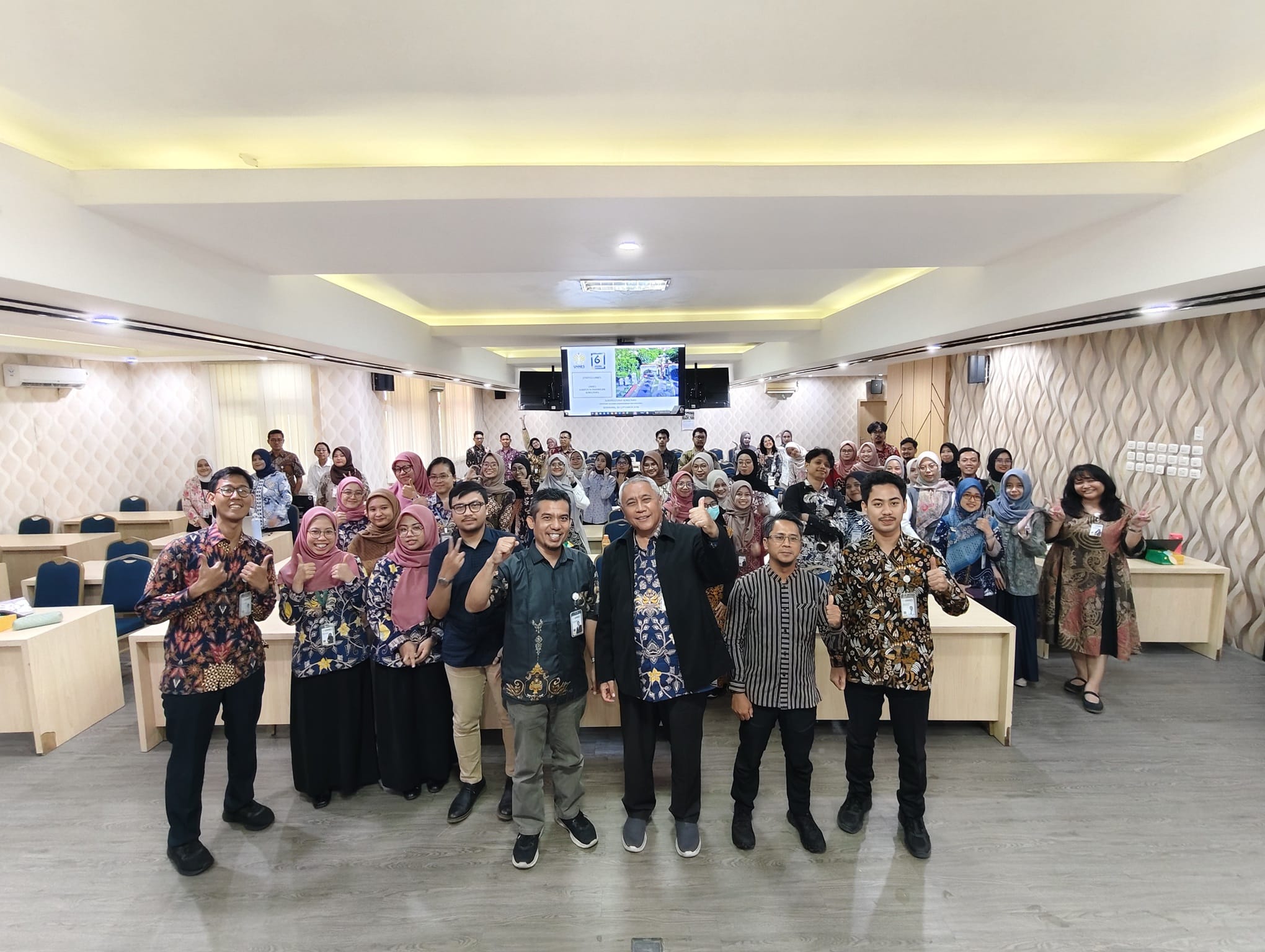
UNNES Ecofarm served as a study visit destination for a delegation from the Melaka City Government, Malaysia, as well as Summer Camp participants from SEGi University and Universiti Malaysia Pahang Al-Sultan Abdullah (UMPSA) in July 2026. The visit was part of efforts to strengthen international cooperation while showcasing sustainable urban farming practices developed by Universitas Negeri Semarang (UNNES).
During the visit, participants had the opportunity to observe various conservation and urban farming initiatives implemented at Ecofarm. Learning facilities such as hydroponics, aquaponics, organic farming areas, maggot houses, and productive plant cultivation systems were introduced as part of an integrated agricultural approach supporting environmental sustainability.
The Head of the UNNES Subdirectorate of Conservation, Prof. Dr. Nana Kariada Tri Martuti, M.Si., explained that UNNES Ecofarm was developed as a practice-based learning laboratory integrating education, conservation, and community empowerment. “UNNES Ecofarm is not only a learning space for students but also a model of urban farming management that can be replicated to support environmental sustainability and food security,” she stated.
Visitors expressed strong interest in the integrated urban farming concept applied at UNNES. The approach is considered effective in maximizing urban land utilization while generating economic, social, and environmental benefits in a sustainable manner.
Beyond knowledge exchange, the visit also strengthened relationships between UNNES and educational institutions as well as local governments at the international level. The collaboration is expected to open opportunities for future partnerships in education, research, environmental conservation, and sustainable agricultural development.
UNNES Ecofarm continues to grow as a conservation education center that supports the implementation of a sustainable campus. The participation of international visitors demonstrates the growing recognition of UNNES’s best practices in environmental management and urban agriculture.
This activity supports the Sustainable Development Goals (SDGs), particularly SDG 2 (Zero Hunger), SDG 11 (Sustainable Cities and Communities), and SDG 17 (Partnerships for the Goals).