




Related to SDGs
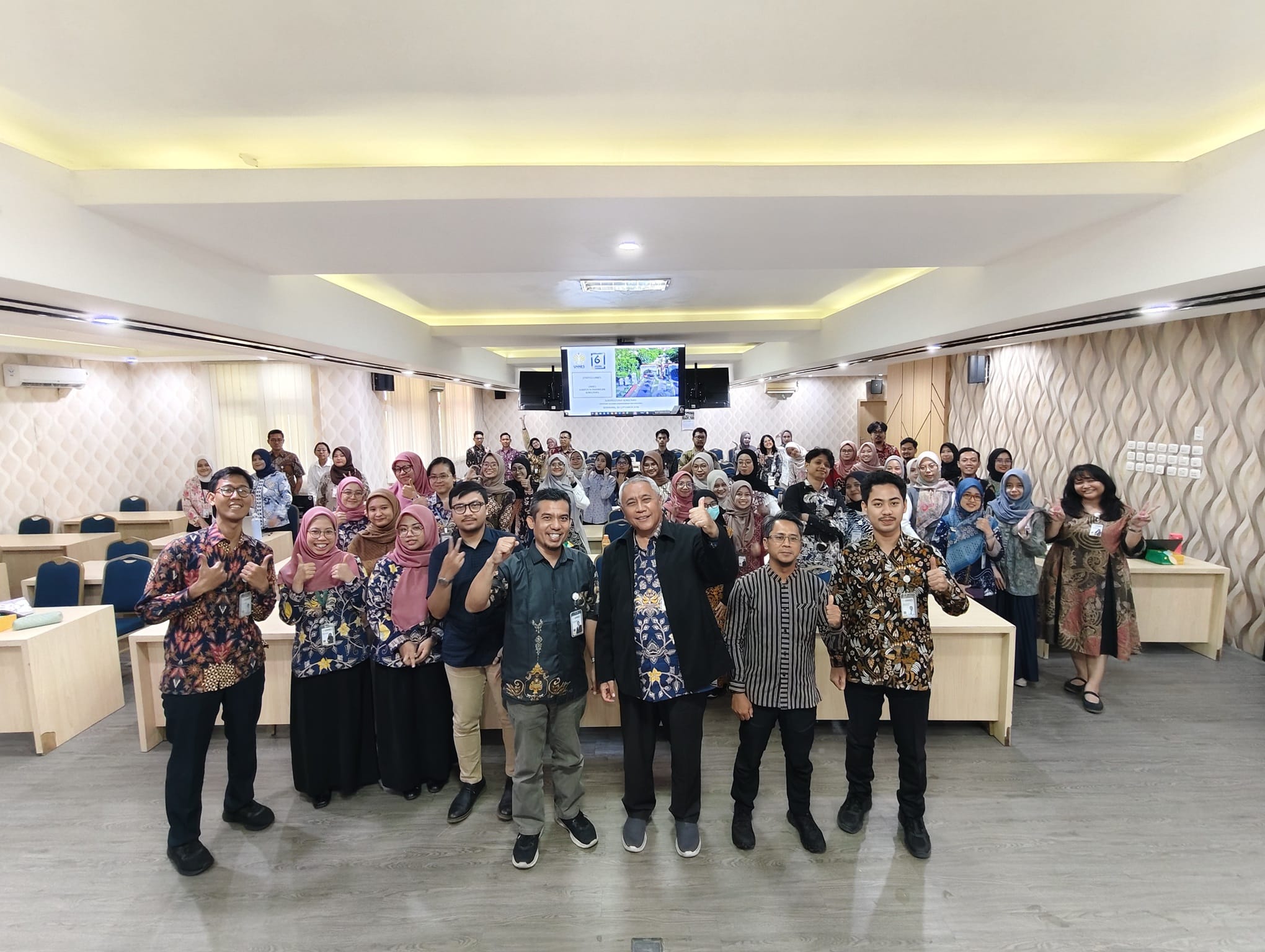
Universitas Negeri Semarang (UNNES), through its Subdirectorate of Conservation, welcomed an inspirational study visit from a delegation of Universitas Ahmad Dahlan (UAD), Yogyakarta, on Monday, July 20, 2026. The visit aimed to strengthen inter-university collaboration while sharing best practices in sustainable campus management and conservation-oriented governance.
The UAD delegation, led by Vice Rector II Dr. Utik Bidayati, S.E., M.M., visited UNNES to learn about strategies for campus infrastructure management, Green Campus implementation, and the development of conservation-based programs that have become key components of UNNES’s identity.
The program began with presentations and discussions on conservation policies and sustainability initiatives implemented at UNNES. Delegates gained insights into environmental management programs, resource conservation strategies, and efforts to encourage active participation from the academic community in achieving sustainable development goals.
The Head of the UNNES Subdirectorate of Conservation, Prof. Dr. Nana Kariada Tri Martuti, M.Si., emphasized the importance of collaboration among higher education institutions. “Developing a sustainable campus requires long-term commitment and strong collaboration. We hope that UNNES’s experience can serve as inspiration while opening opportunities for broader cooperation in the future,” she stated.
During the visit, delegates toured several flagship facilities, including the Innovation House, Arts and Culture House, STEM area, Integrated Waste Processing Facility (TPST), and UNNES Ecofarm. These facilities demonstrate the practical implementation of conservation principles integrated with education, innovation, culture, and environmental management.
Through this visit, UNNES and UAD are expected to strengthen cooperation in advancing sustainable and environmentally friendly campuses. The exchange of knowledge and experiences is anticipated to foster innovations that support the transformation of higher education institutions into impactful and sustainability-oriented organizations.
This activity supports the Sustainable Development Goals (SDGs), particularly SDG 4 (Quality Education), SDG 11 (Sustainable Cities and Communities), and SDG 17 (Partnerships for the Goals).