

Related to SDGs
The PPK Ormawa Team of BEM FMIPA at Universitas Negeri Semarang (UNNES) developed the “Sengkuyung Desa Peron” program to strengthen the resilience of Peron Village, Kendal Regency, against landslides and erosion. Implemented from June to August 2026, the initiative integrates Internet of Things (IoT) technology, local wisdom, environmental conservation, disaster mitigation, and community empowerment to build a sustainable resilience system.
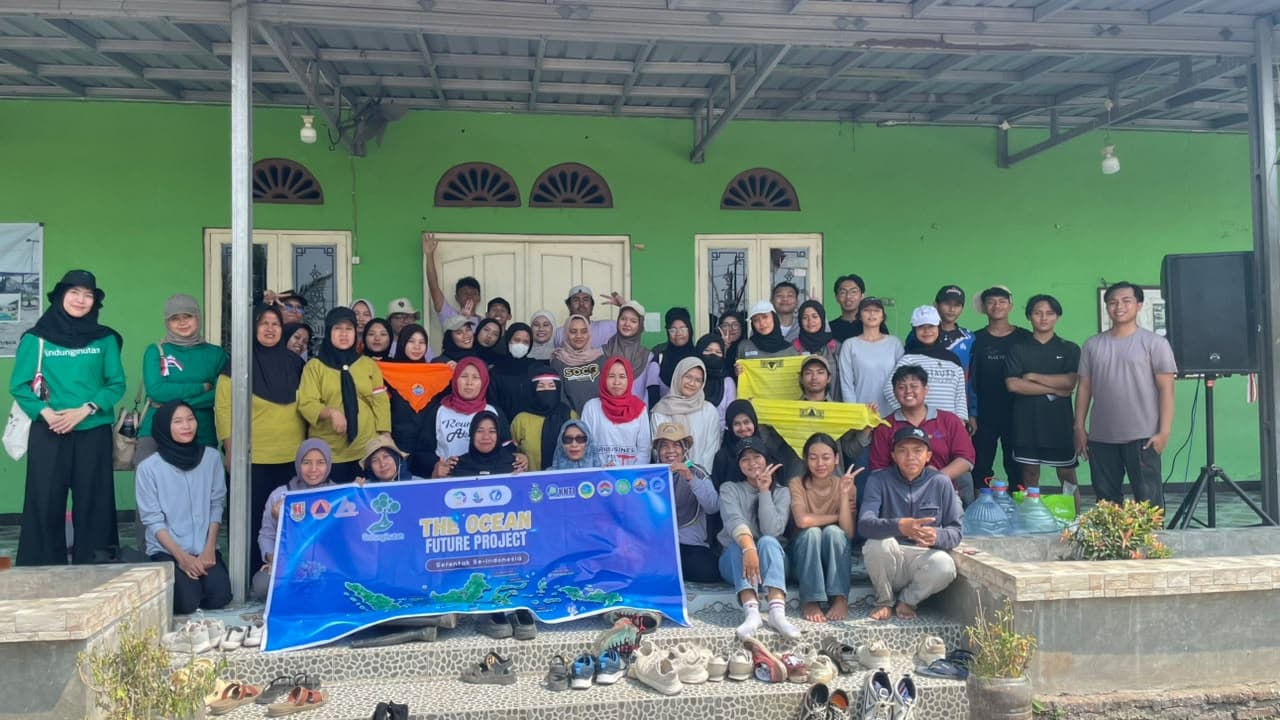
The program began with a community outreach session on June 12, 2026, involving local residents, village authorities, and stakeholders. Activities included slope mapping using clinometers, coordination meetings with the Kendal Regency Government, and the development of community-based mitigation strategies. One of the main innovations was the Sengkuyung Early Warning System (EWS), which combines IoT technology with traditional warning methods such as bamboo-based communication tools and kentongan to ensure functionality even during power or network disruptions.
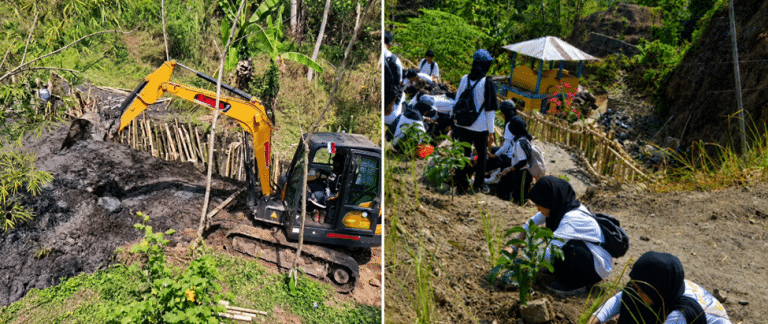
The organizers emphasized that the philosophy of “Sengkuyung,” meaning collective cooperation and mutual support, served as the foundation of the program. The project culminated on August 30, 2026, with the declaration of Sengkuyung Desa Peron and a conservation campaign involving the planting of 200 durian seedlings, 200 mahogany seedlings, 200 avocado seedlings, and 1,000 vetiver plants in erosion-prone areas. These efforts aim to strengthen soil stability while providing long-term ecological and economic benefits.
By combining modern technology, environmental conservation, and local wisdom, the program is expected to enhance community preparedness for disasters and serve as a model for disaster-resilient village development in other regions. This activity supports the Sustainable Development Goals (SDGs), particularly SDG 11 (Sustainable Cities and Communities), SDG 13 (Climate Action), and SDG 15 (Life on Land).