




Related to SDGs
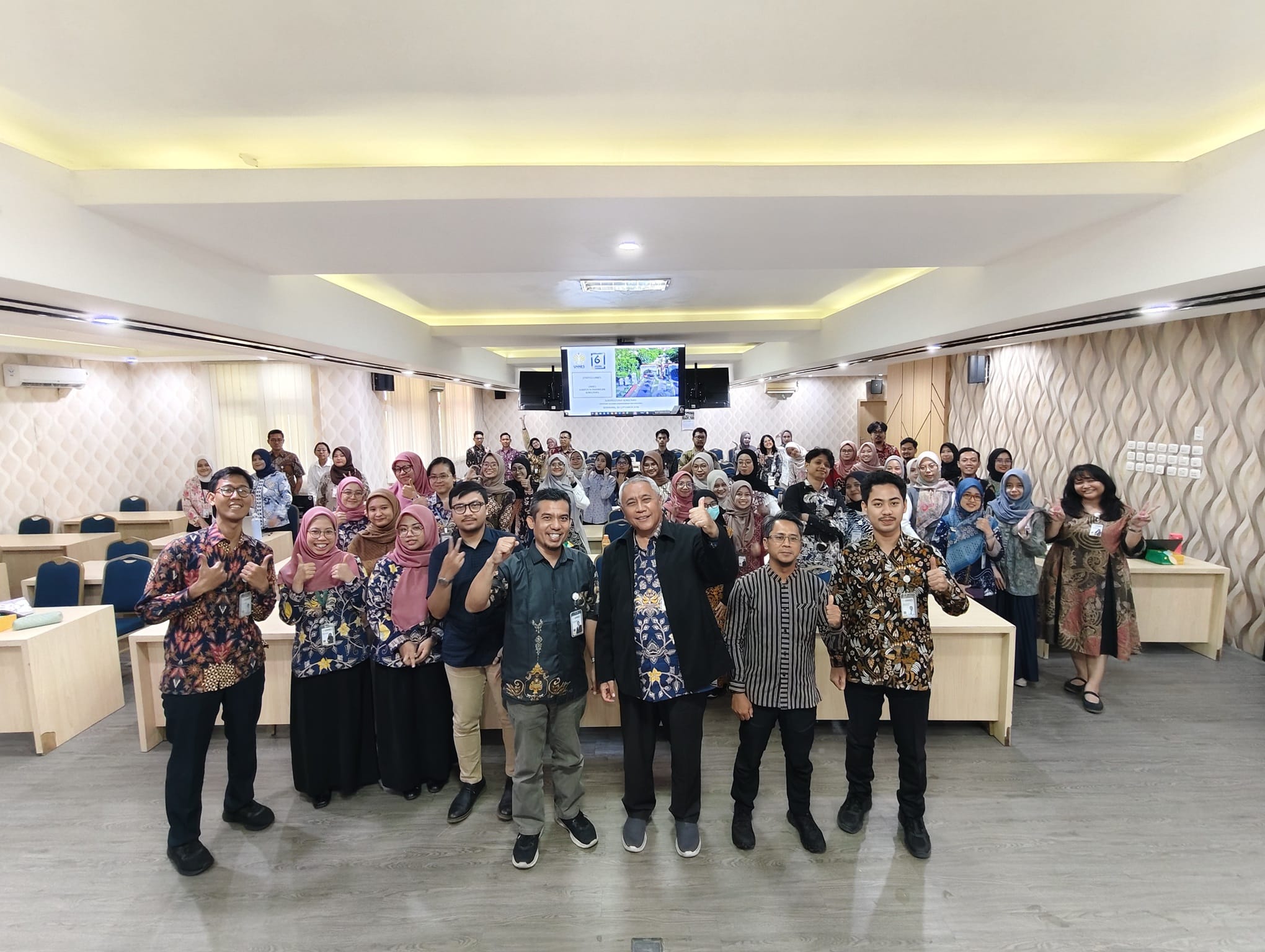
The UNNES Subdirectorate of Conservation organized the 2026 Conservation Cadre Technical Training Program over two days, Thursday and Friday, July 23–24, 2026. The program was designed to equip conservation cadres with knowledge, practical skills, and field experiences in addressing environmental and conservation challenges.
On the first day, participants received training from experts representing the UNNES Subdirectorate of Conservation, the Natural Resources Conservation Agency (BKSDA), the Central Java Environmental and Forestry Agency (DLHK), the Akar Banir Foundation, and the Gunungsari Tourism Awareness Group (Pokdarwis). The sessions encouraged participants to critically analyze conservation issues and develop appropriate responses to environmental challenges.
The program was officially opened by the Director of Academic Affairs, Student Affairs, and Conservation of UNNES, Dr. Mulyo Widodo, S.Pd., M.M., who emphasized the strategic role of students in promoting environmental sustainability. “Conservation cadres should become pioneers who not only understand conservation concepts but are also able to apply them in the community,” he stated.
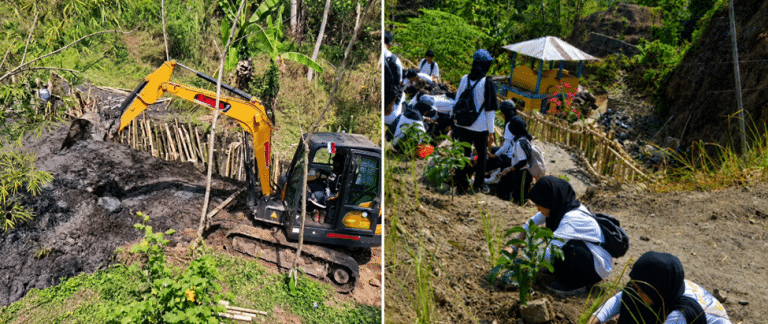
The second day focused on conservation implementation in Ngesrepbalong Village with guidance from Pokdarwis Gunungsari. Participants conducted field observations, identified local conservation potentials and challenges, and produced group-based video documentation to present their findings.
In addition to conservation activities, the cadres also participated in local community events related to religious celebrations taking place in the village. They assisted residents in various activities, including event preparation and community services. This experience highlighted the importance of integrating environmental conservation with community engagement.
The program concluded with remarks from the Head of the Arts, Culture, Values, and Character Section of the UNNES Subdirectorate of Conservation, who also inaugurated the coordinator of the 15th generation of Conservation Cadres. The newly appointed cadres are expected to become key drivers of conservation values both on campus and in broader society.
Through this initiative, UNNES continues to strengthen the capacity of young conservation leaders who are committed to environmental stewardship and sustainable development.
This activity supports the Sustainable Development Goals (SDGs), particularly SDG 4 (Quality Education), SDG 15 (Life on Land), and SDG 17 (Partnerships for the Goals).