

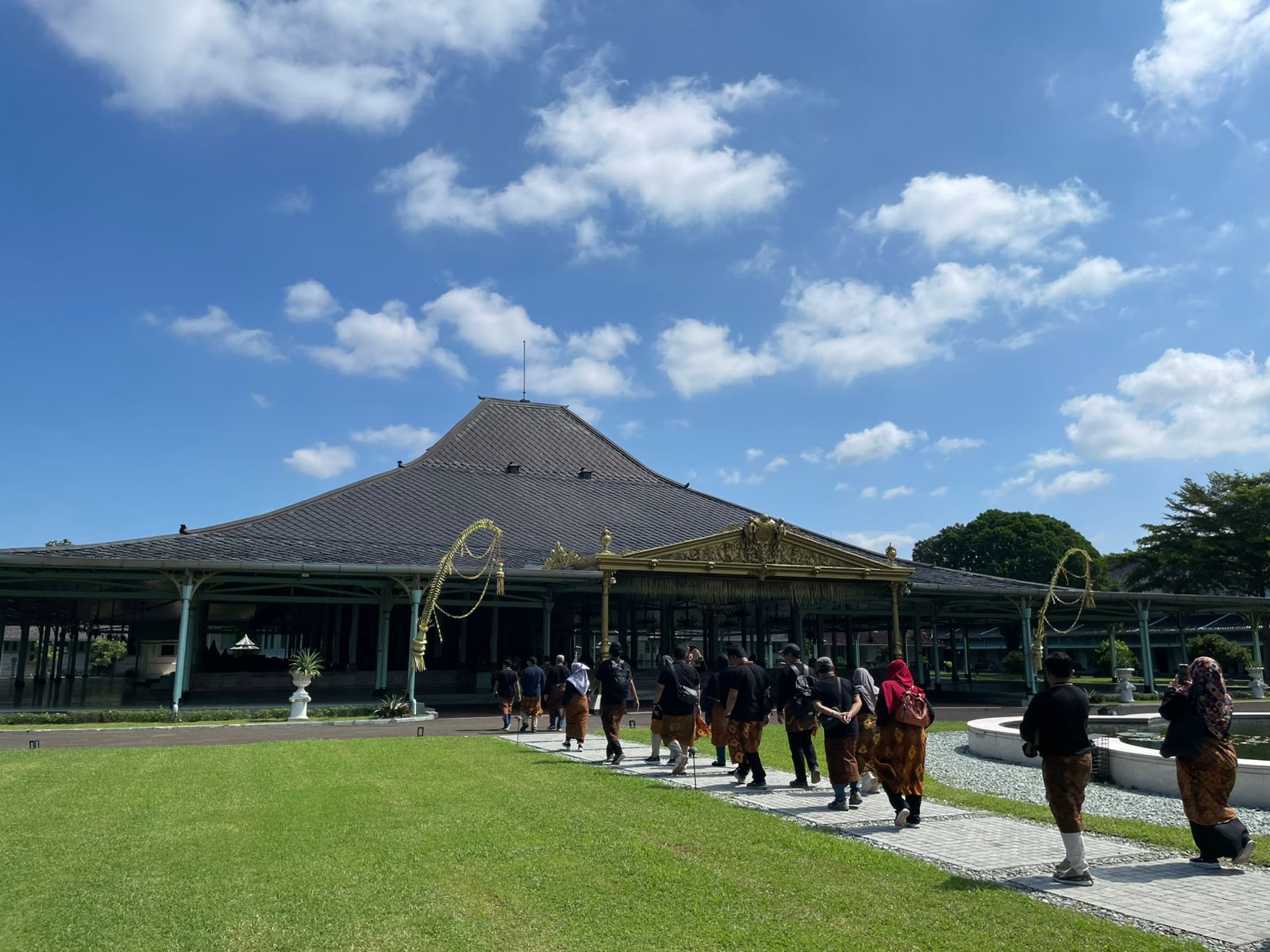
Pura Mangkunegaran in Solo, Central Java, never lacks visitors. Located near the Kali Pepe River, the palace complex has become a major destination for historical tourism, offering a direct glimpse into the life of the Mangkunegaran nobility—from royal batik attire to key spaces within the palace environment.
Tour guide Dodik Ari Syafrudin explained that visitors can learn about daily life and customs within the Mangkunegaran court. “Here, visitors can see how a king dressed in batik, how the palace spaces were arranged, and how life was organized inside the palace,” he said.
Pura Mangkunegaran served as the center of government for the Mangkunegaran Principality, founded by Raden Mas Said, also known as Prince Sambernyawa, who later held the title KGPAA Mangkunegara I and reigned from 1757 to 1795. Raden Mas Said is widely known as a leading figure in the resistance against the VOC. His father, Prince Arya Mangkunegara, was exiled to Ceylon (present-day Sri Lanka) and later to South Africa until the end of his life. This exile to Ceylon even gave rise to the term “diselong” among people living under Dutch colonial rule at the time.
The establishment of Mangkunegaran cannot be separated from the prolonged conflicts in Java during the mid-18th century. After years of warfare and guerrilla resistance, the Mangkunegaran Principality was formally recognized through the Kalicacing Agreement in Salatiga, which ended hostilities in the Mataram region and acknowledged Raden Mas Said as Prince Adipati Mangkunegara.
Within the Pura Mangkunegaran complex are several important areas, including the pringgitan, the dalem as the residence of the ruler, and the keputren, which served as living quarters for the Mangkunegaran princesses.
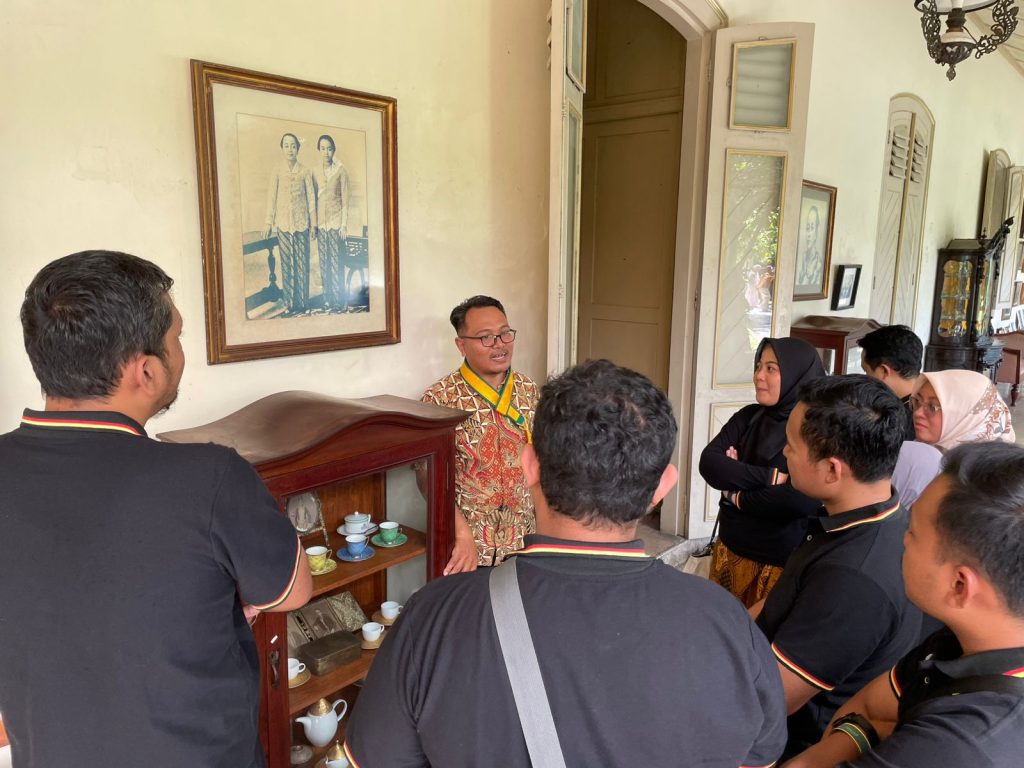
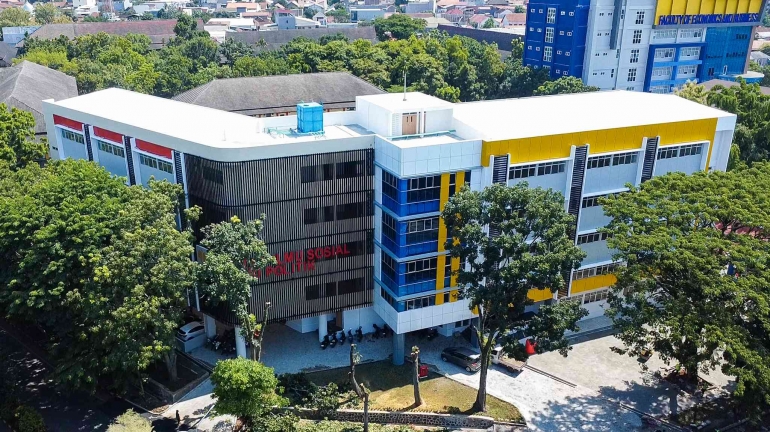
Last Thursday, 142 visitors consisting of lecturers and educational staff of FISIP UNNES took part in a group visit to Pura Mangkunegaran. One of them, Ufi Saraswati, noted that many changes have taken place. “Many areas are now closed to the public, but collections such as royal carriages and artifacts highlight the exclusivity of noble life, which was very different from that of ordinary people,” she said.
Similar enthusiasm was expressed by Mohammad Syifauddin, who emphasized the importance of seeing history firsthand. “It helps us better understand how the Mataram kingdom was divided and how palace life has evolved, especially in the modern era,” he explained.
Pura Mangkunegaran continues to attract visitors from both Indonesia and abroad. On regular days, around 700 people visit the palace daily, while on weekends and public holidays, the number can rise to nearly 2,000 visitors per day.