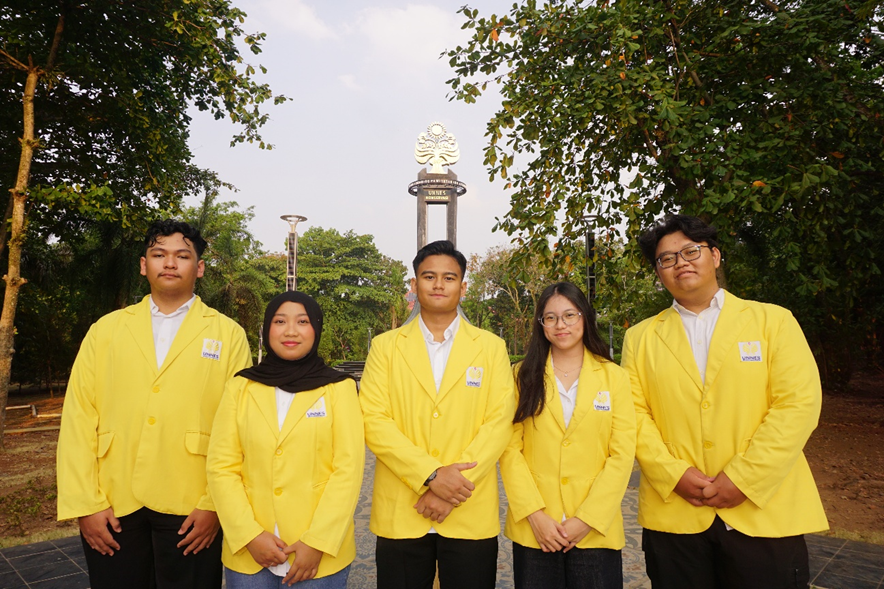



Semarang – Prof. Nana Kariada Tri Martuti, a lecturer from the Faculty of Mathematics and Natural Sciences (FMIPA), Universitas Negeri Semarang (UNNES) and teams, implemented a community empowerment program to strengthen the capacity of flood- and fire-prone areas in Tambakrejo Urban Village, Gayamsari District, Semarang City. Part of Tambakrejo consists of low-lying informal settlements that are highly vulnerable to flooding and fire hazards, making community and school capacity building essential for disaster risk reduction. The program was implemented through the establishment of a Disaster Safe Education Unit (SPAB) at Tambakrejo 3 Elementary School, community capacity strengthening initiatives, and the installation of a Flood Early Warning System (EWS).
The program began with participatory disaster risk mapping, which identified Tambakrejo as having a high level of flood and fire risk. Based on these findings, the team organized Disaster Safe Education Unit awareness campaigns, disaster education programs, the establishment of a School Disaster Preparedness Team, fire emergency response simulations, and the installation of evacuation routes, assembly points, first-aid kits, fire extinguishers, sirens, and a Flood Early Warning System powered by ultrasonic sensors and solar energy. The EWS can also be monitored remotely through a smartphone application.
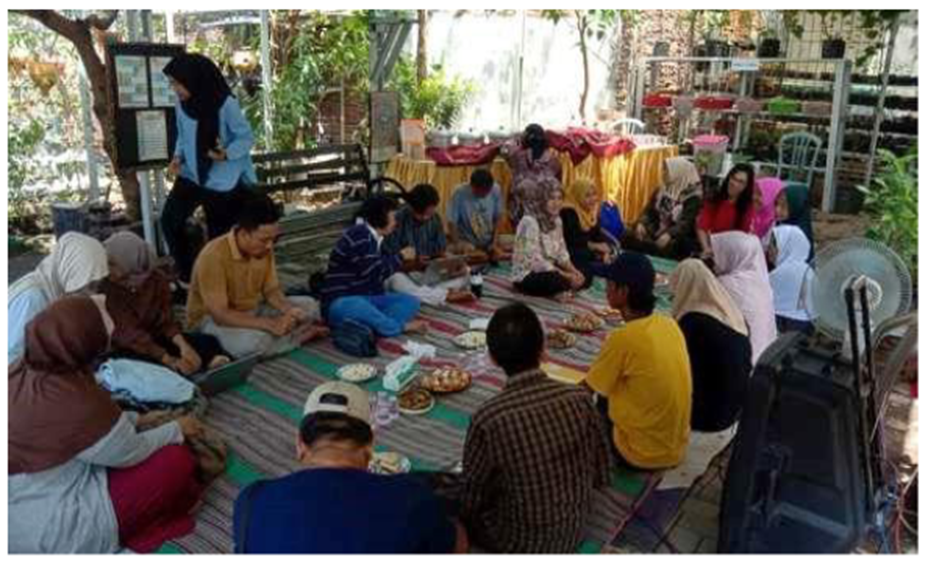
Through this initiative, FMIPA UNNES provides training and programs that improve community access to essential services, particularly safe education, disaster preparedness, early warning systems, and protection from flood and fire hazards. Disaster preparedness training, evacuation simulations, the establishment of school disaster response teams, and the provision of disaster mitigation facilities have equipped teachers, students, and local residents with the knowledge and practical skills needed to respond effectively to emergency situations.
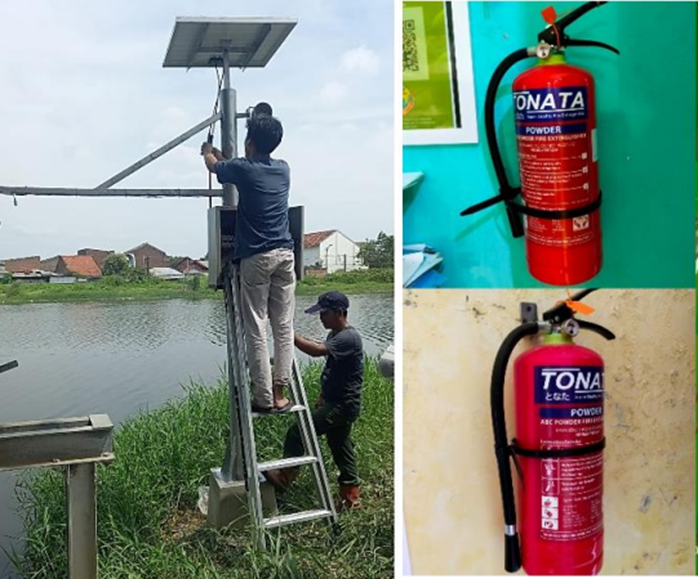
In addition to strengthening community capacity, the program has enhanced local resilience through the provision of disaster mitigation infrastructure, including assembly points, evacuation route signs, fiber rescue boats, emergency tents, emergency boxes, and a Flood Early Warning System capable of issuing alerts when river water levels exceed critical thresholds. These facilities have significantly improved disaster preparedness while ensuring the continuity of educational services in disaster-prone areas. This initiative contributes to the achievement of the Sustainable Development Goals (SDGs), particularly SDG 1 (No Poverty) by enhancing the resilience of vulnerable communities to disasters and improving access to essential services. It also supports SDG 4 (Quality Education) through the implementation of the Disaster Safe Education Unit program, SDG 11 (Sustainable Cities and Communities) by strengthening urban resilience, and SDG 13 (Climate Action) through technology-based disaster risk reduction and community empowerment.