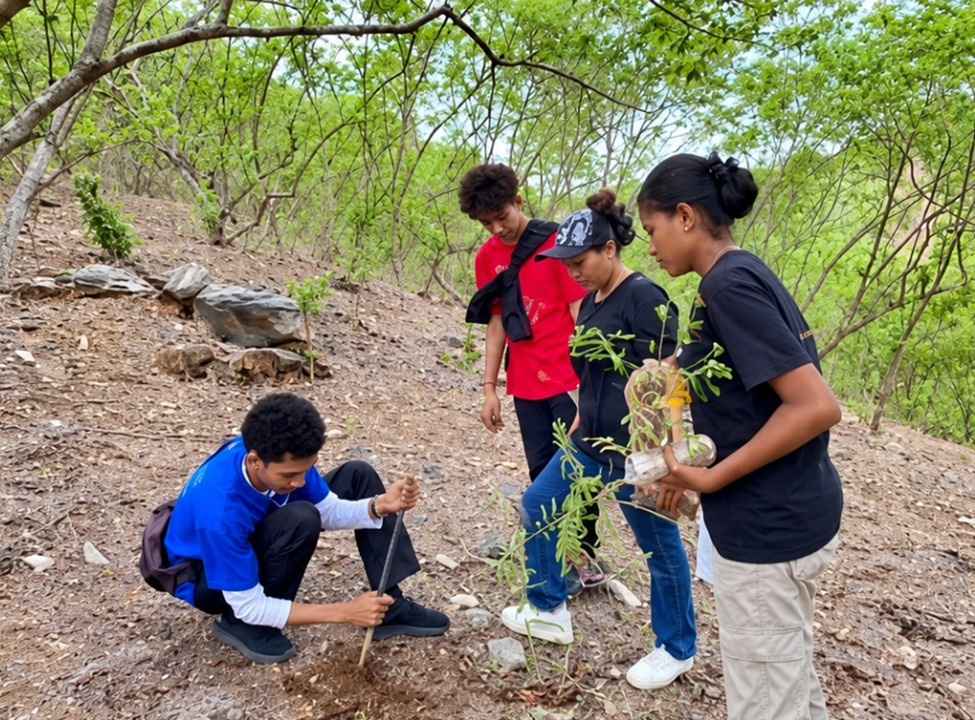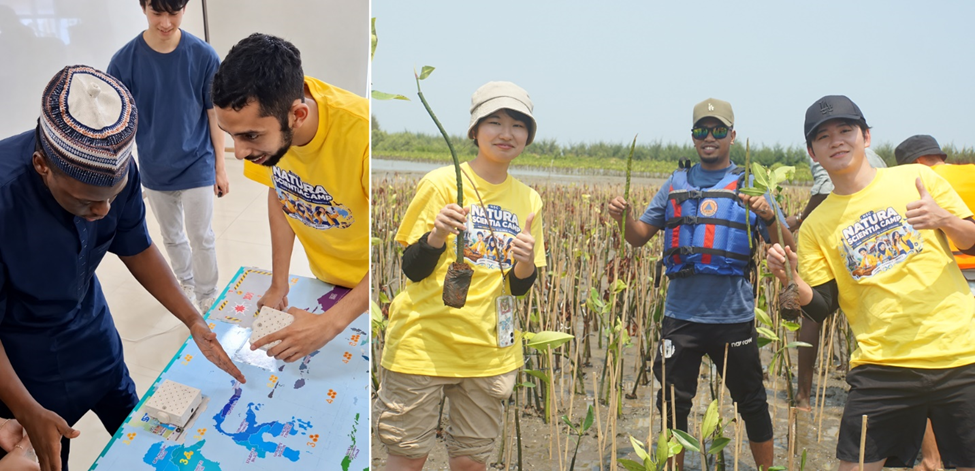



Kendal – The Biology Study Program, Faculty of Mathematics and Natural Sciences (FMIPA), Universitas Negeri Semarang (UNNES), continues to strengthen its contribution to the development of sustainable agriculture, food security, and community economic empowerment through community service programs. One such initiative was carried out in Ngesrepbalong Village, Limbangan District, Kendal Regency, through the development of superior Deane avocados in collaboration with the Gunung Berkah Farmers Group in Gunungsari Hamlet.
The Partnership Community Service Program, implemented on May 17, 2025, was funded through the 2025 Budget Implementation Document (DPA) of LPPM UNNES. The activity was directed at supporting the development of Ngesrepbalong Village as a community-based center for superior avocado production, with a target of developing approximately 400 avocado seedlings that can be distributed to farming families.
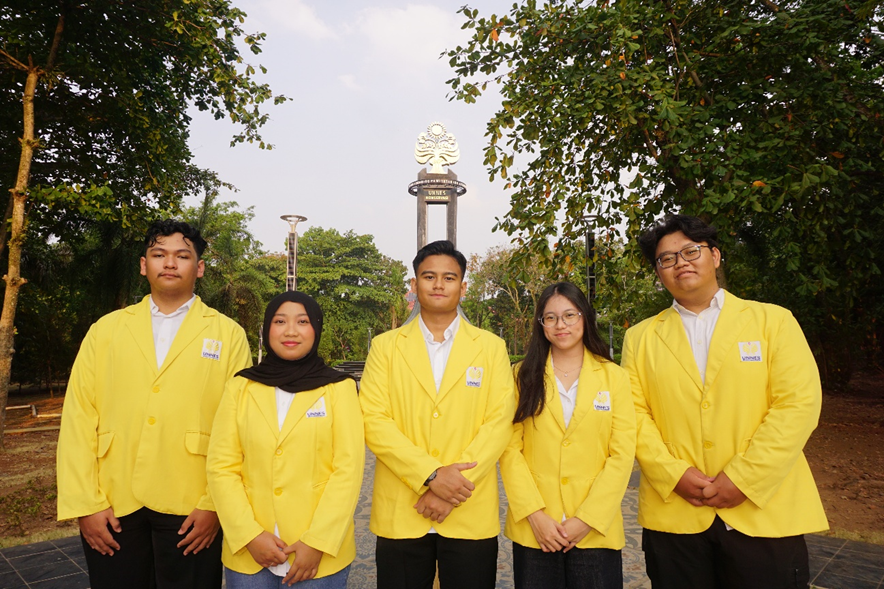
The community service team consisted of Prof. Dr. Ir. Amin Retnoningsih, M.Si. as team leader, Prof. Dr. Enni Suwarsih Rahayu, M.Si., Dr. Moh. Solehatul Mustofa, M.A., as well as students Bintang Faisal Akbar and Danissa Wirna Karmesti. The program was implemented through stages of socialization, training, technology application, evaluation and mentoring, as well as strengthening program sustainability.
One of the innovations introduced to farmers was the technique of splitting avocado seeds to propagate rootstocks. Through this technique, one seed can be divided into two to four parts, potentially producing more rootstocks compared with conventional methods. This innovation was developed to address farmers’ constraints related to limited rootstock availability and low grafting success rates, while also supporting the provision of superior avocado seedlings in larger quantities. The technology has also been submitted for copyright protection as an appropriate technology.
In addition to seedling propagation technology, farmers received training on maintaining grafted seedlings, plant management, controlling problems in young seedlings, and strategies to accelerate fruiting. The mentoring was then directed toward business development aspects through materials on agricultural product branding, packaging, simple financial record-keeping, and the use of digital media for marketing.
This approach ensured that the activity did not stop at the transfer of cultivation technology. Farmers were also equipped with the ability to develop agricultural products into more competitive economic activities. With improved capacity to produce high-quality seedlings and manage marketing, the community is expected to have opportunities to earn additional income from the sale of seedlings and avocado products.
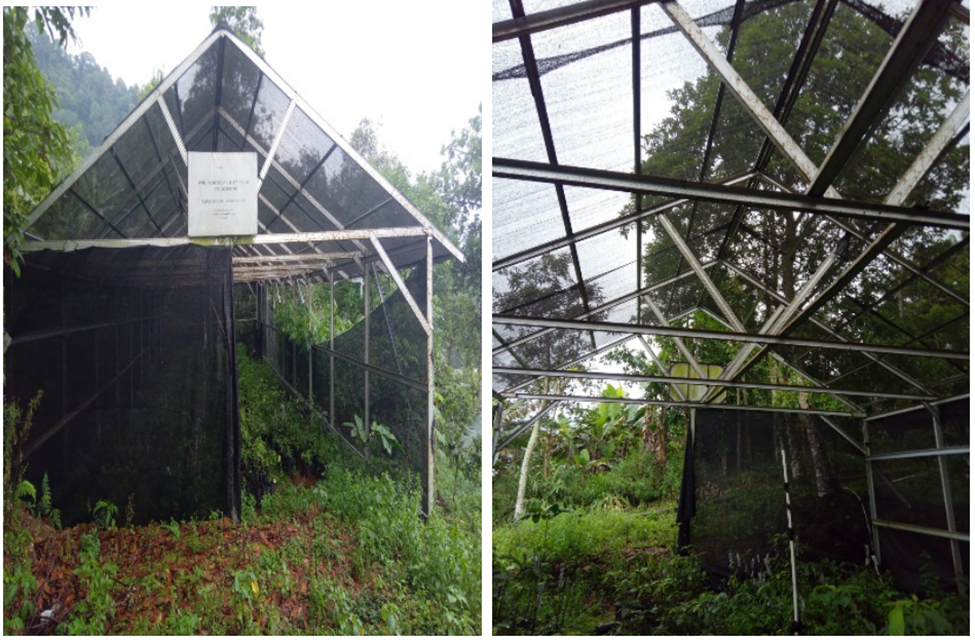
The development of community capacity is supported by the excellent facilities owned by the Biology Study Program of FMIPA UNNES, one of which is the Plant Tissue Culture Laboratory. This laboratory serves as a facility for in vitro plant propagation, research, and student practical activities. The facility is equipped with a preparation room, an inoculation room with a Laminar Air Flow (LAF), and an incubation room that supports practical activities, undergraduate thesis research, faculty research, and community service programs, including plant conservation and propagation activities.
The Plant Tissue Culture Laboratory also provides plant tissue culture training and consultation services through Sasana Kultura, supervised by Prof. Dr. Enni Suwarsih R., M.Si. The presence of this facility expands community and partner access to knowledge and plant propagation technology, while strengthening the relationship between education, research, and community service activities.
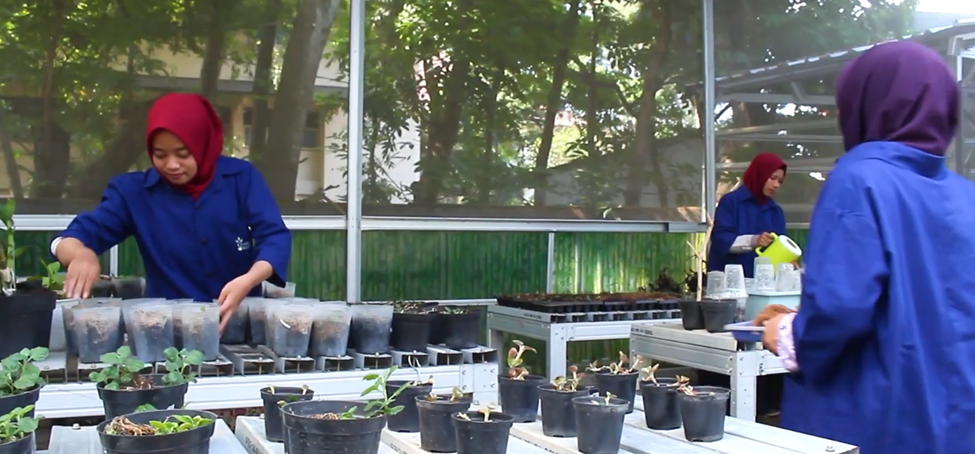
In the context of local agricultural development, this experience has also been applied in UNNES community service activities in other areas. In Sendangsari Village, Purworejo Regency, the UNNES community service team carried out a program to strengthen the local agriculture-based community economic ecosystem together with the PKK Mobilization Team and the Women Farmers Group (KWT) on May 10, 2025. The activity provided education on family medicinal plants (TOGA), product marketing strategies, compost and eco-enzyme production, as well as practical planting of TOGA and fruit plants on productive village land.
The activity in Sendangsari demonstrated a similar approach, namely integrating agricultural productivity, local resource management, community knowledge, and economic development. The community was not only provided with knowledge about plant cultivation but was also directed to develop local agricultural potential as part of the village economic system and to support food security.
In Ngesrepbalong, the development of superior avocados also involved a partnership with Yayasan Alpukat Nusantara through in-cash support, while the Gunung Berkah Farmers Group provided in-kind support in the form of land and growing media. This collaboration demonstrates that agricultural commodity development can be carried out through synergy between universities, community groups, and external partners.
Student involvement in both programs also became an important part of the community-based learning process. Students gained experience in directly applying academic knowledge, interacting with farmer groups, identifying production problems, and supporting the technology transfer process. Thus, the community service activities also became a space for contextual learning that connects higher education with real problems in society.
The avocado development program in Ngesrepbalong also has conservation and sustainability dimensions. Plant propagation through nursery and tissue culture technologies can support the provision of plant materials in a more planned manner, while the development of local commodities provides alternative land uses that can generate economic value for the community. This local potential-based approach is expected to strengthen the link between plant resource conservation, agricultural productivity, and community welfare.
Through these various activities, the Biology Study Program of FMIPA UNNES demonstrates the role of higher education institutions not only as centers of education and research, but also as providers of knowledge, technology, training, and mentoring for the community. The utilization of laboratory facilities, plant propagation technology, farmer mentoring, and marketing development are part of efforts to build a more productive and sustainable community agricultural ecosystem.
These activities contribute to several Sustainable Development Goals (SDGs). SDG 1 (No Poverty) is supported through strengthening community economic capacity and agriculture-based business opportunities. SDG 2 (Zero Hunger) is supported through increasing community capacity in food crop production and developing more productive and sustainable local agricultural systems. SDG 4 (Quality Education) is supported through training, technology transfer, practice-based learning, and student involvement in community empowerment. Furthermore, SDG 8 (Decent Work and Economic Growth) is supported through the development of farming businesses, improvement of entrepreneurial skills, branding, marketing, and commercialization of agricultural products. SDG 9 (Industry, Innovation and Infrastructure) is strengthened through the application of innovative rootstock propagation techniques, appropriate technology, and the utilization of laboratory facilities to support the development of plant technology. SDG 12 (Responsible Consumption and Production) is supported through the development of production based on local resources and the use of more efficient cultivation technologies.
The program is also relevant to SDG 15 (Life on Land) through the development of knowledge and plant propagation technologies, as well as strengthening the sustainable use of biological resources. Meanwhile, SDG 17 (Partnerships for the Goals) is realized through partnerships between UNNES, farmer groups, Yayasan Alpukat Nusantara, the village government, and various community partners in supporting local agricultural development.
Through strengthening cultivation technology, laboratory facilities, community education, business mentoring, and partnerships, the Biology Study Program of FMIPA UNNES continues to encourage local plant potential not only to remain a biological resource, but also to develop into a source of knowledge, food security, and community economic strength.