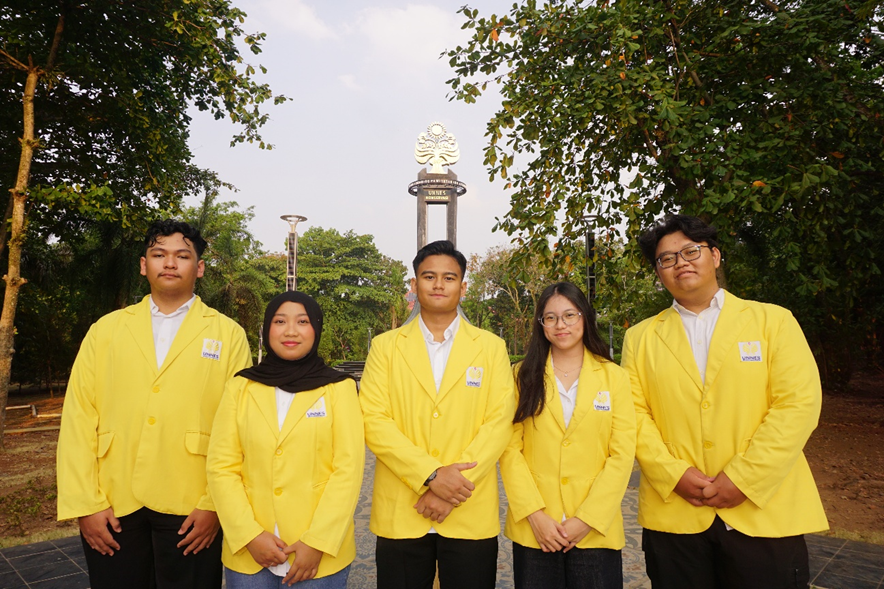

Environmental Science Student of UNNES Strengthens International Collaboration through an Internship at the National Directorate of Climate Change of Timor-Leste and Participation in the ASEAN Youth Economic Forum

Universitas Negeri Semarang/Faculty of Mathematics and Natural Sciences/Berita/Environmental Science Student of UNNES Strengthens International Collaboration through an Internship at the National Directorate of Climate Change of Timor-Leste and Participation in the ASEAN Youth Economic Forum
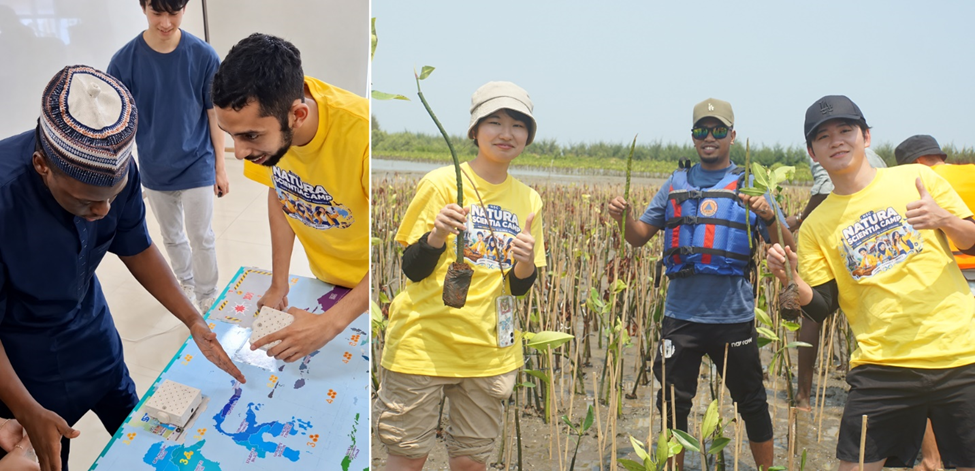
ASEAN Youth Economic Forum 2025 in Kuala Lumpur discussing climate change and climate-resilient economic development.

SemarangJosue Willian Alwyn, a student of the Environmental Science Study Program, Faculty of Mathematics and Natural Sciences (FMIPA), Universitas Negeri Semarang (UNNES), expanded his international experience through an internship at the National Directorate of Climate Change of Timor-Leste in January 2025, followed by his participation in the ASEAN Youth Economic Forum (AYEF) 2025 held in Kuala Lumpur, Malaysia, in February 2025. These activities reflect FMIPA UNNES’s commitment to strengthening international collaboration, enhancing students’ global competencies, and supporting the achievement of the Sustainable Development Goals (SDGs).
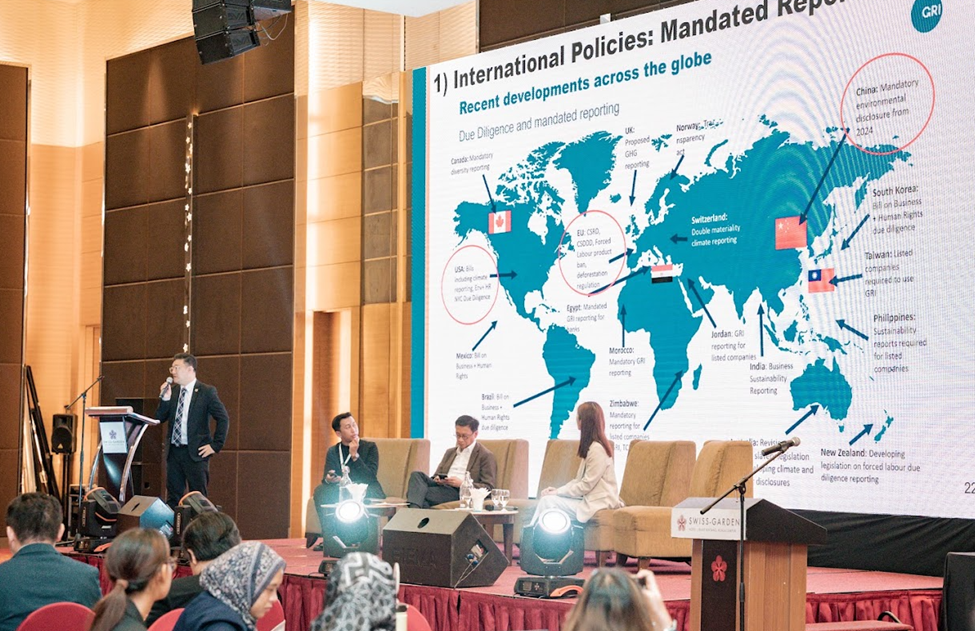
During his internship at the National Directorate of Climate Change of Timor-Leste, Josue was responsible for entering physical data for the Integrated Vulnerability Assessment (IVA) and preparing a draft IVA report on community vulnerability to climate change and disaster risks. The data formed an essential component of the national database used to assess community vulnerability and support evidence-based climate change adaptation planning and policymaking in Timor-Leste.

Through this initiative, FMIPA UNNES actively participates in international collaboration to collect and manage data that support the achievement of the SDGs, particularly data related to community vulnerability to climate change, disaster risk, and regional resilience. The student’s involvement in developing the Integrated Vulnerability Assessment (IVA) demonstrates the faculty’s tangible contribution to generating scientific data that serve as a foundation for climate change adaptation policies at the international level.
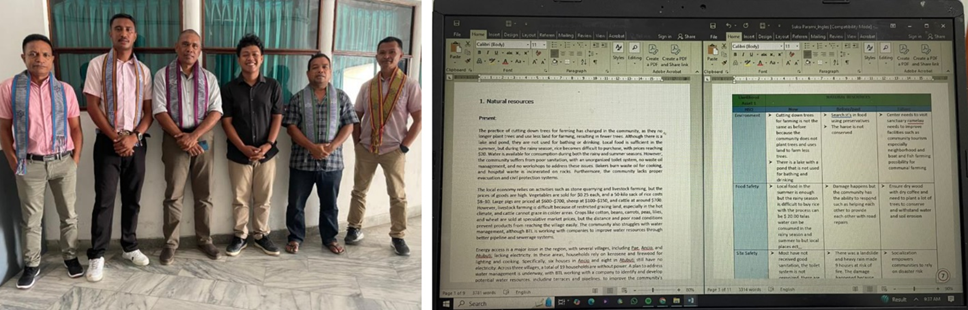
Following the completion of his internship, Josue participated in the ASEAN Youth Economic Forum (AYEF) 2025 in Kuala Lumpur, Malaysia. The prestigious forum, jointly organized by the ASEAN–Mekong Economic Cooperation Institute (AMEICC) and the ASEAN Youth Organization (AYO), was held under the theme “Climate Change and Building a Climate-Resilient Economy.” The forum brought together young leaders from across ASEAN to exchange ideas, experiences, and innovative solutions for building resilient and sustainable economies in response to the challenges posed by climate change.
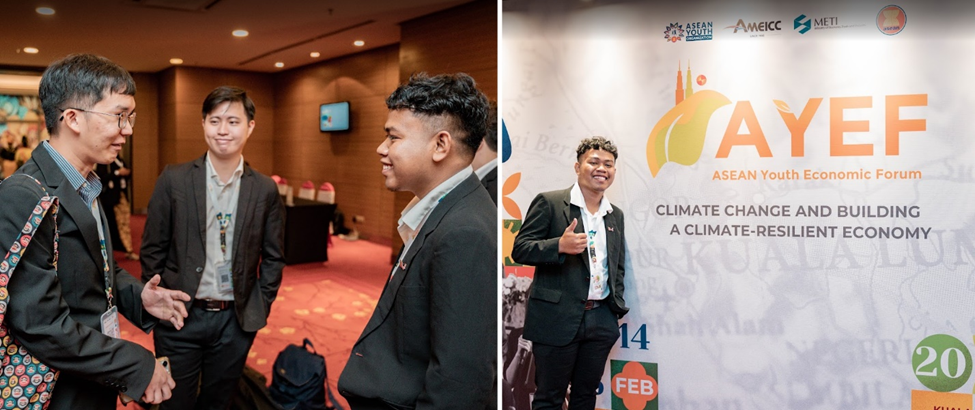
Through his internship in Timor-Leste and participation in AYEF 2025, FMIPA UNNES has further strengthened international collaboration and learning by reviewing comparative approaches and adopting international best practices in addressing climate change and sustainable development. The exchange of knowledge with the Government of Timor-Leste and youth representatives from ASEAN countries provided valuable insights into climate change adaptation strategies, vulnerability assessment methodologies, and climate-resilient economic development, which can be applied to enhance education, research, and community engagement activities at UNNES.

This initiative contributes to the achievement of the Sustainable Development Goals (SDGs), particularly SDG 13 (Climate Action) through strengthening capacity in climate change adaptation and community vulnerability assessment, SDG 17 (Partnerships for the Goals) through international collaboration with the National Directorate of Climate Change of Timor-Leste and ASEAN youth networks, SDG 11 (Sustainable Cities and Communities) by promoting community resilience to disaster risks, and SDG 4 (Quality Education) by enriching students’ global learning experiences and competencies in environmental sustainability.
Related Posts

Leave a Reply

* Kode Akses Komentar:

* Tuliskan kode akses komentar diatas:

GDPR

  • Privacy Policy

Privacy Policy

At unnes.ac.id, the privacy of our visitors is of extreme importance to us. This privacy policy document outlines the types of personal information that is received and collected by unnes.ac.id and how it is used.

Log Files

Like many other Web sites, unnes.ac.id makes use of log files. The information inside the log files includes internet protocol (IP) addresses, type of browser, Internet Service Provider (ISP), date/time stamp, referring/exit pages, and number of clicks to analyze trends, administer the site, track user’s movement around the site, and gather demographic information. IP addresses and other such information are not linked to any information that is personally identifiable.

Cookies

unnes.ac.id uses cookies to store information about visitors’ preferences, to record user-specific information on which pages the site visitor accesses or visits, and to personalize or customize our web page content based upon visitors’ browser type or other information that the visitor sends via their browser.

Third-party ad servers or ad networks use technology in their respective advertisements and links that appear on unnes.ac.id and which are sent directly to your browser. They automatically receive your IP address when this occurs. Other technologies (such as cookies, JavaScript, or Web Beacons) may also be used by our site’s third-party ad networks to measure the effectiveness of their advertising campaigns and/or to personalize the advertising content that you see on the site.

unnes.ac.id has no access to or control over these cookies that are used by third-party advertisers.

You should consult the respective privacy policies of these third-party ad servers for more detailed information on their practices as well as for instructions about how to opt-out of certain practices. unnes.ac.id’s privacy policy does not apply to, and we cannot control the activities of, such other advertisers or web sites.

If you wish to disable cookies, you may do so through your individual browser options. More detailed information about cookie management with specific web browsers can be found at the browsers’ respective websites.

Consent

By using our website, you hereby consent to our privacy policy and agree to its terms.

Update

This Privacy Policy was last updated on: 2023-02-14. Should we update, amend or make any changes to our privacy policy, those changes will be posted here.

Contact Us

If you have any questions, comments, or concerns about our Privacy Policy or our practices with regards to your personal information, please feel free to contact us through the contact form on our website or by emailing us at humas[at]mail.unnes.ac.id.

This Privacy Policy is intended as a general guide to our practices in collecting and using information. If there is any inconsistency between this Privacy Policy and the terms of the Service Agreement or any other terms that may apply to specific services you use, then those specific service terms shall apply.

Terms of Use

By using our website, you agree to abide by this Privacy Policy. If you do not agree with this Privacy Policy, please do not use our website. We reserve the right to update this Privacy Policy from time to time without prior notice. Please review our Privacy Policy periodically to check for changes. Your continued use of our website following the posting of changes to this Privacy Policy means that you accept the changes.

Thank you for reading our Privacy Policy. We are committed to protecting the privacy of our website visitors and will continue to update our Privacy Policy to ensure optimal protection.