

Related to SDGs
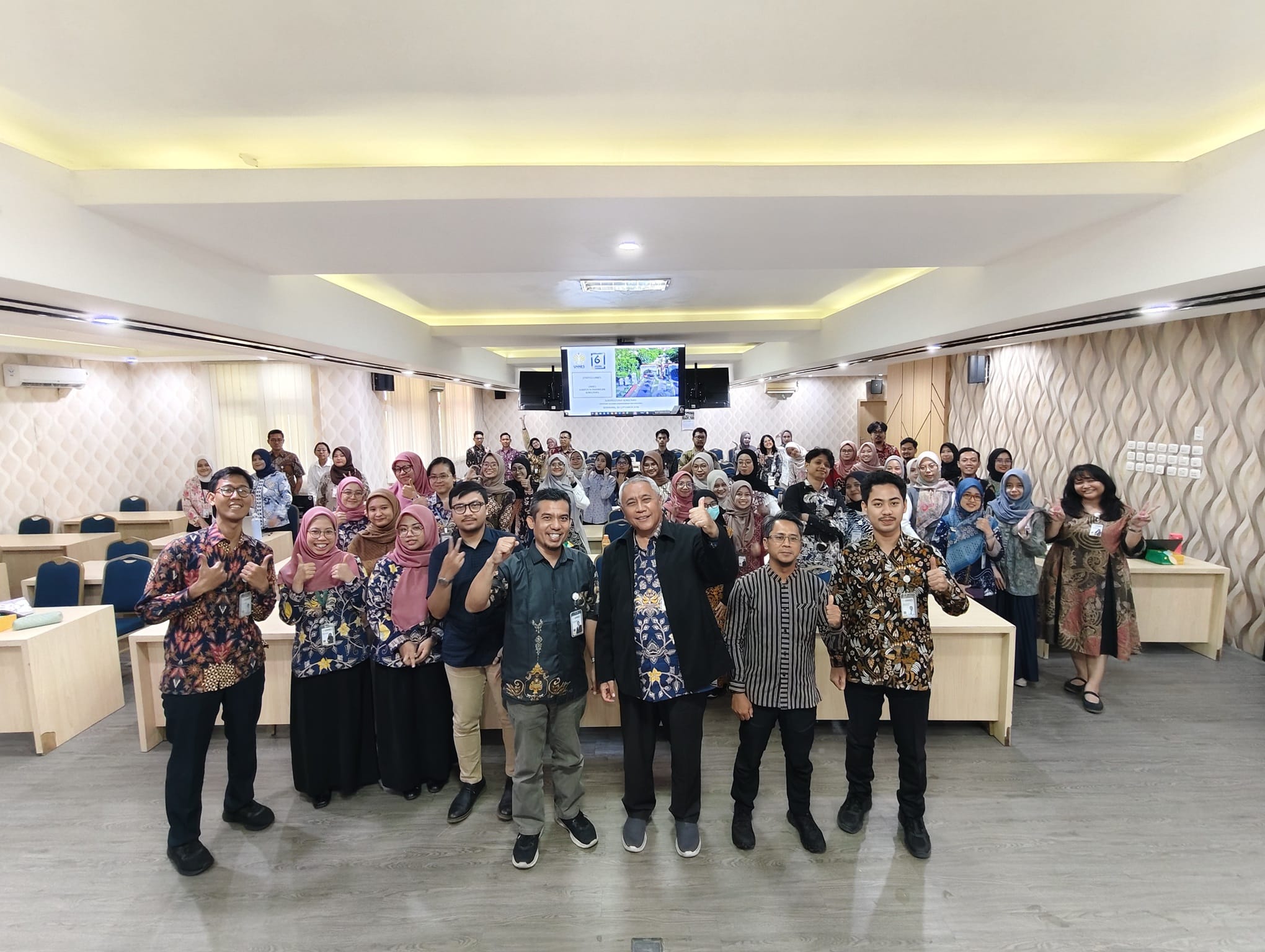
The Elementary School Teacher Education Program (PGSD) at the Faculty of Education and Psychology (FIPP), Universitas Negeri Semarang (UNNES), strengthened its synergy with the corporate sector through a collaborative research initiative with PT Marimas Putra Kencana on September 14, 2026. Held at the PGSD FIPP UNNES Campus in Semarang, the event featured a Focus Group Discussion (FGD) titled “Prototype-Based Educational Model Innovations in Building Environmental Care Values and Character in Elementary School Students.” The session commenced with the signing of an Implementation Agreement (IA) to mark a shared commitment to developing environmental learning innovations for primary education. Officially opened by the Coordinator of the PGSD Study Program Sigit Yulianto, M.Pd., the event was attended by Research Team Leader Susilo Tri Widodo, S.Pd., M.H., CSR representative of PT Marimas Putra Kencana Sebastian Gary Prakoso, and school principals and teachers from Ngaliyan District, Semarang City.
The FGD session proved interactive as educators shared real-world challenges in nurturing students’ ecological awareness, particularly concerning waste management and habit formation consistency. One of the FGD participants, Musrian, emphasized that environmental education requires a comprehensive approach beyond mere ceremonial programs. “Waste management issues cannot be resolved through a single program alone. A more realistic approach is to reduce waste generation, minimize its impact, and build continuous habits across schools, families, and communities,” Musrian highlighted during the discussion. Insights shared by these educational practitioners serve as valuable input for the UNNES research team and PT Marimas Putra Kencana in designing an effective and relevant environmental education prototype tailored for elementary schools.
This strategic collaboration directly supports the achievement of three key Sustainable Development Goals (SDGs). First, the initiative advances Quality Education (SDG 4) through the development of prototype-based learning innovations aimed at fostering environmental care character from an early age. Second, it promotes Responsible Consumption and Production (SDG 12) by instilling habits of waste reduction and responsible waste management within school environments. Finally, the partnership embodies Partnerships for the Goals (SDG 17), effectively connecting higher education institutions, corporate CSR programs, and school practitioners to drive sustainable environmental impact.