


Shattering Stigmas, Unlocking Potential
When discussing residents of social rehabilitation centers for the destitute—specifically those categorized as beggars, the homeless, and the displaced—public perception often focuses on labels of social vulnerability. Yet, beneath the hardships of their lives lies immense potential, ready to be shaped given the right support and avenues. Empowering marginalized communities cannot stop at basic skills training; it requires a sustainable bridge connecting their output to open market supply chains.
Challenges and Opportunities: Assets at the Mardi Utomo Center
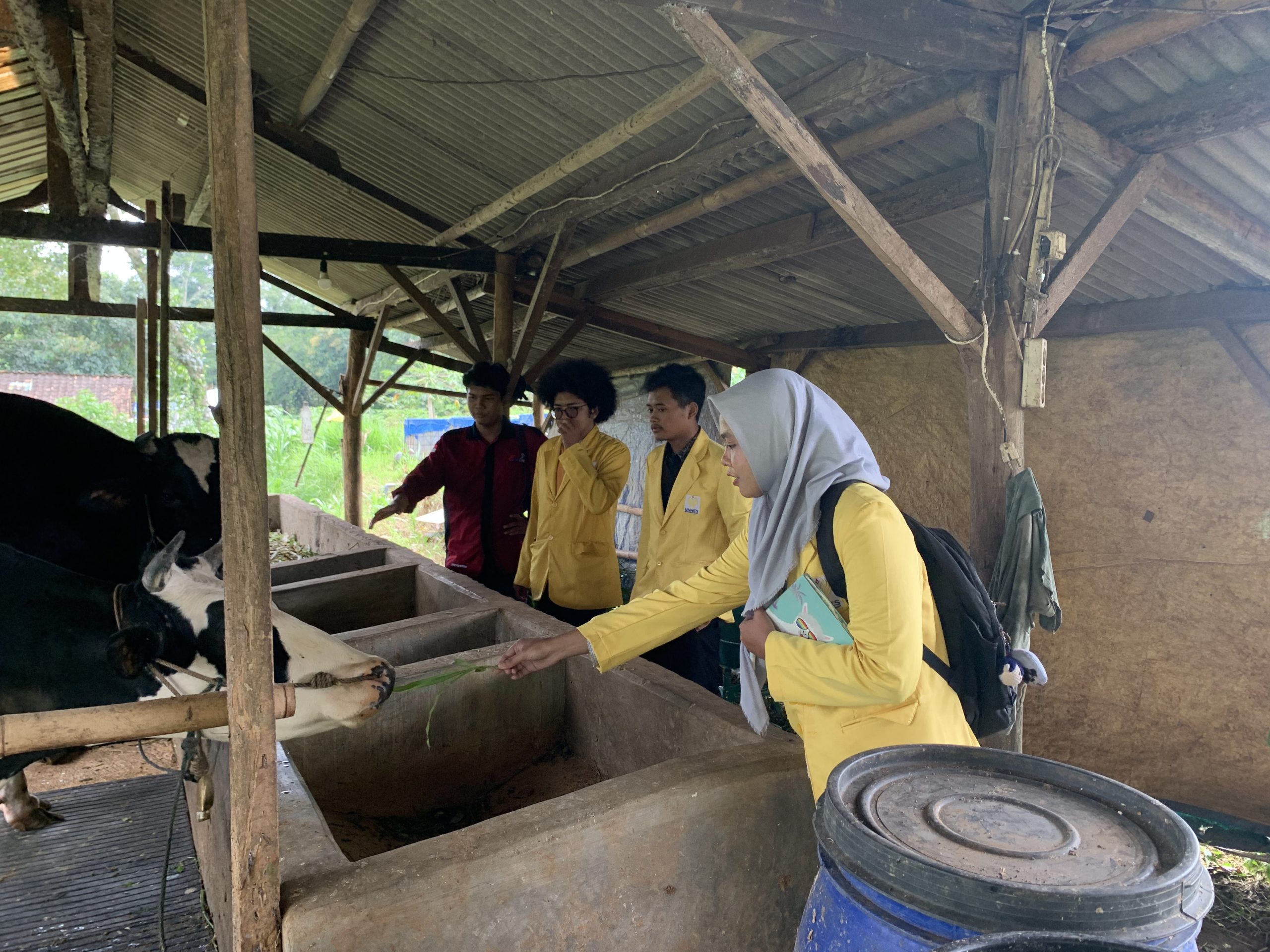
Living in extreme poverty means facing multifaceted economic challenges. Data from Statistics Indonesia (BPS) records the female labor force participation rate at 54.52%—indicating significant room for optimization. The spirit of this empowerment initiative is clearly visible at the Mardi Utomo Social Rehabilitation Center in Semarang. The center actively manages a 66,988 m² site in Tembalang, featuring a 3,923 m² cassava plantation, a culinary kitchen facility, and a cooperative building to support resident development. Among the residents, 21 women of productive age (20–45 years old) are ready to develop their skills.
The care facility’s management has consistently implemented various development and training programs. However, taking the residents’ creations beyond the facility requires an advanced incubation program that addresses product standardization, business management, official legal compliance (such as NIB, P-IRT, and Halal certification), and digital marketing. Without this downstream strengthening, the significant potential cultivated within the facility risks remaining underutilized when the residents return to society.
Introducing CASANOVA UNNES: An Innovation in Mentorship
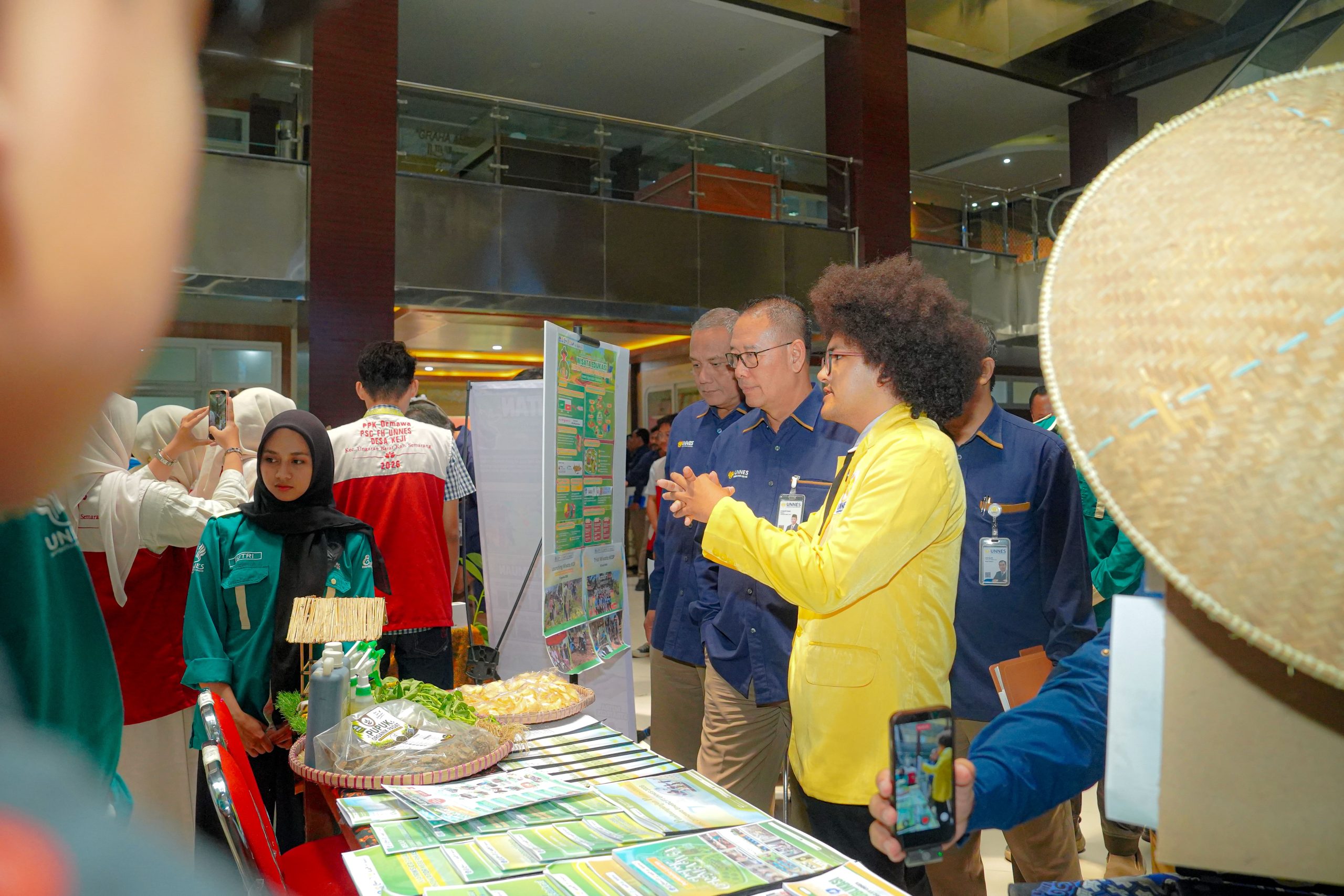
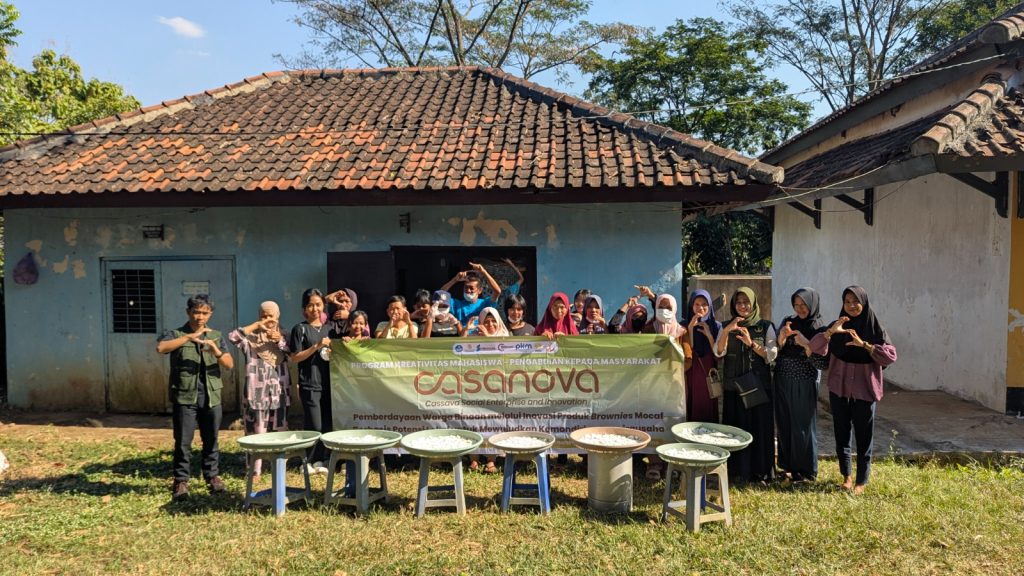
Residents who have persevered through life’s challenges possess remarkable resilience and a strong desire to learn. What they need is capacity building and access to intensive mentorship. Recognizing this collaborative opportunity, a student team from Universitas Negeri Semarang (UNNES)—led by Azis Sabila Rozaq (Architectural Engineering) and supervised by Wiwit Setyowati, S.T., M.Sc.—launched the CASANOVA (Cassava Social Enterprise and Innovation) program under the Community Service Student Creativity Program (PKM-PM) scheme.
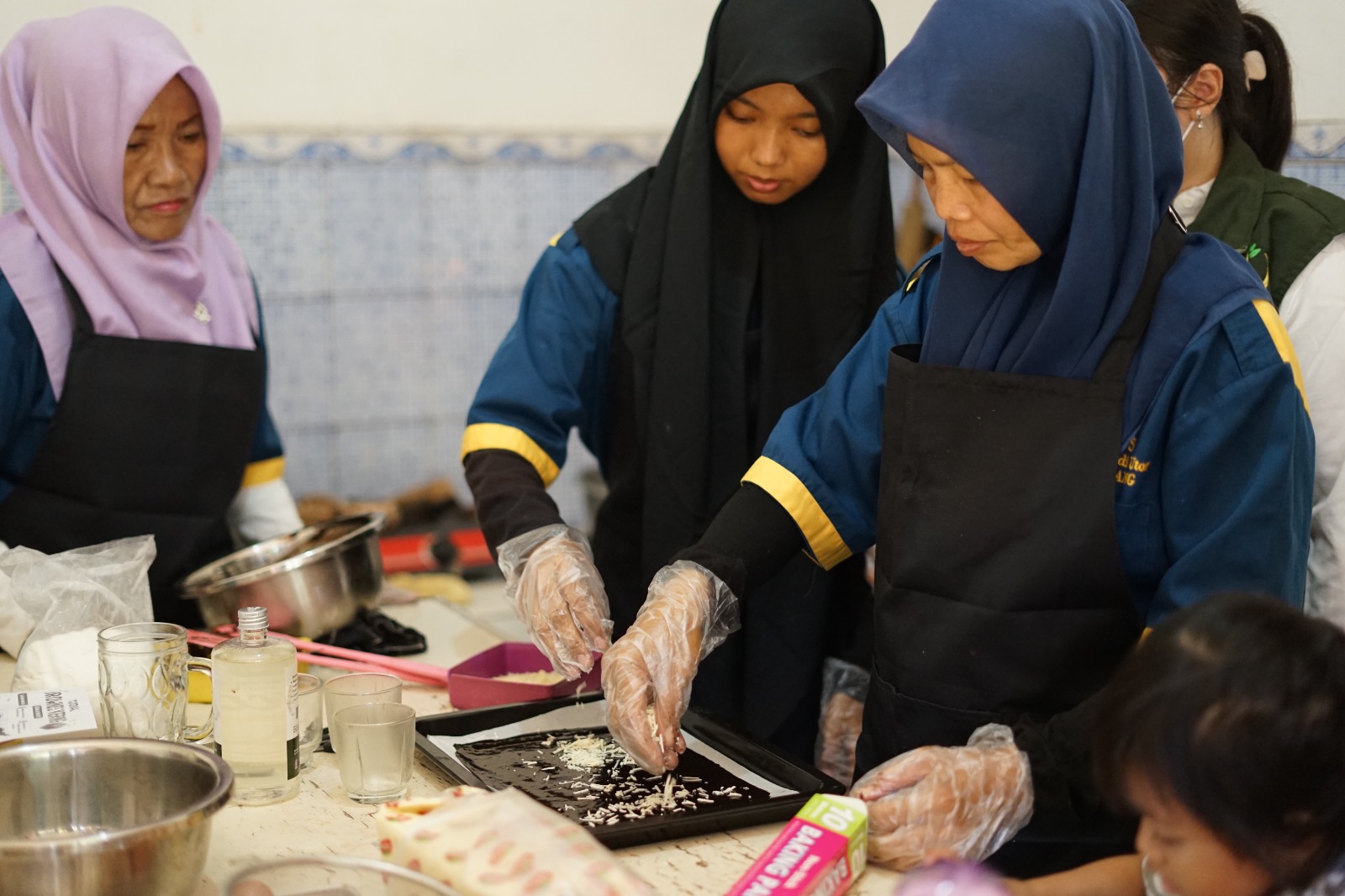
The CASANOVA program complements the facility’s existing development initiatives by employing an Asset-Based Community Development (ABCD) approach. Fifteen female residents of productive age are guided to transform the facility’s cassava harvest into crispy brownies made from mocaf (modified cassava flour)—a gluten-free product with high added value and strong competitiveness in the modern market. The UNNES team, in collaboration with the facility, provides end-to-end mentorship: from recipe development and hygiene SOP standardization to business legalization, independent financial management, and digital marketing strategies. These production activities are designed to serve as a practical incubation platform, equipping residents with the self-confidence and entrepreneurial skills needed for life after rehabilitation.
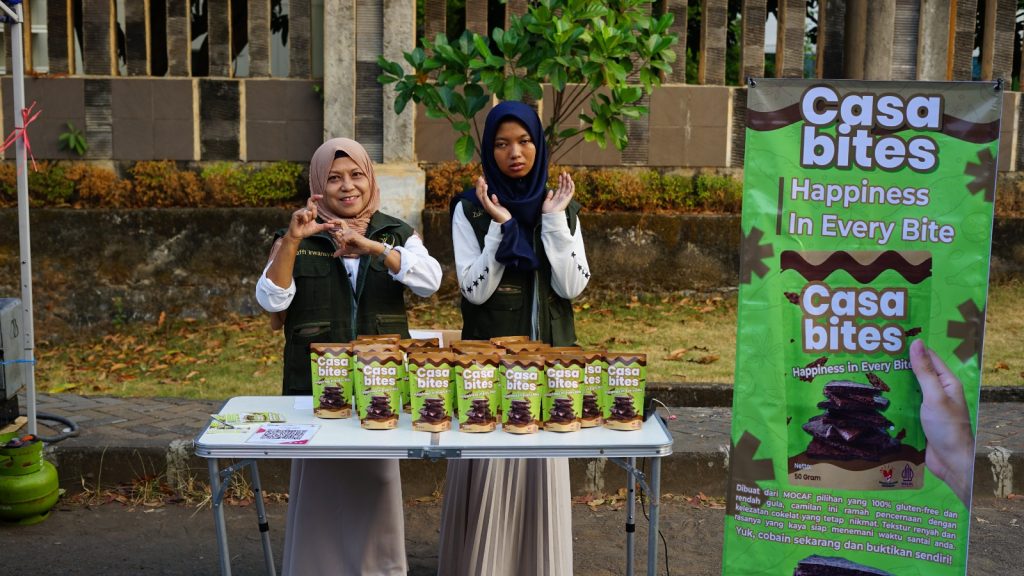
This mentorship initiative demonstrates compelling reasons why these program beneficiaries deserve to be recognized as “economic game changers.” First, they have transformed from passive aid recipients into producers capable of creating high-value economic products. Second, women’s economic independence directly helps break the intergenerational cycle of poverty by improving the nutritional, health, and educational standards of their children. Third, this synergy proves that the facilities and grounds of social care centers can be optimized into productive, sustainable social business incubation hubs.
Synergy for Sustainable Independence
In alignment with Presidential Instruction No. 8 of 2025 regarding the Alleviation of Extreme Poverty, social rehabilitation centers serve as vital stepping stones toward independence. The collaboration between the Mardi Utomo Social Service Center (for the homeless and beggars) in Semarang and the academic community of UNNES (Universitas Negeri Semarang) offers a tangible example of how integrating center facilities, the potential of beneficiaries, and university innovation can generate sustainable social impact. With appropriate mentorship and open market access, these marginalized women are poised to prove their role as new economic drivers within the community.
CASANOVA (Cassava Social Enterprise and Innovation) stands as a testament to the students’ initiative in delivering concrete solutions to economic inequality and the stigma associated with social vulnerability. Developed under the PKM-PM scheme, this project—which produces crispy brownies made from mocaf (modified cassava flour)—focuses not only on processing the center’s agricultural produce but also on building a comprehensive support ecosystem. This encompasses everything from hygiene standardization and business legalization to integration into modern market supply chains.
This innovation, grounded in the Asset-Based Community Development (ABCD) approach, has a tangible impact on accelerating the achievement of the Sustainable Development Goals (SDGs)—specifically SDG 1 (No Poverty), SDG 5 (Gender Equality), and SDG 8 (Decent Work and Economic Growth). This synergy demonstrates that, with the right bridge, marginalized women supported by such centers can transform from aid recipients into creators of sustainable economic value—true “economic game changers.”