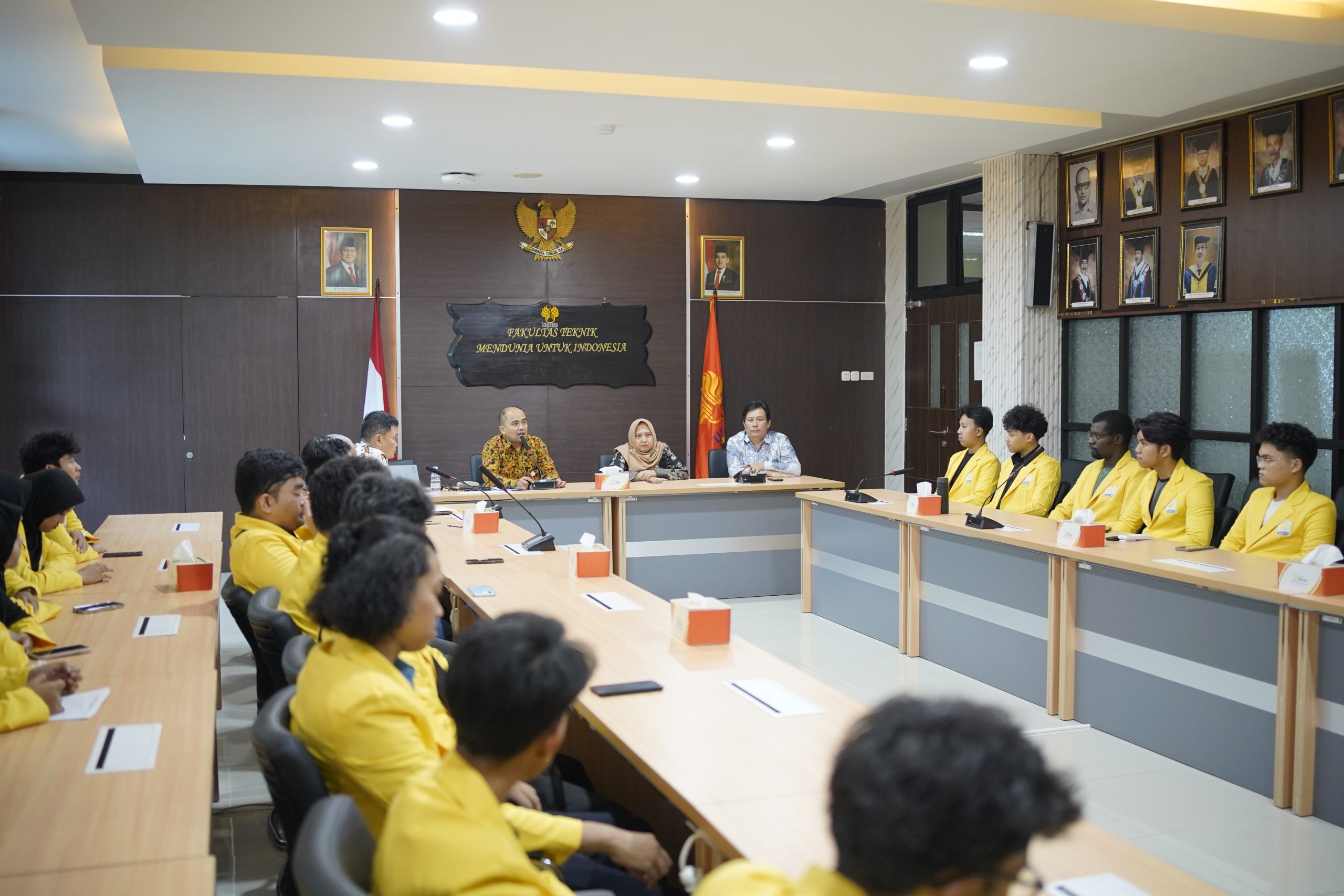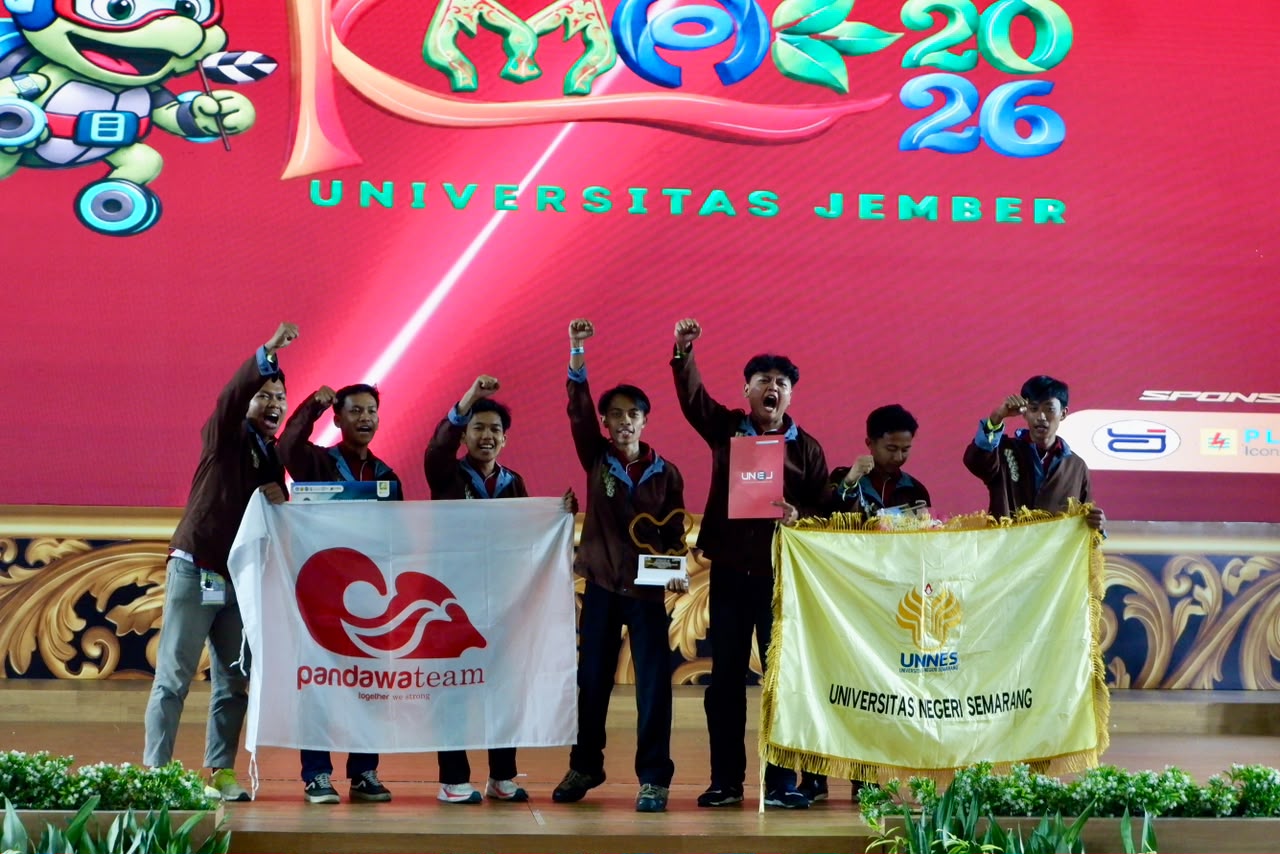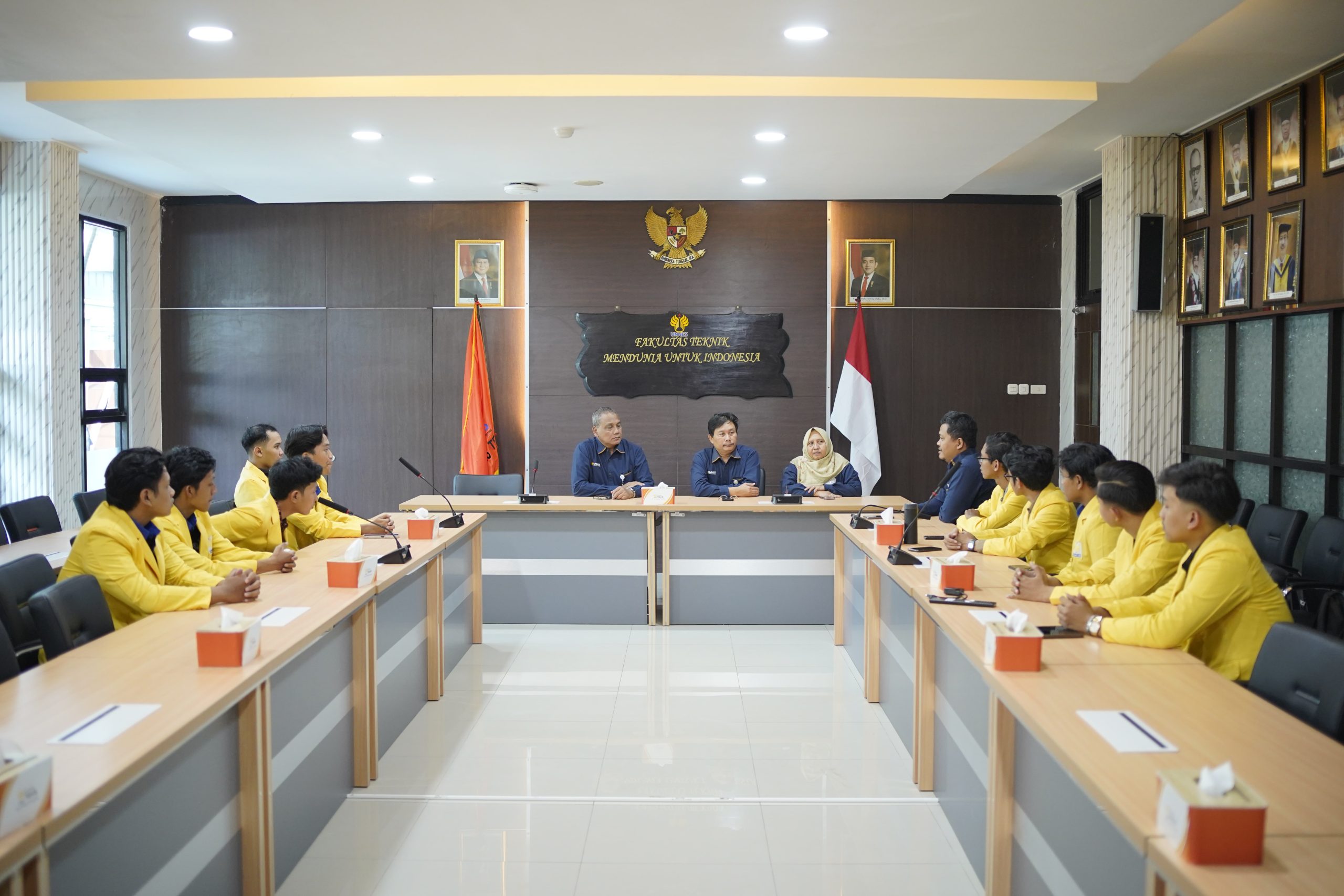


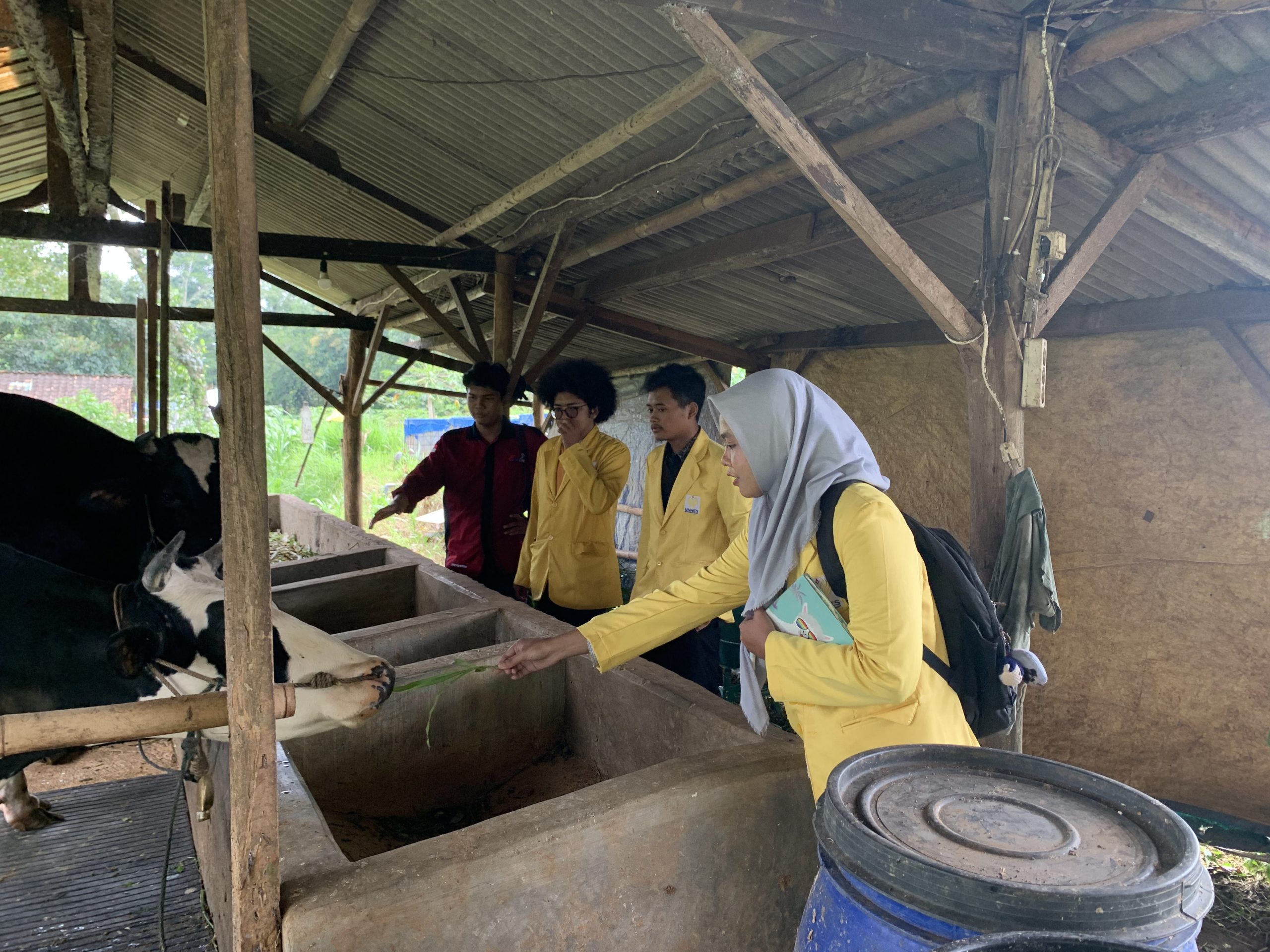
Semarang, October 12, 2026 – The implementation team for the Student Organization Capacity Strengthening Program (PPK Ormawa) from the Engineering Research Club (EneRC) at the Faculty of Engineering, Universitas Negeri Semarang (FT UNNES), was officially selected to participate in the 2026 Abdidaya Awards in Makassar. This achievement stands as tangible proof of the team’s long journey spanning nearly a year—encompassing field surveys, sub-proposal drafting, program implementation, and a series of rigorous selection rounds conducted by the Directorate of Learning and Student Affairs (Belmawa) of the Ministry of Education, Culture, Research, and Technology. Out of 2,192 sub-proposals submitted nationwide, the team was one of only 120 to qualify for the event in Makassar—an achievement that did not come without sacrifice.
Starting from Scratch: Surveying Five Urban Villages in One Week
The journey began with EneRC, a semi-autonomous student organization (BSO) within FT UNNES dedicated to academics, research, and technology. Following a reorganization in early January 2026, a team of 15 students sprang into action. Their inaugural meeting resulted in a plan to survey five urban villages (kelurahan): Patemon, Pakintelan, Kalisegoro, Ngijo, and Kandri. Over the course of a full week in early February, the team conducted fieldwork; one group interviewed local village officials, while another observed the actual conditions of the community. All findings were meticulously recorded for further consideration.
An evaluation meeting identified Kandri Village as the primary target location. Three key factors drove this decision: a decline in tourist visits, the presence of unmanaged cattle waste, and underproductive agricultural land. It was from here that the seed of the Smart-Agro Edu-Tourism idea began to grow—a concept that would eventually address those three issues simultaneously and align with SDG 8 (Decent Work and Economic Growth) by empowering the local potential of the tourism village.
FGD Leads to the Creation of the Smart Organic Garden (KOP)
Following intensive coordination with Kandri Village Head Mutmainah, S.E.; Pandanaran Tourism Awareness Group (Pokdarwis) Chair Syaeful Ansori, S.H.; Young Independent Farmers’ Group Chair Mujiyono, S.Par; and the RW 1 Head, the team held a Focus Group Discussion (FGD) in the third week of February with all internal village partners. The outcome was unanimous: residents agreed to support a new tourism package called the Smart Organic Garden (KOP), based on Appropriate Technology (TTG) utilizing biogas slurry digesters. This concept was viewed as capable of empowering various elements—from the tourism group and farmers’ groups to MSMEs and the PKK (Family Welfare Empowerment)—while introducing a fresh educational tourism attraction to Kandri Tourism Village. This initiative aligns with SDG 17 (Partnerships for the Goals) through collaboration across community sectors and stakeholders.
Long Nights Drafting the Sub-proposal
As March 2026 began, the PPK Ormawa guidebook was released, and the team immediately divided tasks by chapter. Drafting the sub-proposal was no easy journey. The team had to navigate UNNES’s internal selection stages—progressing from the top 50 to the top 20, then the top 10—before finally competing in the Belmawa selection, which determined whether they would secure funding. Revision after revision, deadline after deadline, and nights spent working until three or four in the morning became the team’s routine, all while they continued to attend classes from morning until afternoon. This struggle reflected the spirit of SDG 4 (Quality Education), as students integrated academic learning with tangible action within the community.
The eve of Eid al-Adha became an unforgettable moment. Just as people were preparing for the holidays, the long-awaited news finally arrived: the EneRC FT UNNES 2026 PPK Ormawa team had secured funding. “Alhamdulillah”—a single word uttered in unison by the entire team—marked the end of five months of anticipation and relentless hard work.
Four Months of Implementation: From Groundwork to Launch
The program officially commenced on June 2, 2026. A task force was immediately recruited to support the program’s execution. June was a month of intense activity: partner coordination, procurement of tools and materials, excavation and construction of the Appropriate Technology (TTG) Biogas Slurry Digester, a program outreach event on June 19, and the reorganization of P4S alongside the formation of KOMPOSET (Smart-Agro Edu-Tourism Management Group) on July 1.
July brought tangible progress. Biogas piping installation was completed, and the organic garden was developed from scratch—encompassing land tilling, the creation of planting beds, sowing, and the integration of an irrigation system. The digester began producing solid fertilizer, liquid fertilizer, and biogas, which were immediately utilized for the garden and the KOP kitchen. Capacity-building activities also took place, including branding and digital marketing training (July 9), a trial run of the KOP package (July 25), and training on the KOP tourism experience flow (August 1). These achievements align with SDG 12 (Responsible Consumption and Production) through a zero-waste approach that converts livestock waste into energy and organic fertilizer.
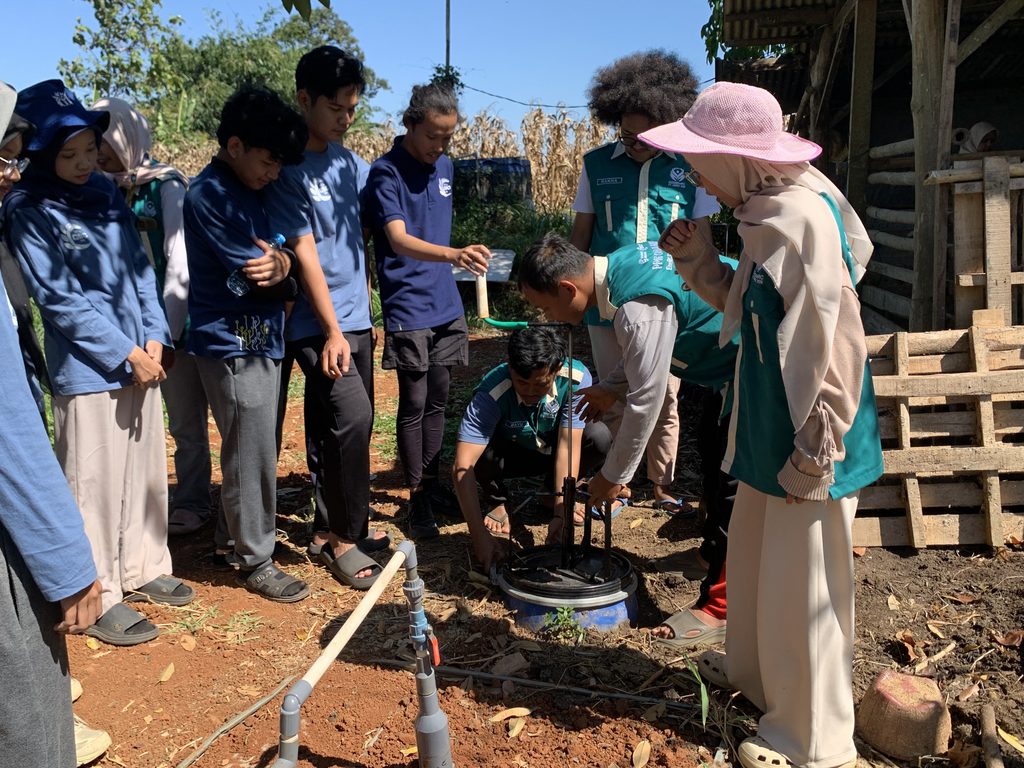
Subsequently, in August, the team held consultations with the Agriculture Agency, the Culture and Tourism Agency, the Education Agency, the Mayor of Semarang, and the Head of Gunungpati District, as well as the Directorate of School Principals, Supervisors, and Education Personnel (KSPSTK) in Jakarta. Meanwhile, the organic garden began yielding harvests; spinach grown using fertilizer from the digester was distributed to and cooked by local residents, serving as tangible proof of the successfully established organic ecosystem. A capacity-building session on cattle waste processing was held on August 6. The culmination occurred on August 19 with the official launch of the KOP Tourism Package during a ceremony attended by agency officials, university administrators, the Mayor of Semarang, and the District Head; the event was marked by the signing of the KOP commemorative plaque and an inaugural planting session in the garden. The team also expanded KOP’s branding through the UNNES TV podcast and the Agriculture Agency’s Kobar Tani program.
September: Harvest and Qualification for Abdidaya
September marked the pinnacle of this long journey. KOP began attracting a steady stream of visitors—ranging from elementary to junior high school students—who came to experience gardening firsthand and learn about the Appropriate Technology (TTG)-based organic ecosystem. The Dean of the UNNES Faculty of Engineering and the Dean from DIT Timor-Leste also visited KOP in person. A workshop was held involving the signing of Implementation Agreements (IA), Memoranda of Understanding (MoU), and Follow-up Action Plans (RTL) with internal and external partners; these measures aimed to ensure the program’s sustainability well beyond the mentoring period, in alignment with SDG 11 (Sustainable Cities and Communities).
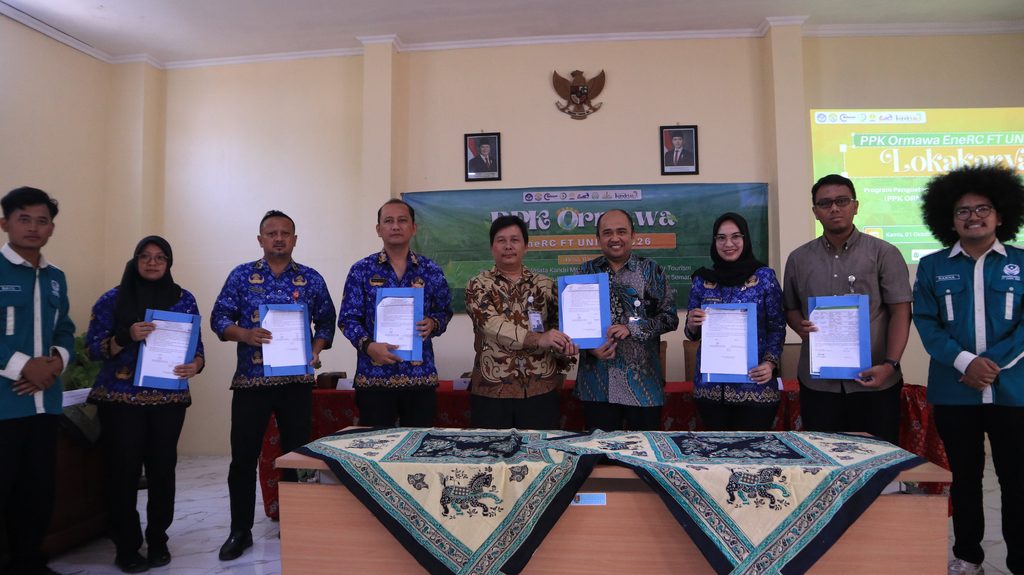
Meanwhile, Kandri Tourism Village successfully made it into the Top 15 of the Wonderful Indonesia Awards (WIA) after competing against thousands of tourist destinations across the country, with KOP serving as one of the attractions under evaluation. Kandri Tourism Village also secured Muslim-friendly tourism certification. These two achievements are a source of immense pride for the team and all residents of Kandri.
On September 24, the External Program Progress Assessment (PKP) conducted by Belmawa took place. The team spent a full week preparing everything—from documents and materials to presentation rehearsals—while subsisting on just 2–3 hours of sleep per night. The result: the team successfully passed the PKP. A verification process followed online, attended enthusiastically by all partners—including the Kandri Village Head, the Tourism Awareness Group (Pokdarwis), farmer groups, MSMEs, P4S/KOMPOSET, the Culture and Tourism Office, the Agriculture Office, the Education Office, the Gunungpati Agricultural Extension Center (BPP), and a representative of the District Head—all of whom provided testimonials before the Belmawa reviewers.
October 5, 2026: Qualifying for Abdidaya Makassar
On October 5, 2026, the long-awaited letter finally arrived. The PPK Ormawa EneRC FT UNNES 2026 team was confirmed as a participant in the 2026 Abdidaya Awards in Makassar. “Alhamdulillah” (Praise be to God) once again echoed among the team members—an expression of gratitude that words alone could not fully capture. Out of 2,192 sub-proposals competing at the start of the year, the team was one of only 120 selected to attend the event in Makassar.
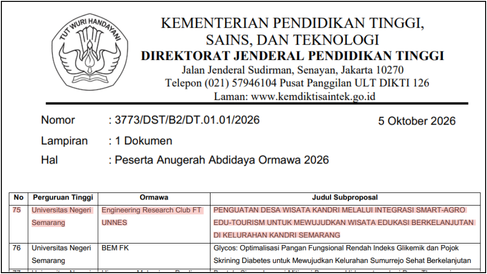
This news belongs to more than just the team. With deep gratitude and pride, the team shares this update with the Head of Kandri Village, all internal and external partners, university leadership, and—most importantly—the parents whose prayers have ceaselessly supported every step of this journey. Qualifying for the Abdidaya event is not merely an academic achievement; it is proof that genuine collaboration among students, the community, and the institution can generate meaningful change—a spirit that truly reflects SDG 17 (Partnerships for the Goals) and the second point of the Asta Cita (Eight Missions) regarding grassroots village community empowerment.
About PPK Ormawa EneRC FT UNNES 2026
The Student Organization Capacity Building Program (PPK Ormawa) EneRC FT UNNES 2026 is a student-led community service initiative focused on developing the Kandri Tourism Village in Gunungpati District, Semarang City, through the concept of Smart-Agro Edu-Tourism. The program introduces the “Smart Organic Garden” (KOP) educational tourism attraction, which utilizes Appropriate Technology—specifically biogas slurry digesters—to integrate organic farming, sustainable waste management, and educational tourism into a single, unified ecosystem.