

Kecerdasan Buatan Makin Dekat dengan Mahasiswa, Lalu ke Mana Arah Kemampuan Bernalar? Tim PKM-RSH Aillusion UNNES Menguaknya

Universitas Negeri Semarang > Faculty of Social Sciences and Political Science > Berita > Kecerdasan Buatan Makin Dekat dengan Mahasiswa, Lalu ke Mana Arah Kemampuan Bernalar? Tim PKM-RSH Aillusion UNNES Menguaknya

Sebelum hadirnya kecerdasan buatan, ketika menghadapi kesulitan dalam mengerjakan tugas, mahasiswa mungkin akan membuka buku, berdiskusi dengan teman, atau bertanya kepada dosen. Kini, ada pilihan lain yang semakin mudah dijangkau, yaitu bertanya kepada kecerdasan buatan. Dari meminta penjelasan konsep hingga membantu menyelesaikan tugas, kecerdasan buatan perlahan menjadi bagian dari aktivitas akademik mahasiswa.

Pada awalnya, penggunaan tersebut tampak sederhana. Mahasiswa memanfaatkannya untuk menyederhanakan penjelasan, mencari alternatif penyelesaian, merangkum informasi, atau memeriksa pekerjaan yang telah dibuat. Namun, jika dilakukan berulang kali, interaksi dengan kecerdasan buatan dapat berkembang menjadi bagian dari kebiasaan belajar mahasiswa. Teknologi tidak lagi sekadar menjadi alat bantu, tetapi mulai hadir dalam berbagai tahapan mahasiswa mencari informasi dan menyelesaikan persoalan.

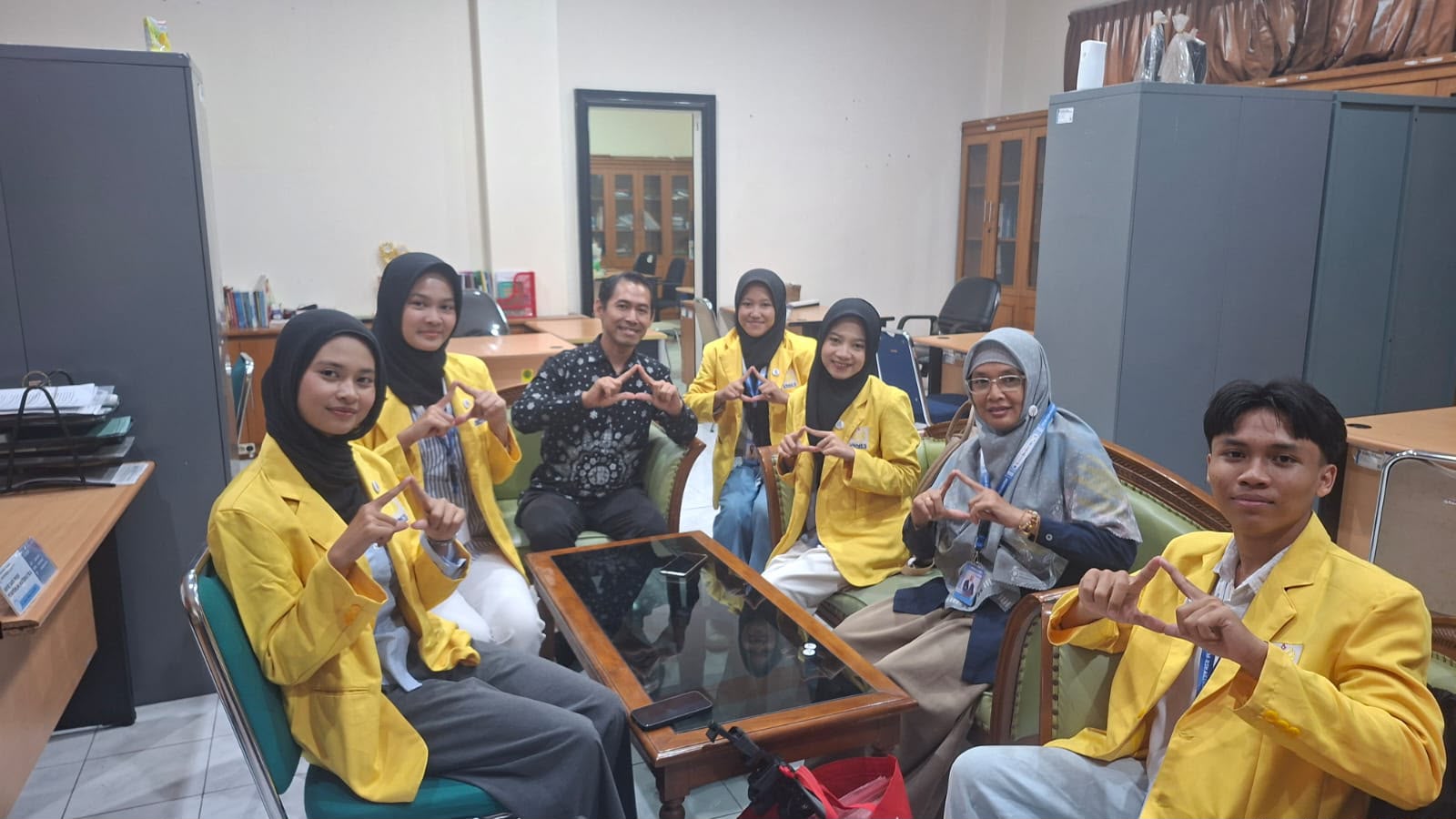
Perubahan pola interaksi inilah yang menjadi perhatian Tim Program Kreativitas Mahasiswa Riset Sosial Humaniora (PKM-RSH) Universitas Negeri Semarang (UNNES). Melalui penelitian terhadap mahasiswa calon guru matematika, tim mengkaji hubungan antara tingkat ketergantungan kecerdasan buatan dan kemampuan penalaran matematis.

Fenomena ini menarik karena yang berubah bukan hanya seberapa sering mahasiswa menggunakan kecerdasan buatan, tetapi juga bagaimana mereka menjalani proses belajar. Proses yang sebelumnya membutuhkan beberapa langkah seperti pencarian referensi, diskusi, hingga menemukan penyelesaian, kini dapat diselesaikan hanya dengan satu perintah kepada kecerdasan buatan. Kemudahan tersebut secara perlahan dapat membentuk kebiasaan baru dalam menghadapi persoalan akademik.

Bagi mahasiswa calon guru matematika, perubahan tersebut memiliki konteks yang lebih luas. Belajar matematika tidak hanya berkaitan dengan menemukan jawaban, tetapi juga mencoba, menemukan pola, menghubungkan konsep, menguji langkah penyelesaian, dan menjelaskan alasan dari suatu jawaban. Ketika proses tersebut dialihkan kepada teknologi, muncul pertanyaan mengenai bagaimana mahasiswa menempatkan dirinya dalam proses belajar, apakah tetap sebagai pihak yang mengendalikan proses berpikir, atau semakin bergantung pada teknologi untuk menjalankannya?

Pertanyaan tersebut menjadi dasar penelitian Tim PKM-RSH UNNES. Pengumpulan data dilakukan melalui angket ketergantungan kecerdasan buatan dan tes penalaran matematis pada mahasiswa Program Studi Pendidikan Matematika. Data tersebut digunakan untuk melihat keterkaitan antara penggunaan teknologi dan kemampuan mahasiswa dalam menjalani proses penalaran secara mandiri.

Fenomena ini juga menjadi bagian dari perubahan yang lebih luas dalam dunia perkuliahan. Kecerdasan buatan tidak hanya hadir sebagai teknologi yang baru, tetapi turut mengubah cara mahasiswa mencari informasi, berkomunikasi, dan menyelesaikan persoalan. Perubahan tersebut sejalan dengan semangat Sustainable Development Goals (SDGs) ke-4 tentang Pendidikan Berkualitas, sekaligus menjadi bagian dari upaya mencerdaskan kehidupan bangsa di tengah perkembangan teknologi. Pada akhirnya, persoalannya bukan lagi apakah mahasiswa menggunakan kecerdasan buatan, melainkan bagaimana penggunaan teknologi tersebut dapat mengubah kebiasaan mereka dalam belajar. Dari sekadar tempat bertanya, kecerdasan buatan dapat berkembang menjadi bagian dari cara mahasiswa berpikir dan menyelesaikan persoalan. Di titik inilah penting untuk memahami batas antara teknologi sebagai alat bantu dan teknologi yang mulai mengambil alih proses belajar manusia.
Related Posts

Leave a Reply

* Kode Akses Komentar:

* Tuliskan kode akses komentar diatas:

GDPR

  • Privacy Policy

Privacy Policy

At unnes.ac.id, the privacy of our visitors is of extreme importance to us. This privacy policy document outlines the types of personal information that is received and collected by unnes.ac.id and how it is used.

Log Files

Like many other Web sites, unnes.ac.id makes use of log files. The information inside the log files includes internet protocol (IP) addresses, type of browser, Internet Service Provider (ISP), date/time stamp, referring/exit pages, and number of clicks to analyze trends, administer the site, track user’s movement around the site, and gather demographic information. IP addresses and other such information are not linked to any information that is personally identifiable.

Cookies

unnes.ac.id uses cookies to store information about visitors’ preferences, to record user-specific information on which pages the site visitor accesses or visits, and to personalize or customize our web page content based upon visitors’ browser type or other information that the visitor sends via their browser.

Third-party ad servers or ad networks use technology in their respective advertisements and links that appear on unnes.ac.id and which are sent directly to your browser. They automatically receive your IP address when this occurs. Other technologies (such as cookies, JavaScript, or Web Beacons) may also be used by our site’s third-party ad networks to measure the effectiveness of their advertising campaigns and/or to personalize the advertising content that you see on the site.

unnes.ac.id has no access to or control over these cookies that are used by third-party advertisers.

You should consult the respective privacy policies of these third-party ad servers for more detailed information on their practices as well as for instructions about how to opt-out of certain practices. unnes.ac.id’s privacy policy does not apply to, and we cannot control the activities of, such other advertisers or web sites.

If you wish to disable cookies, you may do so through your individual browser options. More detailed information about cookie management with specific web browsers can be found at the browsers’ respective websites.

Consent

By using our website, you hereby consent to our privacy policy and agree to its terms.

Update

This Privacy Policy was last updated on: 2023-02-14. Should we update, amend or make any changes to our privacy policy, those changes will be posted here.

Contact Us

If you have any questions, comments, or concerns about our Privacy Policy or our practices with regards to your personal information, please feel free to contact us through the contact form on our website or by emailing us at humas[at]mail.unnes.ac.id.

This Privacy Policy is intended as a general guide to our practices in collecting and using information. If there is any inconsistency between this Privacy Policy and the terms of the Service Agreement or any other terms that may apply to specific services you use, then those specific service terms shall apply.

Terms of Use

By using our website, you agree to abide by this Privacy Policy. If you do not agree with this Privacy Policy, please do not use our website. We reserve the right to update this Privacy Policy from time to time without prior notice. Please review our Privacy Policy periodically to check for changes. Your continued use of our website following the posting of changes to this Privacy Policy means that you accept the changes.

Thank you for reading our Privacy Policy. We are committed to protecting the privacy of our website visitors and will continue to update our Privacy Policy to ensure optimal protection.