Dosen FISIP UNNES Teliti Gerakan Kotak Kosong di Brebes untuk Demokrasi yang Bermakna

Universitas Negeri Semarang > Faculty of Social Sciences and Political Science > Berita > Dosen FISIP UNNES Teliti Gerakan Kotak Kosong di Brebes untuk Demokrasi yang Bermakna

Semarang – Dosen Program Studi Ilmu Politik Fakultas Ilmu Sosial dan Ilmu Politik (FISIP) Universitas Negeri Semarang (UNNES), Bambang Hermanto, S.Pd., M.IP., melakukan penelitian mengenai Gerakan Kotak Kosong di Kabupaten Brebes. Penelitian tersebut dilakukan untuk memahami makna gerakan masyarakat dalam merespons dinamika demokrasi lokal, khususnya pada Pemilihan Kepala Daerah (Pilkada) Kabupaten Brebes Tahun 2024.

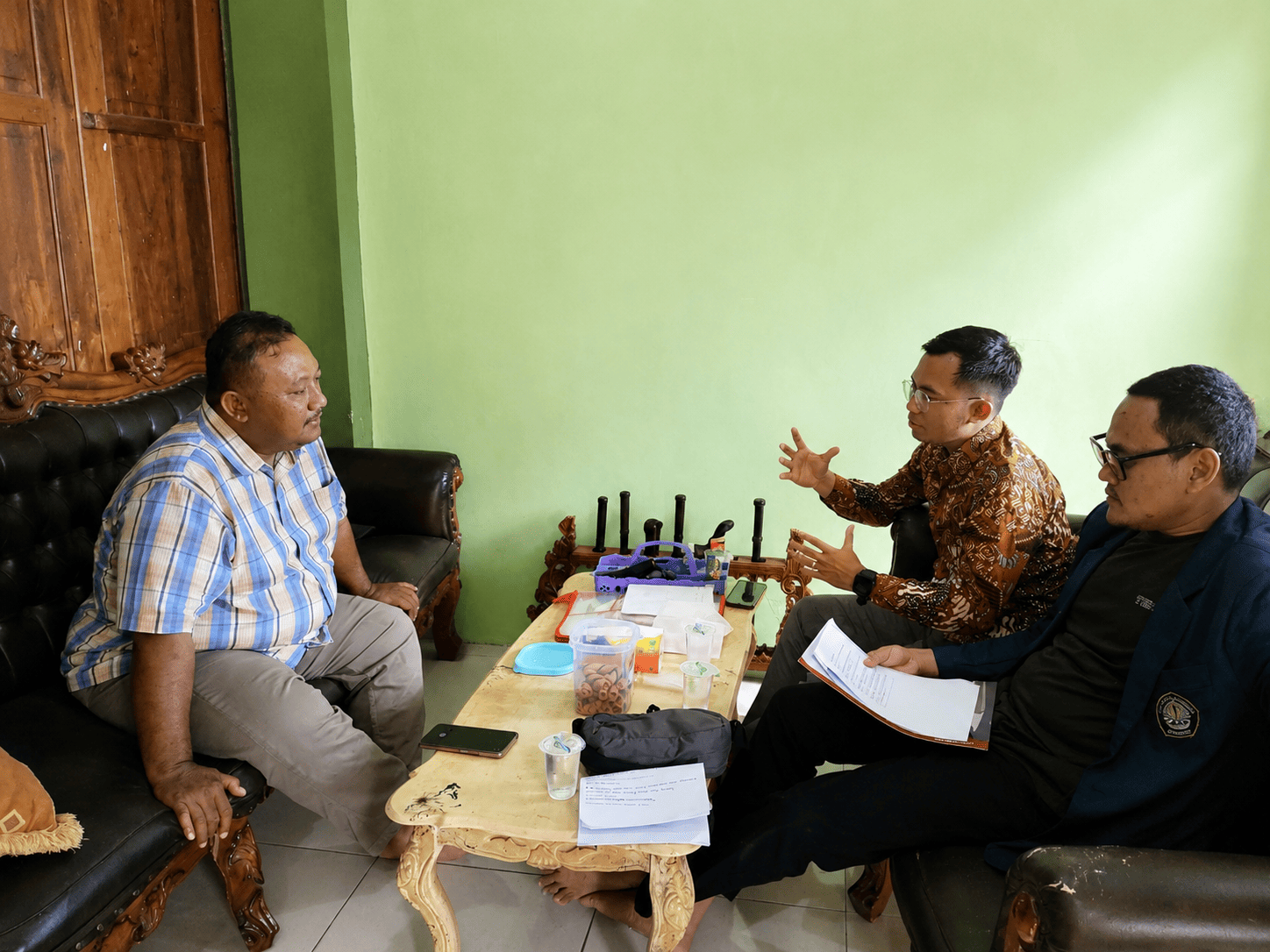
Penelitian dilaksanakan selama kurang lebih dua bulan sejak Mei 2026 dengan turun langsung ke Kabupaten Brebes. Dalam penelitian tersebut, Bambang Hermanto melakukan wawancara mendalam dengan sejumlah informan yang terlibat dan memahami perkembangan Gerakan Kotak Kosong.

Informan penelitian terdiri atas Ketua Gerakan Kotak Kosong (GERTAK), Maryoko alias Jarot, tokoh masyarakat Kaji Likhun, serta Cahrudin yang merupakan mantan anggota DPRD Kabupaten Brebes selama tiga periode. Penelitian juga melibatkan Suntoro dan Edi yang merupakan mantan kepala desa, serta Zakaria dan Kholik sebagai relawan Gerakan Kotak Kosong.

Selain melakukan wawancara, penelitian dilakukan dengan mengamati aktivitas dan jejak digital Gerakan Kotak Kosong melalui media sosial Facebook. Pendekatan tersebut dilakukan untuk memperoleh gambaran yang lebih komprehensif mengenai bagaimana gerakan dibangun, narasi dikembangkan, serta dukungan masyarakat terhadap Gerakan Kotak Kosong.

Hasil penelitian menunjukkan bahwa Gerakan Kotak Kosong di Kabupaten Brebes tidak hanya dapat dipahami sebagai bentuk protest voting atau pilihan politik sebagai bentuk protes. Lebih dari itu, gerakan tersebut juga menunjukkan adanya konstruksi protes moral masyarakat terhadap kondisi demokrasi lokal.

Salah satu narasi yang berkembang dalam gerakan tersebut adalah, “Kotak Kosong Bukan Kriminal, Namun Konstitusional.” Narasi tersebut menunjukkan bahwa pilihan terhadap kotak kosong dipahami sebagai hak politik masyarakat yang sah dan menjadi salah satu bentuk ekspresi warga dalam demokrasi.

Bambang Hermanto menjelaskan bahwa penelitian ini dilakukan untuk melihat bagaimana demokrasi dapat dimaknai secara lebih substantif di tingkat lokal.

“Penelitian ini ingin melihat demokrasi yang lebih bermakna di tingkat lokal. Demokrasi tidak hanya tentang terselenggaranya pemilihan, tetapi juga harus memberikan ruang kompetisi yang sehat dan pilihan politik yang bermakna bagi masyarakat,” ujarnya.

Sementara itu, Ketua Umum Gerakan Kotak Kosong, Maryoko alias Jarot, menyampaikan bahwa gerakan tersebut lahir dari keresahan yang sama di tengah masyarakat. Menurutnya, Gerakan Kotak Kosong tumbuh berdasarkan hati nurani dan bukan merupakan gerakan yang dibentuk melalui paksaan.

“Gerakan ini lahir dari keresahan yang sama, berdasarkan hati nurani, bukan gerakan yang dipaksakan. Kami tidak ingin demokrasi di Brebes rusak karena adanya calon tunggal yang melakukan borong partai, sehingga orang lain tidak bisa berpartisipasi dalam kontestasi Pilkada Brebes 2024,” ungkap Jarot.

Melalui penelitian tersebut, FISIP UNNES berupaya memberikan kontribusi akademik dalam memahami perkembangan demokrasi lokal di Indonesia. Penelitian mengenai Gerakan Kotak Kosong di Brebes diharapkan dapat menjadi refleksi mengenai pentingnya menjaga kompetisi politik yang terbuka, partisipasi masyarakat, serta kebebasan warga dalam menentukan pilihan politik.

Fenomena Gerakan Kotak Kosong di Brebes menunjukkan bahwa demokrasi tidak hanya berkaitan dengan hasil pemilihan, tetapi juga tentang bagaimana masyarakat memiliki ruang untuk berpartisipasi, menyampaikan aspirasi, dan memperjuangkan demokrasi yang lebih bermakna.
Related Posts

Leave a Reply

* Kode Akses Komentar:

* Tuliskan kode akses komentar diatas:

GDPR

  • Privacy Policy

Privacy Policy

At unnes.ac.id, the privacy of our visitors is of extreme importance to us. This privacy policy document outlines the types of personal information that is received and collected by unnes.ac.id and how it is used.

Log Files

Like many other Web sites, unnes.ac.id makes use of log files. The information inside the log files includes internet protocol (IP) addresses, type of browser, Internet Service Provider (ISP), date/time stamp, referring/exit pages, and number of clicks to analyze trends, administer the site, track user’s movement around the site, and gather demographic information. IP addresses and other such information are not linked to any information that is personally identifiable.

Cookies

unnes.ac.id uses cookies to store information about visitors’ preferences, to record user-specific information on which pages the site visitor accesses or visits, and to personalize or customize our web page content based upon visitors’ browser type or other information that the visitor sends via their browser.

Third-party ad servers or ad networks use technology in their respective advertisements and links that appear on unnes.ac.id and which are sent directly to your browser. They automatically receive your IP address when this occurs. Other technologies (such as cookies, JavaScript, or Web Beacons) may also be used by our site’s third-party ad networks to measure the effectiveness of their advertising campaigns and/or to personalize the advertising content that you see on the site.

unnes.ac.id has no access to or control over these cookies that are used by third-party advertisers.

You should consult the respective privacy policies of these third-party ad servers for more detailed information on their practices as well as for instructions about how to opt-out of certain practices. unnes.ac.id’s privacy policy does not apply to, and we cannot control the activities of, such other advertisers or web sites.

If you wish to disable cookies, you may do so through your individual browser options. More detailed information about cookie management with specific web browsers can be found at the browsers’ respective websites.

Consent

By using our website, you hereby consent to our privacy policy and agree to its terms.

Update

This Privacy Policy was last updated on: 2023-02-14. Should we update, amend or make any changes to our privacy policy, those changes will be posted here.

Contact Us

If you have any questions, comments, or concerns about our Privacy Policy or our practices with regards to your personal information, please feel free to contact us through the contact form on our website or by emailing us at humas[at]mail.unnes.ac.id.

This Privacy Policy is intended as a general guide to our practices in collecting and using information. If there is any inconsistency between this Privacy Policy and the terms of the Service Agreement or any other terms that may apply to specific services you use, then those specific service terms shall apply.

Terms of Use

By using our website, you agree to abide by this Privacy Policy. If you do not agree with this Privacy Policy, please do not use our website. We reserve the right to update this Privacy Policy from time to time without prior notice. Please review our Privacy Policy periodically to check for changes. Your continued use of our website following the posting of changes to this Privacy Policy means that you accept the changes.

Thank you for reading our Privacy Policy. We are committed to protecting the privacy of our website visitors and will continue to update our Privacy Policy to ensure optimal protection.